Premium Food Packaging Labels - Durable, Smart & Sustainable Solutions

Get a Free Quote

Our representative will contact you soon.
Email
Name
Company Name
Message
0/1000

food packaging labels

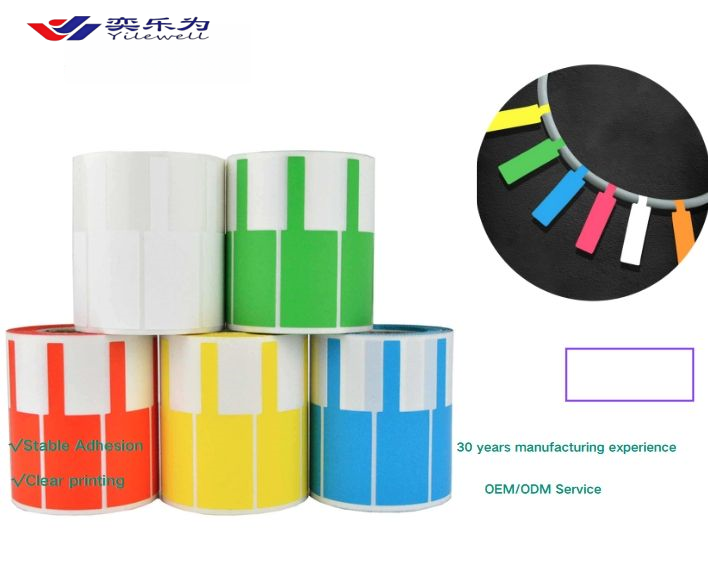
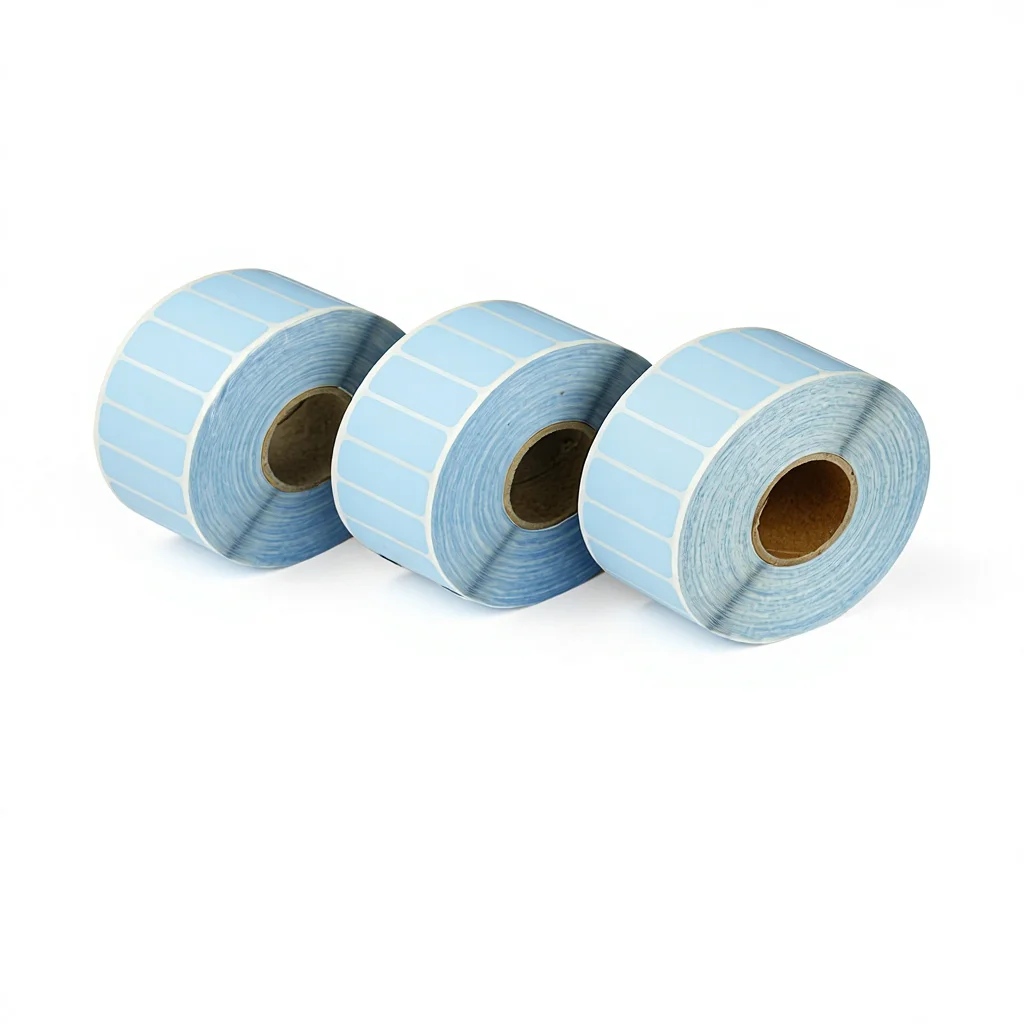
Food packaging labels serve as essential communication tools between manufacturers and consumers, providing crucial information about product contents, nutritional values, and safety guidelines. These specialized labels are designed to withstand various environmental conditions while maintaining clarity and adhesion throughout the product's lifecycle. Modern food packaging labels incorporate advanced printing technologies, including digital printing, flexographic printing, and thermal transfer printing, ensuring vibrant colors and sharp text that remain legible under refrigeration, freezing, and room temperature storage conditions. The primary functions of food packaging labels extend beyond basic identification to include regulatory compliance, brand recognition, and consumer education. These labels must meet stringent food safety standards established by regulatory bodies such as the FDA, ensuring that all materials used in manufacturing are food-safe and non-toxic. Technological features of contemporary food packaging labels include moisture resistance, temperature stability, and tamper-evident properties that protect product integrity. Many labels now incorporate smart technologies such as QR codes, NFC chips, and RFID tags, enabling enhanced traceability and interactive consumer experiences. The materials used in food packaging labels range from traditional paper and plastic substrates to innovative biodegradable options made from renewable resources. Applications span across diverse food categories including fresh produce, frozen foods, beverages, dairy products, meat and poultry, and processed foods. Each application requires specific label characteristics tailored to storage conditions, shelf life requirements, and consumer handling patterns. The design flexibility of food packaging labels allows for customization in size, shape, color, and finish, accommodating various packaging formats from bottles and cans to flexible pouches and rigid containers. Advanced adhesive formulations ensure reliable performance across different surface materials while allowing for clean removal when necessary for recycling purposes.


Popular Products

Food packaging labels offer numerous practical benefits that directly impact both manufacturers and consumers in meaningful ways. These labels provide clear product identification that helps consumers make informed purchasing decisions quickly and confidently. The durability of modern food packaging labels ensures that important information remains visible and readable throughout the entire supply chain, from production facilities to retail shelves and ultimately to consumer homes. This reliability reduces confusion and enhances customer satisfaction by maintaining consistent brand presentation. Cost-effectiveness represents another significant advantage, as food packaging labels can be produced efficiently in large quantities while maintaining high quality standards. The versatility of printing options allows manufacturers to create eye-catching designs that stand out on crowded retail shelves, directly contributing to increased sales and brand recognition. Food packaging labels also streamline inventory management processes by incorporating barcodes, batch numbers, and expiration dates that facilitate accurate tracking and rotation of stock. This systematic approach reduces waste and ensures product freshness, benefiting both retailers and consumers. The regulatory compliance capabilities of these labels help manufacturers meet legal requirements effortlessly, avoiding costly penalties and maintaining consumer trust. Environmental benefits emerge through the use of sustainable materials and recyclable options, allowing companies to demonstrate their commitment to environmental responsibility. Food packaging labels support food safety initiatives by clearly displaying allergen information, storage instructions, and handling guidelines that protect consumer health. The quick application process during production lines increases efficiency and reduces labor costs while maintaining consistent placement and appearance. Marketing advantages include the ability to communicate brand stories, promotional messages, and nutritional benefits directly to target audiences. The tamper-evident features of specialized food packaging labels provide security assurance that builds consumer confidence in product integrity. Digital integration capabilities enable innovative marketing strategies through interactive elements that engage tech-savvy consumers. Supply chain transparency improves through detailed tracking information that helps identify and resolve issues quickly. The weather resistance of quality food packaging labels ensures that products maintain professional appearance even under challenging storage and transportation conditions. These comprehensive benefits make food packaging labels indispensable tools for successful food marketing and distribution operations.

Practical Tips

Kunwei Electronics Showcases Advanced Automotive Tapes and Adhesive Solutions at China International Adhesive Tape and Film Exhibition

27

Nov

Kunwei Electronics Showcases Advanced Automotive Tapes and Adhesive Solutions at China International Adhesive Tape and Film Exhibition

View More
Kunwei Electronics to Present High-Performance Interconnect Materials at International Conference on Connecting Technology & Wire Harness World Annual Meeting

27

Nov

Kunwei Electronics to Present High-Performance Interconnect Materials at International Conference on Connecting Technology & Wire Harness World Annual Meeting

View More
Kunwei Electronics to Unveil Comprehensive Material Solutions at Shenzhen International Film & Tape Exhibition

27

Nov

Kunwei Electronics to Unveil Comprehensive Material Solutions at Shenzhen International Film & Tape Exhibition

View More
Kunwei Electronics Embarks on Global Stage, Showcasing Export-Oriented Products at the 136th China Import and Export Fair (Canton Fair)

27

Nov

Kunwei Electronics Embarks on Global Stage, Showcasing Export-Oriented Products at the 136th China Import and Export Fair (Canton Fair)

View More

Get a Free Quote

Our representative will contact you soon.
Email
Name
Company Name
Message
0/1000

food packaging labels

Advanced Durability and Weather Resistance Technology

Advanced Durability and Weather Resistance Technology

Food packaging labels equipped with advanced durability technology represent a revolutionary approach to maintaining product integrity and information clarity throughout extended storage periods and challenging environmental conditions. These sophisticated labels utilize cutting-edge material science to resist moisture penetration, temperature fluctuations, and physical handling damage that traditionally compromised label performance. The multi-layer construction incorporates specialized barrier films that prevent water vapor transmission while maintaining flexibility and adhesion strength. This technology proves particularly valuable for frozen food applications where condensation and temperature cycling can cause traditional labels to fail catastrophically. The weather resistance extends to UV protection, ensuring that colors remain vibrant and text remains legible even when products are displayed under intense retail lighting or transported in sunny conditions. Advanced adhesive formulations create molecular bonds with packaging surfaces that strengthen over time rather than weakening, providing superior performance compared to conventional labeling solutions. The scratch-resistant topcoat protects printed information from abrasion during handling, shipping, and stocking procedures, maintaining professional appearance throughout the entire product lifecycle. Chemical resistance properties ensure that cleaning agents used in food processing facilities and retail environments do not damage or deteriorate label materials, preserving critical information such as expiration dates and safety warnings. The thermal stability of these food packaging labels allows them to perform consistently across temperature ranges from deep freezing to high-heat pasteurization processes without losing adhesion or readability. This comprehensive durability approach reduces replacement costs, minimizes product recalls due to labeling failures, and enhances overall brand reliability. The long-term performance characteristics translate into significant cost savings for manufacturers while ensuring that consumers receive accurate product information regardless of storage conditions or handling practices. Testing protocols validate performance under accelerated aging conditions that simulate years of real-world exposure, providing confidence in label reliability for extended shelf-life products.
Smart Integration and Digital Connectivity Features

Smart Integration and Digital Connectivity Features

Modern food packaging labels incorporate intelligent digital integration capabilities that transform traditional product identification into interactive consumer engagement platforms while providing unprecedented supply chain visibility and traceability. These smart food packaging labels feature embedded technologies such as near-field communication chips, QR codes, and RFID tags that enable seamless connectivity between physical products and digital ecosystems. Consumers can instantly access detailed product information, nutritional data, recipe suggestions, and brand stories by simply scanning labels with their smartphones, creating personalized shopping experiences that build brand loyalty and trust. The digital connectivity extends to supply chain management, where each label contains unique identifiers that enable real-time tracking from production facilities through distribution networks to final point-of-sale transactions. This comprehensive visibility helps manufacturers optimize inventory levels, reduce waste, and respond quickly to quality issues or recall situations. The integration capabilities support blockchain technology implementation, creating immutable records of product provenance that enhance food safety and authenticity verification. Smart food packaging labels can trigger automatic inventory updates when products are scanned, streamlining retail operations and improving stock management efficiency. The data collection features provide valuable consumer behavior insights that help manufacturers understand purchasing patterns, preference trends, and geographic distribution patterns. Mobile application integration allows brands to communicate directly with consumers through personalized notifications, promotional offers, and loyalty program updates tied to specific product purchases. The authentication capabilities of these smart labels help combat counterfeiting and ensure product authenticity, protecting both brand reputation and consumer safety. Environmental monitoring sensors can be incorporated into advanced food packaging labels to track temperature exposure, humidity levels, and other environmental factors that affect product quality. This monitoring capability provides valuable data for optimizing storage conditions and extending product shelf life. The predictive analytics enabled by smart label data help manufacturers anticipate demand patterns, optimize production scheduling, and reduce waste throughout the supply chain while improving overall operational efficiency and customer satisfaction.
Sustainable Materials and Environmental Responsibility

Sustainable Materials and Environmental Responsibility

Contemporary food packaging labels embrace sustainable materials and environmentally responsible manufacturing processes that address growing consumer concerns about environmental impact while maintaining superior performance characteristics required for food safety and regulatory compliance. These eco-friendly food packaging labels utilize renewable resources such as responsibly sourced paper, plant-based polymers, and biodegradable substrates that decompose naturally without leaving harmful residues in landfills or marine environments. The sustainable approach extends beyond base materials to include water-based inks, solvent-free adhesives, and energy-efficient manufacturing processes that minimize carbon footprint throughout the production lifecycle. Recyclable design principles ensure that labels can be easily separated from packaging during recycling processes, supporting circular economy initiatives and reducing waste stream contamination. Compostable options provide end-of-life solutions for organic waste systems, where labels break down completely into natural components that enrich soil rather than create pollution. The life cycle assessment approach considers environmental impact from raw material extraction through manufacturing, use, and disposal phases, optimizing each stage for minimal ecological footprint. Forest Stewardship Council certification ensures that paper-based food packaging labels support responsible forest management practices that preserve biodiversity and promote sustainable harvesting. Bio-based adhesive technologies derived from renewable plant sources provide equivalent performance to petroleum-based alternatives while reducing dependence on fossil fuels and decreasing greenhouse gas emissions. The durability of sustainable materials ensures that environmental benefits do not compromise functionality, maintaining the protection and information delivery capabilities essential for food safety. Reduced packaging waste results from optimized label sizes and shapes that minimize material consumption while maximizing information density and visual impact. Carbon-neutral shipping options for sustainable food packaging labels further reduce environmental impact by offsetting transportation emissions through verified carbon credit programs. The transparency of sustainable supply chains allows brands to communicate their environmental commitments authentically to environmentally conscious consumers who increasingly base purchasing decisions on sustainability credentials. Continuous innovation in sustainable materials science drives ongoing improvements in performance characteristics while reducing environmental impact, ensuring that future food packaging labels will exceed current sustainability standards while meeting evolving regulatory requirements and consumer expectations for environmental responsibility.

Get a Free Quote

Our representative will contact you soon.
Email
Name
Company Name
Message
0/1000