 EN


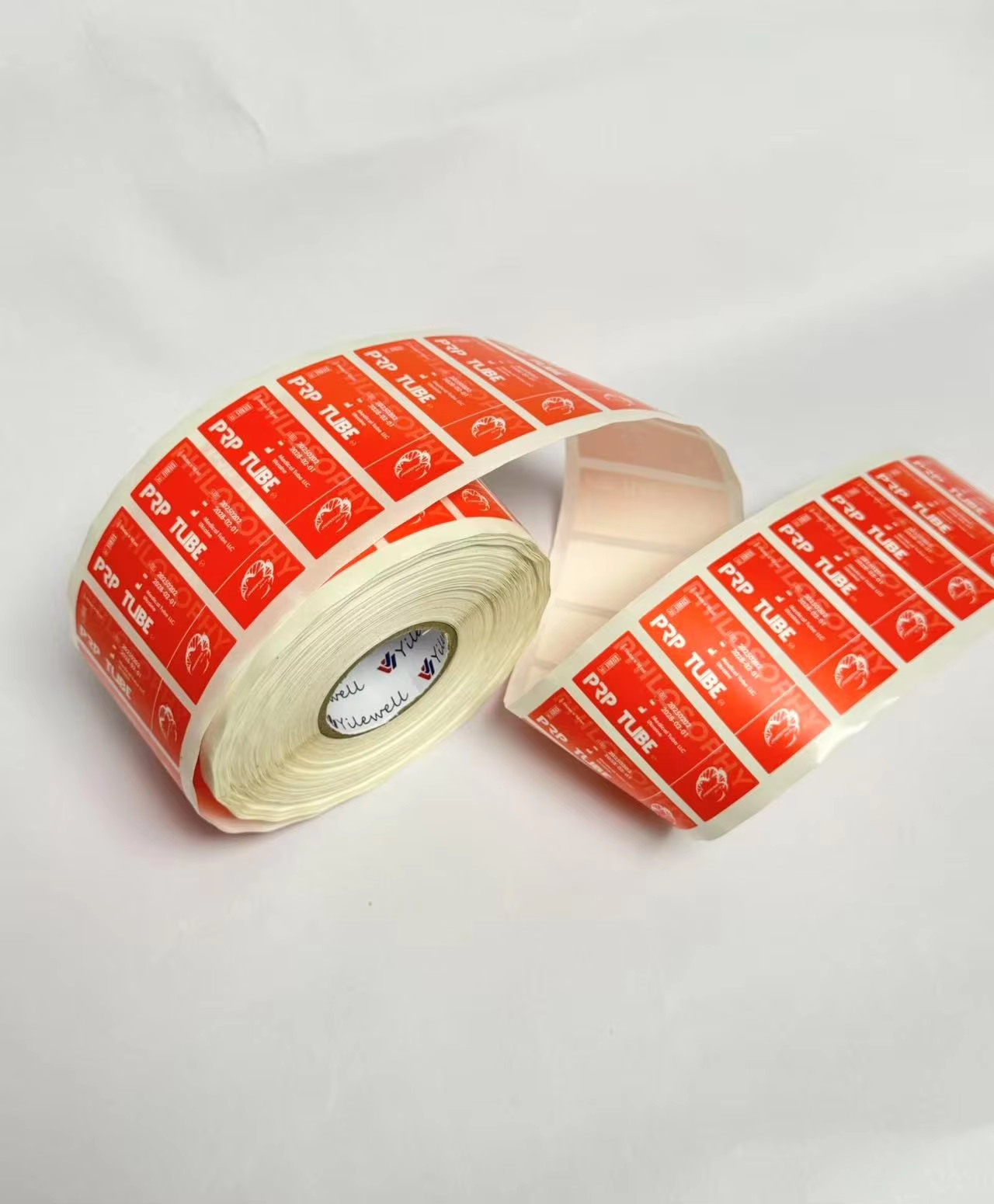
In industrial shipping, a label must remain readable from print station to delivery scan. Thermal label rolls for shipping support that task by combining a printable face, a suitable adhesive, and a roll format matched to the equipment. Understanding these features helps operations teams choose stock that fits their workflow, package surfaces, and handling conditions.
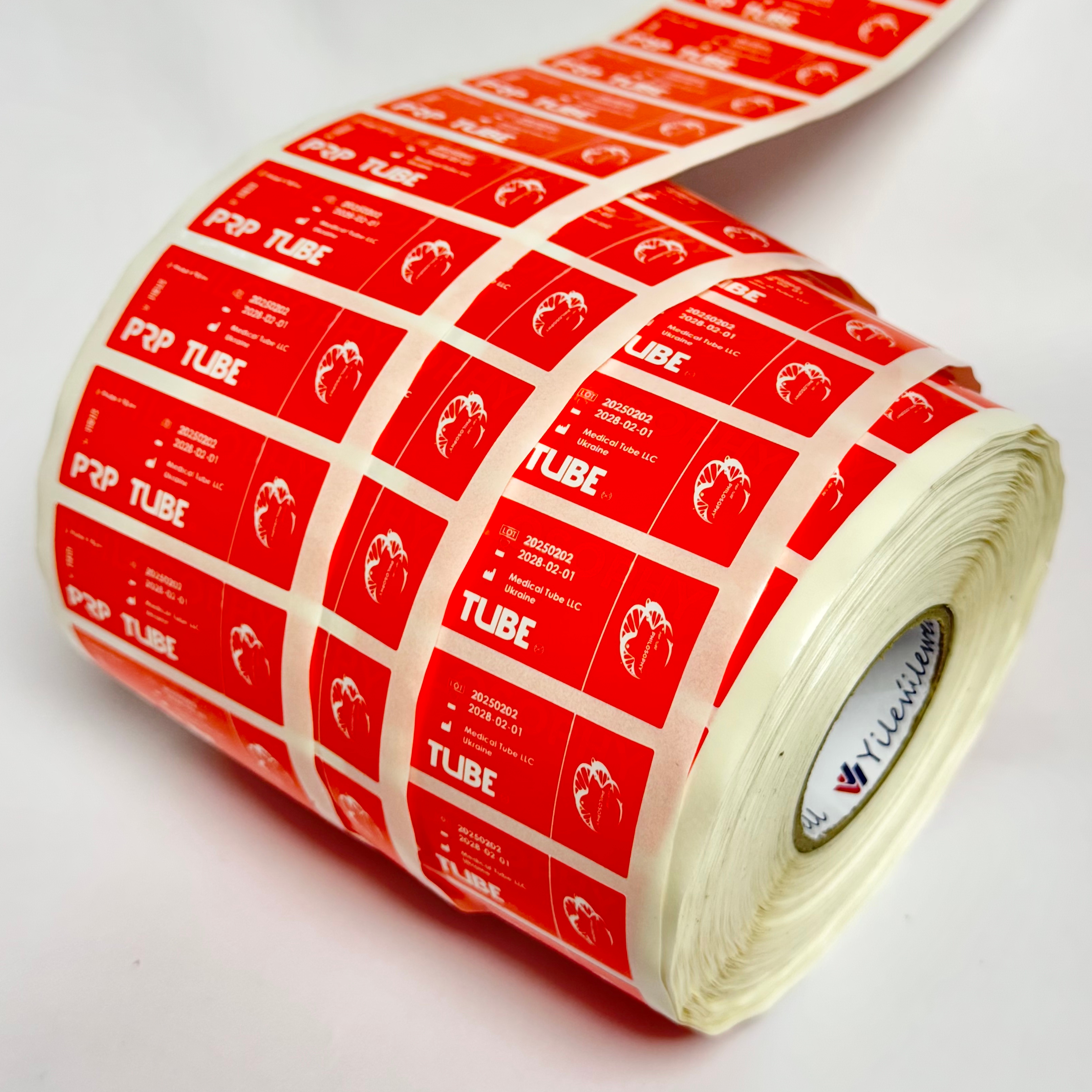
The right specification depends on more than label dimensions. Thermal label rolls for shipping should work with the printer, stay attached to cartons or mailers, and preserve legible barcodes through routine movement. Reviewing these features together can prevent feed issues, reprints, and scanning delays without adding unnecessary complexity to a packaging line.
Core construction and printing compatibility
Face stock and thermal printing method
A thermal label has a face layer that receives the printed image, and the printing method determines which stock is appropriate. Direct thermal stock develops an image through heat and typically needs no ribbon. Thermal transfer stock uses a ribbon to transfer ink onto the label. Thermal label rolls for shipping must match the printer setup; using the wrong combination can produce faint output, excess residue, or avoidable interruptions.
For parcel workflows with short label life, direct thermal printing may suit routine shipping identification. Where labels face longer storage or more exposure, teams may assess thermal transfer and its ribbon pairing. Before ordering thermal label rolls for shipping, confirm the printer technology in use and follow equipment guidance for compatible materials. A test run with typical text and barcodes can reveal image quality issues before a full production change.
Roll dimensions and printer fit
Roll width, label length, core size, and outside diameter all affect printer fit. Thermal label rolls for shipping need to match the printer's media path and holder, while the label dimensions must leave enough room for address details, routing data, and scannable codes. A roll that is too large or a core that does not fit can interrupt feeding, even if the face stock itself is suitable.
Check the printer manual and current roll specification rather than relying on a visual estimate. Include gap or mark sensing requirements where applicable, since the printer needs to detect each label consistently. When evaluating thermal label rolls for shipping, verify winding direction and roll orientation as well. These details help operators load stock correctly and maintain dependable label placement across shifts.
Adhesion and durability in shipping conditions
Adhesive matched to the package surface
Adhesive performance is central to whether a shipping label stays attached. Corrugated cartons, coated boxes, poly mailers, and reusable totes can present different surfaces, so thermal label rolls for shipping should be selected for the actual packaging mix. Surface texture, dust, temperature, and the time between application and handling may affect contact. A label that lifts at an edge can obscure information or interfere with scanning.
Review whether the process calls for standard permanent adhesion or a different adhesive behavior, and test on representative packages. Apply labels with the pressure and placement used on the line, then inspect corners and seams during normal handling. Thermal label rolls for shipping should support the intended surface rather than simply pass a desk test. This practical check is especially useful when packaging materials or application temperatures change.
Resistance to handling and storage
Packages can experience rubbing, stacking pressure, moisture, sunlight, or temperature changes between dispatch and receipt. These conditions influence how well a printed label remains readable. Thermal label rolls for shipping should be assessed against the exposure expected in the route, warehouse, and storage period. Direct thermal images can be more sensitive to heat and light than some other print constructions, so the use case matters.
Consider where parcels wait, how they move through conveyors, and whether labels may contact other packages. If abrasion or longer retention is likely, compare suitable face stocks and printing methods through operational trials. Thermal label rolls for shipping are not a substitute for good package handling, but selecting appropriate materials can reduce label damage. Define the required readability period before comparing specifications so the choice reflects real shipping conditions.
Operational selection and quality checks
Matching label design to workflow
Label size should accommodate the information actually printed, including the delivery address, barcode, and any required routing fields. Thermal label rolls for shipping should provide enough usable area without forcing small text or cramped code placement. Check the label template, printer resolution, and barcode dimensions together. A stock change that alters label size can require template adjustments, so involve the shipping system owner before converting a line.
Also consider roll length and how often operators need to replace media. Longer runs can reduce interruptions when the printer and holder support the chosen roll, while smaller rolls may be easier to handle in constrained stations. When choosing thermal label rolls for shipping, balance refill frequency with storage space, loading ease, and inventory turnover. The most useful format is one that fits both equipment limits and daily operating habits.
Receiving checks and routine control
A consistent incoming check can catch fit or print problems before stock reaches multiple packing stations. Confirm roll dimensions, winding, face appearance, and packaging condition against the approved specification. Then print a sample using the normal darkness and speed settings. Thermal label rolls for shipping should produce clear text and scannable codes on the intended printer without recurring feed errors.
Keep a record of the media specification and any successful test conditions so replacements can be evaluated consistently. If a new roll behaves differently, check printer settings, storage conditions, and application surface before assuming the material is defective. Thermal label rolls for shipping work best within a controlled process: maintain dry storage, protect rolls from excess heat, and train staff to load and handle them as directed.
FAQ
Can direct thermal stock be used for every shipment?
Not always. Thermal label rolls for shipping using direct thermal stock can suit many short-term parcel labels, but heat, light, abrasion, and retention needs can affect image life. Match the print method to the route and storage period, then test typical labels under realistic conditions before standardizing the stock.
How can teams confirm a roll fits an existing printer?
Check printer documentation for supported width, core diameter, maximum roll diameter, sensing method, and winding direction. Thermal label rolls for shipping should meet those requirements and feed correctly in a sample run. Verify print alignment and barcode readability using the normal label template before placing the stock into routine use.
Which feature matters most when labels keep lifting?
Start with adhesive compatibility, then review package surface, cleanliness, application pressure, and temperature. Thermal label rolls for shipping must adhere to the materials actually used on the line. Test labels on representative cartons or mailers and inspect them after normal handling to identify whether the issue is stock selection or application practice.