 EN


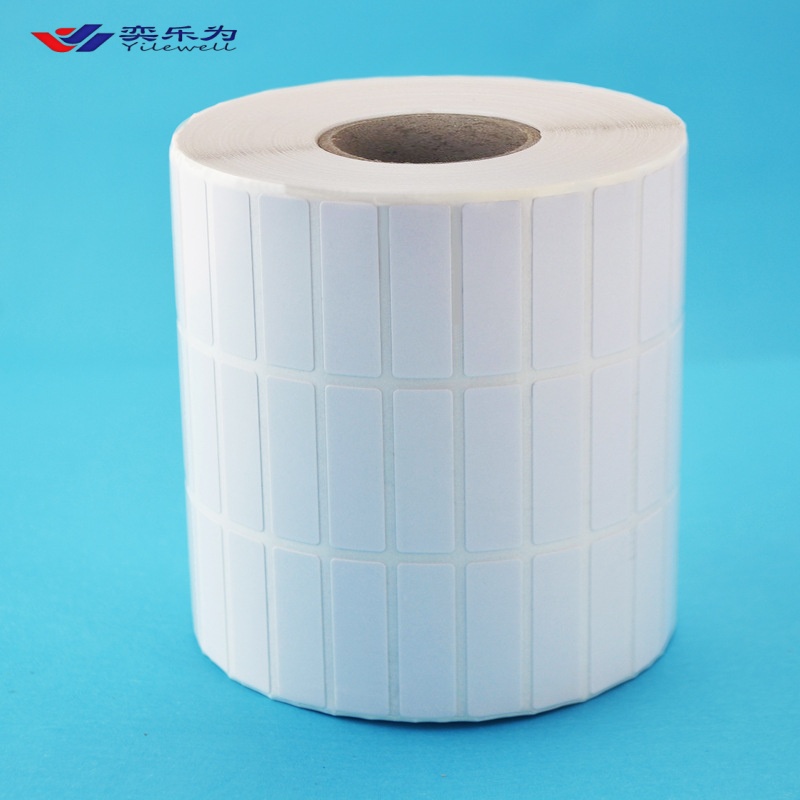
Private label thermal labels have become a cornerstone solution for businesses operating in retail and logistics environments. These specialized labels offer businesses a cost-effective way to manage inventory, streamline shipping processes, and maintain brand consistency across their operations. Private label thermal labels are specifically designed to work seamlessly with thermal printing technology, eliminating the need for ink cartridges and reducing operational complexity. As supply chains grow more demanding and customer expectations rise, understanding the strategic value of private label thermal labels becomes essential for competitive advantage.
The logistics and retail sectors depend heavily on efficient labeling systems to manage thousands of transactions daily. Private label thermal labels provide a reliable foundation for this operational infrastructure, offering durability, readability, and cost efficiency that generic alternatives often cannot match. By choosing private label thermal labels tailored to specific business needs, organizations can reduce waste, improve tracking accuracy, and enhance customer satisfaction. This article explores why private label thermal labels have become the preferred choice for forward-thinking retail and logistics companies.
Core Advantages of Private Label Thermal Labels in Supply Chain Operations
Operational Efficiency and Cost Reduction
Private label thermal labels eliminate several inefficiencies inherent in traditional printing methods. Unlike inkjet or laser systems, private label thermal labels require no consumable ink supplies, dramatically lowering per-unit printing costs over time. This advantage compounds significantly when operations scale to thousands of labels per day. Private label thermal labels integrate directly with thermal printers, creating a streamlined workflow that reduces downtime and maintenance overhead. The straightforward printing mechanism of private label thermal labels means fewer mechanical failures and extended equipment lifespan, protecting capital investments.
Customization and Brand Alignment
Private label thermal labels allow retailers and logistics providers to embed custom branding, barcodes, and product-specific information directly onto labels. This customization extends beyond aesthetics; private label thermal labels can be engineered with variable data encoding that adapts to different shipments, product lines, or customer segments. Organizations using private label thermal labels maintain consistent visual identity while optimizing information density for better operational intelligence. The flexibility of private label thermal labels ensures that whether a company ships luxury goods or bulk commodities, label design aligns perfectly with brand positioning and regulatory requirements.
Technical Performance and Durability Benefits of Private Label Thermal Labels
Environmental Resistance and Longevity
Retail and logistics environments expose labels to extreme conditions that test material integrity. Private label thermal labels are engineered with coatings that resist moisture, temperature fluctuations, chemicals, and abrasion. Whether labels encounter humid warehouse conditions or freezing transport vehicles, private label thermal labels maintain print clarity and adhesive bond strength throughout the product lifecycle. The durability advantage of private label thermal labels reduces replacement rates and prevents costly scanning errors caused by faded or illegible barcodes. Premium formulations of private label thermal labels can withstand direct sunlight exposure, making them ideal for outdoor inventory staging and logistics yards.
Barcode Integrity and Scanning Reliability
Barcode misreads in logistics operations create cascading inefficiencies that compound throughout supply chains. Private label thermal labels produce sharp, high-contrast barcode impressions on first print, ensuring 99%+ scanning accuracy rates across varied scanner models and lighting conditions. The print quality consistency of private label thermal labels reflects careful calibration of thermal head sensitivity, coating composition, and adhesive formulation. Advanced private label thermal labels incorporate special surface treatments that enhance optical recognition, particularly for QR codes and two-dimensional barcodes. This technical superiority of private label thermal labels translates directly into faster warehouse processing, fewer manual interventions, and reduced customer complaints.
Strategic Application Scenarios for Private Label Thermal Labels in Modern Commerce
E-Commerce and Last-Mile Logistics Solutions
E-commerce fulfillment centers process millions of shipments annually, making label reliability a critical operational determinant. Private label thermal labels enable rapid, high-volume label production without maintaining inventory of pre-printed alternatives. Distribution centers leverage private label thermal labels to print shipping information, tracking numbers, and handling instructions on-demand as packages move through sortation systems. The speed advantage of private label thermal labels directly reduces queue times and accelerates final-mile delivery. Many leading logistics platforms have standardized on private label thermal labels because they support complex barcode structures needed for multi-carrier shipping integrations.
Retail Point-of-Sale and Inventory Management
Retail operations use private label thermal labels extensively for dynamic pricing, promotional markers, and inventory SKU tracking. Retail environments benefit from the space efficiency of private label thermal labels, which often incorporate denser information layouts than standard labels. Private label thermal labels allow retailers to update pricing automatically through connected POS systems without manual label replacement, reducing labor costs and pricing errors. Grocery stores, pharmacies, and specialty retailers have adopted private label thermal labels as standard because they support color-coded categories, allergen warnings, and expiration date printing without switching hardware platforms.
Practical Implementation Considerations for Adopting Private Label Thermal Labels
Specification Alignment and Equipment Compatibility
Successful deployment of private label thermal labels requires careful alignment between label specifications and thermal printing equipment capabilities. Organizations must evaluate label width, print resolution (typically 203 or 300 DPI), adhesive strength, and material composition to match specific environmental demands. Private label thermal labels specifications should account for extreme temperature ranges, humidity exposure, and mechanical stress anticipated in the application environment. When implementing private label thermal labels, IT teams must verify barcode format compatibility with existing scanning infrastructure and data capture systems. Pilot testing of private label thermal labels before full-scale deployment prevents costly supply chain disruptions and ensures seamless operational integration.
Supply Chain Scalability and Vendor Partnerships
As operations expand, maintaining consistent supply of private label thermal labels becomes strategically important. Organizations must establish relationships with reliable suppliers capable of scaling production volumes while maintaining quality standards for private label thermal labels. Long-term contracts for private label thermal labels should include specifications for minimum print density, adhesion testing, and barcode accuracy thresholds. Private label thermal labels sourced through established supply agreements ensure predictable costs and eliminate vulnerability to market price fluctuations. Strategic suppliers of private label thermal labels provide technical support, batch testing certification, and rapid response capabilities that reactive purchasing cannot deliver.
FAQ
How do private label thermal labels compare to standard pre-printed labels in terms of cost?
Private label thermal labels typically offer lower total cost of ownership because they eliminate ink cartridge expenses, require no pre-production design setup, and reduce inventory carrying costs. Organizations printing fewer than 100,000 labels monthly may find pre-printed options competitive, but private label thermal labels become significantly more economical at higher volumes. The break-even analysis for private label thermal labels usually favors thermal printing when operations require frequent design changes or variable information encoding.
What environmental factors can affect the performance of private label thermal labels?
Private label thermal labels perform optimally in temperatures between 50-104°F and humidity levels of 25-75%, though premium formulations extend these ranges considerably. Direct sunlight, extreme cold in refrigerated storage, and chemical exposure can degrade private label thermal labels if not specifically engineered for such conditions. When deploying private label thermal labels in challenging environments like freezers, outdoor yards, or chemical warehouses, specification selection becomes critical to maintain barcode legibility and adhesive integrity throughout the product lifecycle.
Can private label thermal labels be integrated with existing barcode scanning systems?
Yes, private label thermal labels produce standard barcode formats that are fully compatible with virtually all commercial scanning hardware and software systems. The key consideration is ensuring private label thermal labels are engineered to print at the resolution (203 or 300 DPI) required by existing scanners and that barcode symbology matches system specifications. Compatibility testing before large-scale deployment of private label thermal labels ensures seamless integration with warehouse management systems and point-of-sale platforms.
Table of Contents
- Core Advantages of Private Label Thermal Labels in Supply Chain Operations
- Technical Performance and Durability Benefits of Private Label Thermal Labels
- Strategic Application Scenarios for Private Label Thermal Labels in Modern Commerce
- Practical Implementation Considerations for Adopting Private Label Thermal Labels
- FAQ