 EN
EN


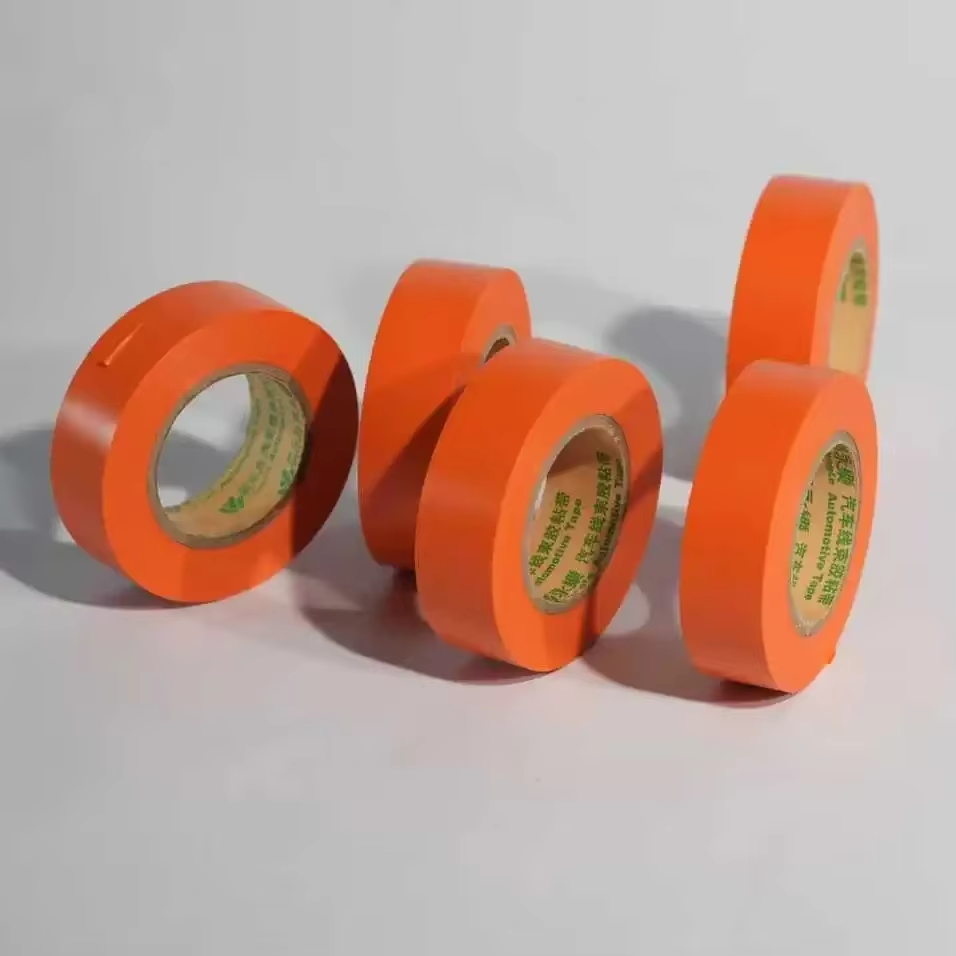
High-voltage electrical systems demand exceptional protection and reliability to prevent equipment failure, safety hazards, and costly downtime. PVC electrical insulation tape has become the industry standard for wrapping, bundling, and insulating conductors in these demanding applications. When properly selected and applied, pvc electrical insulation tape delivers superior performance across temperature ranges, environmental conditions, and electrical stresses that typical applications cannot tolerate. Understanding how pvc electrical insulation tape improves performance requires examining its material properties, application methods, and real-world benefits in industrial and commercial electrical installations.
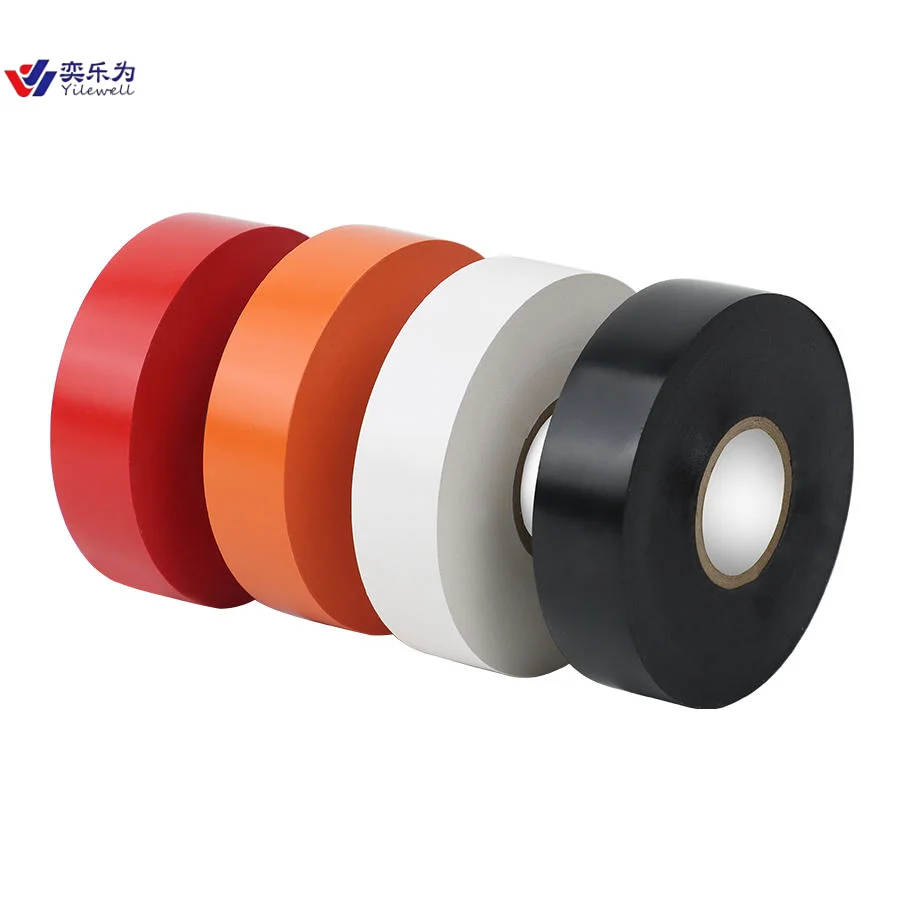
The performance improvement begins with pvc electrical insulation tape's core composition and engineering. Unlike standard duct tape or general-purpose tapes, pvc electrical insulation tape combines a polyvinyl chloride backing with specialized pressure-sensitive adhesive formulations designed specifically for electrical environments. This combination ensures that pvc electrical insulation tape maintains electrical integrity, resists moisture penetration, and preserves flexibility even after extended exposure to heat, UV radiation, and mechanical stress. High-voltage systems rely on these properties because any degradation in tape performance can lead to electrical arcing, conductor exposure, or insulation breakdown.
Material Properties That Drive Performance Enhancement
Dielectric Strength and Voltage Withstand Rating
Dielectric strength represents the maximum electrical field a material can endure before breakdown occurs. PVC electrical insulation tape is engineered to provide consistent dielectric strength across its thickness, typically rated for voltages ranging from 600 volts to 35,000 volts depending on tape thickness and formulation. When pvc electrical insulation tape wraps a conductor in a high-voltage system, it creates an insulating barrier that prevents current leakage and electrical faults. The voltage withstand capability of pvc electrical insulation tape directly correlates to system safety and operational continuity. Thicker grades of pvc electrical insulation tape deliver higher voltage ratings, allowing engineers to select the appropriate product for their specific system voltage requirements. This performance characteristic makes pvc electrical insulation tape irreplaceable in power distribution, utility infrastructure, and industrial motor applications.
Temperature Stability and Thermal Performance
High-voltage systems generate significant heat during operation, and conductor insulation must maintain its integrity across wide temperature ranges. PVC electrical insulation tape demonstrates thermal stability from approximately minus 10 degrees Celsius to plus 80 degrees Celsius in standard formulations, with specialized variants extending performance to plus 105 degrees Celsius or higher. This thermal range ensures that pvc electrical insulation tape will not become brittle in cold storage or loss adhesive strength during peak system loads. The adhesive component within pvc electrical insulation tape is equally critical, as premature softening or hardening compromises tape integrity. Industrial environments often expose pvc electrical insulation tape to rapid thermal cycling, where expansion and contraction stress the tape bond. By maintaining dimensional stability, pvc electrical insulation tape prevents joint separation that could expose underlying conductors to environmental moisture or physical contact.
Environmental Protection and Durability Mechanisms
Moisture and Chemical Resistance
Water ingress represents a primary failure mechanism in high-voltage insulation systems, as moisture reduces dielectric strength and facilitates electrical tracking between conductors. PVC electrical insulation tape resists water absorption due to its non-porous polymer structure, maintaining effectiveness in wet industrial environments, underground installations, and outdoor cable runs. The adhesive formulation in pvc electrical insulation tape also incorporates water-resistant components that prevent adhesive failure even after prolonged moisture exposure. Chemical environments present additional challenges in petrochemical plants, wastewater treatment facilities, and industrial manufacturing areas where corrosive vapors, solvents, and acidic or alkaline conditions might degrade standard electrical insulation. Quality pvc electrical insulation tape formulations resist degradation from common industrial chemicals, petroleum products, and cleaning solvents. This chemical compatibility extends the service life of pvc electrical insulation tape installations, reducing maintenance requirements and emergency repair costs.
Mechanical Stress and Abrasion Protection
Electrical installations in factories, power plants, and utility substations expose cables and conductors to mechanical movement, vibration, and physical contact with sharp edges or abrasive surfaces. PVC electrical insulation tape absorbs mechanical stress through its elasticity and thickness, preventing puncture and abrasion damage that would compromise insulation effectiveness. The tear resistance of pvc electrical insulation tape ensures that routine handling, installation movement, or accidental contact with equipment edges will not tear the tape layer. High-voltage system reliability depends on maintaining continuous insulation coverage around conductors, and pvc electrical insulation tape delivers this protection across the full service life of the installation. When pvc electrical insulation tape is applied correctly with adequate overlap and proper tension, it creates a durable protective layer that withstands installation stresses, thermal cycling, and environmental exposure without deterioration.
Application-Specific Performance Improvements
Bundling and Cable Identification
Beyond insulation of individual conductors, pvc electrical insulation tape serves critical roles in high-voltage system organization and maintenance safety. Technicians use color-coded pvc electrical insulation tape to bundle cables, identify voltage levels, and mark dangerous high-voltage zones. This organizational benefit prevents accidental contact with hazardous conductors and simplifies troubleshooting during system maintenance. PVC electrical insulation tape maintains its color coding throughout its service life because the pigments used are resistant to UV fading and oxidation. When system modifications or repairs become necessary, the clear identification provided by pvc electrical insulation tape reduces errors and accelerates work completion. The bundling function of pvc electrical insulation tape also manages electromagnetic interference by organizing cable routing and maintaining separation distances where required by electrical codes.
Splice and Joint Insulation
High-voltage systems often require cable splices, terminal connections, and repair joints where standard insulation is incomplete. PVC electrical insulation tape provides rapid, reliable insulation for these critical junction points, ensuring that pvc electrical insulation tape bridges gaps and seals exposed conductors. The overlapping application method for pvc electrical insulation tape at splice locations creates redundant insulation layers that exceed the voltage withstand requirements of the base conductor insulation. This performance capability allows field technicians to execute repairs without specialized heat-shrink equipment or complex splicing tools. Properly applied pvc electrical insulation tape at splice locations maintains the same dielectric strength and environmental protection as the original insulation, preserving system reliability. The flexibility of pvc electrical insulation tape allows it to conform to irregular joint geometries, terminal configurations, and connector shapes that rigid insulation materials cannot accommodate.
Selection Criteria for High-Voltage Performance
Thickness and Voltage Rating Alignment
Electrical codes and industry standards establish minimum tape thickness requirements based on system voltage. PVC electrical insulation tape is manufactured in standard thicknesses ranging from 0.13 millimeters to 0.25 millimeters, with each thickness increment providing higher voltage ratings. For 600-volt systems, thinner pvc electrical insulation tape typically suffices, while utility-level transmission voltages require the maximum available tape thickness. Selection of pvc electrical insulation tape must match the specific voltage rating of the application to ensure compliance with electrical safety standards. Using undersized pvc electrical insulation tape in high-voltage applications risks dielectric breakdown under fault conditions, while oversized tape creates unnecessary costs and may reduce flexibility. Proper selection of pvc electrical insulation tape optimizes both safety and economic efficiency in electrical system design.
Adhesive Performance and Climate Conditions
The pressure-sensitive adhesive formulation within pvc electrical insulation tape must perform reliably across the temperature and humidity conditions of the installation environment. Standard pvc electrical insulation tape adhesives work well in controlled indoor environments, while high-temperature industrial applications may require specialized adhesive formulations. PVC electrical insulation tape intended for outdoor installations or extreme climates should incorporate UV-resistant additives and enhanced moisture resistance. Marine environments, desert applications, and arctic installations each impose specific performance demands that influence pvc electrical insulation tape selection. Quality manufacturers provide detailed technical data sheets specifying the temperature and humidity ranges where pvc electrical insulation tape maintains full adhesive performance. Proper selection of pvc electrical insulation tape based on environmental conditions prevents adhesive failure, tape separation, and subsequent insulation degradation during the service life of the electrical installation.
FAQ
What is the typical service life of PVC electrical insulation tape in high-voltage applications?
PVC electrical insulation tape typically maintains effective performance for 5 to 15 years in indoor high-voltage installations, depending on environmental stresses, temperature fluctuations, and UV exposure. Outdoor applications may experience shorter service life due to UV degradation, though UV-resistant formulations of pvc electrical insulation tape can extend durability significantly. Regular inspection of pvc electrical insulation tape condition, particularly at older installations, helps identify degradation before insulation failure occurs. Proper initial application and protection from extreme environmental stresses can extend the practical service life of pvc electrical insulation tape well beyond minimum expectations.
Can PVC electrical insulation tape be applied directly over wet conductors?
No, pvc electrical insulation tape should only be applied to clean, dry conductor surfaces to ensure proper adhesion and long-term performance. Moisture prevents the adhesive from making contact with the conductor surface, leading to poor adhesion and eventual tape separation. Even slight dampness can compromise the tape bond, so conductors must be thoroughly dried before pvc electrical insulation tape application. Moisture also traps air bubbles beneath the tape, creating voids that weaken insulation effectiveness. Following proper surface preparation procedures ensures that pvc electrical insulation tape achieves full adhesive contact and maintains the insulation integrity required for high-voltage system safety.
How many overlapping layers of PVC electrical insulation tape are needed for high-voltage splice protection?
Standard electrical installation codes typically require at least two overlapping layers of pvc electrical insulation tape at splice locations, with each layer providing approximately 50% overlap to the previous wrap. For critical high-voltage applications or repair situations, three to four layers of pvc electrical insulation tape may be appropriate to ensure redundant insulation protection. The specific number of pvc electrical insulation tape layers depends on the voltage rating, conductor size, and applicable electrical codes in the installation jurisdiction. Each layer of pvc electrical insulation tape must be applied under moderate tension to eliminate air pockets and ensure intimate contact with underlying surfaces. Proper layering technique maximizes the dielectric strength of the assembled pvc electrical insulation tape protection system.