 EN
EN


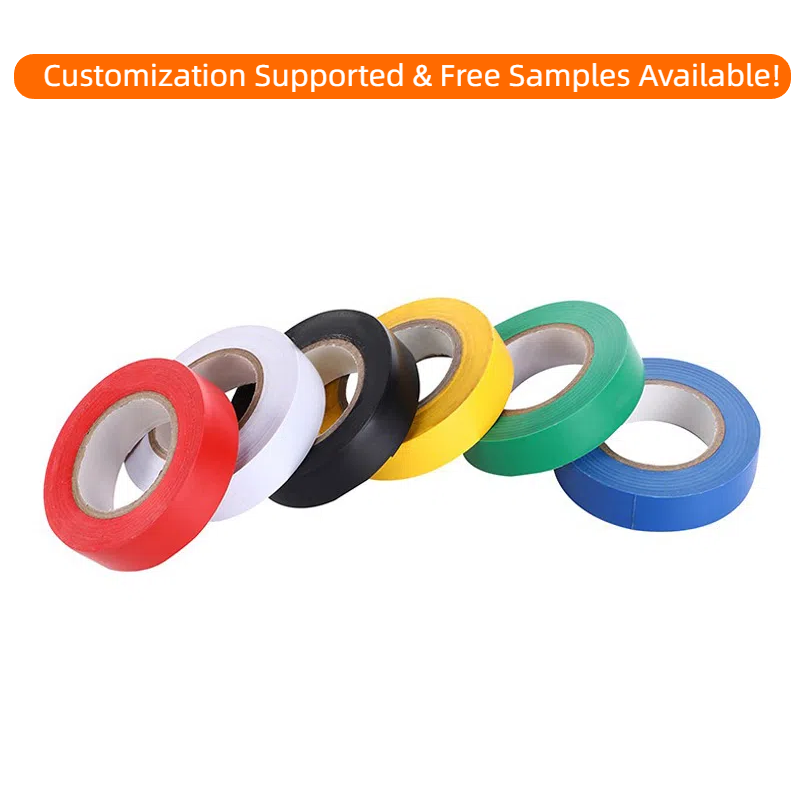
विद्युत स्थापनाओं के लिए कर्मचारियों की सुरक्षा और प्रणाली की विश्वसनीयता सुनिश्चित करने के लिए कई सुरक्षा परतों की आवश्यकता होती है। किसी भी पेशेवर विद्युत स्थापना में पीवीसी विद्युत रोधक टेप सबसे मूलभूत घटकों में से एक के रूप में कार्य करती है, जो विद्युत झटके, नमी के कारण होने वाले क्षति और पर्यावरणीय क्षरण के खिलाफ महत्वपूर्ण सुरक्षा प्रदान करती है। पीवीसी विद्युत रोधक टेप के द्वारा विद्युत स्थापनाओं में सुरक्षा को कैसे बढ़ाया जाता है, यह समझना विद्युत मिस्त्रियों, सुविधा प्रबंधकों और विद्युत प्रणालियों के रखरखाव के लिए जिम्मेदार किसी भी व्यक्ति के लिए आवश्यक है। उचित अनुप्रयोग पीवीसी विद्युत विच्छेदन टेप के उपयोग से दुर्घटना के जोखिम में काफी कमी आती है, उपकरणों के जीवनकाल में वृद्धि होती है, और उद्योग के सुरक्षा मानकों के अनुपालन को सुनिश्चित किया जाता है।
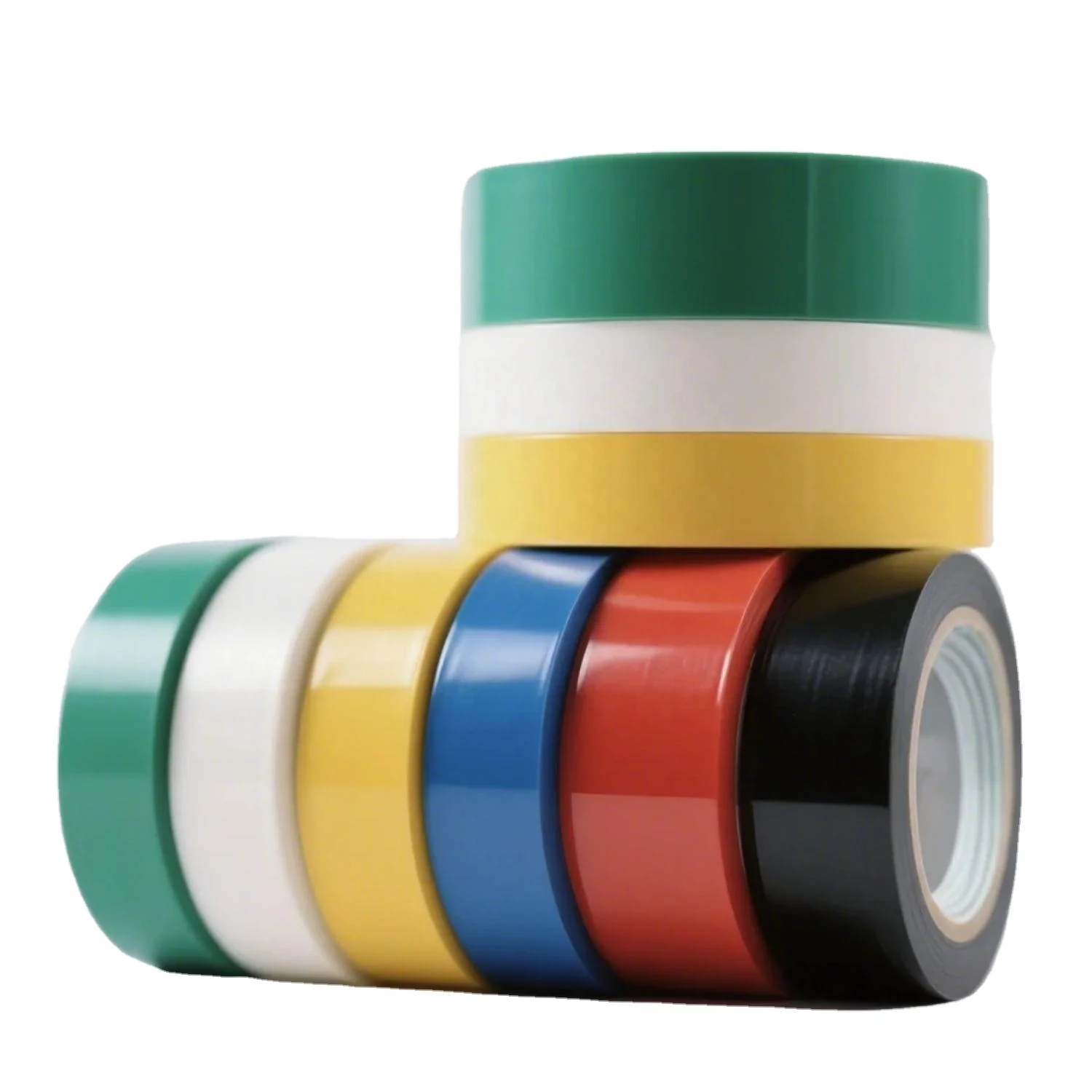
पीवीसी विद्युत विच्छेदन टेप को उच्च वोल्टेज वातावरण और कठिन औद्योगिक परिस्थितियों के लिए विशेष रूप से डिज़ाइन किया गया है। पीवीसी विद्युत विच्छेदन टेप की सामग्री रचना इसे ऊष्मा, नमी और रासायनिक संपर्क के प्रति प्रतिरोधी बनाती है, जो विद्युत स्थापनाओं में सामान्य खतरे हैं। सही ढंग से स्थापित किए जाने पर, पीवीसी विद्युत विच्छेदन टेप एक सीलबंद अवरोध बनाता है जो जीवित चालकों को बाहरी संपर्क से अलग करता है, जिससे शॉर्ट सर्किट और विद्युत आग को रोका जाता है। यह लेख पीवीसी विद्युत विच्छेदन टेप के विशिष्ट सुरक्षा तंत्रों की जांच करता है और यह दर्शाता है कि विद्युत सुरक्षा के लिए यह उद्योग का मानक क्यों बना हुआ है।
पीवीसी विद्युत विच्छेदन टेप के मुख्य सुरक्षा कार्य
विद्युत विच्छेदन और चालक सुरक्षा
पीवीसी विद्युत विलेपन टेप का प्राथमिक सुरक्षा कार्य जीवित चालकों और उनके आसपास की सामग्रियों के बीच पूर्ण विद्युत अलगाव प्रदान करना है। जब इसे उजागर तारों और कनेक्शनों के चारों ओर लपेटा जाता है, तो पीवीसी विद्युत विलेपन टेप एक गैर-चालक अवरोध बनाता है जो खतरनाक वोल्टेज के साथ अनजाने में संपर्क को रोकता है। यह विशेष रूप से उन परिस्थितियों में महत्वपूर्ण है जहाँ कई सर्किट एक-दूसरे के बहुत पास चलते हैं या जहाँ रखरखाव कर्मचारी अनजाने में उजागर वायरिंग को छू सकते हैं। उच्च-गुणवत्ता वाली पीवीसी विद्युत विलेपन टेप तापीय तनाव के तहत भी अपने डाय-इलेक्ट्रिक गुणों को बनाए रखती है, जिससे दीर्घकालिक सुरक्षा सुनिश्चित होती है।
पीवीसी विद्युत विद्युत रोधक टेप कम गुणवत्ता वाले विकल्पों की तुलना में उत्कृष्ट चिपकने की क्षमता प्रदान करता है, जिसका अर्थ है कि यह स्थापना के दौरान और उपकरण के पूरे जीवनकाल के दौरान दृढ़ता से अपने स्थान पर बना रहता है। कमजोर चिपकने से ऐसे अंतराल बनते हैं, जहाँ नमी प्रवेश कर सकती है, जिससे सुरक्षा बाधा कमजोर हो जाती है। उच्च-गुणवत्ता वाले पीवीसी विद्युत रोधक टेप की चिपचिपाहट भी आवश्यक पूर्ण कवरेज के लिए सुरक्षित ओवरलैप आवेदन की अनुमति देती है, विशेष रूप से कनेक्शन बिंदुओं और अनियमित आकृतियों के चारों ओर। पीवीसी विद्युत रोधक टेप के सही लपेटने से दबाव बिंदुओं और खुले टर्मिनल्स को समाप्त कर दिया जाता है, जो चापन (आर्किंग) या विद्युत झटके के खतरे का कारण बन सकते हैं।
पानी और रसायन प्रतिरोध
विद्युत स्थापनाओं को अक्सर आर्द्रता, संघनन या प्रत्यक्ष जल संपर्क के कारण नमी का सामना करना पड़ता है, जो सभी स्थितियाँ जंग लगने की दर को बढ़ाती हैं और विद्युत खतरों का निर्माण करती हैं। पीवीसी विद्युत विद्युत रोधन टेप जल अवशोषण के प्रति प्रतिरोधी होता है और गीले वातावरण में अपने सुरक्षात्मक गुणों को बनाए रखता है, इसलिए इसे बाहरी स्थापनाओं और गीले स्थानों के लिए अनिवार्य किया गया है। पीवीसी विद्युत रोधन टेप की जलरोधी प्रकृति चालक के नीचे नमी पहुँचने से रोकती है, जो अन्यथा विद्युत धारा के लिए एक वैकल्पिक पथ बना देगी और झटके के जोखिम को बढ़ाएगी।
रासायनिक संपर्क औद्योगिक स्थलों पर एक अन्य महत्वपूर्ण खतरा है। PVC विद्युत विद्युत रोधन टेप मशीनरी और उत्पादन उपकरणों के पास आमतौर पर पाए जाने वाले तेल, विलायक और अन्य पदार्थों के संपर्क को सहन कर सकता है। PVC विद्युत रोधन टेप की रासायनिक प्रतिरोधकता सुनिश्चित करती है कि इन पदार्थों के संपर्क में आने पर रोधन परत का क्षरण नहीं होता, जिससे लंबे समय तक निरंतर सुरक्षा प्रदर्शन बना रहता है। यह टिकाऊपन सीधे रूप से महत्वपूर्ण स्थापनाओं में रखरखाव की आवृत्ति और संबंधित अवरोध को कम करता है।
तापमान स्थिरता और आग रोकथाम
ऊष्मा प्रतिरोधकता और तापीय सुरक्षा
विद्युत प्रणालियाँ सामान्य संचालन के दौरान ऊष्मा उत्पन्न करती हैं, और यह तापीय तनाव कमज़ोर विद्युत रोधन सामग्री की संरचनात्मक अखंडता को समाप्त कर सकता है। पीवीसी विद्युत रोधन टेप को विशिष्ट तापमान सीमा के लिए अनुमोदित किया गया है, जो आमतौर पर चालीस डिग्री सेल्सियस ऋणात्मक से अस्सी डिग्री सेल्सियस तक होती है, जिससे यह सामान्य और उच्च संचालन स्थितियों दोनों के तहत अपनी संरचनात्मक अखंडता बनाए रख सकता है। पीवीसी विद्युत रोधन टेप की तापीय स्थिरता इसे पिघलने, दरार पड़ने या चिपकने की क्षमता खोने से रोकती है, जिससे जीवित चालकों का संपर्क जोखिम के लिए उजागर होना रुक जाता है।
अग्नि सुरक्षा उचित विद्युत विलेपन पर बहुत अधिक निर्भर करती है, और पीवीसी विद्युत विलेपन टेप विद्युत चापन को सीमित करके और आसपास की सामग्री के प्रज्वलन को रोककर अग्नि रोकथाम में योगदान देता है। जब अग्नि-दर्जा प्राप्त पीवीसी विद्युत विलेपन टेप का उपयोग किया जाता है, तो यह ज्वाला प्रसार और धुएँ उत्पादन को सीमित करने वाले विशिष्ट ज्वलनशीलता मानकों को पूरा करता है। उच्च-गुणवत्ता वाले पीवीसी विद्युत विलेपन टेप की ज्वाला प्रतिरोधक क्षमता विशेष रूप से सीमित स्थानों, संवृत्त पैनलों और ज्वलनशील सामग्री वाले क्षेत्रों में महत्वपूर्ण होती है। अग्नि-दर्जा रहित निम्न-गुणवत्ता वाले पीवीसी विद्युत विलेपन टेप के उपयोग से आपातकालीन स्थितियों के दौरान अनावश्यक जोखिम उत्पन्न होता है।
वोल्टेज रेटिंग संरेखण
प्रत्येक पीवीसी विद्युत विद्युतरोधन टेप उत्पाद की एक वोल्टेज रेटिंग होती है, जो इसके द्वारा सुरक्षित रूप से सहन किए जा सकने वाले अधिकतम वोल्टेज को दर्शाती है। आपकी विशिष्ट स्थापना के लिए उचित वोल्टेज रेटिंग वाले पीवीसी विद्युत विद्युतरोधन टेप का चयन करना सुरक्षा अनुपालन के लिए आवश्यक है। उच्च-वोल्टेज स्थापनाओं के लिए हज़ारों वोल्ट को सुरक्षित रूप से संरक्षित करने के लिए विशेष रूप से डायइलेक्ट्रिक गुणों के साथ विकसित किए गए मज़बूत पीवीसी विद्युत विद्युतरोधन टेप की आवश्यकता होती है। उच्च-वोल्टेज अनुप्रयोगों में कम रेटिंग वाले पीवीसी विद्युत विद्युतरोधन टेप का उपयोग करने से तुरंत झटका और आग का खतरा पैदा होता है।
कम वोल्टेज अनुप्रयोगों में भी उचित गुणवत्ता वाले पीवीसी विद्युत इन्सुलेशन टेप का उपयोग लाभदायक होता है, क्योंकि घरेलू सर्किट्स को भी झटके और आग के खतरों को रोकने के लिए विश्वसनीय इन्सुलेशन की आवश्यकता होती है। पीवीसी विद्युत इन्सुलेशन टेप की वोल्टेज रेटिंग हमेशा आपकी स्थापना में अधिकतम वोल्टेज से सुरक्षा मार्जिन के साथ अधिक होनी चाहिए, जो आमतौर पर संचालन वोल्टेज से कम से कम पच्चीस प्रतिशत अधिक होती है। यह सावधानीपूर्ण दृष्टिकोण सुनिश्चित करता है कि विद्युत दोषों या बिजली के गिरने के कारण वोल्टेज में अचानक वृद्धि होने पर भी पीवीसी विद्युत इन्सुलेशन टेप अपने प्रदर्शन को बनाए रखे।
स्थापना प्रथाएँ और अनुपालन मानक
उचित अनुप्रयोग तकनीकें
सही स्थापना सीधे पीवीसी विद्युत विद्युत रोधक टेप के विद्युत स्थापनाओं में सुरक्षा बढ़ाने की प्रभावशीलता को निर्धारित करती है। लपेटने की तकनीक में पूर्ण कवरेज सुनिश्चित करने के लिए ओवरलैपिंग परतें होनी चाहिए, ताकि कोई भी उजागर किए गए चालक क्षेत्र न रहे। पीवीसी विद्युत रोधक टेप को प्रत्येक लपेट में पचास प्रतिशत ओवरलैप के साथ हेलिकल पैटर्न में लगाया जाना चाहिए, जिससे कनेक्शन बिंदुओं पर कई सुरक्षात्मक परतें बन जाएँ। कसी हुई, सुसंगत लपेट पीवीसी विद्युत रोधक टेप को कंपन या तापीय चक्र के कारण ढीला होने से रोकती है, जिससे खतरनाक चालक उजागर नहीं हो सकते।
पीवीसी विद्युत इन्सुलेशन टेप लगाने से पहले सतह की तैयारी चिपकने की क्षमता और दीर्घकालिक सुरक्षा को सीधे प्रभावित करती है। चालक की सतह को गंदगी, तेल और ऑक्सीकरण से साफ़ करना सुनिश्चित करता है कि पीवीसी विद्युत इन्सुलेशन टेप की चिपकने वाली सतह तार के साथ मज़बूती से जुड़ जाए। जोड़ से कम से कम एक इंच आगे से लपेटना शुरू करना और प्रत्येक ओर इन्सुलेशन से एक इंच आगे तक कवरेज बढ़ाना एक पूर्ण सुरक्षा बाधा बनाता है। लपेटते समय लगाया गया तनाव मध्यम होना चाहिए—बहुत ढीला होने पर पीवीसी विद्युत इन्सुलेशन टेप फिसल सकता है, और बहुत तेज़ होने पर यह खिंच सकता है और सुरक्षात्मक परत पतली हो सकती है।
उद्योग के अनुसार और मानक
पेशेवर विद्युत स्थापनाओं को सुरक्षा कोड और मानकों का पालन करना आवश्यक है, जो विभिन्न अनुप्रयोगों में उचित पीवीसी विद्युत विद्युत रोधन टेप के उपयोग को निर्दिष्ट करते हैं। यूएल ५१० और आईईसी ६०४५४-३-२ जैसे मानक पीवीसी विद्युत रोधन टेप के लिए प्रदर्शन आवश्यकताओं को परिभाषित करते हैं, जिनमें डाय-इलेक्ट्रिक शक्ति, तापमान प्रतिरोध और चिपकने वाले प्रदर्शन शामिल हैं। मानकों के अनुपालन वाले पीवीसी विद्युत रोधन टेप का उपयोग करने से आपकी स्थापना कानूनी आवश्यकताओं और बीमा कवरेज विनिर्देशों को पूरा करती है। ऐसी सुविधाएँ जो अनुपालन वाले पीवीसी विद्युत रोधन टेप का उपयोग नहीं करती हैं, दंड, दायित्व के अधिकार के संपर्क में आने और दुर्घटना की स्थिति में बीमा अस्वीकृति के जोखिम के अधीन हैं।
विभिन्न अधिकार क्षेत्र और सुविधा प्रकारों के लिए अपनी स्थापनाओं के लिए विशिष्ट ग्रेड के PVC विद्युत इन्सुलेशन टेप की आवश्यकता हो सकती है। चिकित्सा सुविधाएँ, खतरनाक स्थान और महत्वपूर्ण बुनियादी ढांचा सभी में उच्च सुरक्षा आवश्यकताएँ होती हैं जो उच्च-ग्रेड PVC विद्युत इन्सुलेशन टेप की माँग करती हैं। यह सुनिश्चित करना कि आपका चुना हुआ PVC विद्युत इन्सुलेशन टेप आपके विशिष्ट अनुप्रयोग के लिए प्रासंगिक मानकों को पूरा करता है या उससे अधिक है, महंगे पुनर्कार्य और सुरक्षा उल्लंघनों को रोकता है। पेशेवर विद्युत तकनीशियन इन मानकों के बारे में जानकारी बनाए रखते हैं और उचित PVC विद्युत इन्सुलेशन टेप का चयन करते हैं।
अक्सर पूछे जाने वाले प्रश्न
PVC विद्युत इन्सुलेशन टेप अन्य लपेटने वाली सामग्रियों की तुलना में क्यों बेहतर है?
पीवीसी विद्युत विद्युत रोधन टेप कपड़े या कागज़-आधारित विकल्पों की तुलना में उत्कृष्ट रासायनिक प्रतिरोध, जलरोधकता और तापमान स्थिरता प्रदान करता है। उच्च गुणवत्ता वाले पीवीसी विद्युत रोधन टेप के पारद्युत गुण प्रतिस्पर्धी सामग्रियों की तुलना में बेहतर होते हैं, जिससे यह उच्च वोल्टेज अनुप्रयोगों के लिए अधिक सुरक्षित हो जाता है। पीवीसी विद्युत रोधन टेप उन कठिन वातावरणों में भी चिपकाव बनाए रखता है जहाँ अन्य सामग्रियाँ विघटित हो जाती हैं, जिससे उपकरण के पूरे जीवनचक्र के दौरान दीर्घकालिक सुरक्षा सुनिश्चित होती है। ये लाभ पीवीसी विद्युत रोधन टेप को वाणिज्यिक, औद्योगिक और आवासीय विद्युत स्थापनाओं में उद्योग का मानक बना देते हैं।
क्या पीवीसी विद्युत रोधन टेप का उपयोग बाहरी विद्युत स्थापनाओं में किया जा सकता है?
हाँ, पीवीसी विद्युत विद्युत रोधन टेप को विशेष रूप से बाहरी उपयोग के लिए डिज़ाइन किया गया है और यह मौसम, यूवी विकिरण और तापमान परिवर्तन के संपर्क में आने पर अपने सुरक्षात्मक गुणों को बनाए रखता है। पीवीसी विद्युत रोधन टेप के जलरोधी गुण इसे बाहरी जंक्शन बॉक्स, स्प्लाइस कनेक्शन और उजागर वायरिंग के लिए आदर्श बनाते हैं। यूवी-स्थिरीकृत पीवीसी विद्युत रोधन टेप के सूत्र धूप से होने वाले क्षरण का प्रतिरोध करते हैं और ठंडे तापमान में लचीलापन बनाए रखते हैं। हालाँकि, स्थायी बाहरी स्थापनाओं के लिए, कई विशेषज्ञ पीवीसी विद्युत रोधन टेप के साथ कन्ड्यूट या हीट-श्रिंक ट्यूबिंग का उपयोग करने की सिफारिश करते हैं ताकि सुरक्षा बढ़ाई जा सके।
पीवीसी विद्युत रोधन टेप का निरीक्षण या प्रतिस्थापन कितनी बार किया जाना चाहिए?
पीवीसी विद्युत विलेपन टेप का वार्षिक रूप से या तब दृश्य निरीक्षण किया जाना चाहिए जब भी उपकरण की रखरखाव की जाती हो, ताकि सुनिश्चित किया जा सके कि सुरक्षात्मक परत अप्रभावित बनी रहे और उचित रूप से चिपकी रहे। विघटन के लक्षण—जैसे दरारें, उखड़ना या रंग का बदलना—यह इंगित करते हैं कि पीवीसी विद्युत विलेपन टेप को बदल देना चाहिए। उच्च तापमान या रासायनिक रूप से कठिन परिस्थितियों में, निरीक्षण की आवृत्ति छह महीने में एक बार करने के लिए बढ़ा देनी चाहिए। सामान्य परिस्थितियों में अधिकांश गुणवत्तापूर्ण पीवीसी विद्युत विलेपन टेप पाँच से दस वर्षों तक विश्वसनीय रूप से कार्य करती है, हालाँकि कठोर परिस्थितियों में सुरक्षात्मक टेप परत को अधिक बार बदलने की आवश्यकता हो सकती है।