 EN
EN


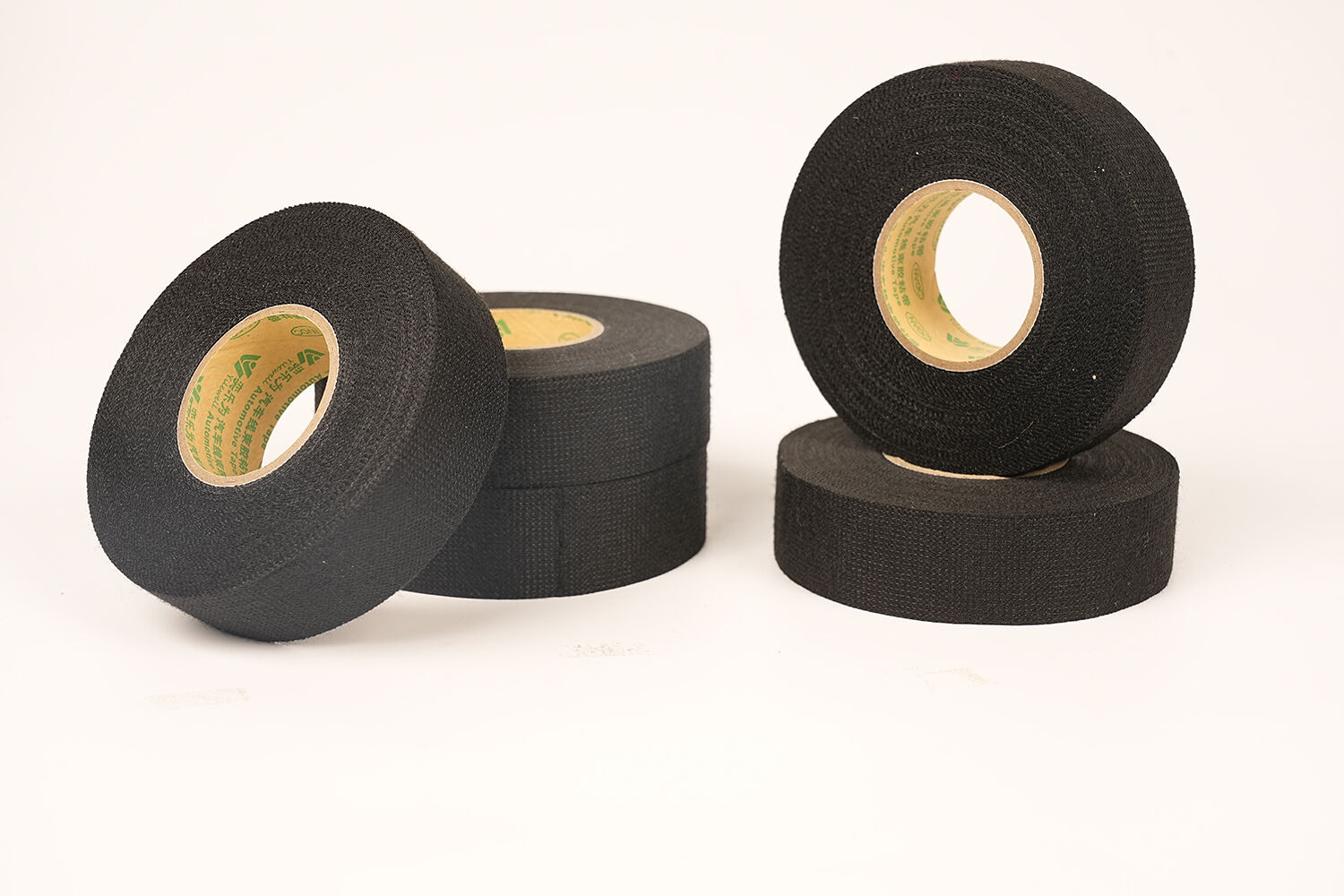
Ավտոմոբիլային արտադրողները առնչվում են ավելի բարդ էլեկտրական համակարգերի մշակման մեջ, քանի որ ժամանակակից մեքենաները ներառում են ավելի բարդ տեխնոլոգիաներ, առաջադեմ անվտանգության հատկանիշներ և բարելավված կապի հնարավորություններ: Այս էլեկտրական համակարգերի հուսալիությունը կախված է լարավորման համակարգի կառուցման մեջ օգտագործվող բաղադրիչների որակից, որտեղ լարավորման համակարգի ստվարաթուղթը կատարում է հիմնարար պաշտպանական դեր: Հասկանալով, թե ինչու են ավտոմոբիլային արտադրողները հատկապես ընտրում բարձրորակ ստվարաթղթերի լուծումներ, բացահայտվում են տեխնիկական պահանջները և աշխատանքային պահանջները, որոնք որոշում են նյութերի ընտրության որոշումները այս ճշգրտության վրա հիմնված արդյունաբերության մեջ:
caրտումը caրգավորված է caրգավորված է caրգավորված է caրգավորված է caրգավորված է caրգավորված է caրգավորված է caրգավորված է caրգավորված է caրգավորված է caրգավորված է caրգավորված է caրգավորված է caրգավորված է caրգավորված է caրգավորված է caրգավորված է caրգավորված է caրգավորված է caրգավորված է caրգավորված է caրգավորված է caրգավորված է caրգավորված է caրգավորված է caրգավորված է caրգավորված է caրգավորված է caրգավորված է caրգավորված է caրգավորված է caրգավորված է caրգավորված է caրգավորված է caրգավորված է caրգավորված է caրգավորված է caրգավորված է caրգավորված է caրգավորված է ...... լարավորման համակարգի ստվարաթուղթը ավտոմեքենաների արտադրողների մոտ գերադասվող որակի նկատմամբ նախընտրությունը պայմանավորված է էլեկտրական համակարգերի աշխատանքի վատացման կրիտիկական անվտանգության և արդյունավետության հետևանքներով: Երբ ավտոմեքենաների կիրառման մեջ ձայնային պաշտպանությունը ձախողվում է, հետևանքները չեն սահմանափակվում պարզապես վերանորոգման ծախսերով, այլ ներառում են հնարավոր անվտանգության վտանգներ, երաշխիքային պահանջներ, վերադարձման իրավիճակներ և բրենդի հեղինակության վնասում: Այս իրականությունը ստիպում է արտադրողներին ստրատեգիական ներդրում համարել ժապավենի որակը՝ այն չդիտելով որպես պարզ ապրանքային բաղադրիչ, ինչը հանգեցնում է նյութի հատկությունների, մատակարարների հնարավորությունների և երկարաժամկետ աշխատանքային բնութագրերի մշակման մանրակրկիտ գնահատման:
Որակի ընտրությունը որոշող տեխնիկական աշխատանքային պահանջներ
Ջերմաստիճանի դիմացկունություն և ջերմային ցիկլերի դիմացկունություն
Ավտոմեքենաների շրջակա միջավայրը ենթարկվում է լարավորման համակարգի ստվարաթուղթը սառնամարտ ջերմաստիճանային տատանումների, զրոյից ցածր ձմեռային պայմաններից մինչև բարձր ջերմաստիճանի շարժիչի խցիկի շահագործում։ Բարձրորակ սկոչը պետք է պահպանի ստիպողական ուժը և նյութի ամբողջականությունը ջերմաստիճանային միջակայքում, որը սովորաբար տատանվում է −40°C-ից մինչև +150°C, իսկ որոշ կիրառումների դեպքում անհրաժեշտ է նույնիսկ ավելի լայն միջակայք։ Օրական շահագործման ընթացքում առաջացող ջերմային ցիկլերը առաջացնում են ընդլայնման և սեղմման լարումներ, որոնք կարող են առաջացնել ցածր որակի սկոչների ճեղքվելը, շերտազատումը կամ ստիպողական ուժի կորուստը ժամանակի ընթացքում։
caրգի լարավորման համակարգի ստվարաթուղթը ներառում է առաջադեմ ստիպողական բաղադրություններ և հիմքի նյութեր, որոնք մշակված են այդ ջերմային լարումներին դիմանալու համար՝ առանց վատացման։ Արտադրողները սկոչի կատարողականությունը գնահատում են արագացված ծերացման փորձարկումների միջոցով, որոնք սեղմված ժամանակահատվածում նմանակում են տարիներ շարունակ ջերմաստիճանային ցիկլերի ազդեցությունը։ Բարձրորակ սկոչի կարողությունը պահպանել համասեռ կատարողականություն այդ ցիկլերի ընթացքում ուղղակիորեն ազդում է էլեկտրական միացումների երկարաժամկետ հուսալիության վրա և նվազեցնում է դաշտային ավարիաների հավանականությունը։
Ջերմադիմացկունության հատկությունները հատկապես կարևորվում են ժամանակակից մեքենաներում, որտեղ էլեկտրական համակարգերը շահագործվում են ջերմության աղբյուրներին ավելի մոտ, քանի որ տեղավորման սահմանափակումների պատճառով: Բարձրորակ լարավորման համակարգի ստվարաթուղթը կանխում է ջերմության պատճառով առաջացած versատները, որոնք կարող են վտանգել մեքենայի կարևորագույն գործառույթները՝ սկսած շարժիչի կառավարման համակարգերից մինչև անվտանգության համար կրիտիկական կիրառումներ, ինչպես օրինակ՝ ավտոմեքենայի անվտանգության բարձրացնող սարքերի (airbag) միացման շղթաները:
Քիմիական և միջավայրային հեռացում
Ավտոմեքենայի շահագործման միջավայրը ենթարկում է լարավորման համակարգի ստվարաթուղթը տարբեր քիմիական նյութերի, հեղուկների և միջավայրային աղտոտիչների, որոնք կարող են վնասել ցածրորակ նյութերը: Բարձրորակ ստվարաթուղթը պետք է դիմացկուն լինի շարժիչի յուղերի, փոխանցման հեղուկների, արգելակման հեղուկների, սառեցման հեղուկների և ավտոմեքենաների շահագործման ընթացքում հաճախ հանդիպող մաքրման քիմիական նյութերի ազդեցությանը: Այլ կողմից, ճանապարհային աղի, խոնավության, ՈՒԼ (UV) ճառագայթման և օզոնի նկատմամբ դիմացկունությունը անհրաժեշտ է մեքենայի շահագործման ամբողջ ժամանակահատվածում պաշտպանության պահպանման համար:
Բարձրորակ լարավորման համակարգի ստվարաթուղթը ենթարկվում է ընդարձակ քիմիական համատեղելիության փորձարկման՝ ապահովելու համար կայուն աշխատանքային ցուցանիշներ ավտոմոբիլային հեղուկների և շրջակա միջավայրի պայմանների ազդեցության դեպքում: Այս փորձարկումը գնահատում է սեղմակի հատկությունների, հետին շերտի նյութի ամբողջականության և ընդհանուր պաշտպանական արդյունավետության փոփոխությունները հատուկ քիմիական նյութերի և շրջակա միջավայրի վրա ազդող գործոնների ազդեցության հետևանքով: Արտադրողները հիմնվում են այս քիմիական դիմացկունության վրա՝ կանխելու համար լարերի մեկուսացման վնասումը, կոռոզիան և էլեկտրական ավարիաները, որոնք կարող են առաջանալ շրջակա միջավայրի ազդեցության հետևանքով:
Քիմիական դիմացկունության տնտեսական հետևանքները տարածվում են ոչ միայն անմիջական պաշտպանության, այլև նվազեցված սպասարկման անհրաժեշտության և երկարացված սպասարկման միջակայքերի վրա: Բարձրորակ լարավորման համակարգի ստվարաթուղթը որը պահպանում է իր պաշտպանական հատկությունները, նվազեցնում է համակարգչային լարավորման փոխարինման կամ վերանորոգման անհրաժեշտությունը մեքենայի շահագործման ընթացքում, նպաստելով ընդհանուր ծախսային արդյունավետությանը և սպառողների բավարարվածությանը:
Արտադրական գործընթացի համատեղելիություն և արտադրության արդյունավետություն
Համասեռ կիրառման հատկություններ
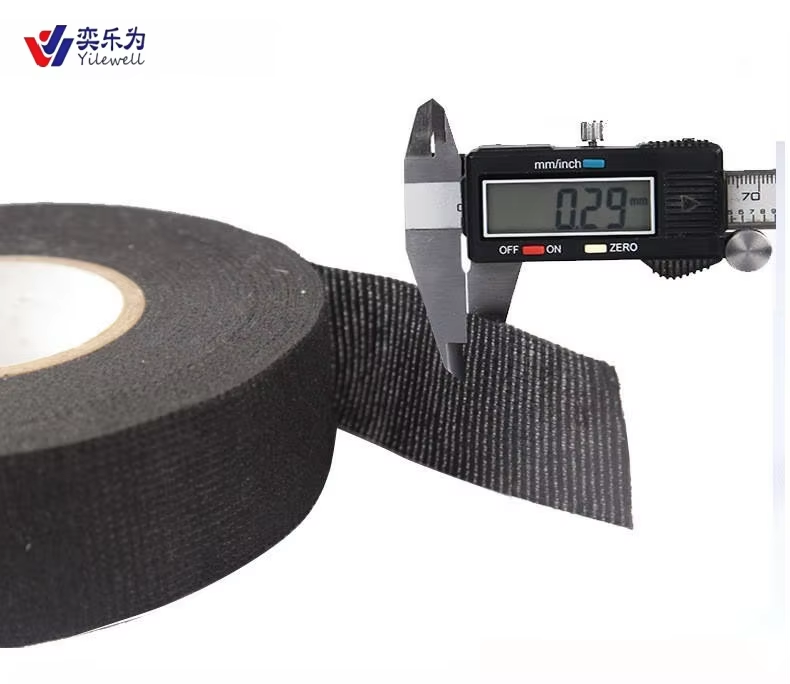
Ավտոմոբիլային արտադրությունը պահանջում է հաստատուն, կանխատեսելի նյութերի վարքագիծ՝ արտադրության արդյունավետությունն ու որակի վերահսկումը պահպանելու համար: Բարձրորակ լարավորման համակարգի ստվարաթուղթը ապահովում է համաչափ հաստություն, սոսնակի հավասարաչափ բաշխում և մեխանիկական հատկություններ, որոնք թույլ են տալիս ավտոմատացված կիրառում գործընթացներ իրականացնել և նվազեցնել վերջնական հավաքված մասերում տատանումները: Անհանգստացնող լարման, ճկունության և կպչունության հատկությունների հաստատունությունը թույլ է տալիս արտադրական սարքավորումներին աշխատել օպտիմալ արագությամբ՝ միաժամանակ պահպանելով որակի ստանդարտները:
Արտադրական գծի արդյունավետությունը մեծապես կախված է լարավորման համակարգի ստվարաթուղթը այն մատերիալներից, որոնք հուսալիորեն են աշխատում արտադրական համալիրներում տարբեր միջավայրային պայմաններում: Ջերմաստիճանի և խոնավության տատանումները կարող են ազդել սոսնակի վարքագծի վրա, սակայն caրգավորված նյութերը պահպանում են հաստատուն կիրառման հատկություններ, որոնք կանխում են արտադրական ընդհատումները, նվազեցնում են թափոնները և նվազեցնում են հավաքման գործընթացների ընթացքում մանրամասն միջամտության անհրաժեշտությունը:
Բարձրորակ նյութերի կանխատեսելի աշխատանքը լարավորման համակարգի ստվարաթուղթը թույլ է տալիս արտադրողներին օպտիմալացնել փաթաթման նմուշները, համակրելու սահմանափակումները և կիրառման տեխնիկան՝ առավելագույն պաշտպանություն ապահովելու համար՝ նյութի նվազագույն օգտագործմամբ: Այս օպտիմալացումը նվազեցնում է նյութի ծախսերը՝ միաժամանակ ապահովելով բավարար պաշտպանություն, ինչը նպաստում է ընդհանուր արտադրական արդյունավետությանը և ծախսերի վերահսկմանը:
Համատեղելիությունը հավաքման գործընթացների հետ
Ժամանակակից ավտոմոբիլային հարմարանքների հավաքումը ներառում է տարբեր ավտոմատացված և կիսաավտոմատացված գործընթացներ, որոնք պահանջում են լարավորման համակարգի ստվարաթուղթը որոշակի մշակման բնութագրերով նյութ: Բարձրորակ սկաճաթաղանը պետք է հարմար լինի տարածման սարքավորումների համար, համապատասխանի բարդ հարմարանքների երկրաչափական ձևերին և պահպանի կպչունությունը հաջորդ հավաքման փուլերում՝ չխաթարելով միացնիչների տեղադրումը կամ մարտկոցների տեղադրման գործընթացները:
caրողությունները և հարմարեցվելու հնարավորությունը caրողությունները և հարմարեցվելու հնարավորությունը բարձրորակ լարավորման համակարգի ստվարաթուղթը թույլ է տալիս այն հարմարվել ավտոմեքենայի հարմարավետ գոտիների բնորոշ բարդ եռաչափ ձևերին՝ առանց պաշտպանության մեջ լարվածության կենտրոնների կամ բացվածքների ստեղծման: Այս հարմարվողականությունը հատկապես կարևոր է այն դեպքերում, երբ գոտիները պետք է ծալվեն խոչընդոտների շուրջ, անցնեն սեղմ տարածքներով կամ հարմարվեն մեքենայի շահագործման ընթացքում առաջացող շարժմանը:
ՈՐԱԿ լարավորման համակարգի ստվարաթուղթը նաև հաշվի է առնում հետագա գործընթացները, օրինակ՝ միացնող մասերի միացումը, որտեղ ժապավենի եզրերը չպետք է խոչընդոտեն միացման գործողություններին կամ ստեղծեն կնքման խնդիրներ: Բարձրորակ ժապավենի մաքուր կտրվելու հատկանիշները և եզրերի կայունությունը աՊՐԱՆՔՆԵՐ կանխում են մանրաթելացումը կամ սոսնակի տեղափոխումը, որոնք կարող են վնասել միացման որակը կամ ստեղծել աղտոտման վտանգ:
Երկարատև հուսալիություն և ծախսերի հետևանքներ
Սպասարկման ժամանակաշրջանի աշխատանքային ցուցանիշներ
Ավտոմեքենաների արտադրողները գնահատում են լարավորման համակարգի ստվարաթուղթը հիմնված նրա կարողության վրա՝ պահպանել պաշտպանիչ հատկությունները մեքենայի սպասվող սպասարկման ժամանակահատվածում, սովորաբար 10-15 տարի կամ ավելի երկար: Բարձրորակ սկարճի պետք է դիմացնի այն ավարտանքի ազդեցություններին, որոնք կարող են վտանգել էլեկտրական համակարգի ամբողջականությունը, ներառյալ ստիկերի մասնակի կորուստը, հիմքի նյութի մեխանիկական կորցնելը և պաշտպանիչ հատկությունների ժամանակի ընթացքում կորուստը:
Երկարատև սպասարկման ժամանակահատվածի փորձարկումները ցույց են տալիս, թե ինչպես են տարբեր լարավորման համակարգի ստվարաթուղթը բաղադրությունները արձագանքում երկարատև ազդեցությանը ավտոմոբիլային շահագործման պայմանների նկատմամբ: caրգավոր նյութերը ցուցադրում են կայուն աշխատանքային հատկություններ երկար ժամանակահատվածում, մինչդեռ ցածր որակի այլընտրանքները կարող են ցուցադրել նկատելի ավարտանք, որը կարող է հանգեցնել վաղաժամկետ վնասվածքների և ավելի մեծ երաշխիքային ծախսերի:
Սկարճի սկզբնական որակի և երկարաժամկետ հուսալիության միջև առնչությունը ուղղակիորեն ազդում է ընդհանուր սեփականացման ծախսերի հաշվարկների վրա: Չնայած բարձրորակ լարավորման համակարգի ստվարաթուղթը կարող է ներառել բարձր սկզբնական նյութական ծախսեր, սակայն դաշտային վթարումների, երաշխիքային պահանջների և սպասարկման միջամտությունների հավանականության նվազեցումը սովորաբար ապահովում է ավտոմեքենայի շահագործման ամբողջ ժամանակահատվածում գերազանցող տնտեսական արժեք:
Երաշխիքային և պատասխանատվության հարցեր
Ավտոմոբիլային արտադրողները ստիպված են հաշվի առնել նյութերի ընտրության երաշխիքային հետևանքները, մասնավորապես՝ այն բաղադրիչների դեպքում, որոնք կարող են ազդել մեքենայի անվտանգության կամ հուսալիության վրա: Ապացուցված, բարձրորակ լարավորման համակարգի ստվարաթուղթը նվազեցնում է էլեկտրական համակարգերի վթարման ռիսկը, որոնք կարող են առաջացնել երաշխիքային պահանջներ, վերադարձումներ կամ անվտանգության կրիտիկական համակարգերի հետ կապված պատասխանատվության հարցեր:
Ավտոմոբիլային արտադրության մեջ որակի վերաբերյալ փաստաթղթերի և հետագծելիության պահանջները նախընտրում են լարավորման համակարգի ստվարաթուղթը մատակարարներին, որոնք կարող են ապահովել լիարժեք նյութային սերտիֆիկատներ, փորձարկումների տվյալներ և լոտերի հետագծման հնարավորություններ: Այս փաստաթղթերը անհրաժեշտ են դաշտային խնդիրների հետաքննության և նյութերի ընտրության ու որակի վերահսկման գործընթացներում պարտադիր միջոցների կատարման ցուցադրման համար:
Համապատասխան համբավն ու նախորդ փորձը լարավորման համակարգի ստվարաթուղթը մատակարարները կարևոր դեր են խաղում արտադրողների ընտրության որոշումներում: Հաստատված մատակարարները, որոնք ունեն ապացուցված փորձ ավտոմոբիլային արդյունաբերության ոլորտում, ապահովում են վստահություն նյութերի համասեռության, տեխնիկական աջակցության հնարավորությունների և երկարաժամկետ մատակարարման հավաստիության վերաբերյալ, ինչը օգնում է արտադրողներին իրականացնել ռիսկերի կառավարման իրենց նպատակները:
Որակի ստանդարտներ և սերտիֆիկացման պահանջներ
Ավտոմոբիլային արդյունաբերության ստանդարտների համապատասխանություն
Ավտոմոբիլային կիրառումները պահանջում են լարավորման համակարգի ստվարաթուղթը որը համապատասխանում է կոնկրետ արդյունաբերության ստանդարտների և սերտիֆիկացման պահանջների՝ ապահովելու համար տարբեր արտադրողների և կիրառումների համար մշտական որակի և արդյունքների համապատասխանությունը: ASTM, UL և ավտոմոբիլային ոլորտին հատուկ պահանջների նման ստանդարտները սահմանում են բացատրված հատկությունների նվազագույն արդյունքների չափանիշներ, ինչպես օրինակ՝ կրակային դիմացկունություն, ջերմաստիճանային դասակարգում և էլեկտրական հատկություններ:
Ավտոմոբիլային ստանդարտներին համապատասխանելը արտադրողներին վստահություն է տալիս նրանում, որ ընտրված լարավորման համակարգի ստվարաթուղթը կատարելու է հուսալիորեն նախատեսված կիրառումներում և համապատասխանելու է մեքենայի էլեկտրական համակարգերի վերաբերյալ կարգավորողական պահանջներին: Այս ստանդարտները նաև հեշտացնում են մատակարարների որակավորման գործընթացները և տրամադրում են օբյեկտիվ չափանիշներ տարբեր ժապավենների տարբերակները համեմատելու համար նյութերի ընտրության ընթացքում:
Սերտիֆիկացման և փորձարկման ենթակառուցվածքը, որը անհրաժեշտ է վավերացման համար լարավորման համակարգի ստվարաթուղթը ավտոմոբիլային ստանդարտներին համապատասխան կատարումը ներկայացնում է կարևոր ներդրում, որը տարբերակում է որակյալ մատակարարներին ապրանքային արտադրողներից: Փորձարկման հնարավորությունների և որակի համակարգերի մեջ կատարված այս ներդրումը ապահովում է արտադրողների համար նյութի հաստատուն հատկությունների և շարունակական կատարումների վերահսկման երաշխիք:
Մատակարարային շղթայի հուսալիություն և աջակցություն
Ավտոմոբիլային արտադրությունը պահանջում է հուսալի մատակարարային շղթայի գործընկերներ, որոնք կարող են ապահովել հաստատուն լարավորման համակարգի ստվարաթուղթը առաքում, տեխնիկական աջակցություն և արձագանքող սպասարկում ամբողջ արտադրանքի կյանքի ցիկլի ընթացքում: Որակյալ մատակարարները ներդրում են արտադրական հնարավորություններում, ապահովագրական պաշարների կառավարման մեջ և տեխնիկական ռեսուրսներում, որոնք աջակցում են ավտոմոբիլային արտադրության գրաֆիկներին և որակի պահանջներին:
caրգի մատակարարների տեխնիկական աջակցության հնարավորությունները ներառում են լարավորման համակարգի ստվարաթուղթը կիրառական ճարտարագիտական աջակցություն, հատուկ արտադրանքի մշակում և խնդիրների լուծման աջակցություն, որոնք օգնում են արտադրողներին օպտիմալացնել իրենց հարմարավետ միացումների (harness) նախագծերն ու հավաքման գործընթացները: Այս տեխնիկական գործընկերության մոտեցումը արժեք է ավելացնում հիմնարար նյութային մատակարարման հարաբերությունից դուրս:
Երկարաժամկետ մատակարարային հարաբերությունները որակյալ լարավորման համակարգի ստվարաթուղթը մատակարարների հետ ապահովում են կայունություն ավտոմոբիլային արտադրողների համար, որոնք ստիպված են տարիներ առաջ պլանավորել արտադրությունը և պահպանել համապատասխան նյութային սպեցիֆիկացիաները մոդելների կյանքի ցիկլերի ընթացքում: Բարձր որակի մատակարարների հավաստիությունն ու կայունությունը աջակցում են արտադրողների պլանավորման գործընթացներին և նվազեցնում են մատակարարային շղթայի ռիսկերը:
Հաճախադեպ տրվող հարցեր
Ինչն է ավտոմեքենայի լարային համակարգի սալիկը տարբերում ընդհանուր նշանակության սալիկից:
Ավտոմեքենայի լարային համակարգի սալիկը մշակված է մեքենայի էլեկտրական համակարգերի խիստ պահանջներին համապատասխանելու համար, ներառյալ բացառիկ ջերմաստիճանային դիմացկունությունը, ավտոմեքենայի հեղուկների հետ քիմիական համատեղելիությունը, կրակադիմացկունությունը և երկարատև տևողականությունը: Ընդհանուր նշանակության սալիկներից տարբերվելով՝ ավտոմեքենայի սալիկները ենթարկվում են ավտոմեքենայի արդյունաբերության ստանդարտներին համապատասխան խիստ փորձարկումների և պետք է պահպանեն իրենց շահագործման բնութագրերը 10–15 տարվա ընթացքում՝ ծանր շահագործման պայմաններում:
Ինչպե՞ս են արտադրողները գնահատում լարային համակարգի սալիկի որակը ընտրության ժամանակ:
Արտադրողները գնահատում են լարային համակարգի ժապավենները՝ իրականացնելով համապարփակ փորձարկումներ, որոնք գնահատում են ջերմաստիճանային ցիկլերի կատարումը, քիմիական դիմացկունությունը, սոսնձի միացման ուժի պահպանումը, բոցի դիմացկունությունը և երկարատև ծերացման բնութագրերը: Փորձարկումները սովորաբար ներառում են արագացված ծերացման ուսումնասիրություններ, շրջակա միջավայրի ազդեցության փորձարկումներ և համատեղելիության գնահատում հատուկ ավտոմոբիլային հեղուկների և նյութերի հետ: Մատակարարի սերտիֆիկացիան, որակի համակարգի աուդիտները և ավտոմոբիլային կիրառումներում ունեցած համապատասխան փորձառությունը նույնպես ներառվում են ընտրության որոշումների մեջ:
Ինչու՞ է ջերմաստիճանի դիմացկունությունը այսքան կարևոր ավտոմոբիլային լարային համակարգի ժապավենների համար:
Ավտոմոբիլային միջավայրերում լարերի ամրացման ժապավենը ենթարկվում է -40°C-ից մինչև +150°C կամ ավելի բարձր ջերմաստիճանային ծայրահեղ տատանումների, որոնք ուղեկցվում են արագ ջերմային ցիկլով ամենօրյա շահագործման ընթացքում: Ջերմաստիճանային դիմադրությունը կանխում է ժապավենի քայքայումը, սոսնձի քայքայումը և նյութի ճաքերը, որոնք կարող են վտանգել լարերի պաշտպանությունը և հանգեցնել էլեկտրական համակարգի խափանումների: Այս ջերմաստիճանային միջակայքերում պաշտպանիչ հատկությունները պահպանելու ունակությունը կարևոր է տրանսպորտային միջոցի հուսալի շահագործումն ապահովելու և անվտանգության հետ կապված խնդիրները կանխելու համար:
Ի՞նչ դեր է խաղում սարքավորումների միացման ժապավենի որակը ավտոմոբիլային երաշխիքային հարցերում:
Բարձրորակ լարավորման ժապավենը նվազեցնում է էլեկտրական համակարգի աշխատանքի վարակվելու ռիսկը, որը կարող է առաջացնել երաշխիքային պահանջներ, վերադարձեր կամ անվտանգության հետ կապված պատասխանատվության խնդիրներ: Ապացուցված երկարաժամկետ աշխատանքային ցուցանիշներ ունեցող caրևոր ժապավենի նյութերը օգնում են արտադրողներին խուսափել թանկարժեք դաշտային ավարիաներից և պահպանել իրենց հուսալիության հետ կապված հեղինակությունը: Որակյալ ժապավենի սկզբնական ներդրումը սովորաբար տնտեսապես ավելի շահավետ է՝ նվազեցված երաշխիքային ծախսերի և մեքենայի շահագործման ամբողջ ժամանակահատվածում ավելի բարձր հաճախորդների բավարարվածության շնորհիվ:
Բովանդակության ցուցակ
- Որակի ընտրությունը որոշող տեխնիկական աշխատանքային պահանջներ
- Արտադրական գործընթացի համատեղելիություն և արտադրության արդյունավետություն
- Երկարատև հուսալիություն և ծախսերի հետևանքներ
- Որակի ստանդարտներ և սերտիֆիկացման պահանջներ
-
Հաճախադեպ տրվող հարցեր
- Ինչն է ավտոմեքենայի լարային համակարգի սալիկը տարբերում ընդհանուր նշանակության սալիկից:
- Ինչպե՞ս են արտադրողները գնահատում լարային համակարգի սալիկի որակը ընտրության ժամանակ:
- Ինչու՞ է ջերմաստիճանի դիմացկունությունը այսքան կարևոր ավտոմոբիլային լարային համակարգի ժապավենների համար:
- Ի՞նչ դեր է խաղում սարքավորումների միացման ժապավենի որակը ավտոմոբիլային երաշխիքային հարցերում: