 EN
EN


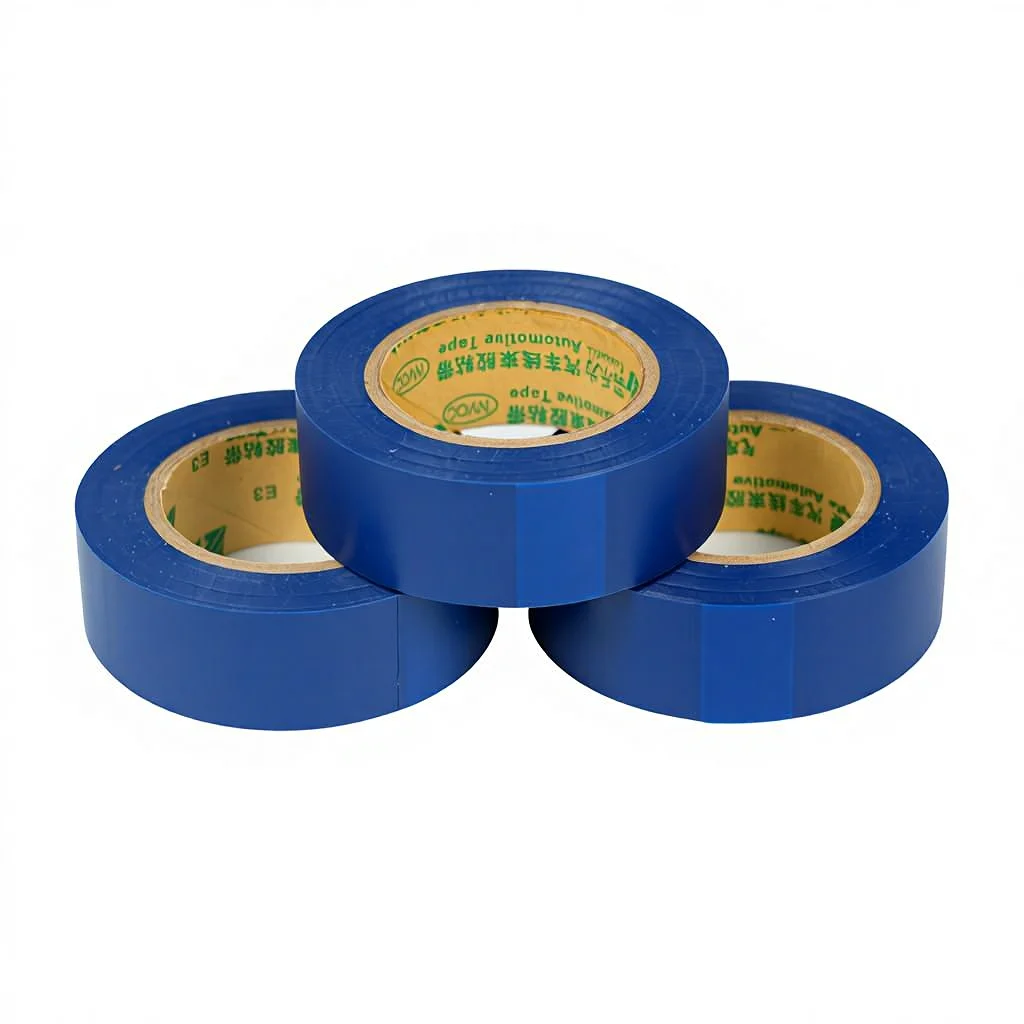
Yüksek gerilim sistemlerinde elektriksel güvenlik, yalıtım malzemelerine dikkatli bir şekilde odaklanmayı gerektirir ve PVC elektrik bant ruloları endüstrinin çeşitli alanlarında profesyoneller için temel bir çözüm olarak ortaya çıkmıştır. Bu özel bantlar, zorlu ortamlarda operasyonel güvenilirliği korurken elektriksel tehlikelere karşı kritik koruma sağlar. PVC elektrik bantlarının temel özellikleri ve uygulamaları hakkında bilgi sahibi olmak, mühendislerin ve teknisyenlerin elektrik yalıtım gereksinimleriyle ilgili bilinçli kararlar almasını sağlar. Yüksek gerilim sistemleriyle çalışırken doğru yalıtımın önemi yadsınamaz; çünkü en küçük bir arıza bile felaket sonuçlara yol açabilir.
PVC Elektrik Bantlarının Temel Özellikleri
Dielektrik Dayanımı ve Gerilim Direnci
PVC elektrik bandı rulolarının dielektrik dayanımı, elektriksel gerilime bozulmadan dayanma yeteneklerini ifade eder ve bu nedenle yüksek gerilim uygulamaları için vazgeçilmez hale gelir. Kaliteli PVC formülasyonları, genellikle kalınlığın her milinde binlerce volta kadar dayanabilen olağanüstü gerilim direnci gösterir. Bu özellik, elektrik akımının belirlenen yollar içinde kalmasını sağlayarak tehlikeli ark oluşumunu veya kısa devreleri önler. Modern üretim süreçleri, hassas polimer kompozisyonu ve kontrollü kür işlemiyle dielektrik özellikleri artırır.
Sıcaklık kararlılığı, PVC elektrik bantlarının zorlu ortamlardaki güvenilirliğini daha da artırır. Bu bantlar, endüstriyel ortamlarda yaygın olarak karşılaşılan donma altı koşullardan yüksek işletme sıcaklıklarına kadar geniş bir sıcaklık aralığında yalıtım özelliklerini korur. PVC’nin moleküler yapısı, termal bozulmaya direnç gösteren doğal bir kararlılık sağlar ve böylece tesisin kullanım ömrü boyunca tutarlı bir performans sunulmasını sağlar.
Mekanik Dayanıklılık ve Esneklik
Fiziksel dayanıklılık, düşük kaliteli alternatiflerden ayırt edici özellik olarak premium PVC elektrik bantlarını öne çıkarır; özellikle mekanik stres veya titreşim içeren uygulamalarda bu özellik belirgindir. Elastomerik özellikler, bandın düzensiz yüzeylere uyum sağlamasını ve alt tabaka ile sürekli sıkı temas halinde kalmasını sağlar. Bu uyum yeteneği, karmaşık geometrilerin yalıtılması veya farklı iletken çapları arasında geçiş yapılması gibi durumlarda hayati öneme sahiptir. Yırtılmaya karşı direnç ve çekme mukavemeti, bandın montaj sırasında ya da sonrasında yapılan işlemler sırasında mekanik başarısızlığa uğramasını önler.
Yapıştırıcı performansı, yüksek gerilim sistemlerinde PVC elektrik bantlarının uzun vadeli güvenilirliğini önemli ölçüde etkiler. Gelişmiş yapıştırıcı formülasyonları, zaman içinde bozulmaya dirençli mükemmel yaşlanma özelliklerine sahip agresif ilk yapışkanlığı bir araya getirir. Yapıştırıcı sistemi, hemen uygulandığında güçlü yapışma sağlarken aynı zamanda bandın gerektiğinde kalıntısız ve alt yüzeyi hasar görmeyecek şekilde çıkarılabilmesini de sağlamalıdır.
Üretim Standartları ve Kalite Denetimi
Sektörel Uygunluk ve Sertifikasyon
PVC elektrik bantları üreten saygın üreticiler, elektrik yalıtım malzemelerini düzenleyen katı uluslararası standartlara uyarlar. Bu standartlar, dielektrik dayanımı, alev direnci ve çevresel dayanıklılık açısından minimum performans gereksinimlerini belirtir. UL, CSA ve IEC gibi standartlara uyum sağlamak, bantların belirli gerilim sınıfları ve uygulama çevre koşulları için belirlenmiş güvenlik kriterlerini karşıladığını garanti eder. Düzenli olarak gerçekleştirilen bağımsız üçüncü parti testleri, bu kritik güvenlik standartlarına sürekli uygunluğun doğrulanmasını sağlar.
Kalite kontrol önlemleri, PVC elektrik bandı rulolarının her birinde tutarlı performans özelliklerini sağlamak amacıyla üretim süreci boyunca sürekli olarak uygulanır. İstatistiksel süreç kontrolü, kalınlık düzgünlüğü, yapıştırıcı dağılımı ve dielektrik özellikleri gibi temel parametreleri izler. Parti test protokolleri, her üretim partisinin pazarlanmadan önce belirtim gereksinimlerini karşıladığını doğrular. Bu sistematik kalite yönetimi yaklaşımı, kritik uygulamalarda PVC elektrik bandı rulolarının güvenilirliği konusunda güven sağlar.
Malzeme Bilimi ve Formülasyon
PVC elektrik bandı rulolarının temelinde yatan polimer kimyası, çoklu performans gereksinimlerini dengeleyen karmaşık bir formülasyon bilimidir. Temel reçine seçimi, esneklik, kimyasal direnç ve termal kararlılık gibi temel özellikleri etkiler. Plastikleştirici sistemleri, elektriksel performansı korurken mekanik özelliklerini değiştirir. Stabilizatör paketleri, kullanım sırasında ısı, UV ışınları ve oksidatif stres nedeniyle meydana gelen bozulmaya karşı koruma sağlar.
Katkı maddesi teknolojisi, fonksiyonel malzemelerin dikkatlice kontrol edilen bir şekilde eklenmesiyle PVC elektrik bandı rulolarının belirli performans özelliklerini geliştirir. Alev geciktirici sistemler, yanıcılığı azaltarak ve alev yayılımını sınırlayarak güvenliği artırır. Renklendirici sistemler, elektriksel özellikleri korurken görsel tanımlama sağlar. Antistatik katkı maddeleri, hassas uygulamalarda yalıtım etkinliğini tehlikeye atabilecek yük birikimini önler.
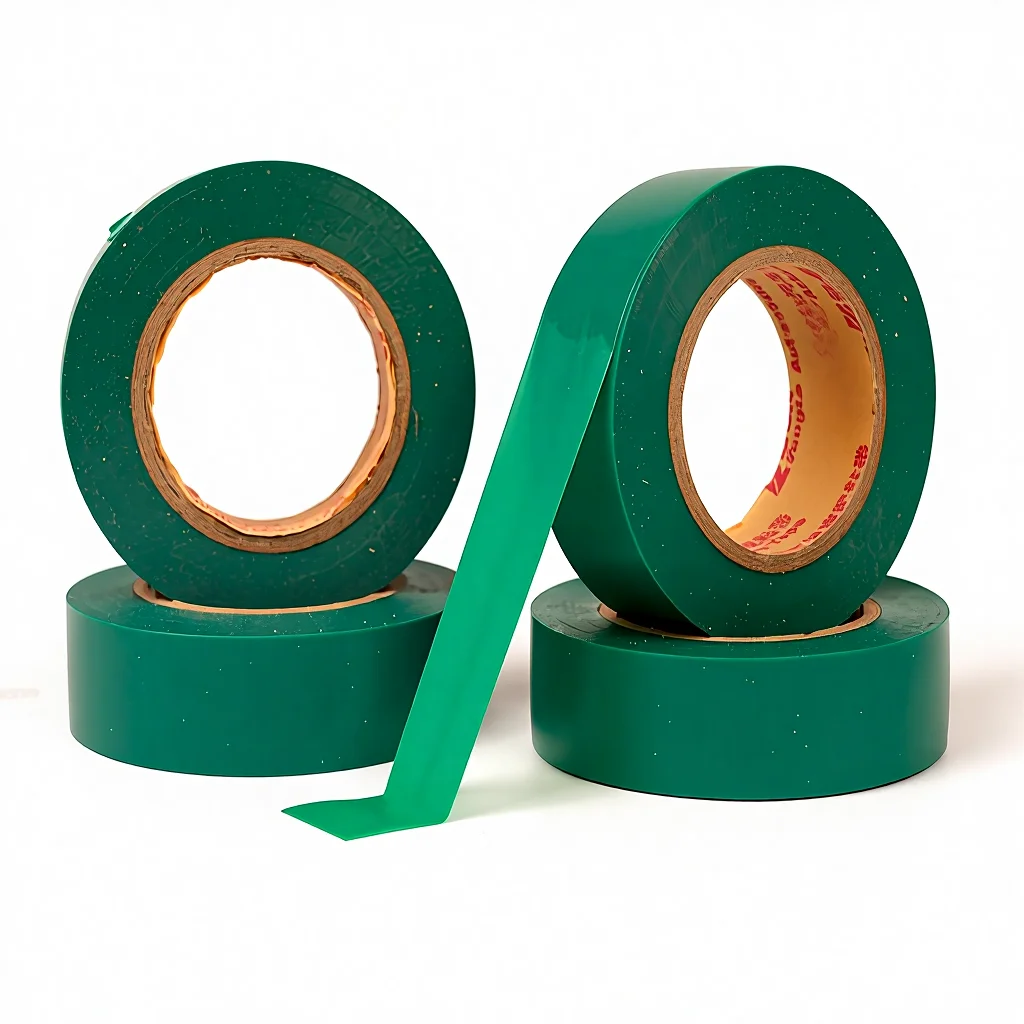
Yüksek Gerilim Uygulamaları ve Montaj Teknikleri
Güç dağıtım sistemleri
Güç dağıtım ağları, farklı gerilim seviyelerinde bağlantı yalıtımı ve sonlandırma koruması için PVC elektrik bant rulolarına büyük ölçüde dayanır. Orta gerilim uygulamalarında, güvenilir uzun süreli performansı sağlamak amacıyla bant seçimi ve uygulama tekniklerine dikkatli bir şekilde odaklanmak gerekir. Çok katmanlı sarma tekniği, yalıtım arızasına karşı yedek koruma sağlarken aynı zamanda elektriksel gerilimi eşit şekilde dağıtır. Yalıtım sisteminin nihai güvenilirliği üzerinde yüzey hazırlığı ile montaj sırasında ortam koşullarının doğru şekilde sağlanması önemli ölçüde etkilidir.
Elektrik dağıtım şirketleri, dış ortamların benzersiz zorluklarını ele alan PVC elektrik bant ruloları için özel kurulum prosedürleri geliştirmiştir. Nem girişi, elektrik yalıtımına ciddi bir tehdit oluşturur ve bu nedenle sızdırmazlık tekniklerine ve buhar bariyeri özelliklerine dikkatli bir şekilde odaklanmak gerekir. Bant sistemi, yalıtım bütünlüğünü tehlikeye atabilecek boşluklar veya delaminasyon oluşmadan ısı döngülerine uyum sağlayabilmelidir. Sahada edinilen deneyim, farklı gerilim sınıfları için belirli sarma desenlerini ve örtüşme gereksinimlerini doğrulamıştır.
Endüstriyel Motor ve Jeneratör Uygulamaları
Döner makineler, PVC elektrik bant rulolarının özel tasarım özellikleriyle ele aldıkları yalıtım sistemleri için benzersiz zorluklar oluşturur. Elektriksel, termal ve mekanik gerilmelerin bir araya gelmesi, yalıtım malzemelerinden olağanüstü dayanıklılık gerektirir. Oluk astarı uygulamaları, uygun açıklıkları korurken yeterli yalıtım sağlayabilmek için kesin kalınlık kontrolü ister. Bant, endüstriyel ortamlarda yaygın olarak karşılaşılan yağlayıcı yağlar ve soğutma sıvılarının etkilerine dayanabilmelidir.
Motor ve jeneratör sargıları için bakım prosedürleri, genellikle mevcut izolasyonun PVC elektrik bant ruloları kullanılarak değiştirilmesini veya güçlendirilmesini içerir. Mevcut malzemelerle uyumluluk, bozulmayı hızlandırabilecek olumsuz etkileşimleri önler. Uygun seçim kriterleri, çalışma sıcaklığı, gerilim sınıfı ve çevresel maruziyet koşullarını dikkate alır. Eğitim programları, bakım personelinin doğru montaj tekniklerinin kritik önemini anlamasını sağlar.
Çevresel Performans ve Uzun Ömür
Hava Direnci ve Dış Ortam Dayanıklılığı
Dış ortam uygulamaları, PVC elektrik bant rulolarını UV radyasyonu, aşırı sıcaklık değerleri ve nem maruziyeti gibi şiddetli çevresel streslere tabi tutar. Gelişmiş UV stabilizatör sistemleri, mekanik ve elektriksel özelliklerini tehlikeye atabilecek polimer matrisin fotodegradasyonundan korur. Formülasyon, maliyeti veya karmaşıklığı önemli ölçüde artırmadan UV direnci ile diğer performans gereksinimleri arasında denge kurmalıdır.
Hidrolitik kararlılık, PVC elektrik bandı rulolarının yüksek nem koşullarında veya doğrudan su temasında bile özelliklerini korumasını sağlar. Yapıştırıcı sistemi, su girişi bağ dayanımını ve elektriksel performansı ciddi şekilde bozabileceğinden nem direnci açısından özel dikkat gerektirir. Hızlandırılmış yaşlandırma testleri, izolasyon sisteminin uzun vadeli performansını doğrulamak için çevresel etkilere ilişkin on yıllarca süren maruziyeti taklit eder.
Kimyasal Direnç ve Uyumluluk
Endüstriyel ortamlar, PVC elektrik bandı rulolarını izolasyon özelliklerini potansiyel olarak bozabilecek çeşitli kimyasallara maruz bırakır. Asitlere, bazlara, çözücülere ve yağlara direnç, kullanılan özel PVC formülasyonuna ve katkı maddelerine bağlı olarak önemli ölçüde değişir. Uyumluluk testleri, bandın uygulama ortamında karşılaşılabilecek temizleme çözücülerine, yağlayıcılara veya süreç kimyasallarına olumsuz yönde etki göstermeyeceğini garanti eder.
Malzeme uyumluluğu, kimyasal dirençten daha öteye geçer ve karmaşık sistemlerde diğer yalıtım malzemeleriyle olan etkileşimleri de içerir. Bant, bitişik malzemelerde gerilme çatlamasına veya plastikleştirici göçüne neden olmamalıdır. Kapsamlı test protokolleri, uzun vadeli uyumluluğu tahmin etmek için hızlandırılmış koşullar altında olası etkileşimleri değerlendirir. Bu sistematik yaklaşım, öngörülemeyen malzeme etkileşimlerinden kaynaklanabilecek saha arızalarını önler.
Montaj İçin En İyi Uygulamalar ve Güvenlik Hususları
Uygun Uygulama Teknikleri
PVC elektrik bandı rulolarının başarılı bir şekilde kurulması, optimal performans ve güvenliği sağlamak için temel uygulama ilkelerine dikkat edilmesini gerektirir. Yüzey hazırlığı, yapışmayı engelleyebilecek veya gerilme yoğunlaşım noktaları oluşturabilecek kirleri giderir. Uygulama sırasında alt tabaka sıcaklığı, yapıştırıcının akış özelliklerini ve nihai bağlanma dayanımını etkiler. Sarma işlemi sırasında doğru gerilim uygulanması, bandın veya alttaki iletkenlerin aşırı gerilmesine neden olmadan tam temasın sağlanmasını sağlar.
Kurulum sırasında ortam koşulları, PVC elektrik bandı rulolarının hizmetteki performansını önemli ölçüde etkiler. Yüksek nem, yapıştırıcı bağlanmasını engelleyebilir; düşük sıcaklıklar ise bandın esnekliğini ve uyumunu azaltabilir. Güvenilir uzun vadeli performansı sağlamak için kurulum prosedürleri bu faktörleri dikkate almalıdır. Kurulum sırasında yapılan kalite kontrol kontrolleri, doğru örtüşme, gerilim ve yüzey temasını doğrular.
Güvenlik Protokolleri ve Risk Yönetimi
Yüksek gerilim sistemleriyle çalışmak, personeli elektriksel tehlikelere karşı koruyan güvenlik protokollerine sıkı bir şekilde uymayı gerektirir. Uygun kilitleme/etiketleme prosedürleri, PVC elektrik bandı rulolarıyla çalışmaya başlamadan önce sistemlerin enerjisizleştirildiğinden emin olur. Kişisel koruyucu ekipman gereksinimleri, gerilim seviyesine ve belirli çalışma ortamına bağlı olarak değişir. Eğitim programları, belirlenmiş güvenlik prosedürlerine uyulmasının kritik önemini vurgular.
Risk değerlendirmesi prosedürleri, yalıtım çalışmaları ile ilişkili potansiyel tehlikeleri tanımlar ve uygun azaltma stratejilerini belirler. PVC elektrik bandı rulolarının seçilmesi, yalnızca teknik performans gereksinimlerini değil, aynı zamanda kurulum sürecinin güvenlik sonuçlarını da dikkate almalıdır. Kurulum prosedürlerinin dokümantasyonu, izlenebilirlik sağlar ve yalıtım sistemi için bakım planlamasını destekler.
Sıkça Sorulan Sorular
PVC elektrik bandı ruloları için hangi gerilim derecelendirmeleri mevcuttur?
PVC elektrik bant ruloları, düşük gerilim uygulamalarından orta gerilim sistemlerine kadar değişen çeşitli gerilim derecelendirmelerinde mevcuttur. Standart derecelendirmeler, özel formülasyona ve kalınlığa bağlı olarak 600 V, 1000 V ve daha yüksek gerilim sınıflarını içerir. Gerilim derecelendirmesi, belirtilen test koşulları ve montaj uygulamaları altında güvenle çalışılabilecek maksimum gerilimi yansıtır.
Sıcaklık uç değerleri PVC elektrik bant rulolarının performansını nasıl etkiler?
Sıcaklık uç değerleri, PVC elektrik bant rulolarının hem mekanik özellikleri hem de elektriksel performansı üzerinde önemli ölçüde etki yaratabilir. Yüksek sıcaklıklar bantta yumuşama ve çekme dayanımında azalmaya neden olabilirken, düşük sıcaklıklar bantta kırılganlık oluşmasına ve işlem kolaylığının azalmasına yol açabilir. Kaliteli bantlar, belirtilen sıcaklık aralığında kabul edilebilir bir performans koruyacak şekilde formüle edilmiştir.
PVC elektrik bant rulolarının tipik raf ömrü nedir?
PVC elektrik bandı rulolarının raf ömrü, uygun koşullarda saklandığında genellikle iki ile beş yıl arasındadır. Saklama sıcaklığı, nem oranı ve UV ışığına maruziyet, yapıştırıcının ve bant alt tabakasının yaşlanma hızını önemli ölçüde etkiler. Doğrudan güneş ışığından uzak, serin ve kuru ortamlarda doğru şekilde saklanmak ürünün kullanım ömrünü maksimize eder.
PVC elektrik bandı ruloları kalıcı tesisatlarda kullanılabilir mi?
PVC elektrik bandı ruloları, üretici tarafından belirtilen teknik özelliklere uygun olarak doğru şekilde seçildiğinde ve uygulandığında kalıcı tesisatlarda kullanılabilir. Tesisatın dayanıklılığı, çevresel koşullara, gerilim stresine ve mekanik faktörlere bağlıdır. Kritik uygulamalarda sürekli güvenilirliğin sağlanması için düzenli denetim ve bakım gerekebilir.