 EN
EN


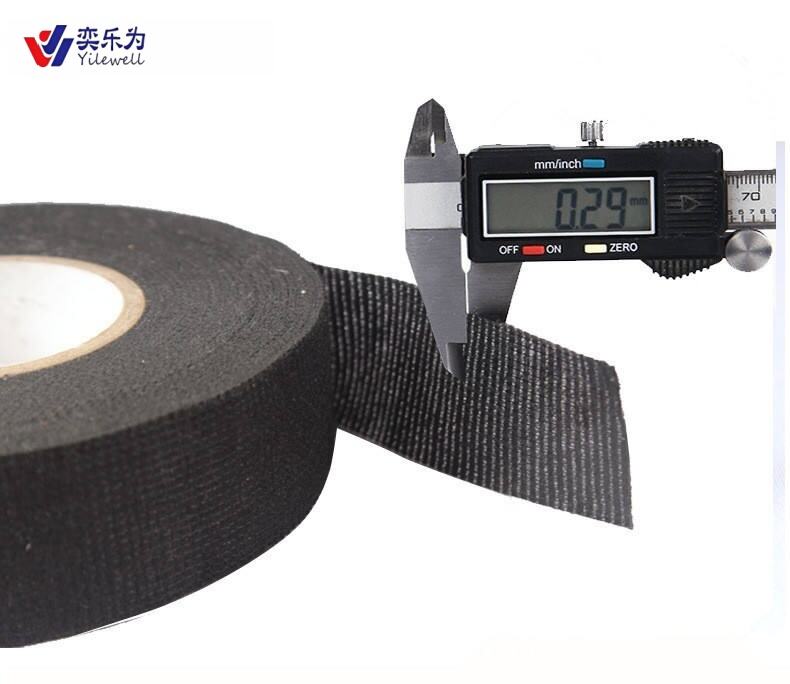
Yes, automotive wiring harness tape can significantly reduce assembly errors in factories when properly implemented in production workflows. Manufacturing facilities that integrate high-quality automotive wiring harness tape into their assembly processes report measurable reductions in rework rates, quality control failures, and downstream electrical issues. The tape serves as both a protective barrier and a visual organization tool that helps assembly workers maintain consistency and accuracy throughout the production cycle.
The effectiveness of automotive wiring harness tape in reducing assembly errors depends on several critical factors including tape material properties, application methodology, and workforce training protocols. Modern automotive manufacturing demands precision at every stage, and even minor assembly inconsistencies can cascade into costly recalls or warranty claims. Understanding how specialized tape solutions integrate with existing quality control systems provides manufacturers with actionable strategies for improving production reliability and maintaining competitive advantage in demanding automotive markets.
How Automotive Wiring Harness Tape Prevents Common Assembly Mistakes
Visual Organization and Wire Identification
Automotive wiring harness tape creates distinct visual boundaries that help assembly technicians identify wire groups and routing patterns without confusion. In complex harness assemblies containing dozens or hundreds of individual wires, the tape serves as a color-coded organizational system that prevents cross-connections and mis-routing errors. Production workers can quickly distinguish between different circuit groups when automotive wiring harness tape is applied consistently according to established color conventions and wrapping patterns.
The tape also provides tactile feedback that allows workers to verify proper wire bundling without visual inspection in tight spaces or awkward mounting positions. This physical confirmation reduces the likelihood of loose connections or improperly secured wire runs that could lead to intermittent electrical faults. Assembly technicians report improved confidence and faster completion times when automotive wiring harness tape is integrated into standardized work instructions and quality checkpoints.
Protection Against Physical Damage During Assembly
Manufacturing environments expose wire harnesses to multiple sources of physical stress including sharp edges, vibration, compression, and abrasion from tooling and fixtures. Automotive wiring harness tape acts as a protective barrier that maintains wire integrity throughout the assembly process, preventing insulation damage that could create short circuits or ground faults. The tape's tensile strength and conformability ensure that wire bundles remain properly protected even when subjected to typical handling forces during installation.
Quality control data from automotive manufacturing facilities demonstrates that proper tape application reduces wire damage incidents by significant margins compared to unprotected harness assemblies. The protective function of automotive wiring harness tape becomes especially critical in high-volume production environments where assembly speed must be balanced against quality requirements. Manufacturers who implement comprehensive taping protocols report fewer quality escapes and reduced warranty costs related to electrical system failures.
Key Properties That Enable Error Reduction
Adhesive Performance and Reliability
The adhesive system in automotive wiring harness tape must maintain consistent bonding strength across varying environmental conditions including temperature fluctuations, humidity changes, and exposure to manufacturing chemicals. High-performance adhesives ensure that tape remains securely positioned throughout assembly operations without shifting or unwinding, which could expose wires to damage or create confusion about wire routing. Reliable adhesion prevents the need for retaping operations that introduce opportunities for assembly errors and production delays.
Advanced automotive wiring harness tape formulations incorporate pressure-sensitive adhesives that provide immediate bonding without requiring heat activation or curing time. This characteristic enables assembly workers to apply tape and immediately proceed with subsequent operations without waiting periods that could disrupt production flow. The adhesive must also resist contamination from oils, cleaning solvents, and other chemicals commonly present in automotive manufacturing environments.
Flexibility and Conformability
Automotive wiring harness tape must conform to irregular shapes and tight bend radii without creating stress concentrations that could damage wire insulation or connector housings. The tape's flexibility allows it to follow complex routing paths while maintaining consistent coverage and protection. Conformable tape materials ensure that wire bundles can be routed through mounting brackets, clips, and protective conduits without binding or excessive force that might compromise electrical connections.
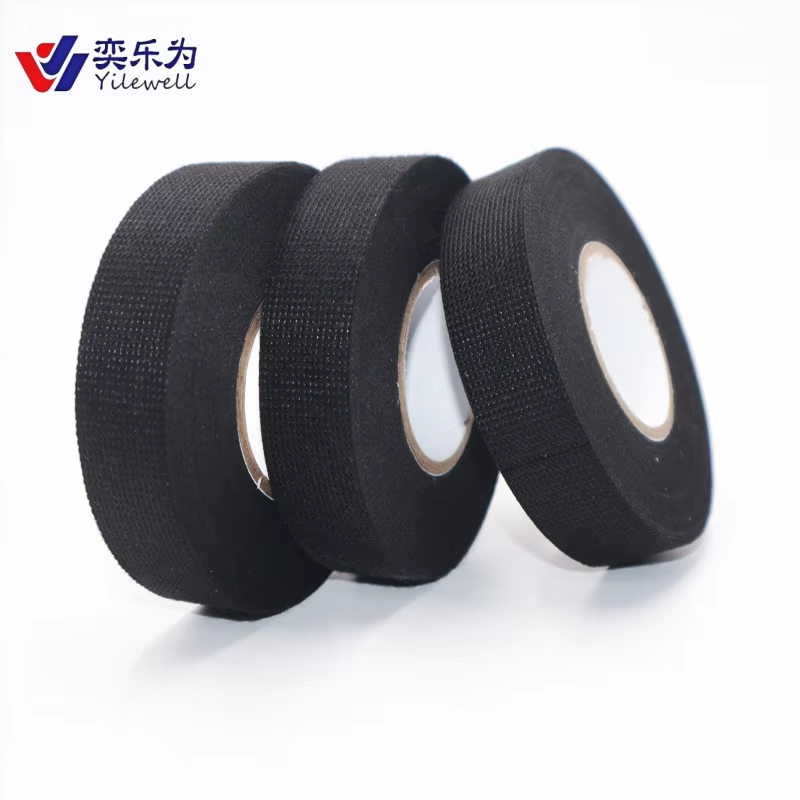
Temperature stability becomes critical when automotive wiring harness tape must perform across the wide temperature ranges encountered in vehicle operation and manufacturing processes. The tape material must retain its flexibility and protective properties from cold assembly environments through high-temperature engine compartment conditions. Manufacturers specify temperature ratings that ensure consistent performance throughout the expected service life of the wire harness assembly.
Implementation Strategies for Maximum Error Reduction
Standardized Application Procedures
Effective error reduction requires clear, documented procedures for automotive wiring harness tape application that eliminate variability between different assembly workers and production shifts. Standardized work instructions should specify tape selection criteria, application techniques, overlap requirements, and quality verification checkpoints. Visual aids including photographs and diagrams help ensure consistent interpretation of taping requirements across diverse production teams and facility locations.
Training programs must address both the technical aspects of automotive wiring harness tape application and the quality implications of improper installation. Assembly workers need to understand how tape positioning affects wire protection, harness flexibility, and overall system reliability. Regular refresher training and competency assessments help maintain consistency as production volumes change and new workers join assembly teams.
Integration with Quality Control Systems
Quality control checkpoints should specifically verify automotive wiring harness tape application as part of broader harness inspection protocols. Inspection criteria must address tape coverage completeness, adhesion quality, and conformance to specified routing patterns. Digital documentation systems can capture tape application status and link it to individual harness serial numbers for traceability throughout the production and service lifecycle.
Statistical process control methods can track tape-related quality metrics including application time, rework frequency, and downstream failure rates. This data enables continuous improvement initiatives that optimize automotive wiring harness tape selection and application procedures based on actual production performance. Manufacturers who implement comprehensive quality systems report sustained improvements in assembly consistency and reduced customer warranty claims.
Measuring the Impact on Assembly Quality
Quantifiable Error Reduction Metrics
Manufacturers can measure the effectiveness of automotive wiring harness tape implementation through several key performance indicators including first-pass yield rates, rework frequencies, and quality control rejection percentages. Baseline measurements taken before tape implementation provide reference points for evaluating improvement magnitudes. Data collection systems should track both immediate assembly quality metrics and longer-term field performance indicators to capture the full impact of improved harness protection.
Cost analysis should include both direct savings from reduced rework and indirect benefits from improved production flow and reduced quality control overhead. Manufacturers typically observe payback periods measured in months rather than years when automotive wiring harness tape is properly integrated into existing assembly processes. Return on investment calculations should account for reduced warranty costs and improved customer satisfaction ratings related to electrical system reliability.
Long-term Performance Validation
Field performance data provides the ultimate validation of automotive wiring harness tape effectiveness in reducing assembly errors that could manifest as service issues. Warranty claim analysis can identify trends in electrical system failures and correlate them with specific production periods or assembly practices. Manufacturers who maintain detailed production records can trace quality improvements back to specific process changes including enhanced tape application protocols.
Accelerated testing programs can simulate the effects of automotive wiring harness tape on harness durability under controlled laboratory conditions. Environmental chambers, vibration tables, and thermal cycling equipment provide controlled stress environments that reveal potential failure modes before they occur in customer vehicles. Testing results validate the protective benefits of proper tape application and guide ongoing improvement initiatives in manufacturing processes.
FAQ
How much can automotive wiring harness tape reduce assembly error rates?
Properly implemented automotive wiring harness tape can reduce assembly error rates by 15-30% compared to unprotected harness assemblies, with specific improvements varying based on harness complexity, production volume, and worker training quality. Manufacturers typically observe the greatest improvements in wire damage prevention and routing consistency.
What training is required for assembly workers to use automotive wiring harness tape effectively?
Effective training programs for automotive wiring harness tape application require 2-4 hours of initial instruction covering material properties, application techniques, quality standards, and troubleshooting procedures. Ongoing competency assessments every 6-12 months help maintain consistency as production requirements evolve.
Can automotive wiring harness tape be integrated with existing quality control systems?
Yes, automotive wiring harness tape application can be fully integrated with existing quality control systems through documented inspection checkpoints, statistical process control tracking, and digital documentation systems. Integration typically requires minimal modifications to existing quality procedures while providing measurable improvements in assembly consistency.
What are the most common mistakes when implementing automotive wiring harness tape in production?
Common implementation mistakes include inadequate worker training, inconsistent application procedures, insufficient quality control verification, and failure to select appropriate tape specifications for specific environmental conditions. Successful implementations require comprehensive planning and ongoing management attention to maintain effectiveness.
Table of Contents
- How Automotive Wiring Harness Tape Prevents Common Assembly Mistakes
- Key Properties That Enable Error Reduction
- Implementation Strategies for Maximum Error Reduction
- Measuring the Impact on Assembly Quality
-
FAQ
- How much can automotive wiring harness tape reduce assembly error rates?
- What training is required for assembly workers to use automotive wiring harness tape effectively?
- Can automotive wiring harness tape be integrated with existing quality control systems?
- What are the most common mistakes when implementing automotive wiring harness tape in production?