 EN


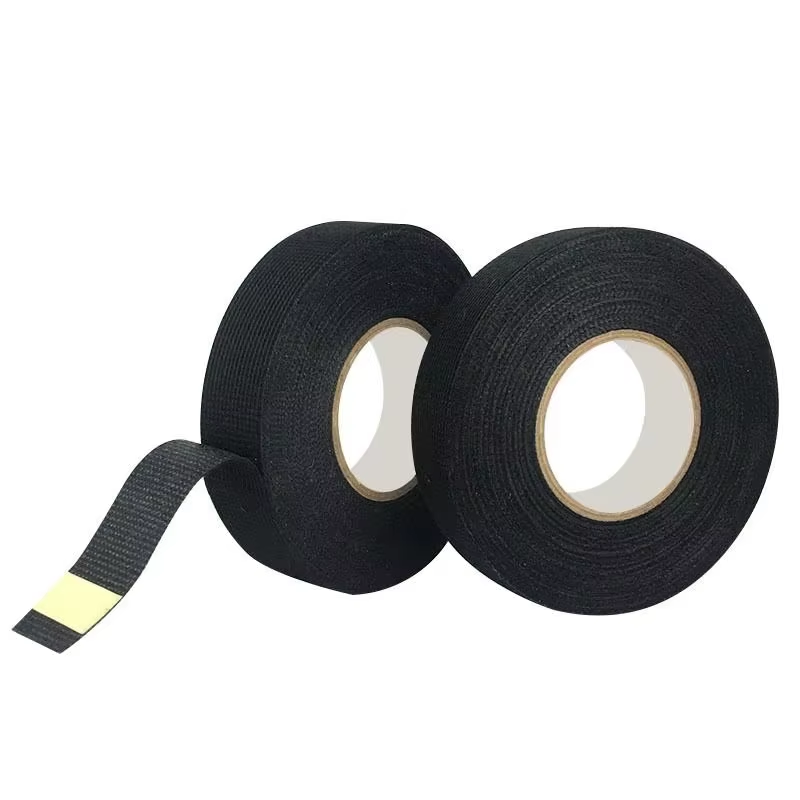
Electrical tape for cars serves as a critical protective barrier for automotive wiring systems, safeguarding them from environmental hazards that could compromise performance and safety. Whether exposed under the hood, along the chassis, or within engine compartments, vehicle wiring faces constant threats from extreme temperatures, moisture infiltration, and corrosive elements that naturally degrade unprotected conductors. Understanding how electrical tape for cars delivers comprehensive protection across these three major threat categories helps technicians, mechanics, and vehicle owners make informed decisions about maintenance and repair strategies.
Modern automotive electrical systems demand specialized protection that goes beyond basic insulation, and electrical tape for cars is specifically engineered to meet these demanding requirements. The unique formulation of automotive-grade electrical tape for cars combines multi-layer construction, heat-resistant adhesives, and weather-resistant backing materials to create a durable shield that maintains integrity through years of harsh driving conditions and environmental exposure.
How Electrical Tape for Cars Protects Against Heat Damage
Heat Resistance and Temperature Range Performance
Heat represents one of the most significant threats to automotive wiring, as engine compartments regularly reach temperatures exceeding 200 degrees Fahrenheit during normal operation. Electrical tape for cars is manufactured with thermally stable materials that resist degradation at high temperatures, maintaining structural integrity and adhesive strength even when exposed to sustained heat cycles. Quality electrical tape for cars formulations include synthetic rubber compounds and specialized adhesives engineered to remain pliable and protective rather than becoming brittle or separating from conductors.
The superior thermal performance of electrical tape for cars prevents the brittle cracking and peeling that occurs with standard electrical tape in automotive applications. When electrical tape for cars is properly applied to wiring near exhaust manifolds, alternators, or turbochargers, it creates a reliable thermal barrier that maintains electrical conductivity while protecting the wire insulation from direct heat exposure. This heat protection extends the operational lifespan of wiring harnesses by preventing insulation breakdown that could lead to short circuits or electrical fires.
Temperature Cycling and Adhesive Stability
Automotive wiring undergoes repeated temperature cycling as engines heat and cool throughout daily driving, and these thermal fluctuations demand exceptional adhesive stability from electrical tape for cars. Premium electrical tape for cars products feature pressure-sensitive adhesives that maintain consistent bonding across the entire temperature range from freezing winter conditions to extreme summer engine heat. This temperature-cycling resilience ensures that electrical tape for cars stays firmly adhered to wiring without separating or creating gaps where moisture and contaminants could penetrate.
Moisture and Corrosion Protection Mechanisms
Waterproof Barriers and Sealant Properties
Moisture infiltration represents a primary cause of electrical degradation in automotive systems, and electrical tape for cars is specifically designed with waterproof backing materials that prevent water absorption and condensation penetration. The synthetic backing of electrical tape for cars creates a hydrophobic seal around wiring conductors, preventing moisture from reaching the wire insulation or creating conductive paths that could cause corrosion and electrical failure. This waterproof characteristic of electrical tape for cars is particularly critical in high-moisture environments such as engine compartments, undercarriage locations, and areas exposed to road salt spray.
The multi-layer construction of electrical tape for cars includes an outer moisture barrier that sheds water while maintaining flexibility and conformability to irregular wiring shapes and connector configurations. When applied correctly, electrical tape for cars forms a sealed wrap that prevents water pooling and maintains continuous protection even in areas subject to direct water spray from rain or car washing. This moisture defense mechanism of electrical tape for cars significantly reduces the risk of corrosion initiation and extension on exposed copper conductors and terminal connections.
Corrosion Resistance and Chemical Stability
Corrosion develops when moisture combines with oxygen and reactive metals in wiring and connectors, creating an electrochemical process that degrades electrical conductivity and creates high-resistance joints. Electrical tape for cars provides a chemical barrier that isolates wiring from road salt, mineral deposits, and atmospheric contaminants that accelerate corrosion progression. The inert polymer composition of electrical tape for cars resists interaction with acidic residues and alkaline road treatments, maintaining its protective properties throughout the vehicle's operational lifespan.
The corrosion resistance provided by electrical tape for cars is enhanced by its ability to maintain consistent contact with the entire wire circumference, preventing microenvironments where corrosive oxidation could initiate under the tape surface. Unlike bare or partially protected wiring, conductors wrapped with quality electrical tape for cars experience dramatically reduced corrosion progression because the external environment cannot directly access the copper surface. This comprehensive protection mechanism of electrical tape for cars is essential in vehicles operating in salt-spray coastal regions or areas using aggressive road-treatment chemicals during winter maintenance.
Application Techniques and Installation Best Practices
Proper Wrapping Methods for Optimal Protection
The effectiveness of electrical tape for cars depends significantly on proper application technique, as loose or incomplete wrapping compromises heat dissipation and allows moisture penetration through gaps and overlaps. Correct installation of electrical tape for cars involves helical wrapping with 50 percent overlap between successive turns, creating a sealed barrier with no exposed wire segments or thin coverage areas. Technicians applying electrical tape for cars must maintain consistent tension during wrapping to ensure the adhesive makes full contact with the wire surface and overlapping tape layers bond securely to each other.
Temperature conditioning is critical before installing electrical tape for cars, as applying tape to cold wires reduces adhesive flow and prevents optimal bonding that ensures long-term protection and heat stability. Professional installation of electrical tape for cars includes allowing wrapped sections to cure at ambient temperature for several hours before subjecting them to thermal cycling or mechanical stress. Starting the wrapping of electrical tape for cars at a splice junction and extending coverage uniformly prevents vulnerable exposed areas where corrosion and moisture could initiate degradation.
Coverage Areas and Strategic Placement Decisions
Identifying which wiring segments require electrical tape for cars protection is essential for efficient maintenance and cost-effective protection of critical circuits. Priority coverage areas for electrical tape for cars include splice connections where multiple wires join, sections routed near heat sources like engines and radiators, and exposed segments crossing undercarriage areas susceptible to road contamination. Strategic placement of electrical tape for cars focuses on segments where heat exposure, moisture accumulation, or salt spray contact is highest, maximizing protection efficiency where threats are most severe.
Secondary coverage of electrical tape for cars extends to connector terminals, wire insulation damage sites, and any locations where original factory insulation shows wear or deterioration from age and environmental exposure. Comprehensive protection using electrical tape for cars across all vulnerable wiring segments prevents cascading failures where single weak points trigger broader electrical system degradation. This systematic approach to electrical tape for cars application ensures that all wiring experiencing significant heat, moisture, or corrosion risk receives adequate protection for extended operational reliability.
FAQ
Does electrical tape for cars prevent all moisture-related electrical failures?
While electrical tape for cars provides significant moisture barrier protection, it works most effectively as part of a comprehensive maintenance strategy that includes regular inspection, connector cleaning, and proper storage in dry conditions. Electrical tape for cars cannot prevent water intrusion if applied over wet or corroded surfaces or if pre-existing damage already allows moisture penetration to conductors. The protection offered by electrical tape for cars is optimized when applied to clean, dry wiring as preventive maintenance before corrosion initiates, rather than as a remedial solution after damage occurs.
How long does electrical tape for cars protection typically last?
High-quality electrical tape for cars typically maintains protective integrity for five to ten years under normal automotive operating conditions, though this timeline varies based on climate extremes, heat exposure intensity, and application technique quality. Electrical tape for cars in harsh coastal environments with salt spray or in vehicles operated in extreme temperature ranges may require replacement or supplemental protection within three to five years. Regular inspection of electrical tape for cars durability helps identify degradation signs such as adhesive loss, cracking, or separation, triggering timely reapplication to maintain continuous protection.
Can electrical tape for cars be applied over existing damaged insulation?
Applying electrical tape for cars directly over significantly damaged or deteriorated insulation provides temporary surface coverage but does not restore the electrical safety properties of compromised wire segments and may trap moisture underneath. Best practice with electrical tape for cars involves cleaning damaged areas thoroughly, removing oxidation and corrosion, and allowing complete drying before tape application to ensure effective adhesive contact and sealed protection. For wiring with extensive insulation damage, replacement rather than electrical tape for cars repair is often the safer and more reliable solution, particularly in safety-critical circuits.