 EN
EN


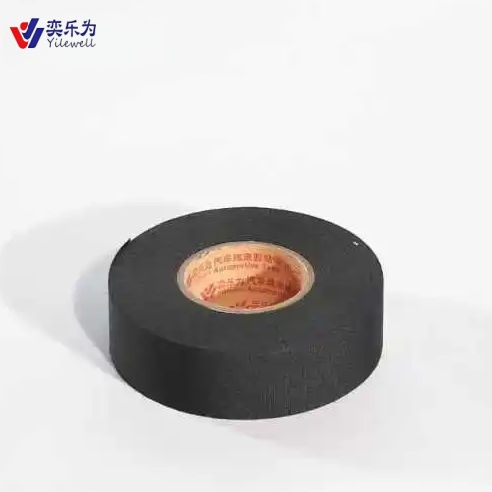
Vinyl electrical tape is a critical component in automotive electrical systems, serving as the primary defense against corrosion, moisture, and electrical hazards in vehicle wiring. Whether you're working with complex engine bay harnesses or battery terminals, the reliability of your electrical connections directly depends on the quality and proper application of vinyl electrical tape. Understanding how vinyl electrical tape protects connections helps technicians, mechanics, and vehicle owners make informed decisions about maintenance and repairs that keep vehicles running safely and efficiently.
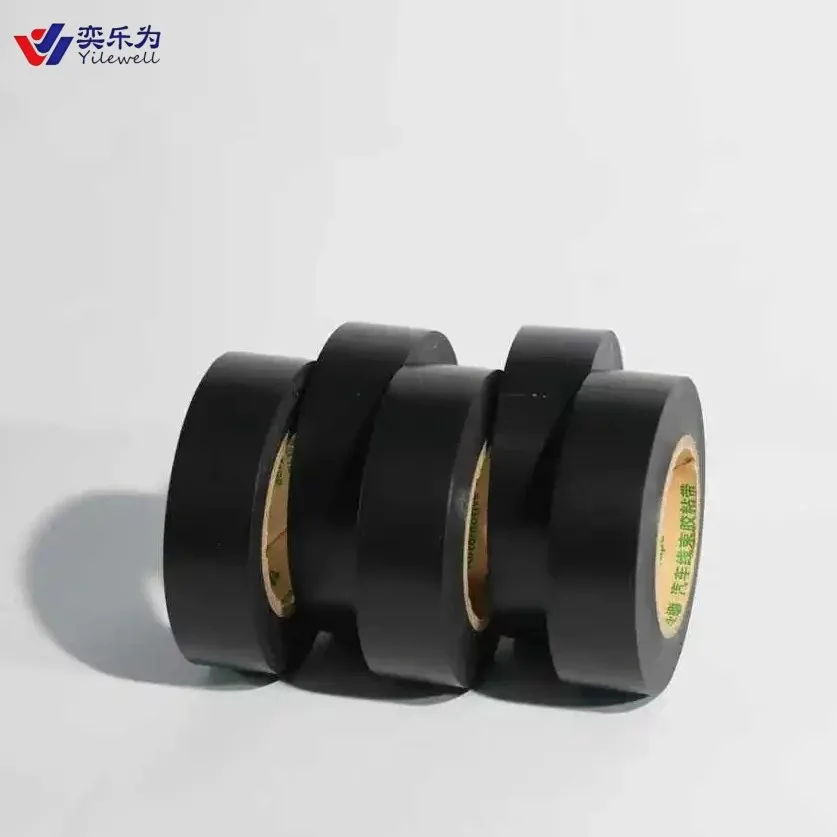
Modern vehicles contain dozens of electrical connections that face constant exposure to heat, vibration, moisture, and chemical contaminants. Vinyl electrical tape provides a protective barrier that prevents these environmental stressors from compromising wire insulation or creating short circuits. The performance of vinyl electrical tape in vehicles depends on several interconnected factors including adhesive strength, temperature resistance, flexibility, and long-term durability under harsh automotive conditions.
The Insulation Function of Vinyl Electrical Tape
Barrier Protection and Moisture Resistance
Vinyl electrical tape creates a waterproof seal around electrical connections, preventing moisture from penetrating wire insulation or corroding metal terminals. In vehicles, water intrusion represents one of the most common causes of electrical failures, particularly in areas near wheel wells, door seals, and underbody components. When you apply vinyl electrical tape correctly around spliced connections, crimped terminals, or soldered joints, you establish a moisture barrier that maintains electrical integrity even during heavy rain, car washes, or extended periods of humidity. The adhesive backing on quality vinyl electrical tape adheres tightly to wire surfaces, eliminating air pockets where moisture could accumulate and degrade the connection over time.
Electrical Insulation and Safety Standards
Vinyl electrical tape provides essential electrical insulation that prevents accidental contact between live conductors and conductive vehicle components. The dielectric strength of vinyl electrical tape determines its ability to withstand electrical voltage without allowing current to pass through the tape material itself. In automotive applications, vinyl electrical tape must meet minimum voltage ratings appropriate for the circuit it protects—typically 600 volts for standard vehicle wiring. Proper wrapping of connections with vinyl electrical tape ensures that technicians, mechanics, and vehicle owners remain protected from electrical shock hazards when working near or touching the taped connection points.
Temperature and Environmental Durability
Heat Resistance in Engine Compartments
Engine compartments expose electrical connections to extreme temperature fluctuations ranging from below freezing in winter to over 200 degrees Fahrenheit near the engine block. Vinyl electrical tape designed for automotive use must maintain its adhesive properties and physical integrity across this full temperature range without becoming brittle, cracking, or loosening from connections. Premium vinyl electrical tape incorporates specialized polymers and adhesive formulations that resist heat-induced degradation, ensuring that wrapped connections remain secure and protective throughout the vehicle's operational life. When vinyl electrical tape fails due to heat exposure, wrapped connections become vulnerable to oxidation, corrosion, and eventual electrical failure that can leave drivers stranded.
UV and Chemical Resistance
Vehicles experience prolonged exposure to ultraviolet radiation, road salt, oil residues, and various chemical compounds that attack standard adhesive tape materials. High-quality vinyl electrical tape resists UV degradation, maintaining its structural integrity and adhesive strength even after years of outdoor exposure. The chemical resistance of vinyl electrical tape prevents deterioration from contact with motor oil, coolant, brake fluid, and salt spray that accumulates on undercarriage components. This environmental durability ensures that vinyl electrical tape protecting critical connections continues functioning reliably throughout the vehicle's service life without requiring frequent replacement or maintenance.
Application Best Practices for Reliable Connections
Proper Wrapping Technique and Coverage
Applying vinyl electrical tape correctly requires overlapping successive wraps by approximately fifty percent and extending coverage at least one inch beyond the splice or connection point on each side. Technicians must wrap vinyl electrical tape under moderate tension to ensure firm adhesion without stretching the material excessively, which can reduce its protective effectiveness. Each layer of vinyl electrical tape should completely cover underlying wires or connection points, preventing any exposed conductor from remaining visible. Inadequate coverage or gaps in vinyl electrical tape wrapping create access points for moisture and contaminants that compromise the protective barrier and reduce connection reliability over time.
Compatibility with Wire Materials and Connectors
Vinyl electrical tape must remain compatible with copper wiring, aluminum conductors, plastic connector bodies, and rubber wire insulation found throughout automotive electrical systems. Certain adhesive formulations can chemically interact with specific materials, causing degradation or loss of adhesive strength over extended periods. Quality vinyl electrical tape maintains neutral chemical compatibility with all standard automotive materials, preventing reactions that might weaken connections or degrade protective barriers. When selecting vinyl electrical tape for critical connections, technicians should verify compatibility with specific wire gauges, terminal materials, and environmental conditions present at each connection location within the vehicle.
FAQ
Why is vinyl electrical tape specifically chosen for vehicle electrical connections rather than other tape types?
Vinyl electrical tape offers the optimal combination of electrical insulation, temperature resistance, adhesive strength, and environmental durability required for automotive applications. Unlike cloth tape or general-purpose adhesive tape, vinyl electrical tape provides superior moisture resistance and maintains performance across the extreme temperature ranges experienced in vehicle compartments. The vinyl polymer backbone resists UV degradation, chemical attack, and mechanical stress better than alternative materials, making it the industry standard for protecting automotive electrical connections.
How long does vinyl electrical tape typically remain effective in protecting vehicle connections?
High-quality vinyl electrical tape can maintain protective effectiveness for ten to twenty years under normal automotive operating conditions, though actual lifespan depends on specific environmental exposure, temperature cycling frequency, and UV intensity at each location. Connections in protected areas like interior cabin wiring may last substantially longer than undercarriage connections exposed to road salt and moisture. Regular inspection of vinyl electrical tape conditions helps identify degradation early, allowing technicians to rewrap connections before protective integrity fails and electrical problems develop.
Can vinyl electrical tape be used for all automotive electrical connections or only specific applications?
Vinyl electrical tape works effectively for most standard automotive electrical connections including wire splices, terminal wrapping, connector protection, and general insulation applications throughout the vehicle. However, extreme high-temperature applications like direct contact with exhaust manifolds or certain high-voltage battery connections may require specialized heat-resistant or silicone-based tapes rated for specific temperature thresholds. Always verify that selected vinyl electrical tape meets minimum voltage ratings and temperature specifications appropriate for the particular connection being protected to ensure long-term reliability.
Table of Contents
- The Insulation Function of Vinyl Electrical Tape
- Temperature and Environmental Durability
- Application Best Practices for Reliable Connections
-
FAQ
- Why is vinyl electrical tape specifically chosen for vehicle electrical connections rather than other tape types?
- How long does vinyl electrical tape typically remain effective in protecting vehicle connections?
- Can vinyl electrical tape be used for all automotive electrical connections or only specific applications?