 EN
EN


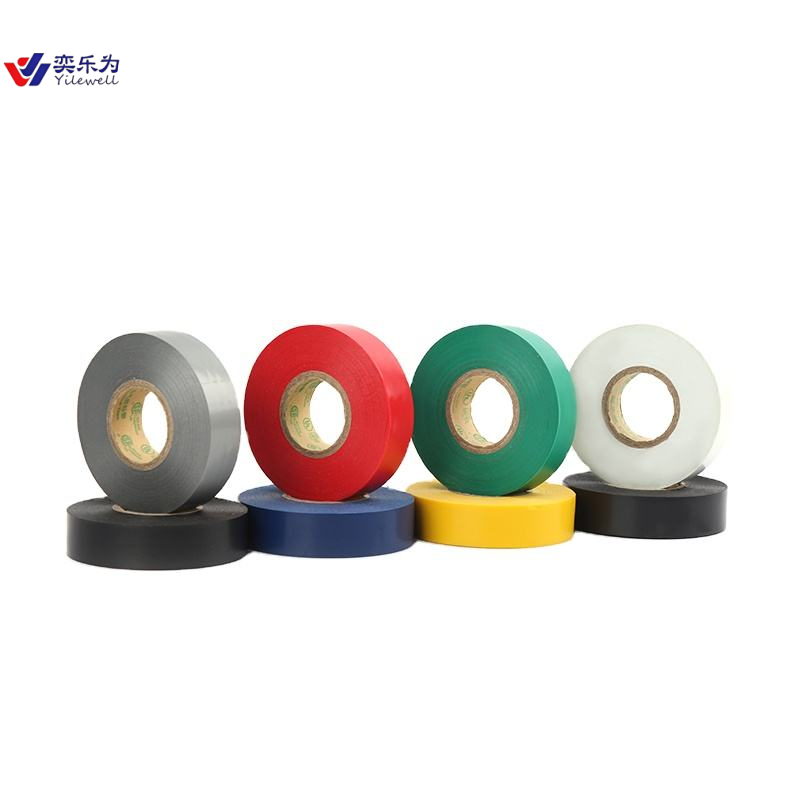
Vinyl electrical tape has become the go-to solution for professionals working in demanding industrial environments where temperature fluctuations and moisture present constant challenges. Understanding why vinyl electrical tape performs exceptionally well in high-temperature and humid conditions requires insight into its material composition, structural properties, and real-world performance characteristics. This knowledge directly impacts equipment safety, maintenance costs, and operational reliability across manufacturing, power distribution, HVAC, and telecommunications sectors.
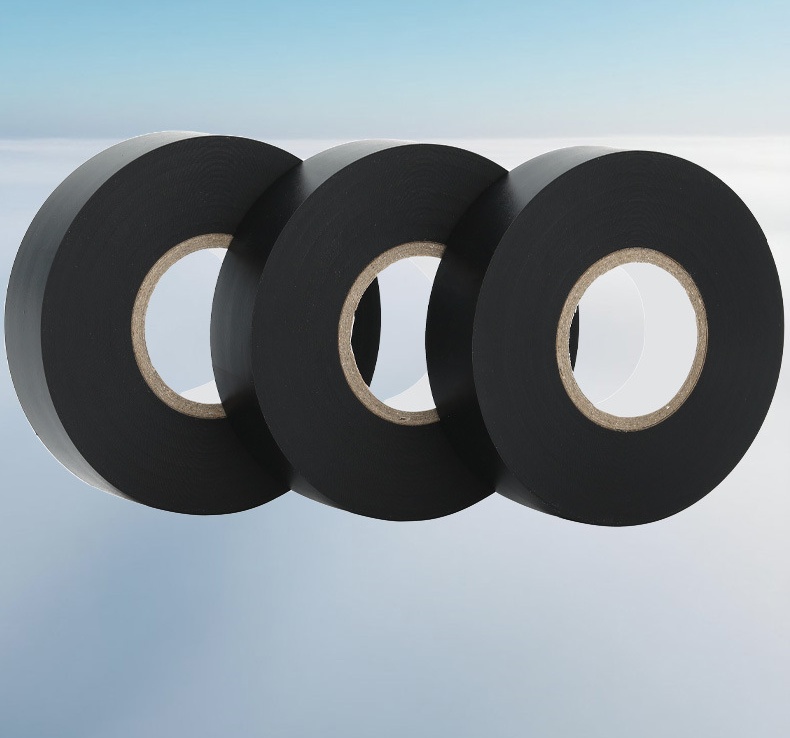
The superior performance of vinyl electrical tape in extreme conditions stems from the inherent chemical stability of polyvinyl chloride (PVC) and the specialized adhesive formulations engineered into modern products. When technicians select vinyl electrical tape for critical applications, they benefit from decades of industrial validation and continuous material science refinement. This article explores the specific properties that make vinyl electrical tape an unmatched choice for environments where conventional tape materials fail, providing practical guidance for material selection and application best practices.
Material Composition and Thermal Stability
PVC Base Structure and Heat Resistance
Vinyl electrical tape derives its thermal performance from the molecular structure of polyvinyl chloride, which resists degradation at temperatures significantly higher than paper or cloth-based alternatives. The PVC polymer backbone maintains molecular cohesion even when exposed to sustained heat, preventing the brittleness and cracking that compromise inferior tape materials. Vinyl electrical tape formulations typically sustain continuous performance at temperatures between 80°C and 105°C, depending on the specific product grade, with some industrial-grade vinyl electrical tape variants rated for intermittent exposure up to 130°C. This thermal stability directly translates to longer service life, reduced maintenance cycles, and enhanced safety in applications ranging from motor windings to transformer connections.
Plasticizer Technology and Flexibility
The flexibility of vinyl electrical tape under high-temperature conditions depends critically on the plasticizer chemistry integrated into the PVC formulation. Quality vinyl electrical tape incorporates phthalate esters or alternative plasticizers that maintain elasticity across temperature extremes, preventing the tape from becoming rigid or prone to cracking during thermal cycling. When vinyl electrical tape is exposed to alternating hot and cold environments—common in outdoor industrial settings—the plasticizer system prevents the adhesive bond from deteriorating or the backing material from becoming brittle. This dynamic flexibility ensures that vinyl electrical tape maintains consistent electrical insulation properties and mechanical protection regardless of environmental temperature swings, a critical advantage over rigid alternatives.
Moisture Resistance and Humidity Performance
Water Absorption Prevention
Humidity resistance represents one of the most compelling advantages of vinyl electrical tape in wet or humid industrial environments. The PVC backing material of vinyl electrical tape naturally exhibits hydrophobic properties, preventing moisture penetration into the tape structure and the wrapped conductor or joint. Unlike paper-based or fabric-backed tapes, vinyl electrical tape does not absorb ambient moisture, which would otherwise compromise electrical insulation properties and accelerate corrosion of underlying metals. In coastal facilities, food processing plants, chemical manufacturing environments, and outdoor power distribution installations, vinyl electrical tape consistently outperforms traditional alternatives because moisture cannot migrate through the tape barrier. This moisture-blocking capability ensures that vinyl electrical tape maintains full dielectric strength and mechanical integrity even after prolonged exposure to steam, rain, spray, or condensing humidity.
Adhesive System Performance in Wet Conditions
The specialized adhesive formulations used in premium vinyl electrical tape are engineered to maintain tack and bonding strength even in high-humidity environments where conventional adhesives lose effectiveness. Vinyl electrical tape manufacturers utilize rubber-based or acrylic-based adhesive systems that cure properly in moist conditions and resist the moisture-driven debonding that undermines lesser products. When vinyl electrical tape is wrapped around cooling pipes, steam lines, or outdoor electrical components, the adhesive layer remains tacky and secure despite constant exposure to water vapor, condensation, and direct moisture contact. This adhesive reliability ensures that vinyl electrical tape wraps stay firmly in place without loosening, peeling, or requiring frequent reapplication—a practical advantage that significantly reduces maintenance labor and improves long-term cost efficiency.
Industrial Application Suitability and Performance Validation
Electrical Safety and Regulatory Compliance
Vinyl electrical tape meets stringent international electrical safety standards including UL 1086, IEC 60454-3-1, and equivalent certifications that specifically validate performance in high-temperature and humid conditions. Professional electricians and maintenance technicians specify vinyl electrical tape for critical applications because regulatory compliance and third-party testing confirm that the material maintains dielectric strength and insulation integrity across the full rated temperature and humidity range. When vinyl electrical tape is used for motor windings, transformer connections, cable splicing, or equipment repair in food processing, pharmaceutical manufacturing, or chemical plants, the material's certified performance provides legal protection and ensures worker safety. The standardized testing protocols for vinyl electrical tape include thermal cycling, moisture exposure, and electrical breakdown measurements that specifically simulate real-world industrial conditions, giving users confidence that their material selection meets regulatory requirements and best practices.
Cost-Benefit Analysis for Maintenance and Downtime Reduction
The extended service life of vinyl electrical tape in high-temperature and humid environments translates directly into reduced maintenance frequency and lower total cost of ownership compared to inferior alternatives. Because vinyl electrical tape resists degradation from heat and moisture better than conventional tapes, technicians can extend re-inspection intervals and reduce emergency repair calls caused by tape failure. In continuous-duty applications such as outdoor cable terminations, industrial motor installations, or HVAC equipment, vinyl electrical tape provides 3 to 5 years of reliable performance with minimal intervention, whereas lower-grade tapes may require replacement every 6 to 12 months. This durability advantage becomes particularly significant in facilities with limited maintenance budgets, remote equipment locations, or scheduled downtime windows that are infrequent or costly. By selecting vinyl electrical tape with proven performance ratings, facility managers reduce unplanned equipment shutdowns and avoid the safety risks associated with tape failure during operation.
FAQ
At what continuous temperature can vinyl electrical tape be safely used?
Most quality vinyl electrical tape products are rated for continuous operation at temperatures up to 80°C to 105°C, depending on the specific formulation and manufacturer specifications. Industrial-grade vinyl electrical tape variants may support intermittent exposure up to 130°C, but users must always verify the product datasheet to confirm the exact temperature rating. Exceeding the rated temperature limit risks adhesive breakdown, backing material degradation, and loss of electrical insulation properties, so proper product selection based on the actual application temperature is critical for safety and reliability.
Can vinyl electrical tape be used in underwater or fully submerged applications?
While vinyl electrical tape demonstrates excellent moisture resistance and performs well in humid conditions and wet environments, it is not designed for permanent underwater or fully submerged applications where constant water immersion occurs. The backing material of vinyl electrical tape can tolerate temporary water exposure and condensing humidity, but prolonged submersion may eventually allow moisture to migrate through the tape layers and compromise insulation. For permanently submerged connections, specialized marine-grade electrical encapsulants or epoxy systems offer better long-term protection than vinyl electrical tape alone.
How long does vinyl electrical tape typically remain effective in harsh industrial environments?
In harsh environments combining high temperatures, high humidity, and regular exposure to oil, steam, or chemical vapors, quality vinyl electrical tape typically maintains full effectiveness for 3 to 5 years with proper application technique. The actual service life depends on the specific environmental severity, the thickness and grade of vinyl electrical tape selected, the underlying conductor condition, and whether the tape receives regular visual inspection. Technicians should establish periodic re-inspection schedules—typically every 12 to 24 months—to verify that vinyl electrical tape wraps remain intact, adhesive has not deteriorated, and insulation properties have not been compromised by environmental exposure.