 EN
EN


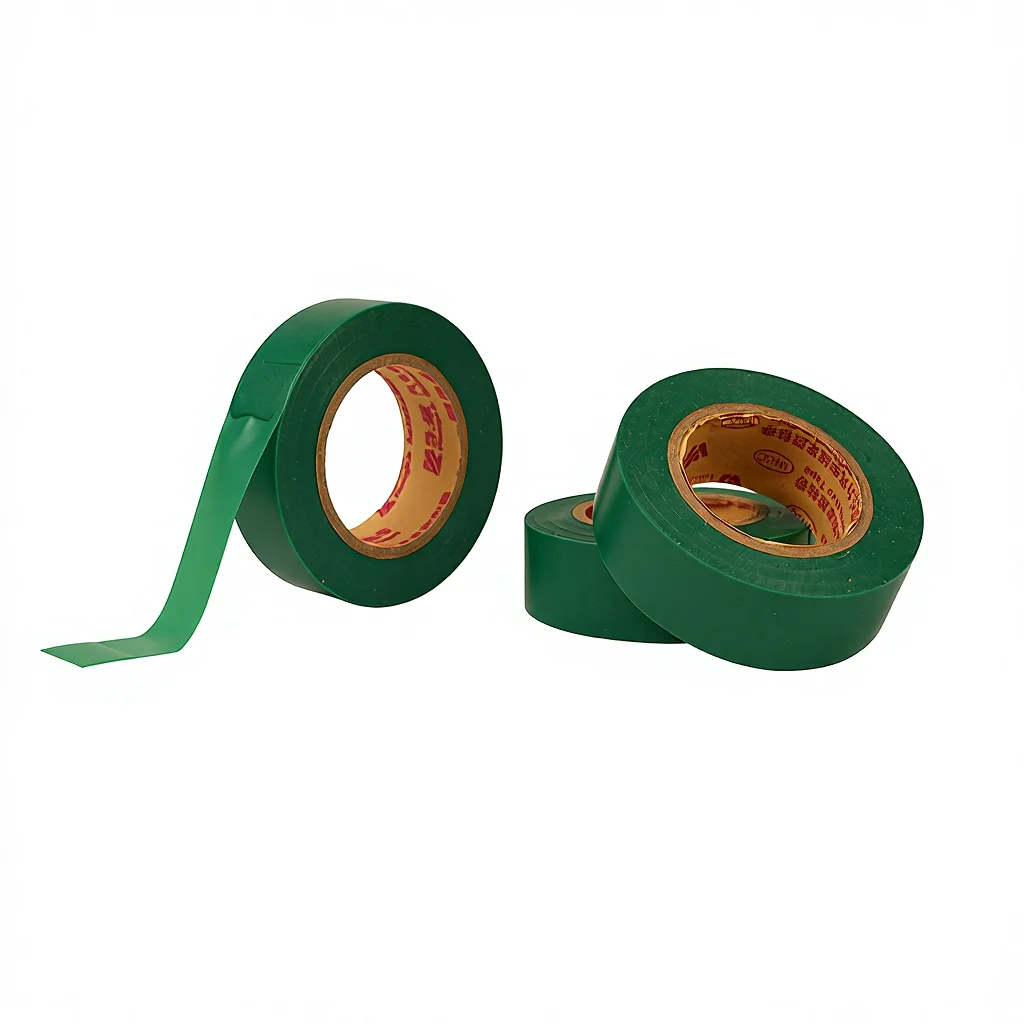
Vinyl electrical tape durability and adhesion performance are critical factors in electrical installations, maintenance work, and industrial applications. Understanding what drives vinyl electrical tape durability ensures that your electrical systems remain safely insulated over years of use. When vinyl electrical tape durability fails prematurely, it can compromise circuit integrity, increase safety risks, and create costly rework. This comprehensive guide explores the essential factors that determine vinyl electrical tape durability and adhesion strength, helping professionals make informed decisions about tape selection and application.
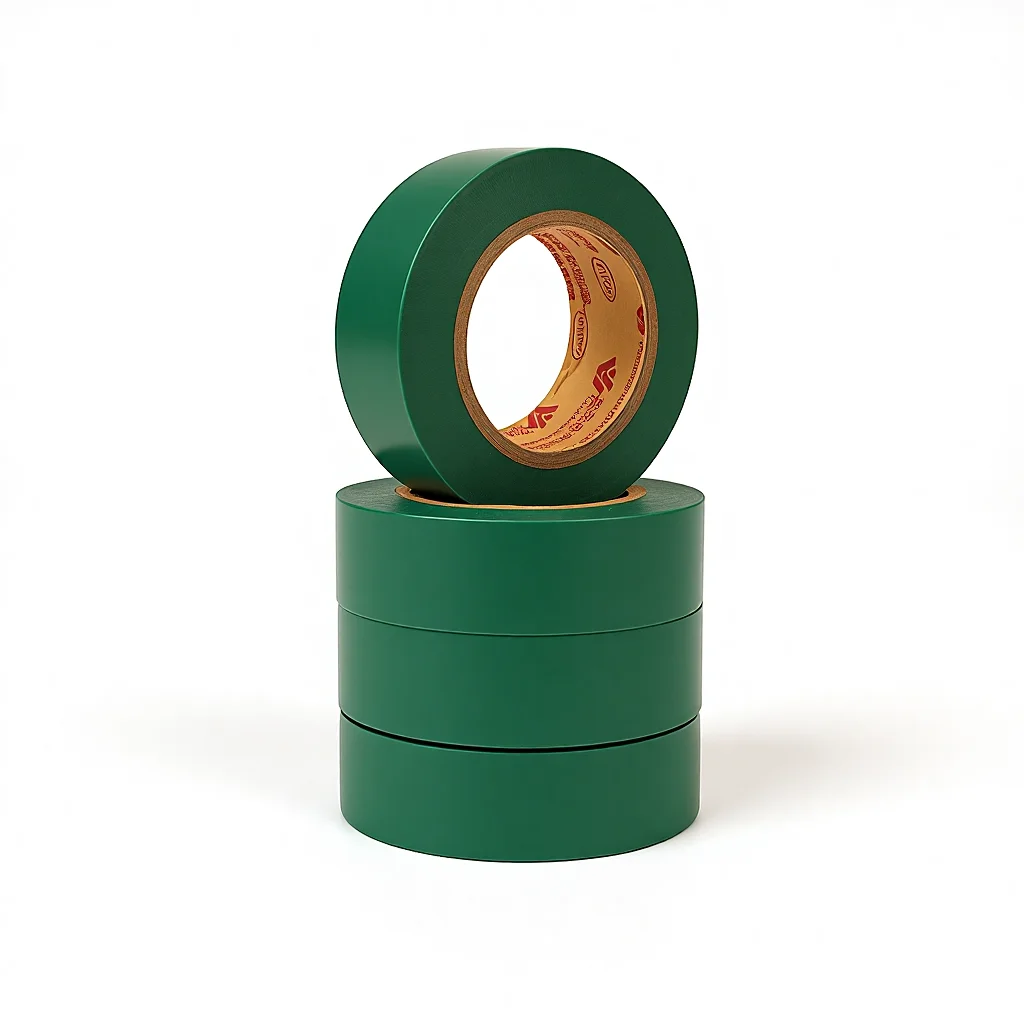
Vinyl electrical tape durability depends on multiple interconnected variables that work together to determine how long the tape maintains its insulating properties and adhesive bond. The quality of the vinyl electrical tape durability formula, environmental exposure conditions, installation techniques, and the base material composition all play significant roles in overall performance. By understanding these factors, electricians, maintenance teams, and engineers can select the right tape products and apply them correctly for maximum vinyl electrical tape durability in their specific applications.
Material Composition and Vinyl Quality
Base Material Properties
The vinyl electrical tape durability foundation begins with the quality of the PVC material itself. Premium-grade vinyl compounds resist cracking, peeling, and degradation far better than lower-grade formulations. The molecular structure of the vinyl determines how well the tape stretches without tearing, how it responds to temperature fluctuations, and how resistant it becomes to environmental stressors. High-quality vinyl electrical tape durability is enhanced by virgin PVC resins that maintain their elasticity even after years of thermal cycling and mechanical stress. Inferior vinyl formulations become brittle over time, especially when exposed to temperature extremes, which directly reduces vinyl electrical tape durability.
Adhesive System Quality
The pressure-sensitive adhesive layer beneath the vinyl coating directly controls vinyl electrical tape durability and adhesion performance throughout the tape's service life. Premium adhesive formulations maintain their bonding strength across a wider temperature range, from freezing conditions to high-heat environments. The adhesive composition must balance initial tack with long-term adhesion stability, ensuring that vinyl electrical tape durability does not degrade through premature adhesive migration or hardening. Advanced adhesive systems designed for electrical applications resist moisture absorption, which prevents adhesive breakdown and maintains consistent vinyl electrical tape durability over extended periods. Poor-quality adhesives lose their tackiness quickly, leading to edge separation and reduced vinyl electrical tape durability even when the vinyl layer remains intact.
Environmental Factors and Storage Conditions
Temperature Exposure and Thermal Cycling
Temperature represents one of the most significant environmental factors affecting vinyl electrical tape durability and adhesion strength. Continuous exposure to elevated temperatures accelerates degradation of both the vinyl material and the adhesive layer, reducing vinyl electrical tape durability substantially. Thermal cycling, where tape experiences repeated heating and cooling cycles, creates mechanical stress that weakens molecular bonds in the vinyl and causes adhesive flow instability. High-quality vinyl electrical tape durability can tolerate temperatures from approximately minus twenty degrees Celsius to one hundred thirty degrees Celsius, but performance degrades faster at the extremes. Even brief exposure to temperatures exceeding the rated range significantly compromises vinyl electrical tape durability, particularly when combined with mechanical stress or moisture exposure.
Moisture and Humidity Effects
Moisture absorption is a critical degradation pathway that reduces vinyl electrical tape durability over time. When water or humidity penetrates the vinyl layer or migrates beneath the adhesive, it weakens molecular bonding and causes the adhesive to lose its tackiness progressively. High-humidity environments accelerate this process, with vinyl electrical tape durability declining notably in damp indoor spaces, outdoor installations, or areas near water sources. The adhesive system's resistance to moisture directly determines how long vinyl electrical tape durability remains stable in humid conditions. Protective sealants and backing materials can enhance vinyl electrical tape durability by slowing moisture penetration, which is why premium tapes often include moisture-resistant additives in their vinyl formulation.
Application Methods and Surface Preparation
Surface Cleanliness and Preparation
Proper surface preparation directly impacts vinyl electrical tape durability and initial adhesion strength. Dirty, oily, or corroded surfaces prevent the adhesive from forming a complete bond with the substrate, dramatically reducing vinyl electrical tape durability from the moment of installation. Dust, oxidation, and contaminants create a barrier between the adhesive and the underlying conductor, causing edge lift and progressive failure throughout the tape's lifetime. Cleaning the conductor surface with appropriate solvents or abrasive materials ensures maximum initial contact between the adhesive and the substrate, which translates to superior vinyl electrical tape durability. Neglecting surface preparation is one of the most common causes of premature tape failure, even when high-quality vinyl electrical tape durability formulations are used.
Tension and Overlap During Application
The application technique directly influences how well vinyl electrical tape durability is realized in the field. Applying consistent tension during wrapping ensures that the adhesive makes full contact with the conductor surface, maximizing vinyl electrical tape durability and preventing edge separation. Insufficient tension leaves gaps between tape layers, while excessive tension can tear the vinyl or cause adhesive distortion that reduces vinyl electrical tape durability. Proper overlap between successive wraps, typically fifty to sixty percent, ensures complete coverage and prevents moisture from seeping between tape layers. Hand application versus mechanical application methods produce different adhesion profiles, but both must achieve consistent wrap pressure to maintain vinyl electrical tape durability across the entire wrapped area.
Mechanical Stress and Flexibility Requirements
Vibration and Movement Resistance
Mechanical vibration and conductor movement continuously stress the tape-conductor interface, directly affecting vinyl electrical tape durability over time. Vibration causes the tape to flex repeatedly, creating micro-stresses that gradually separate the adhesive from the substrate and the vinyl layer from the adhesive. Locations with frequent vibration, such as near motors or machinery, experience accelerated vinyl electrical tape durability degradation compared to static installations. The vinyl formulation must retain sufficient elasticity to absorb vibration without permanent deformation, which is why premium vinyl electrical tape durability compounds include plasticizers that maintain flexibility across temperature ranges. Conductors that expand and contract due to current flow or temperature changes also stress the adhesive bond, requiring vinyl electrical tape durability formulations specifically engineered for high-flexibility applications.
Chemical Resistance and Environmental Contaminants
Chemical exposure in industrial environments significantly impacts vinyl electrical tape durability and adhesion performance. Oils, solvents, refrigerants, and other chemical agents can penetrate the vinyl layer or break down the adhesive, causing rapid failure and reduced vinyl electrical tape durability. Specialized vinyl formulations with enhanced chemical resistance extend vinyl electrical tape durability in chemical manufacturing, refrigeration, and other harsh industrial settings. Even common substances like cleaning agents or lubricants can compromise the adhesive bond if they migrate beneath the tape edges, so understanding the chemical environment is essential for predicting vinyl electrical tape durability. UV exposure in outdoor or well-lit indoor installations accelerates vinyl degradation and reduces vinyl electrical tape durability unless the product includes UV stabilizers.
FAQ
What specific vinyl electrical tape durability rating should I use for high-temperature applications above ninety degrees Celsius?
For high-temperature applications, select vinyl electrical tape durability products specifically rated for continuous use at your required temperature. Premium electrical tapes with enhanced thermoplastic formulations maintain vinyl electrical tape durability up to one hundred thirty degrees Celsius. Always verify the manufacturer's continuous temperature rating rather than the maximum short-term rating, as vinyl electrical tape durability degrades progressively in sustained high-heat environments.
How does humidity affect vinyl electrical tape durability over time in outdoor installations?
Humidity gradually penetrates standard vinyl formulations, causing vinyl electrical tape durability to decline through adhesive migration and moisture absorption. In high-humidity outdoor environments, vinyl electrical tape durability typically lasts three to five years before significant edge separation occurs, compared to eight to ten years in dry indoor installations. Selecting moisture-resistant adhesive systems and wrapping tape with additional protective layers can extend vinyl electrical tape durability substantially in humid climates.
Can poor surface preparation alone cause vinyl electrical tape durability problems even with premium tape products?
Yes, inadequate surface preparation is one of the leading causes of premature vinyl electrical tape durability failure regardless of tape quality. Even premium vinyl electrical tape durability formulations cannot achieve proper adhesion on dirty, oily, or oxidized surfaces. Proper cleaning and surface preparation before application are essential prerequisites for realizing the full vinyl electrical tape durability potential of any electrical tape product.
Table of Contents
- Material Composition and Vinyl Quality
- Environmental Factors and Storage Conditions
- Application Methods and Surface Preparation
- Mechanical Stress and Flexibility Requirements
-
FAQ
- What specific vinyl electrical tape durability rating should I use for high-temperature applications above ninety degrees Celsius?
- How does humidity affect vinyl electrical tape durability over time in outdoor installations?
- Can poor surface preparation alone cause vinyl electrical tape durability problems even with premium tape products?