 EN



Selecting the right industrial electrical tape is a critical decision that directly impacts project reliability, safety, and long-term performance. Whether you're working on automotive repairs, engine compartment modifications, or electronics assembly, the choice of industrial electrical tape can determine whether your connections remain secure through thermal cycles, vibration, and environmental exposure. This guide walks you through the essential factors that define quality industrial electrical tape, helping you make an informed selection for your specific application.
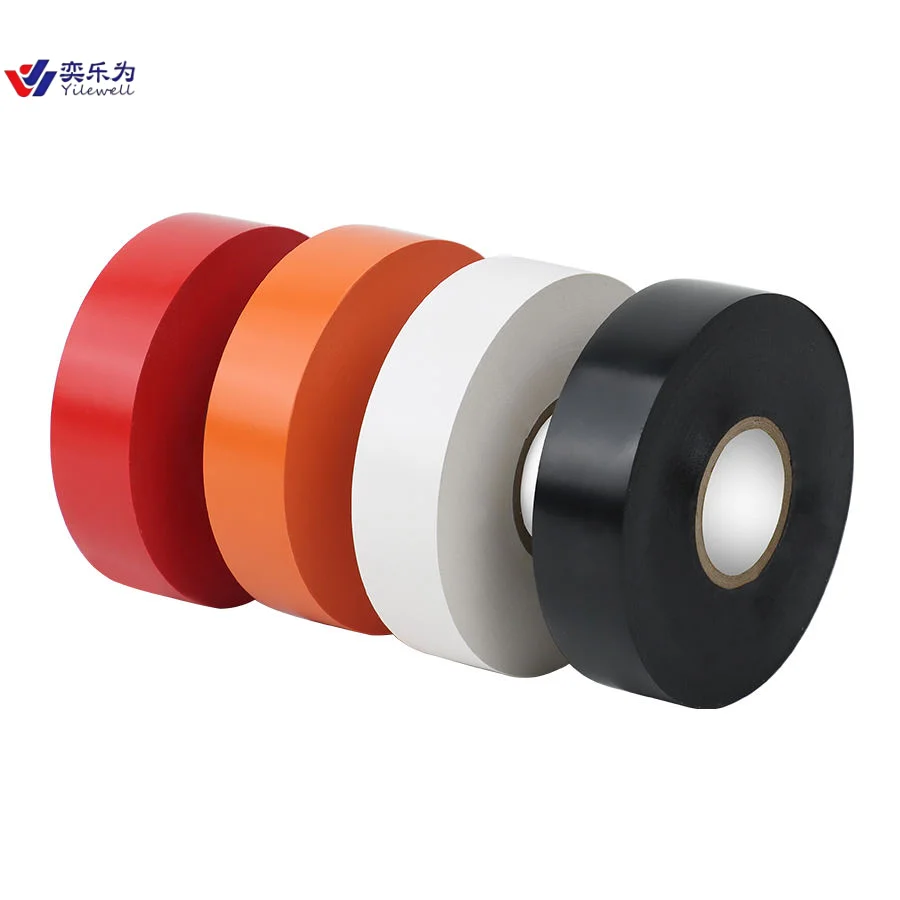
The automotive and electronics industries place demanding requirements on tape materials. Industrial electrical tape must withstand temperature extremes, moisture penetration, fuel vapors, and constant mechanical stress. Choosing poorly can result in tape degradation, connection failure, or safety hazards. Understanding the material composition, adhesive properties, and performance standards of industrial electrical tape ensures your projects meet both regulatory compliance and operational durability expectations.
Material Composition and Adhesive Chemistry
PVC Backing and Core Performance
Quality industrial electrical tape uses polyvinyl chloride (PVC) as the primary backing material because it provides excellent dielectric strength and mechanical durability. The PVC backing of industrial electrical tape must resist UV degradation, ozone exposure, and temperature fluctuations common in automotive engine bays and outdoor installations. Thicker PVC substrates in premium industrial electrical tape products offer superior tear resistance and longer service life under dynamic conditions. The material thickness typically ranges from 0.15mm to 0.22mm, with thicker formulations preferred for high-stress applications where industrial electrical tape faces repeated movement and flexing.
Pressure-Sensitive Adhesive Systems
The adhesive layer is where most industrial electrical tape products differentiate themselves in performance. Pressure-sensitive adhesives (PSA) used in industrial electrical tape must remain tacky across wide temperature ranges, from engine startup cold to sustained high-heat operation. Synthetic rubber-based adhesives in advanced industrial electrical tape formulations maintain bonding integrity even when exposed to oil, coolant, and fuel residue. The adhesive must not dry out, shrink, or lose cohesion; poor-quality industrial electrical tape often fails because its adhesive becomes brittle or separates from the backing after thermal cycling. Selecting industrial electrical tape with proven PSA chemistry ensures connections remain sealed throughout the product lifecycle.
Temperature and Environmental Resistance
Thermal Performance Specifications
Automotive applications demand industrial electrical tape that handles continuous temperatures up to 80°C (176°F) and peak exposure to 120°C (248°F) or higher in engine compartments. Standard industrial electrical tape products often fail at these temperatures because both the PVC backing and adhesive soften or flow. Premium industrial electrical tape formulations use advanced polymers and thermally stable adhesives rated for sustained high-temperature service. Electronics projects may encounter lower ambient temperatures but require industrial electrical tape with superior flexibility at cold temperatures to prevent cracking or separation. When evaluating industrial electrical tape candidates, always verify the continuous duty temperature rating and compare it directly to your application's actual thermal profile.
Chemical and Environmental Durability
Engine compartments expose industrial electrical tape to oil mist, coolant spray, salt, and UV radiation simultaneously. High-quality industrial electrical tape resists these chemical stressors without degradation or adhesive loss. Moisture absorption is another critical factor; inferior industrial electrical tape allows water penetration into wrapped connections, compromising insulation and promoting corrosion. Superior industrial electrical tape products incorporate water-resistant backing materials and hydrophobic adhesives that create a complete moisture barrier. For marine environments or high-humidity automotive settings, selecting industrial electrical tape with proven chemical resistance ratings ensures long-term reliability and eliminates premature failure from environmental exposure.
Dielectric Strength and Insulation Performance
Voltage Rating and Safety Compliance
Every application of industrial electrical tape must match or exceed the voltage rating of the circuit being wrapped or repaired. Standard industrial electrical tape typically provides 600V dielectric breakdown, which is adequate for most automotive and low-voltage electronics work. However, certain automotive systems and industrial equipment may require industrial electrical tape with 1000V or 1500V ratings for complete safety assurance. Before selecting industrial electrical tape, confirm the voltage classification of your circuit and match it to tape specifications. Undersizing industrial electrical tape voltage ratings represents a genuine safety risk; arcing, insulation failure, and fire hazards increase substantially when industrial electrical tape dielectric strength is insufficient for the application.
Layer Thickness and Insulation Coverage
The insulation effectiveness of industrial electrical tape depends on both material quality and application technique. Most automotive standards require a minimum of two layers of industrial electrical tape around a splice, with each layer wound with slight overlap to create continuous coverage. Premium industrial electrical tape with higher thickness provides equivalent insulation with fewer layers, reducing installation time and overall wrapped size. Thicker industrial electrical tape also increases mechanical protection against abrasion and puncture damage during engine operation. When wrapping exposed connections in vibration-prone areas, using thicker industrial electrical tape minimizes the risk of wrap deterioration from movement and friction.
Selection Criteria for Specific Applications
Automotive Engine Bay Installations
Engine bay environments represent one of the most demanding test scenarios for industrial electrical tape performance. Select industrial electrical tape specifically rated for continuous temperatures above 100°C and verified to resist oil and coolant chemistries. Look for industrial electrical tape products certified to automotive standards (SAE J566 or ISO 9373) to ensure they meet industry safety and durability expectations. The industrial electrical tape you choose must maintain adhesion through repeated thermal shock cycles, vibration from engine operation, and exposure to fuel vapor. Premium engine-grade industrial electrical tape often commands higher cost but delivers measurably longer service intervals and eliminates repeat repairs from tape failure.
Electronics and Control Module Applications
Electronics projects typically operate at lower temperatures but require industrial electrical tape with superior flexibility and clean appearance. Circuit board repairs, wire bundling, and component insulation often use industrial electrical tape in confined spaces where flexibility prevents wrapping damage. Electronics-grade industrial electrical tape must maintain tack and adhesion in climate-controlled environments while resisting moisture from condensation or cleaning processes. Color-coded industrial electrical tape in various shades helps technicians identify circuits and manage installation documentation. For sensitive electronics, ensure the industrial electrical tape you select contains no halogenated compounds or substances harmful to circuit components.
FAQ
What voltage rating does industrial electrical tape need for automotive wiring?
Most automotive applications use 12V or 24V electrical systems, which require industrial electrical tape rated at minimum 600V dielectric strength. Standard automotive-grade industrial electrical tape with 600V rating provides safe insulation and meets industry compliance. However, high-output alternator circuits, aftermarket amplifiers, or hybrid vehicle systems may require industrial electrical tape with 1000V or higher ratings for complete protection. Always verify your vehicle's electrical architecture before selecting industrial electrical tape.
Can standard office tape work as industrial electrical tape?
No. Standard office or duct tape cannot serve as substitute for industrial electrical tape because it lacks dielectric properties, fails at moderate temperatures, and provides no voltage insulation. Office adhesives deteriorate under engine heat; industrial electrical tape uses chemically engineered adhesives specifically designed for thermal and chemical extremes. Using incorrect tape types creates genuine electrical and fire hazards. Always use certified industrial electrical tape for any electrical application.
How many layers of industrial electrical tape should wrap a wire splice?
Industry standards recommend minimum two complete layers of industrial electrical tape around any electrical splice, with each layer overlapped to cover the connection completely. Some high-voltage or safety-critical applications require three or more layers of industrial electrical tape for redundant insulation protection. Thicker premium industrial electrical tape may achieve equivalent insulation with fewer layers. Always consult your specific project's electrical code or manufacturer guidelines before determining required industrial electrical tape layers.