 EN


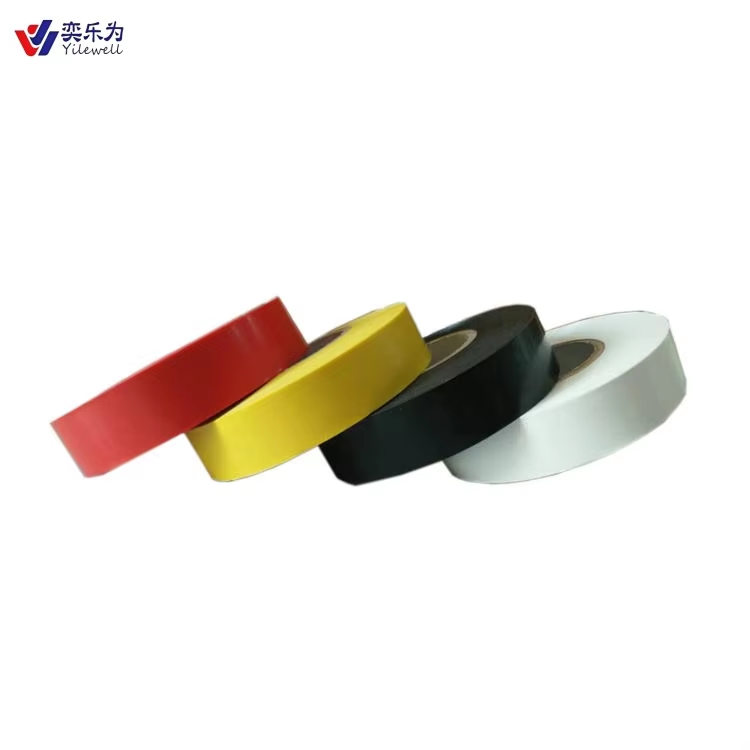
Industrial electrical tape serves as a critical component in electrical systems across manufacturing plants, construction sites, power distribution networks, and maintenance facilities. The durability and effectiveness of industrial electrical tape depend significantly on how it is stored, handled, and maintained throughout its lifecycle. Proper maintenance practices ensure that industrial electrical tape retains its insulating properties, adhesive strength, and protective qualities when deployed in demanding environments.
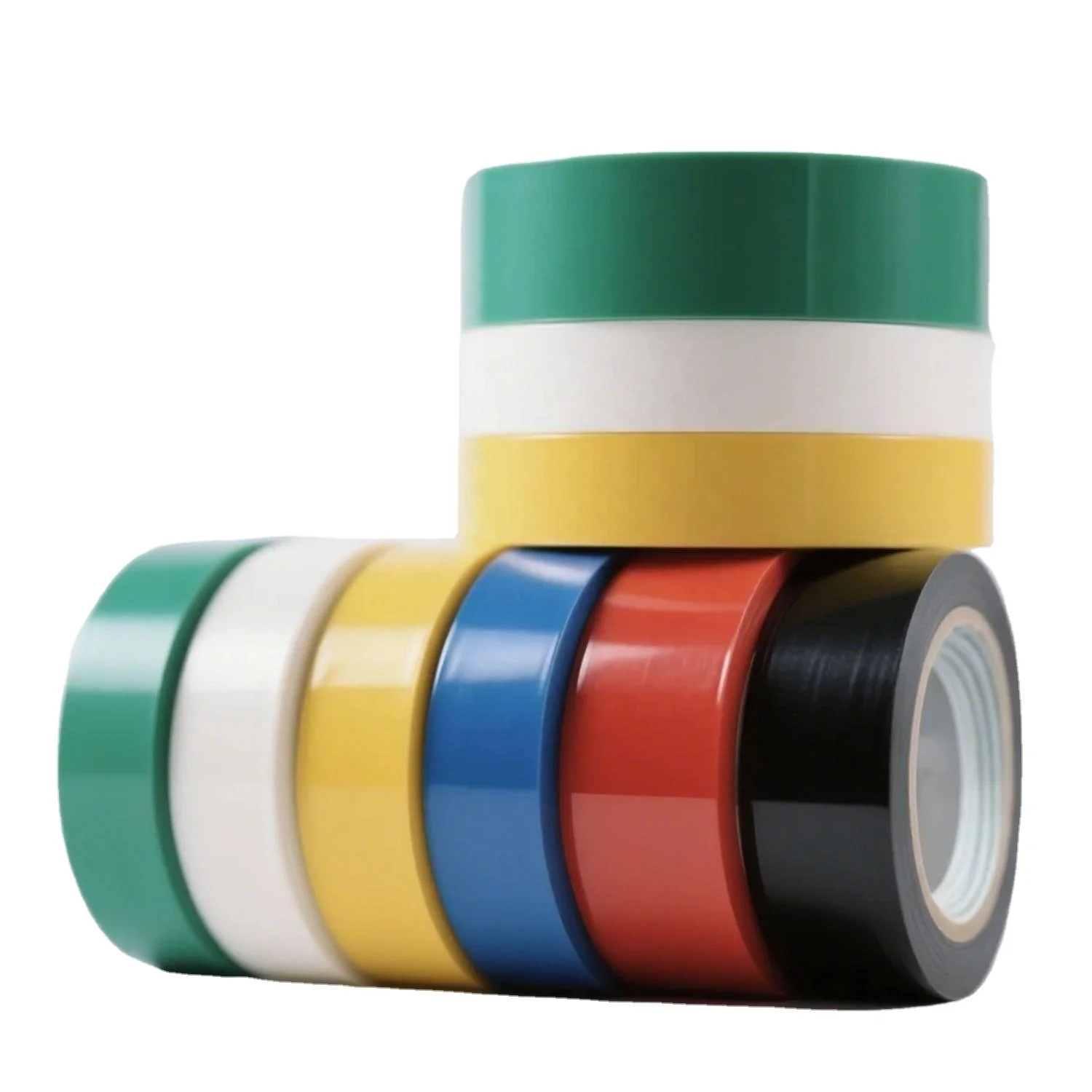
Understanding how to maintain industrial electrical tape is essential for professionals who rely on this material for electrical insulation, cable bundling, and equipment protection. When industrial electrical tape is properly maintained, it delivers consistent performance over extended periods, reducing unexpected failures and improving workplace safety. Organizations that implement systematic maintenance protocols for their industrial electrical tape inventory experience fewer application failures and extend the useful life of their tape stock.
Storage Conditions for Industrial Electrical Tape
Temperature and Humidity Control
Industrial electrical tape must be stored in climate-controlled environments to preserve its adhesive properties and polymer composition. Extreme temperatures cause the backing material and adhesive layer to deteriorate, reducing the effectiveness of industrial electrical tape when applied to cables or equipment. Storage temperatures should remain between 15°C and 25°C, with humidity levels maintained between 40% and 70% to prevent moisture absorption and adhesive degradation. Facilities that maintain these conditions report consistent performance from their industrial electrical tape rolls, even after months of storage.
Exposure to direct sunlight degrades the polymer matrix of industrial electrical tape, causing the material to become brittle and lose elasticity. UV radiation accelerates the breakdown of the adhesive layer, resulting in poor adhesion when the tape is finally applied. Store rolls of industrial electrical tape in opaque, sealed containers or cabinet systems that block light exposure entirely. Temperature fluctuations create stress within the tape's molecular structure, so warehouses with stable climate control extend the practical shelf life of industrial electrical tape significantly.
Inventory Organization and Rotation
Implementing a first-in-first-out inventory system ensures that older batches of industrial electrical tape are used before newer stock, preventing premature aging of inventory. Clearly label containers with purchase dates and batch numbers so technicians can quickly identify which rolls of industrial electrical tape have been in storage longest. Horizontal storage of rolls prevents compression damage that can occur when industrial electrical tape is stacked vertically, which flattens the adhesive layer and compromises wrapping ability.
Organize industrial electrical tape by voltage rating, thickness, and application type to reduce confusion on job sites and ensure correct tape selection. Segregating inventory prevents technicians from accidentally using high-voltage industrial electrical tape applications where lower-rated products would suffice, which wastes premium materials and increases costs. Regular audits of industrial electrical tape stock identify slow-moving inventory that may need environmental refreshing or replacement before performance degradation occurs.
Inspection and Testing Protocols
Visual Assessment and Quality Checks
Before deploying any roll of industrial electrical tape, inspect the backing material for cracks, discoloration, or brittleness that signals degradation. High-quality industrial electrical tape should exhibit uniform color throughout the roll with no visible gaps, thin spots, or adhesive separation along the edges. Check for proper roll diameter consistency; flattened or compressed sections indicate that industrial electrical tape has been stressed during storage or handling and may not conform properly to cable surfaces.
Test the adhesive tack by peeling a small section of industrial electrical tape from the roll; adequate stickiness confirms that the adhesive layer remains active and functional. If industrial electrical tape pulls away with minimal resistance or leaves adhesive residue on the backing, the roll has likely degraded and should be replaced. Examine core cardboard for damage or deterioration; compromised cores indicate that industrial electrical tape may have been exposed to excessive moisture or environmental stress that affects the entire roll.
Performance Testing Under Operating Conditions
Conduct periodic test applications of industrial electrical tape on scrap cable samples to verify adhesion, flexibility, and tear resistance before full deployment. Measure electrical properties including dielectric strength by testing small samples in controlled laboratory environments to confirm that industrial electrical tape maintains rated voltage insulation levels. Temperature cycling tests expose sample wraps of industrial electrical tape to repeated heating and cooling cycles that simulate harsh operational environments, revealing any adhesive failure or material embrittlement.
Aging tests accelerate the deterioration process for batches of industrial electrical tape by exposing samples to heat, UV radiation, and mechanical stress over compressed timeframes. Results from these accelerated tests provide early warning when industrial electrical tape stock approaches end-of-life performance thresholds. Maintaining documentation of all test results creates a performance history for each industrial electrical tape batch, enabling predictive maintenance and scheduled replacement before failures occur in critical applications.
Handling Best Practices and Application Techniques
Protective Handling Throughout the Supply Chain
Transport rolls of industrial electrical tape in protective shipping containers that prevent crushing, moisture infiltration, and temperature extremes during transit. Avoid dropping, rolling, or dragging industrial electrical tape rolls across rough surfaces, as mechanical damage to the backing or adhesive creates weak points that compromise tape performance during installation. Train warehouse and logistics personnel on proper handling procedures specific to industrial electrical tape to minimize pre-deployment damage and maintain inventory integrity.
Handle industrial electrical tape with clean hands or cotton gloves to prevent oils, dirt, and contaminants from transferring to the backing surface, which impairs adhesion to cable insulation. Store partial rolls of industrial electrical tape with the sticky side facing inward and secured with a non-adhesive wrapper to prevent dust accumulation and accidental sticking. For industrial electrical tape that has been partially used, wrap the unused portion tightly and store it in sealed bags to protect against environmental exposure during the interval between applications.
Application Environment Optimization
Apply industrial electrical tape in moderate temperature environments between 10°C and 40°C to ensure optimal adhesive flow and polymer flexibility during wrapping. Clean cable surfaces thoroughly with lint-free cloths before wrapping with industrial electrical tape; dried insulation residue, dust, and oxidation prevent proper adhesive contact and reduce bond strength significantly. Allow industrial electrical tape applications to cure for 24 hours before exposing the wrapped area to mechanical stress, moisture, or elevated temperatures to permit the adhesive to fully set.
Maintain consistent tension while wrapping industrial electrical tape around cables; excessive tension causes material thinning and premature failure, while insufficient tension leaves gaps that allow moisture penetration. Use overlapping wraps of industrial electrical tape with 50% coverage to ensure complete insulation and redundancy if minor adhesive failure occurs in isolated sections. For high-moisture environments, select industrial electrical tape specifically rated for wet conditions, as standard formulations may not maintain adhesion when exposed to condensation or direct water contact.
Storage Facility Requirements
Environmental Control Systems
Install HVAC systems in warehouses and storage facilities dedicated to industrial electrical tape to maintain consistent temperature and humidity year-round. Dehumidifiers prevent moisture accumulation during humid seasons that accelerates adhesive degradation of industrial electrical tape and promotes mold growth on cardboard cores. Climate monitoring sensors with alert systems notify facility managers when conditions drift outside acceptable ranges for industrial electrical tape storage, enabling rapid corrective action before inventory damage occurs.
Use moisture barriers and desiccant packets inside storage containers to create isolated microclimates that protect industrial electrical tape from ambient humidity variations. Sealed storage cabinets with gasket-sealed doors minimize air exchange and prevent condensation formation inside containers holding industrial electrical tape rolls. Proper ventilation systems circulate air continuously while preventing stagnant pockets where moisture accumulates, preserving the integrity of stored industrial electrical tape stock.
Physical Storage Configuration
Install shelving systems with adequate spacing between storage levels to permit air circulation around industrial electrical tape containers and prevent pressure accumulation on lower rolls. Keep industrial electrical tape inventory at least one meter away from external walls, windows, and doors to minimize thermal and moisture fluctuation exposure. Use opaque plastic bins, kraft paper boxes, or metal cabinets specifically designed for industrial electrical tape storage to block light penetration while maintaining structural integrity and protection.
Separate industrial electrical tape from corrosive materials, solvents, and chemical storage areas to prevent vapor contamination and adhesive degradation. Maintain industrial electrical tape in dedicated sections of storage facilities rather than mixing with mechanical supplies or construction materials that may apply compression or generate moisture. Implement fire safety measures including proper spacing from heat sources and installation of fire suppression systems to protect valuable industrial electrical tape inventory from environmental hazards.
FAQ
How long can industrial electrical tape remain in storage before performance degrades?
Under optimal storage conditions with controlled temperature and humidity, industrial electrical tape typically maintains full performance for 24 to 36 months from the manufacturing date. Exposure to temperature fluctuations, excessive humidity, or direct sunlight reduces this timeline significantly, potentially degrading industrial electrical tape within 6 to 12 months. Always verify the manufacturing date on industrial electrical tape rolls and follow first-in-first-out inventory rotation to minimize aging effects and ensure consistent application performance.
What signs indicate that stored industrial electrical tape should be discarded?
Discard industrial electrical tape if the backing material becomes brittle, cracks, or discolors to brown or grey tones indicating oxidation and polymer breakdown. Loss of adhesive tack when peeling the tape from the roll means the industrial electrical tape no longer provides adequate bonding strength for safe electrical insulation applications. If industrial electrical tape fails to conform smoothly to cable surfaces during application or leaves gaps in wrapping, replace the roll rather than risking incomplete insulation coverage in critical electrical systems.
Can industrial electrical tape be stored in outdoor locations during mild seasons?
Storing industrial electrical tape outdoors exposes the material to UV radiation, temperature cycling, and humidity fluctuation that accelerate degradation and reduce shelf life significantly. Even brief outdoor storage during mild weather can damage industrial electrical tape through moisture absorption and adhesive softening. Keep all industrial electrical tape in climate-controlled indoor facilities to ensure consistent performance and maintain product integrity from purchase through application in the field.