 EN
EN


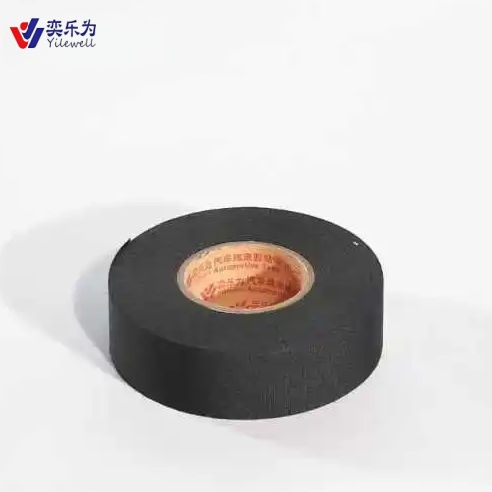
In demanding industrial environments, cloth adhesive tape is a critical consumable that supports bundling, masking, surface protection, and sealing operations across many sectors. When cloth adhesive tape is used without a proper maintenance plan, performance can degrade rapidly, leading to bond failures, surface contamination, and costly rework. Understanding how to maintain cloth adhesive tape in industrial applications is the first step toward reliable, consistent results.
Maintaining cloth adhesive tape correctly is not simply about storing a roll on a shelf. It involves managing temperature, humidity, surface conditions, application technique, and usage cycles to ensure that every piece of cloth adhesive tape you apply delivers the expected bonding strength and durability. This guide walks through the essential practices that industrial users and procurement teams should follow to keep cloth adhesive tape performing at its best throughout its service life.
Proper Storage Practices for Cloth Adhesive Tape
Temperature and Humidity Control
One of the most common causes of premature cloth adhesive tape failure is improper storage. Cloth adhesive tape must be stored in a controlled environment where temperature remains between 15°C and 25°C and relative humidity is kept below 65%. Excessive heat causes the acrylic or rubber adhesive layer within the cloth adhesive tape to soften, migrate, or lose cohesion before the tape is even applied. Cold environments, on the other hand, make cloth adhesive tape stiff and reduce its initial tack, making it difficult to apply cleanly to irregular surfaces.
Moisture is equally damaging to cloth adhesive tape. When humidity is high, the fabric carrier of cloth adhesive tape can absorb water vapor, which weakens fiber-to-adhesive bonding and promotes edge lifting after application. Industrial teams should store cloth adhesive tape in sealed packaging or climate-controlled storage rooms, away from direct sunlight and HVAC vents that cause temperature fluctuations.
Orientation and Shelf-Life Management
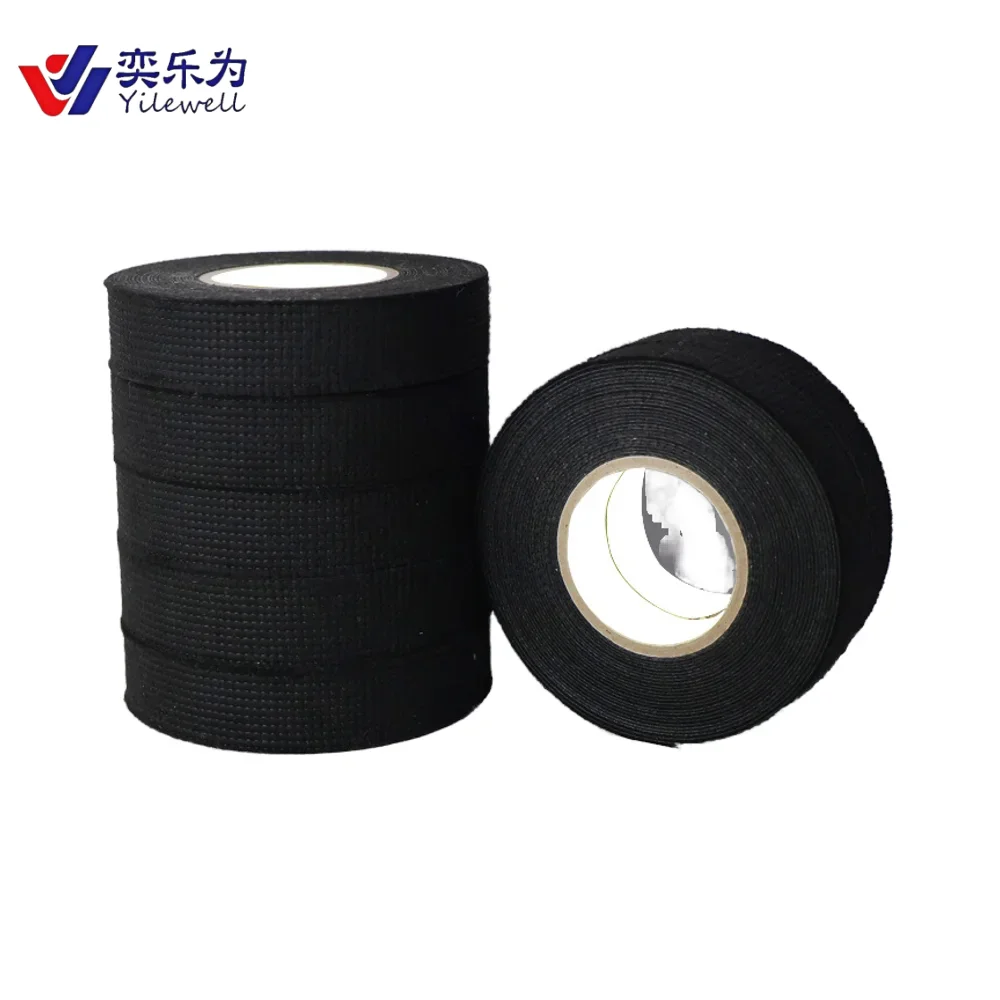
Cloth adhesive tape rolls should always be stored upright or on their flat ends rather than laid flat on their sides. Storing cloth adhesive tape horizontally under stacked weight can distort the roll geometry, create uneven pressure on the adhesive layer, and cause telescoping that makes clean dispensing impossible. Additionally, cloth adhesive tape has a defined shelf life, typically 12 to 24 months from the date of manufacture. Industrial users must implement a first-in, first-out rotation system to ensure that older cloth adhesive tape stock is consumed before newer inventory, preventing the use of tape that has already degraded in storage.
Surface Preparation Before Applying Cloth Adhesive Tape
Cleaning and Drying the Application Surface
Even the highest-quality cloth adhesive tape cannot compensate for a poorly prepared surface. Before applying cloth adhesive tape, operators must remove all contaminants including dust, oil, grease, moisture, and oxidation from the target surface. Industrial surfaces often carry release agents, machining lubricants, or corrosion inhibitors that act as barriers between the cloth adhesive tape and the substrate. A thorough wipe-down using isopropyl alcohol or an appropriate industrial cleaner ensures that the cloth adhesive tape adhesive makes full contact with the base material, maximizing peel strength and shear resistance.
Surface temperature also matters significantly for cloth adhesive tape performance. If the substrate is too cold, the adhesive in the cloth adhesive tape will not flow and wet out properly, resulting in weak initial bonds. Ideally, both the cloth adhesive tape and the surface should be at or above 15°C during application. For heat-resistant cloth adhesive tape variants, confirming the upper temperature tolerance before use prevents adhesive degradation during high-temperature masking or protection processes.
Choosing the Right Surface Profile
Smooth, clean surfaces allow cloth adhesive tape to achieve maximum contact area and uniform bond strength. Rough or porous surfaces reduce the effective bonding zone of cloth adhesive tape unless a primer or bonding agent is used. Industrial teams working with textured metals, powder-coated panels, or composite materials should verify that the cloth adhesive tape specification matches the surface energy requirements of the substrate. Applying cloth adhesive tape to low-surface-energy materials without proper preparation will result in reduced adhesion and early delamination, undermining the tape's protective or functional role in the application.
Application Technique and In-Service Monitoring
Correct Application Pressure and Technique
Proper application technique is fundamental to maintaining the performance of cloth adhesive tape throughout its service life. When placing cloth adhesive tape, operators should apply firm, even pressure using a squeegee tool or roller to ensure the adhesive layer fully contacts the surface without air entrapment. Simply pressing cloth adhesive tape by hand often leaves micro-air pockets that act as stress concentration points, especially in high-humidity or high-vibration industrial environments. Applying cloth adhesive tape at a consistent angle and without overstretching the fabric carrier prevents internal stress buildup that can cause the tape to shrink or lift at the edges.
After initial application, cloth adhesive tape benefits from a short dwell period of 30 to 60 minutes before the bonded assembly or masked component is subjected to mechanical stress, heat, or chemical exposure. This dwell time allows the adhesive in the cloth adhesive tape to flow into surface micro-textures and build full bond strength, which is particularly important in high-temperature industrial masking processes where cloth adhesive tape must remain firmly in place during spray painting, powder coating, or thermal curing cycles.
Monitoring and Replacing Cloth Adhesive Tape in Service
Industrial maintenance routines should include regular visual inspection of cloth adhesive tape already in service. Key signs that cloth adhesive tape needs replacement include edge lifting, surface bubbling, adhesive bleed-through onto the substrate, or visible fabric carrier deterioration. Ignoring these early warning signs can lead to seal failures or surface damage that is far more expensive to correct than simply replacing a deteriorated cloth adhesive tape segment. Establishing a scheduled inspection interval based on the operational environment, temperature cycling frequency, and exposure conditions will help teams replace cloth adhesive tape proactively rather than reactively.
FAQ
How long can cloth adhesive tape be stored before use?
Cloth adhesive tape typically has a shelf life of 12 to 24 months when stored correctly in a cool, dry environment away from direct sunlight and extreme temperatures. Always check the manufacture date on the packaging and use older rolls first to ensure cloth adhesive tape performs at its specified adhesion level when applied.
Can cloth adhesive tape be reused after removal?
Cloth adhesive tape is generally designed for single-use applications. Once cloth adhesive tape is removed from a surface, the adhesive layer picks up debris and loses cohesion, making reapplication unreliable. For processes that require repeated masking cycles, choose a cloth adhesive tape product specifically rated for multi-cycle use, such as those with cycle-length designations in the product specification.
What temperature range is suitable for cloth adhesive tape in industrial use?
Standard cloth adhesive tape typically tolerates service temperatures between -10°C and 80°C, while heat-resistant variants of cloth adhesive tape can withstand temperatures up to 150°C or higher depending on the adhesive formulation. Always verify the cloth adhesive tape datasheet before using it in high-temperature industrial masking, sealing, or insulation applications to avoid adhesive softening or fabric carrier degradation.