 EN
EN


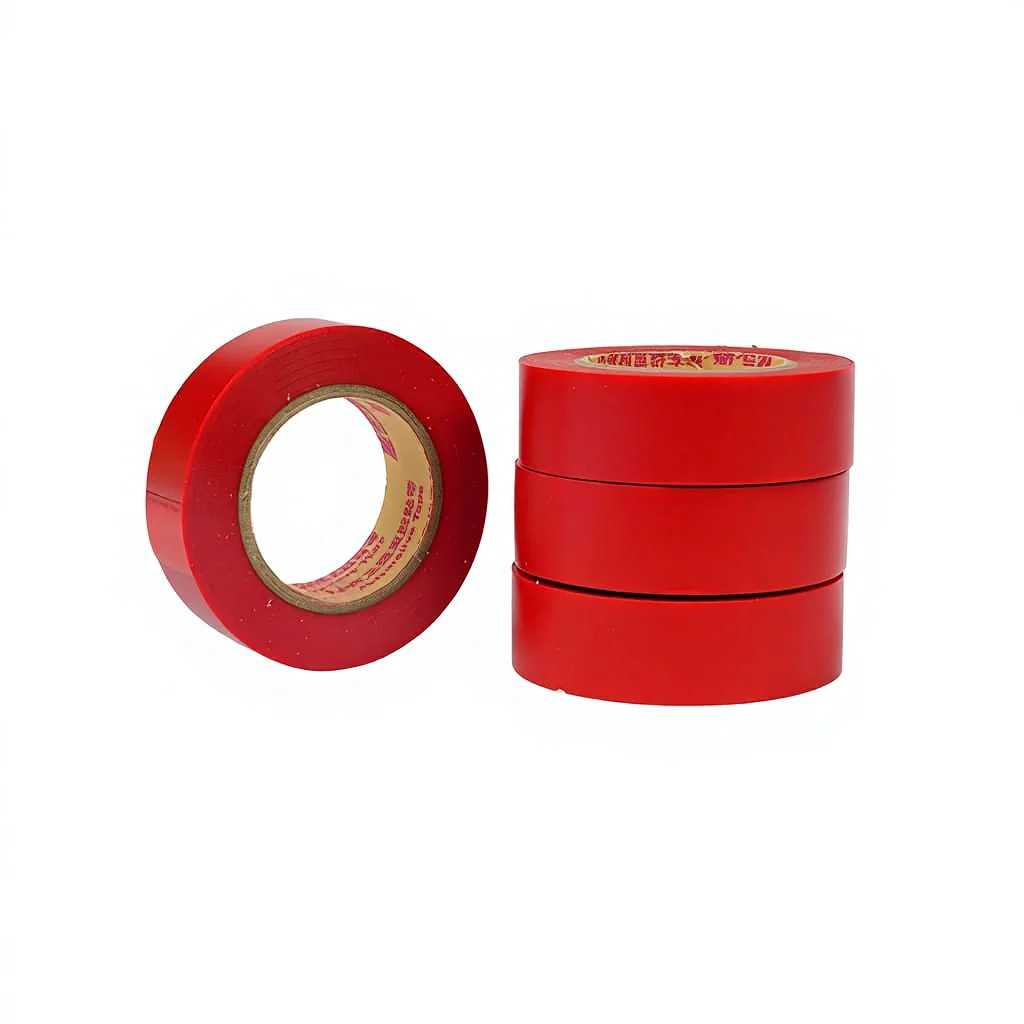
Selecting the right PVC electric tape rolls is crucial for ensuring safety, durability, and performance in industrial and commercial electrical applications. These versatile insulation materials serve as the backbone of electrical installations, providing essential protection against short circuits, moisture, and environmental hazards. Understanding the key factors that distinguish high-quality PVC electric tape rolls from inferior alternatives can save businesses significant costs and prevent dangerous electrical failures. With numerous options available in today's market, making an informed decision requires careful consideration of specifications, performance characteristics, and application requirements.
Understanding PVC Electric Tape Roll Specifications
Thickness Requirements for Different Applications
The thickness of PVC electric tape rolls directly impacts their insulation properties and mechanical strength. Standard electrical tapes typically range from 0.13mm to 0.25mm, with thicker variants providing enhanced durability for demanding industrial environments. For low-voltage applications, 0.13mm thickness often suffices, while high-voltage installations require thicker PVC electric tape rolls to ensure adequate dielectric strength. The relationship between thickness and flexibility also plays a crucial role, as thinner tapes conform better to irregular surfaces but may lack the robustness needed for harsh conditions.
Professional electricians recommend evaluating the specific voltage requirements of each application when selecting PVC electric tape rolls. Higher thickness variants excel in outdoor installations where UV exposure and temperature fluctuations demand superior material performance. The manufacturing process significantly influences thickness consistency, with quality producers maintaining tight tolerances to ensure uniform insulation properties across entire rolls.
Voltage Rating and Dielectric Strength
Dielectric strength represents the maximum electric field that PVC electric tape rolls can withstand before breakdown occurs. Quality electrical tapes typically exhibit dielectric strength values exceeding 40kV per millimeter of thickness, providing substantial safety margins for most commercial applications. Understanding voltage ratings helps prevent catastrophic failures that could result from using inadequately rated materials in high-voltage environments.
Temperature coefficients also affect the dielectric properties of PVC electric tape rolls, with performance degrading at extreme temperatures. Premium manufacturers specify operating temperature ranges and corresponding voltage derating factors to guide proper selection. These specifications become particularly important in industrial settings where ambient temperatures may exceed standard conditions or where thermal cycling occurs regularly.
Material Quality and Composition Analysis
PVC Resin Grade and Purity
The quality of polyvinyl chloride resin used in manufacturing directly determines the performance characteristics of PVC electric tape rolls. Medical-grade or electrical-grade PVC resins offer superior purity levels compared to general-purpose formulations, resulting in better insulation properties and longer service life. Contaminants in lower-grade resins can create weak points that compromise electrical integrity over time.
Plasticizer content and type significantly influence the flexibility and aging characteristics of PVC electric tape rolls. High-quality formulations use stabilized plasticizer systems that resist migration and maintain flexibility throughout the product's operational life. The molecular weight distribution of the PVC resin also affects processing characteristics and final product properties, with narrow distributions typically yielding more consistent performance.
Adhesive System Performance
The adhesive layer represents a critical component that determines how well PVC electric tape rolls bond to various surfaces and maintain adhesion over time. Acrylic-based adhesive systems generally offer superior aging characteristics compared to rubber-based alternatives, maintaining bond strength even under challenging environmental conditions. The adhesive thickness and coverage pattern influence both initial tack and long-term holding power.
Temperature resistance of the adhesive system often limits the overall performance envelope of PVC electric tape rolls. Premium formulations incorporate heat-stable adhesive chemistries that maintain bonding effectiveness at elevated temperatures while resisting cold-flow at lower temperatures. The compatibility between adhesive and PVC backing materials prevents delamination issues that could compromise electrical safety.
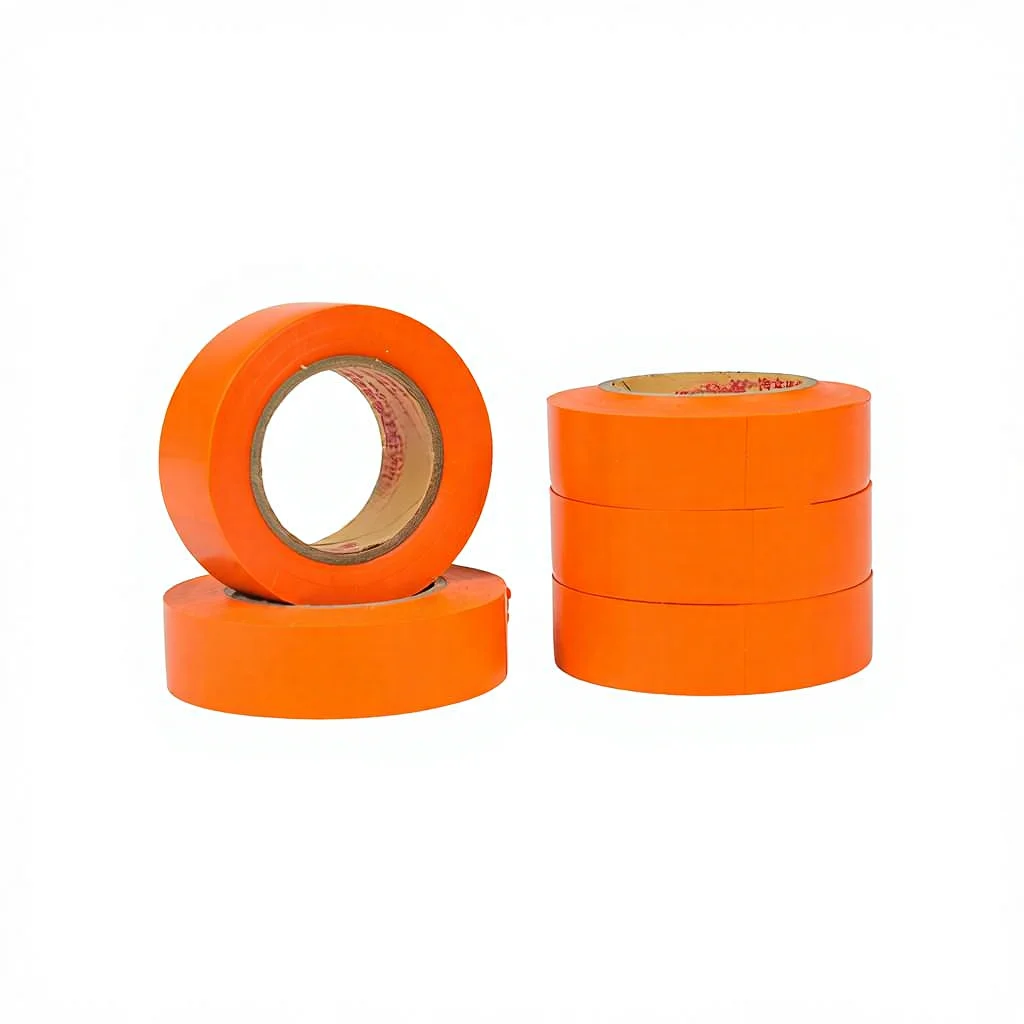
Performance Testing and Certification Standards
Industry Standard Compliance
Reputable manufacturers ensure their PVC electric tape rolls meet or exceed established industry standards such as UL, CSA, and IEC specifications. These certifications verify that products have undergone rigorous testing protocols covering electrical, mechanical, and environmental performance parameters. Compliance with standards provides assurance that the tapes will perform reliably in their intended applications.
The testing procedures for PVC electric tape rolls encompass dielectric withstand voltage tests, flame resistance evaluations, and accelerated aging assessments. These comprehensive evaluations simulate real-world conditions and help predict long-term performance characteristics. Third-party certification adds credibility to manufacturer claims and provides independent verification of product capabilities.
Quality Control and Manufacturing Consistency
Consistent manufacturing processes ensure that every roll of PVC electric tape rolls meets specified performance criteria. Advanced quality control systems monitor key parameters such as thickness uniformity, adhesive application, and electrical properties throughout production. Statistical process control methods help identify and correct variations before they affect product quality.
Batch traceability systems enable manufacturers to track PVC electric tape rolls from raw materials through final packaging, facilitating rapid response to quality issues if they arise. Regular sampling and testing protocols verify that production maintains specified standards, while calibrated instrumentation ensures measurement accuracy and repeatability.
Application-Specific Selection Criteria
Environmental Considerations
Operating environment significantly influences the selection of appropriate PVC electric tape rolls for specific applications. Outdoor installations require UV-resistant formulations that prevent degradation from solar exposure, while indoor applications may prioritize flame resistance or low-smoke characteristics. Chemical resistance becomes important in industrial settings where exposure to solvents or cleaning agents may occur.
Moisture resistance capabilities of PVC electric tape rolls determine their suitability for humid or wet environments. Quality formulations incorporate moisture barriers that prevent water ingress while maintaining electrical insulation properties. The permeability characteristics of different PVC grades affect their performance in applications where vapor transmission must be controlled.
Installation and Handling Requirements
The ease of installation affects both labor costs and final installation quality when using PVC electric tape rolls. Products with appropriate flexibility unwind smoothly and conform to irregular surfaces without requiring excessive force. The tear strength characteristics determine whether manual tearing is practical or if cutting tools are necessary for clean edges.
Storage requirements for PVC electric tape rolls impact inventory management and shelf life considerations. Temperature-sensitive formulations require climate-controlled storage, while stable formulations tolerate wider environmental ranges. Packaging systems protect products from contamination and mechanical damage during storage and transportation.
Cost Analysis and Value Assessment
Total Cost of Ownership Evaluation
While initial purchase price represents an obvious cost factor, the total cost of ownership for PVC electric tape rolls includes installation labor, maintenance requirements, and replacement frequency. Higher-quality products often justify premium pricing through reduced installation time and extended service life. The cost of potential failures from using substandard materials can far exceed the savings from choosing lower-priced alternatives.
Bulk purchasing considerations affect the unit cost of PVC electric tape rolls, with volume discounts available from most suppliers. However, shelf life limitations may make large inventory purchases counterproductive if products deteriorate before use. Balancing inventory carrying costs against volume pricing requires careful analysis of usage patterns and storage capabilities.
Supplier Selection and Reliability
Choosing reliable suppliers for PVC electric tape rolls ensures consistent product availability and technical support when needed. Established manufacturers typically offer comprehensive technical documentation, application guidance, and responsive customer service. The supplier's quality system certifications provide insight into their manufacturing capabilities and commitment to product excellence.
Distribution network coverage affects lead times and shipping costs for PVC electric tape rolls, particularly for urgent requirements or remote locations. Local stocking arrangements can reduce delivery times and provide backup inventory for critical applications. Long-term supplier relationships often yield benefits through priority allocation during supply shortages and access to new product developments.
Quality Assurance and Testing Protocols
Incoming Inspection Procedures
Establishing incoming inspection protocols helps verify that received PVC electric tape rolls meet specified requirements before use in critical applications. Visual inspections check for obvious defects such as delamination, contamination, or dimensional irregularities. Simple electrical tests using portable instruments can verify basic insulation properties and identify gross defects.
Documentation review ensures that certificates of compliance and test reports accompany shipments of PVC electric tape rolls. Proper documentation provides traceability and supports warranty claims if performance issues arise. Regular audits of supplier quality systems help maintain confidence in product consistency and identify potential improvement opportunities.
Performance Monitoring and Feedback
Implementing feedback systems helps track the real-world performance of different PVC electric tape rolls and guides future purchasing decisions. Field failure reports provide valuable data about product limitations and help identify applications where upgraded specifications might be beneficial. Regular performance reviews with suppliers facilitate continuous improvement and product optimization.
Long-term monitoring of installed PVC electric tape rolls helps validate selection criteria and refine application guidelines. Periodic inspections during maintenance activities reveal how different products age under actual service conditions. This information supports evidence-based decision making for future procurement and helps optimize maintenance schedules.
FAQ
What thickness of PVC electric tape rolls should I choose for high-voltage applications?
For high-voltage applications, select PVC electric tape rolls with minimum thickness of 0.20mm to 0.25mm to ensure adequate dielectric strength. Thicker tapes provide better insulation properties and safety margins, particularly important when working with voltages exceeding 1000V. Always verify that the selected tape's voltage rating exceeds your application requirements by at least 50% for safety.
How can I verify the quality of PVC electric tape rolls before purchasing?
Request certificates of compliance showing UL, CSA, or IEC certifications, and ask for technical data sheets specifying dielectric strength, temperature ratings, and adhesion values. Quality PVC electric tape rolls should have consistent thickness, smooth unwinding characteristics, and strong adhesive bonds. Consider requesting samples for testing in your specific application before making large purchases.
What environmental factors affect the performance of PVC electric tape rolls?
UV exposure, temperature extremes, humidity, and chemical exposure significantly impact PVC electric tape rolls performance. UV radiation can cause degradation and brittleness in outdoor applications, while high temperatures may soften the adhesive and reduce bond strength. Select UV-resistant formulations for outdoor use and consider temperature derating factors when operating outside normal ranges.
How long can I store unopened PVC electric tape rolls before they deteriorate?
Properly stored PVC electric tape rolls typically maintain their properties for 3-5 years when kept in cool, dry conditions away from direct sunlight. Storage temperature should remain below 25°C with relative humidity under 70% for optimal shelf life. Check manufacturer specifications for specific storage requirements, as some formulations may have shorter or longer shelf life recommendations.
Table of Contents
- Understanding PVC Electric Tape Roll Specifications
- Material Quality and Composition Analysis
- Performance Testing and Certification Standards
- Application-Specific Selection Criteria
- Cost Analysis and Value Assessment
- Quality Assurance and Testing Protocols
-
FAQ
- What thickness of PVC electric tape rolls should I choose for high-voltage applications?
- How can I verify the quality of PVC electric tape rolls before purchasing?
- What environmental factors affect the performance of PVC electric tape rolls?
- How long can I store unopened PVC electric tape rolls before they deteriorate?