 EN
EN


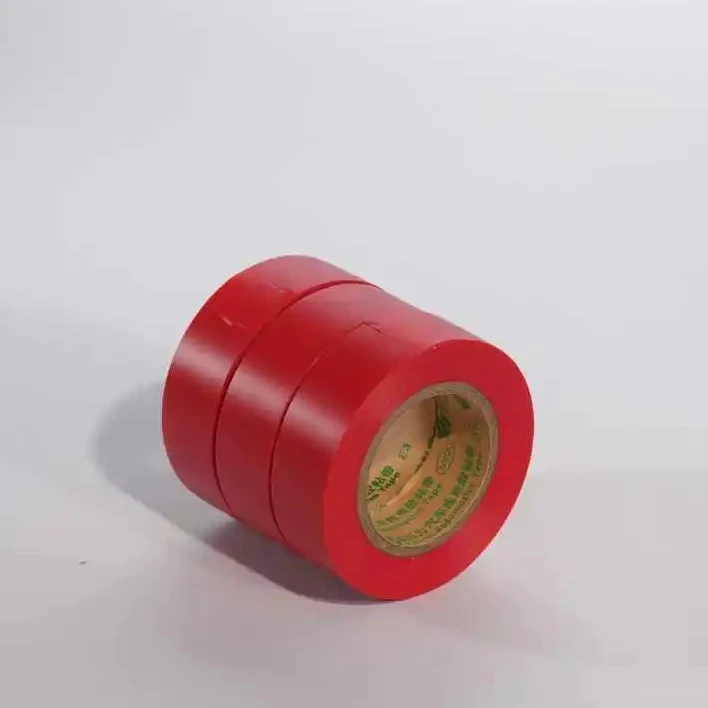
Industrial operations across manufacturing, construction, and electrical sectors rely heavily on specialized adhesive solutions to maintain productivity, safety, and operational efficiency. Among the most critical materials in these environments, PVC tape stands out as an indispensable component that delivers exceptional performance in demanding applications. This synthetic polymer-based adhesive material offers unique properties that make it particularly suitable for large-scale industrial operations where reliability, durability, and cost-effectiveness are paramount concerns.
The decision to invest in PVC tape for industrial applications extends beyond simple adhesive requirements, encompassing considerations of environmental resistance, electrical insulation properties, and long-term performance characteristics. Modern industrial facilities operate under increasingly stringent safety regulations and efficiency demands, making the selection of appropriate materials a critical factor in operational success. Understanding the comprehensive advantages of PVC tape enables procurement professionals and facility managers to make informed decisions that impact both immediate operational needs and long-term cost management strategies.
Superior Durability and Longevity Characteristics
Chemical Resistance Properties
PVC tape demonstrates exceptional resistance to a wide range of industrial chemicals, acids, and alkaline substances commonly encountered in manufacturing environments. This chemical stability ensures that applications maintain their integrity even when exposed to harsh cleaning agents, industrial solvents, and processing chemicals. The polyvinyl chloride substrate provides a protective barrier that prevents degradation, maintaining adhesive strength and electrical insulation properties over extended periods.
Industrial facilities benefit significantly from this chemical resistance, as it reduces the frequency of maintenance interventions and tape replacements. The material's ability to withstand exposure to oils, greases, and various industrial fluids makes it particularly valuable in automotive manufacturing, petrochemical processing, and heavy machinery applications where contamination is unavoidable.
Temperature Stability and Performance
The temperature performance characteristics of PVC tape make it suitable for applications ranging from cold storage facilities to high-temperature industrial processes. This thermal stability ensures consistent adhesive performance across varying environmental conditions, preventing failure in critical applications. The material maintains its flexibility and adhesive properties in temperatures typically ranging from -10°C to 80°C, covering the majority of industrial operating conditions.
Large-scale industrial operations particularly benefit from this temperature stability, as it eliminates the need for seasonal tape replacements or specialized materials for different thermal zones within facilities. This consistency translates to simplified inventory management and reduced procurement complexity across diverse operational areas.
Electrical Insulation Excellence
High Voltage Insulation Capabilities
The electrical insulation properties of PVC tape make it an essential component in industrial electrical systems, power distribution networks, and control panel installations. With dielectric strength ratings typically exceeding 40kV per millimeter of thickness, this material provides reliable protection against electrical faults and ensures worker safety in high-voltage environments. The insulation performance remains consistent over time, maintaining protective characteristics even under continuous electrical stress.
Industrial electrical applications benefit from the tape's ability to conform to irregular surfaces while maintaining continuous insulation coverage. This conformability ensures that complex cable routing, junction boxes, and connection points receive comprehensive electrical protection without gaps or weak points that could compromise system safety or performance.
Moisture and Environmental Protection
The waterproof characteristics of PVC tape provide essential protection for electrical connections in humid industrial environments, outdoor installations, and areas subject to wash-down procedures. This moisture barrier prevents corrosion, electrical shorts, and insulation breakdown that can lead to costly equipment failures and safety hazards. The material's resistance to water infiltration maintains electrical integrity even in challenging environmental conditions.
Industrial facilities operating in coastal areas, high-humidity environments, or applications requiring frequent cleaning benefit significantly from these moisture protection capabilities. The prevention of water-related electrical failures translates to improved system reliability and reduced maintenance costs across large-scale installations.
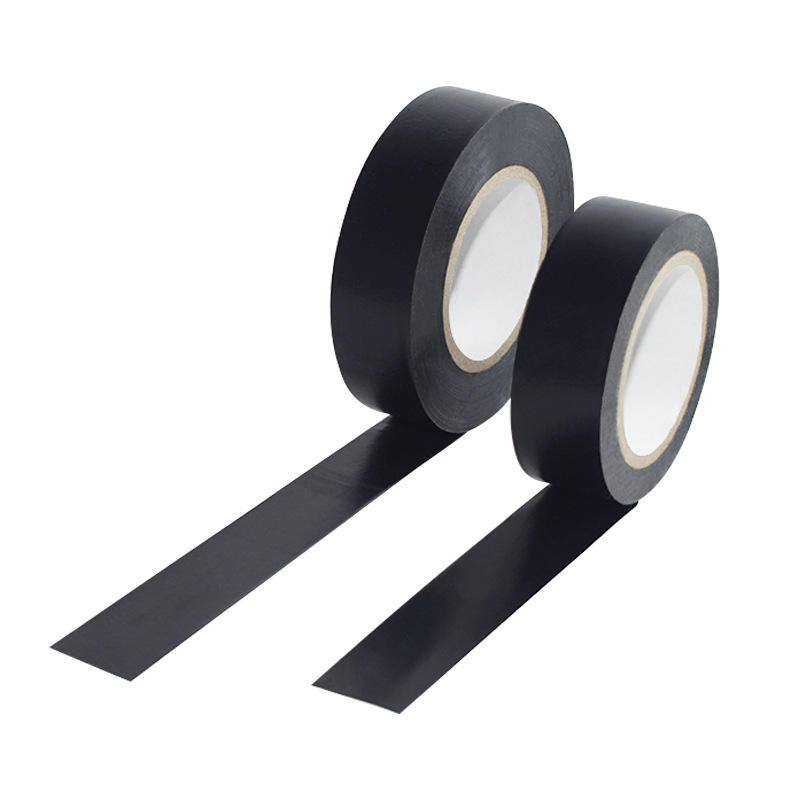
Cost-Effectiveness and Economic Benefits
Bulk Purchasing Advantages
Large-scale industrial operations can achieve significant cost savings through bulk purchasing of PVC tape, with volume discounts often reducing per-unit costs by 20-40% compared to small quantity purchases. This economic advantage becomes particularly pronounced when considering the extensive applications for PVC tape across diverse industrial processes, from electrical installations to general purpose bonding and sealing applications.
The standardization benefits of using PVC tape across multiple applications within industrial facilities simplify procurement processes and reduce inventory complexity. Maintenance teams can utilize the same material for various tasks, reducing training requirements and minimizing the risk of using inappropriate materials in critical applications.
Reduced Maintenance and Replacement Costs
The long service life of PVC tape applications translates to reduced labor costs associated with frequent replacements and maintenance interventions. Industrial facilities typically experience service lives of 5-10 years for PVC tape applications, significantly longer than alternative materials in similar conditions. This extended performance reduces the total cost of ownership and minimizes production disruptions associated with maintenance activities.
The reliability of PVC tape in critical applications reduces the risk of unexpected failures that can result in costly production downtime. This reliability factor becomes increasingly important in automated manufacturing environments where unplanned maintenance interruptions can have cascading effects on production schedules and delivery commitments.
Versatility and Application Range
Multi-Purpose Industrial Applications
The versatility of PVC tape enables its use across numerous industrial applications, from electrical insulation and wire harnessing to temporary repairs and color-coding systems. This multi-purpose capability reduces the need for specialized materials inventory and simplifies material selection processes for maintenance teams. Industrial facilities can address diverse bonding, sealing, and identification requirements using a single material platform.
Manufacturing environments benefit from the tape's ability to provide temporary fixes that can maintain production continuity while permanent repairs are scheduled. This emergency repair capability reduces the impact of equipment failures on production schedules and provides valuable time for proper repair planning and parts procurement.
Compatibility with Industrial Processes
PVC tape demonstrates excellent compatibility with industrial cleaning processes, automated application systems, and quality control procedures. The material's consistent performance characteristics enable integration into standardized maintenance procedures and quality management systems. This process compatibility reduces training requirements and ensures consistent application results across different shifts and personnel.
The material's stability under industrial lighting conditions, including UV exposure in manufacturing environments, ensures that color-coding and identification applications remain visible and accurate over extended periods. This visibility maintenance is crucial for safety systems and process identification requirements in large industrial facilities.
Environmental and Safety Considerations
Compliance with Industrial Standards
Modern PVC tape formulations comply with relevant industrial safety standards and environmental regulations, including RoHS compliance and flame retardant requirements. This compliance ensures that industrial facilities can use these materials without compromising their environmental management systems or regulatory standing. The material's low toxicity and stable chemical composition minimize environmental impact during use and disposal.
Industrial safety protocols benefit from the predictable performance characteristics of PVC tape, enabling the development of standardized safety procedures and risk assessments. The material's well-documented performance parameters support safety management systems and facilitate compliance with occupational health and safety regulations.
Worker Safety and Handling
The ease of handling and application of PVC tape reduces worker exposure to hazardous conditions and minimizes the risk of application errors that could compromise safety systems. The material's flexibility and conformability enable application in confined spaces and awkward positions without requiring specialized tools or techniques. This user-friendly characteristic reduces training requirements and improves application consistency across different personnel.
The visible identification capabilities of colored PVC tape support safety management systems by enabling clear marking of hazardous areas, emergency equipment, and critical systems. This visual identification capability enhances workplace safety by providing immediate recognition of important safety-related installations and equipment.
Quality Control and Performance Consistency
Manufacturing Standards and Specifications
Industrial-grade PVC tape undergoes rigorous quality control processes to ensure consistent performance characteristics across production batches. These manufacturing standards encompass adhesive strength testing, electrical insulation verification, and environmental resistance validation. The consistent quality enables industrial facilities to develop reliable maintenance procedures and performance expectations based on documented material characteristics.
The availability of certified test data and performance specifications supports quality management systems and enables procurement professionals to make informed decisions based on objective performance criteria. This documentation facilitates the integration of PVC tape into formal quality assurance procedures and regulatory compliance programs.
Long-Term Performance Predictability
The well-established performance history of PVC tape in industrial applications provides valuable data for predicting long-term service life and planning maintenance schedules. This predictability enables facility managers to develop accurate budgeting and resource allocation plans based on historical performance data. The consistent aging characteristics of the material support proactive maintenance strategies that minimize unexpected failures.
Industrial facilities benefit from the predictable degradation patterns of PVC tape, which enable the development of condition-based maintenance programs. These programs optimize replacement schedules based on actual performance rather than arbitrary time intervals, improving cost-effectiveness while maintaining safety and reliability standards.
FAQ
What thickness of PVC tape is most suitable for industrial electrical applications
Industrial electrical applications typically require PVC tape thickness ranging from 0.13mm to 0.25mm, depending on voltage levels and environmental conditions. For high-voltage applications exceeding 1000V, thicker variants provide enhanced dielectric strength and safety margins. The 0.13mm thickness offers optimal balance between flexibility and insulation performance for most standard industrial electrical installations, while thicker options provide additional protection in demanding environments.
How does PVC tape performance compare to alternative materials in high-temperature industrial environments
PVC tape maintains stable adhesive and insulation properties in temperatures up to 80°C, making it suitable for most industrial applications. While specialized materials like PTFE or silicone tapes offer higher temperature resistance, PVC tape provides superior cost-effectiveness and availability for standard industrial temperature ranges. The material's thermal stability ensures consistent performance in typical manufacturing environments without the premium costs associated with high-temperature specialty materials.
What are the key storage requirements for maintaining PVC tape quality in industrial settings
PVC tape should be stored in controlled environments with temperatures between 15-25°C and relative humidity below 65% to maintain optimal adhesive performance. Industrial storage areas should protect materials from direct sunlight, extreme temperatures, and chemical vapors that could affect adhesive properties. Proper storage rotation using first-in-first-out principles ensures materials are used within their optimal performance window, typically 24-36 months from manufacture date.
How can industrial facilities optimize their PVC tape procurement and inventory management
Effective PVC tape management involves analyzing usage patterns across different applications to determine optimal ordering quantities and frequencies. Industrial facilities should consolidate requirements across departments to maximize volume discounts while maintaining appropriate safety stock levels. Implementing standardized specifications across applications simplifies procurement processes and reduces inventory complexity, while regular consumption analysis enables demand forecasting and automated reordering systems to prevent stockouts in critical applications.
Table of Contents
- Superior Durability and Longevity Characteristics
- Electrical Insulation Excellence
- Cost-Effectiveness and Economic Benefits
- Versatility and Application Range
- Environmental and Safety Considerations
- Quality Control and Performance Consistency
-
FAQ
- What thickness of PVC tape is most suitable for industrial electrical applications
- How does PVC tape performance compare to alternative materials in high-temperature industrial environments
- What are the key storage requirements for maintaining PVC tape quality in industrial settings
- How can industrial facilities optimize their PVC tape procurement and inventory management