 EN
EN


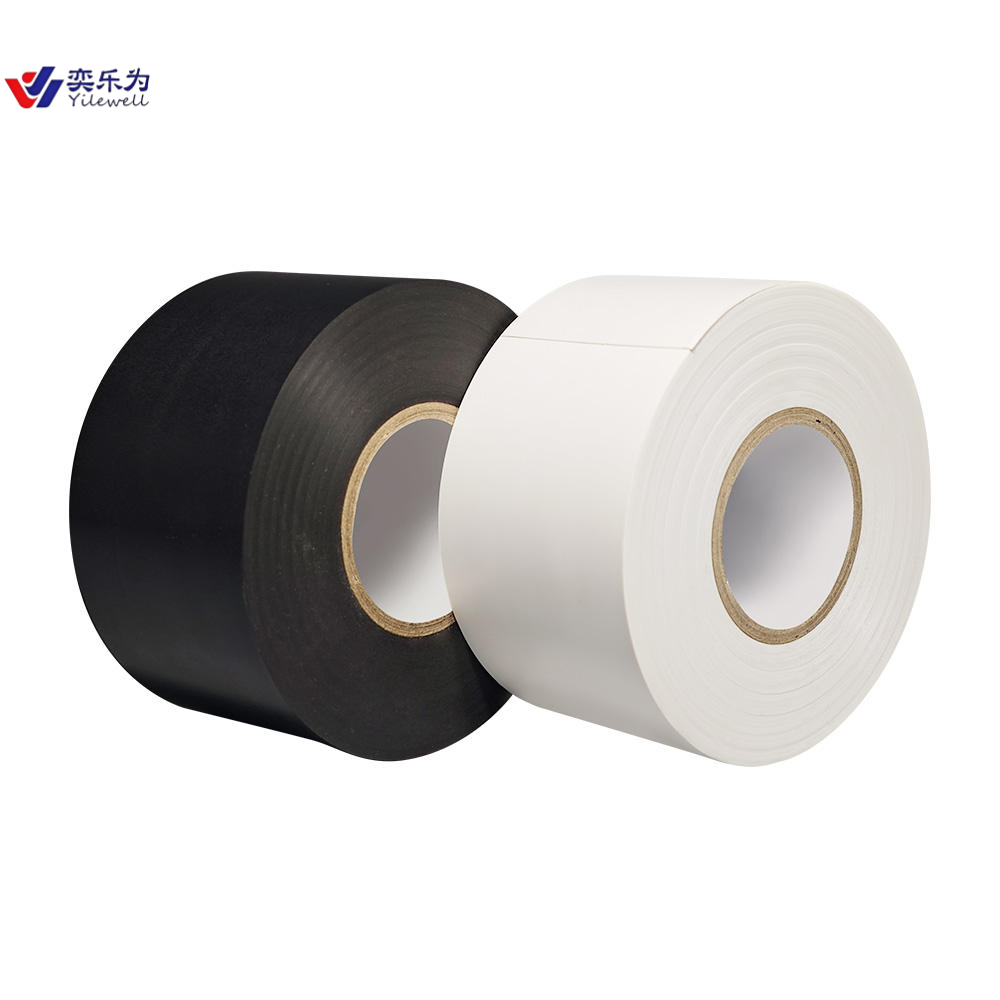
Industrial environments demand reliable, versatile solutions for electrical insulation, cable management, and protective applications. PVC tape has emerged as a cornerstone material in manufacturing facilities, construction sites, and maintenance operations worldwide. This synthetic adhesive tape offers exceptional durability, chemical resistance, and electrical insulation properties that make it indispensable across numerous industrial sectors. Understanding the specific applications where PVC tape excels can help facility managers, electricians, and maintenance professionals optimize their material selection and improve operational efficiency.
Electrical Insulation and Safety Applications
Primary Electrical Insulation
The most fundamental application of PVC tape lies in electrical insulation systems across industrial facilities. This versatile material provides reliable protection for wire splices, terminal connections, and conductor joints in environments ranging from light manufacturing to heavy industrial operations. PVC tape exhibits excellent dielectric strength, typically withstanding voltages up to 600 volts, making it suitable for most commercial and industrial electrical applications. Its conformable nature allows technicians to create tight, secure wraps around irregular shapes and multiple conductor configurations.
Manufacturing plants rely heavily on PVC tape for routine electrical maintenance and emergency repairs. The tape's ability to maintain insulation integrity under temperature fluctuations and mechanical stress ensures continued electrical safety in dynamic industrial environments. Quality PVC tape formulations resist cracking and degradation even when exposed to oils, solvents, and cleaning chemicals commonly found in industrial settings.
Circuit Protection and Identification
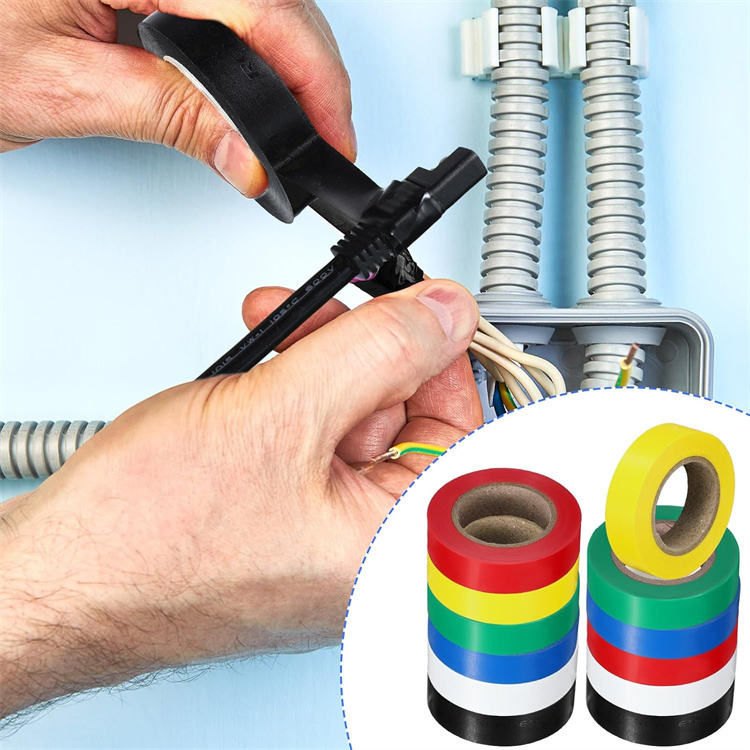
Beyond basic insulation, PVC tape serves critical functions in electrical circuit organization and identification systems. Color-coded PVC tape enables electrical technicians to implement standardized wiring identification protocols, reducing maintenance time and improving safety compliance. Industrial facilities often employ multiple colors of PVC tape to differentiate between voltage levels, circuit functions, and equipment categories.
The tape's excellent adhesion properties ensure that identification markings remain securely attached throughout the equipment's operational lifespan. This reliability proves especially valuable in environments subject to vibration, temperature cycling, and exposure to industrial cleaning procedures. PVC tape maintains its color integrity and adhesive bond even under challenging industrial conditions.
Cable Management and Organization
Harness Assembly and Bundling
Industrial cable management represents another primary application domain for PVC tape technology. Manufacturing facilities, data centers, and process control installations require systematic organization of complex cable runs and wire harnesses. PVC tape provides the mechanical strength and durability necessary to secure multiple cables into organized bundles while maintaining flexibility for future modifications or expansions.
The tape's excellent tensile strength ensures that cable bundles remain intact under mechanical stress, vibration, and thermal expansion cycles common in industrial environments. Unlike traditional cable ties or clamps, PVC tape allows for easy modification and reconfiguration of cable arrangements without requiring specialized tools or complete disassembly of existing installations.
Environmental Protection Systems
PVC tape excels in applications requiring environmental protection for electrical connections and cable terminations. Industrial environments often expose electrical systems to moisture, dust, chemical vapors, and temperature extremes that can compromise connection integrity and system reliability. Quality PVC tape formulations provide effective sealing against these environmental challenges while maintaining electrical insulation properties.
The material's inherent water resistance and chemical compatibility make it particularly valuable in food processing facilities, chemical plants, and outdoor industrial installations. PVC tape creates reliable moisture barriers around electrical connections, preventing corrosion and maintaining system performance in demanding environmental conditions.
Maintenance and Repair Operations
Emergency Electrical Repairs
Industrial maintenance teams depend on PVC tape for emergency electrical repairs that minimize downtime and restore system functionality quickly. The tape's immediate availability and ease of application enable technicians to implement temporary repairs while arranging for permanent solutions. PVC tape provides sufficient electrical insulation and mechanical protection to maintain safe operation during emergency repair situations.
Manufacturing facilities often stock multiple grades and colors of PVC tape to address various emergency scenarios effectively. The material's long shelf life and stable performance characteristics ensure readiness for unexpected maintenance requirements. Emergency applications particularly benefit from PVC tape's ability to conform to irregular surfaces and provide reliable insulation under stress.
Preventive Maintenance Programs
Scheduled maintenance programs in industrial facilities regularly utilize PVC tape for connection refurbishment, cable protection upgrades, and insulation system improvements. The tape's cost-effectiveness and proven performance make it an ideal material for large-scale maintenance initiatives that enhance system reliability without requiring significant capital investment.
Preventive maintenance applications often involve rewrapping existing connections with fresh PVC tape to restore insulation integrity and extend equipment service life. This approach proves particularly valuable for aging electrical systems where complete replacement may not be economically justified but continued reliable operation remains essential.
Specialized Industrial Applications
High-Temperature Environments
Certain industrial applications require PVC tape formulations specifically designed for elevated temperature service. Steel mills, glass manufacturing facilities, and chemical processing plants often operate electrical systems in environments where standard materials would fail prematurely. Advanced PVC tape compounds maintain their electrical and mechanical properties at temperatures significantly above normal operating ranges.
These specialized PVC tape formulations incorporate heat-stabilizing additives and enhanced polymer matrices that resist thermal degradation while maintaining flexibility and adhesion performance. Applications in high-temperature environments benefit from the material's ability to maintain electrical insulation integrity throughout extended exposure cycles.
Chemical Resistance Requirements
Industrial facilities handling aggressive chemicals, solvents, and cleaning agents require electrical insulation materials that maintain performance despite chemical exposure. PVC tape formulations designed for chemical resistance applications incorporate specialized polymer systems and additive packages that resist degradation from common industrial chemicals.
Chemical processing plants, pharmaceutical manufacturing facilities, and cleaning equipment installations rely on chemical-resistant PVC tape to maintain electrical system integrity in challenging chemical environments. The material's inherent chemical compatibility with many industrial substances makes it particularly suitable for these demanding applications.
Quality Considerations and Selection Criteria
Performance Standards and Certifications
Industrial applications of PVC tape require careful attention to performance standards and industry certifications that ensure reliable operation and safety compliance. Quality PVC tape products undergo rigorous testing for electrical properties, mechanical strength, environmental resistance, and long-term stability under industrial operating conditions.
Facility managers should prioritize PVC tape products that meet relevant industry standards such as UL listing, CSA certification, and RoHS compliance. These certifications provide assurance that the material will perform reliably in industrial applications while meeting safety and environmental requirements.
Application-Specific Selection Guidelines
Successful PVC tape implementation requires matching material properties to specific application requirements and environmental conditions. Factors such as operating temperature range, chemical exposure, mechanical stress levels, and electrical requirements should guide material selection decisions for optimal performance and cost-effectiveness.
Industrial facilities benefit from establishing standardized PVC tape specifications that address their most common application requirements while maintaining flexibility for specialized needs. This approach ensures consistent performance while simplifying inventory management and procurement processes.
FAQ
What voltage ratings are appropriate for industrial PVC tape applications
Most industrial PVC tape applications utilize products rated for 600 volts or less, which covers the majority of commercial and light industrial electrical systems. However, specialized high-voltage formulations are available for applications requiring greater electrical insulation capacity. Always verify that the tape's voltage rating exceeds the maximum system voltage by an appropriate safety margin as determined by applicable electrical codes and safety standards.
How does temperature affect PVC tape performance in industrial environments
Standard PVC tape typically operates effectively in temperature ranges from -10°C to 80°C, though specific formulations may extend these limits significantly. Temperature affects both the tape's mechanical properties and adhesive performance, with extreme cold potentially reducing flexibility and extreme heat potentially affecting adhesive bond strength. For applications involving significant temperature variations, consider PVC tape formulations specifically designed for extended temperature service.
What factors determine the appropriate thickness for industrial PVC tape applications
PVC tape thickness selection depends on mechanical protection requirements, electrical insulation needs, and application constraints. Thicker tapes provide enhanced mechanical protection and electrical insulation but may be more difficult to apply in tight spaces or around small conductors. Common industrial thicknesses range from 0.13mm to 0.25mm, with thicker options available for specialized applications requiring additional protection or insulation capacity.
How should PVC tape be stored to maintain performance in industrial settings
Proper storage of PVC tape involves maintaining moderate temperatures, avoiding direct sunlight exposure, and protecting the material from contamination by dust, oils, or chemicals. Store tape in original packaging when possible, and maintain storage areas between 15°C and 25°C with relative humidity below 65%. Avoid storing PVC tape near heat sources, solvents, or in areas subject to temperature cycling that could affect adhesive properties or tape flexibility.
Table of Contents
- Electrical Insulation and Safety Applications
- Cable Management and Organization
- Maintenance and Repair Operations
- Specialized Industrial Applications
- Quality Considerations and Selection Criteria
-
FAQ
- What voltage ratings are appropriate for industrial PVC tape applications
- How does temperature affect PVC tape performance in industrial environments
- What factors determine the appropriate thickness for industrial PVC tape applications
- How should PVC tape be stored to maintain performance in industrial settings