 EN
EN


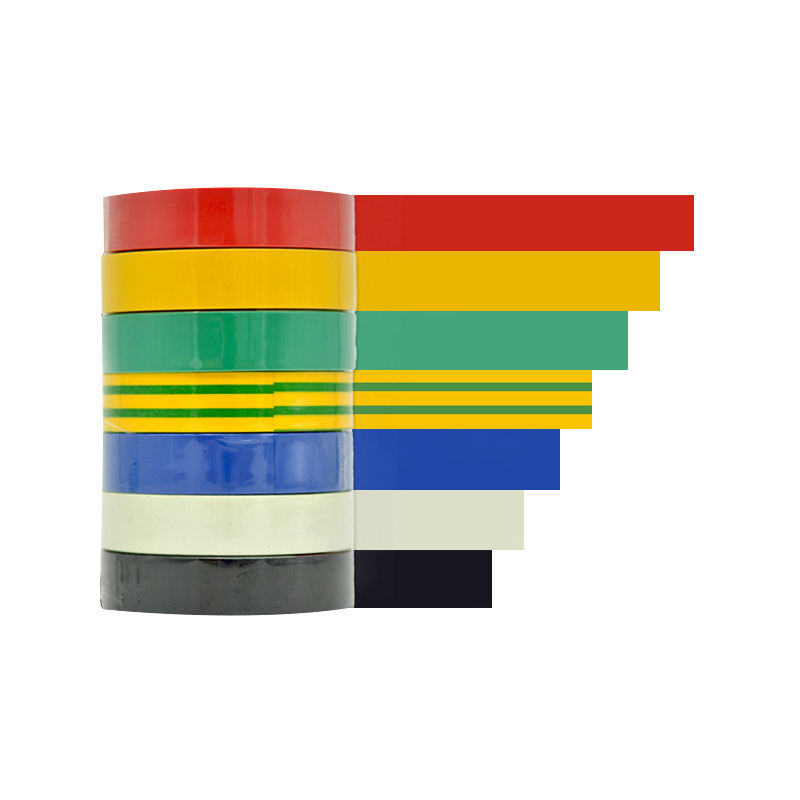
Modern vehicles operate under increasingly demanding thermal conditions, with engine compartments regularly experiencing temperatures exceeding 150°C during normal operation. In these challenging environments, automotive heat-resistant tape serves as a critical protective barrier for sensitive electrical components, wiring harnesses, and various automotive systems. This specialized adhesive solution provides essential insulation and protection that standard tapes simply cannot deliver, ensuring vehicle reliability and safety across diverse operating conditions.
The automotive industry's evolution toward more compact engine designs and higher performance requirements has intensified the need for superior thermal management solutions. Automotive heat-resistant tape represents a fundamental component in protecting vital vehicle systems from thermal damage while maintaining optimal performance standards. Understanding how these protective materials function and their specific applications helps automotive manufacturers, repair technicians, and enthusiasts make informed decisions about thermal protection strategies.
Understanding Thermal Challenges in Automotive Applications
Engine Compartment Temperature Variations
Engine compartments present extreme thermal environments where temperatures can fluctuate dramatically within short timeframes. During cold starts, temperatures may begin below freezing, then rapidly climb to operational levels exceeding 100°C within minutes. Peak temperatures around exhaust manifolds, turbochargers, and high-performance engines can reach 200°C or higher, creating zones where standard materials quickly degrade.
These temperature variations create thermal cycling stress that repeatedly expands and contracts materials, leading to fatigue and eventual failure of inadequately protected components. Automotive heat-resistant tape must withstand these cycling conditions while maintaining adhesive integrity and protective properties. The tape's ability to accommodate thermal expansion prevents delamination and ensures continuous protection throughout the vehicle's operational lifecycle.
Heat Sources and Distribution Patterns
Multiple heat sources within automotive systems create complex thermal distribution patterns that require strategic protection planning. Primary heat sources include exhaust systems, engine blocks, transmission components, and braking systems. Secondary heat generation occurs through electrical resistance in high-current circuits, friction in mechanical systems, and heat soak from adjacent hot components.
Understanding these heat distribution patterns enables proper application of automotive heat-resistant tape in critical protection zones. Strategic placement around exhaust routing, near turbocharger installations, and along wiring harnesses that traverse high-temperature areas provides essential thermal barriers. The tape's thermal conductivity properties help distribute heat evenly, preventing localized hot spots that could damage sensitive components.
Material Science Behind Heat-Resistant Protection
Advanced Polymer Compositions
Modern automotive heat-resistant tape utilizes sophisticated polymer chemistries designed to maintain structural integrity at elevated temperatures. Silicone-based adhesives provide excellent thermal stability, remaining flexible and adherent across wide temperature ranges. Polyimide backing materials offer exceptional thermal resistance while maintaining mechanical strength and dimensional stability under thermal stress.
These advanced materials undergo extensive thermal cycling testing to verify performance under real-world automotive conditions. The polymer matrix is engineered to resist thermal degradation, preventing brittleness, cracking, or adhesive failure that could compromise protection. Cross-linked polymer structures provide superior temperature resistance compared to conventional tape materials, ensuring reliable performance throughout extended service intervals.
Thermal Barrier Properties
Effective automotive heat-resistant tape functions as a thermal barrier through multiple protective mechanisms. Low thermal conductivity reduces heat transfer through the tape material, protecting underlying components from temperature exposure. Reflective surfaces can redirect radiant heat away from sensitive areas, while insulative properties create thermal breaks in heat conduction paths.
The tape's thickness and density contribute to thermal resistance, with engineered layered constructions optimizing protection versus weight and space constraints. Multiple-layer designs may incorporate reflective foils, insulative cores, and protective outer layers to maximize thermal barrier effectiveness. These sophisticated constructions enable thin tape profiles to deliver substantial thermal protection in space-constrained automotive applications.
Critical Applications in Automotive Systems
Wiring Harness Protection
Automotive wiring harnesses represent one of the most critical applications for automotive heat-resistant tape, as electrical systems must maintain reliable operation despite proximity to heat sources. Wire insulation can degrade rapidly when exposed to excessive temperatures, leading to short circuits, system failures, or potential fire hazards. Heat-resistant tape provides essential secondary protection for wire bundles routing through high-temperature zones.
Proper wiring harness protection requires comprehensive coverage of vulnerable sections, including areas near exhaust systems, engine blocks, and transmission housings. The tape must conform to complex routing geometries while maintaining secure adhesion to prevent unwrapping or migration. Split-resistant constructions ensure the tape remains intact even when subjected to vibration and mechanical stress common in automotive environments.
Component Shielding and Insulation
Sensitive electronic components, sensors, and control modules require thermal shielding to maintain operational specifications and prevent premature failure. Automotive heat-resistant tape provides flexible insulation solutions that can be applied to irregularly shaped components without requiring custom-molded shields. This adaptability enables cost-effective protection for diverse component geometries and installation configurations.
Temperature-sensitive components such as oxygen sensors, fuel injectors, and electronic control units benefit from localized thermal barriers that maintain optimal operating temperatures. The tape's ability to create sealed barriers prevents hot air circulation around protected components while allowing necessary cooling airflow in adjacent areas. Selective application enables thermal management strategies that balance protection with cooling requirements.
Performance Standards and Testing Requirements
Automotive Industry Specifications
Automotive heat-resistant tape must meet rigorous industry standards that verify performance under simulated and real-world conditions. Standards such as SAE J1128 for automotive wire and cable specifications include requirements for thermal resistance that extend to protective tapes. European automotive standards like ISO 6722 establish similar thermal performance criteria that tape manufacturers must demonstrate through comprehensive testing protocols.
These standards encompass temperature exposure testing, thermal cycling evaluations, and long-term aging assessments that validate tape performance throughout expected service life. Compliance testing includes exposure to automotive fluids, salt spray corrosion resistance, and UV stability testing that ensures the tape maintains protective properties under diverse environmental conditions. Meeting these stringent requirements provides assurance of reliable protection in demanding automotive applications.
Quality Assurance and Validation
Comprehensive quality assurance programs verify that automotive heat-resistant tape consistently meets performance specifications across production batches. Statistical process control monitors critical parameters such as adhesive strength, thermal resistance, and dimensional tolerances to ensure product reliability. Accelerated aging tests simulate extended service exposure to validate long-term performance predictions.
Field validation programs involve installation of test samples in operating vehicles to verify real-world performance under actual service conditions. These programs provide valuable feedback on tape performance, durability, and application techniques that inform product improvements and application guidelines. Continuous monitoring of field performance ensures that automotive heat-resistant tape solutions evolve to meet advancing automotive technology requirements.
Installation Techniques and Best Practices
Surface Preparation and Application Methods
Successful automotive heat-resistant tape installation begins with proper surface preparation that ensures optimal adhesive bonding. Surfaces must be clean, dry, and free from oils, dirt, or residual adhesives that could compromise bond strength. Solvent cleaning followed by thorough drying provides the ideal substrate condition for maximum adhesive performance and longevity.
Application technique significantly influences tape performance, with consistent pressure during installation ensuring complete adhesive contact. Rolling or pressing the tape firmly eliminates air bubbles and ensures intimate surface contact that maximizes bond strength. Proper overlap techniques at joints and terminations prevent edge lifting and maintain continuous protection along the entire application length.
Environmental Considerations During Installation
Installation conditions affect adhesive bonding and initial tape performance, requiring attention to temperature and humidity during application. Moderate temperatures between 15-25°C provide optimal conditions for adhesive flow and bonding, while extreme temperatures can compromise initial bond formation. Low humidity conditions prevent moisture interference with adhesive bonding mechanisms.
Allowing adequate cure time before exposing newly installed automotive heat-resistant tape to operational temperatures ensures proper adhesive development. Initial bond strength may be limited immediately after installation, with full adhesive strength developing over 24-72 hours depending on specific tape formulations. Planning installation timing to accommodate cure periods prevents premature failure and ensures optimal long-term performance.
Maintenance and Inspection Protocols
Regular Assessment Procedures
Routine inspection of automotive heat-resistant tape installations helps identify potential issues before they lead to component damage or system failures. Visual inspection focuses on signs of edge lifting, discoloration, or physical damage that could compromise protective effectiveness. Thermal imaging can reveal areas where tape protection may be degraded, allowing for targeted replacement before critical failures occur.
Systematic inspection schedules should align with regular vehicle maintenance intervals, incorporating tape assessment into comprehensive system evaluations. Documentation of tape condition over time provides valuable data on performance trends and replacement timing. Proactive replacement based on condition assessment prevents unexpected failures and maintains reliable thermal protection throughout vehicle service life.
Replacement and Upgrade Strategies
When replacement becomes necessary, proper removal techniques preserve substrate surfaces and enable effective new tape installation. Heat application can soften aged adhesives, facilitating removal without damaging protected components or wire insulation. Complete adhesive residue removal ensures optimal bonding for replacement tape applications.
Upgrade opportunities may arise when newer automotive heat-resistant tape formulations offer improved performance characteristics. Enhanced thermal resistance, better conformability, or extended service life can justify proactive replacement even when existing tape remains functional. Evaluating cost-benefit relationships helps determine optimal upgrade timing that balances performance improvements against replacement costs.
FAQ
What temperature range can automotive heat-resistant tape withstand?
High-quality automotive heat-resistant tape typically withstands continuous operating temperatures from -40°C to +150°C, with short-term exposure capabilities up to 200°C. Premium formulations may extend these ranges further, depending on specific material compositions and intended applications. Temperature resistance varies among different tape products, so selecting appropriate specifications for specific thermal environments is essential.
How long does automotive heat-resistant tape maintain its protective properties?
Under normal automotive operating conditions, quality automotive heat-resistant tape maintains effective protection for 5-10 years or longer. Service life depends on temperature exposure severity, thermal cycling frequency, and environmental conditions such as moisture, chemicals, and UV exposure. Regular inspection helps determine actual service life in specific applications and guides replacement timing.
Can automotive heat-resistant tape be applied over existing wire insulation?
Yes, automotive heat-resistant tape is designed for application over existing wire insulation as secondary protection. The tape provides additional thermal barrier properties without requiring removal of original insulation. Proper application technique ensures the tape conforms to wire bundle shapes and maintains secure adhesion without creating bulk that interferes with routing or connector engagement.
What factors should be considered when selecting automotive heat-resistant tape?
Key selection factors include maximum operating temperature, adhesive compatibility with substrate materials, conformability to application geometry, and resistance to automotive fluids and environmental conditions. Thickness requirements, electrical insulation properties, and flame resistance characteristics may also influence selection depending on specific application requirements. Consulting with tape manufacturers helps ensure optimal product selection for particular automotive applications.
Table of Contents
- Understanding Thermal Challenges in Automotive Applications
- Material Science Behind Heat-Resistant Protection
- Critical Applications in Automotive Systems
- Performance Standards and Testing Requirements
- Installation Techniques and Best Practices
- Maintenance and Inspection Protocols
-
FAQ
- What temperature range can automotive heat-resistant tape withstand?
- How long does automotive heat-resistant tape maintain its protective properties?
- Can automotive heat-resistant tape be applied over existing wire insulation?
- What factors should be considered when selecting automotive heat-resistant tape?