 EN
EN


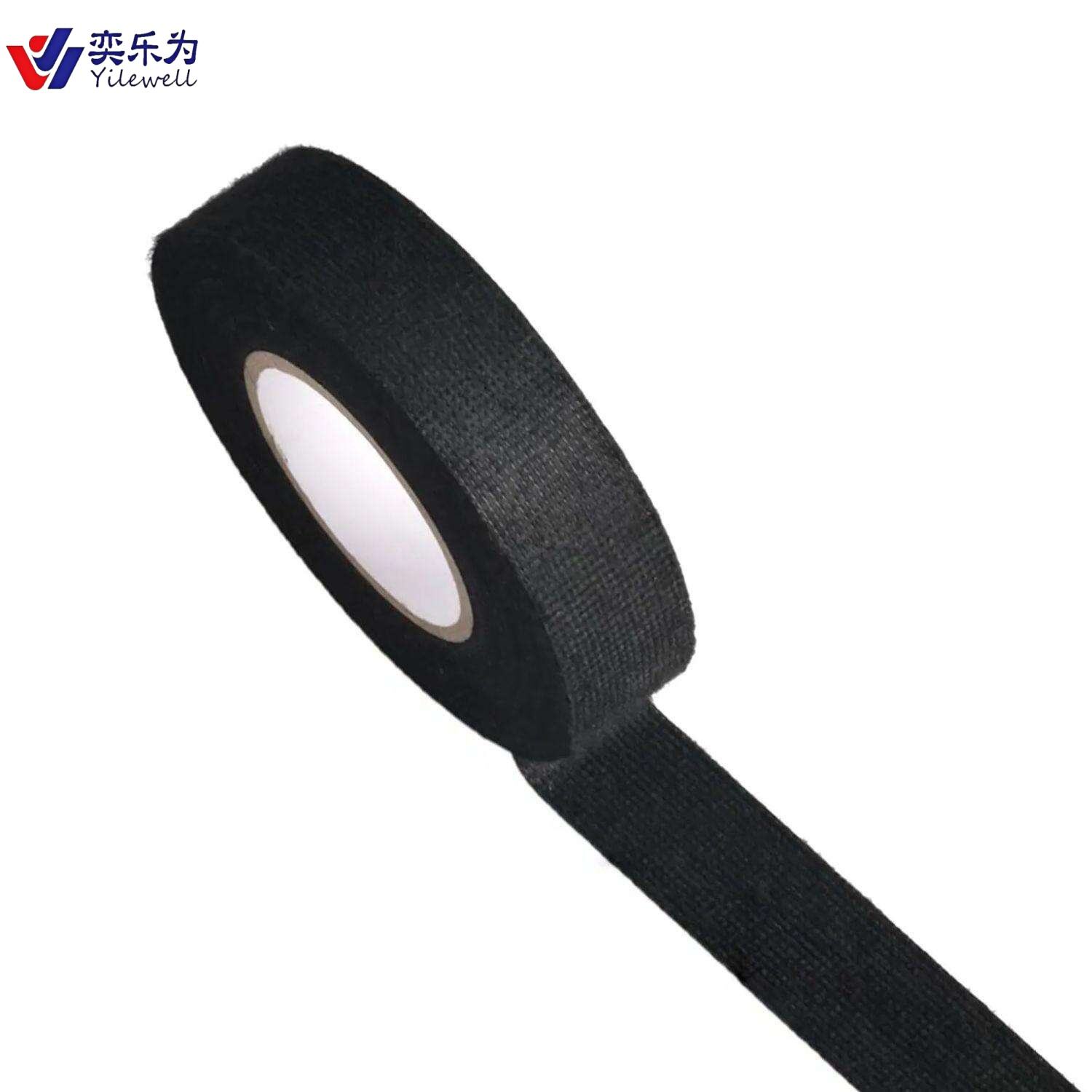
Modern automotive systems operate under extreme thermal conditions, with engine compartments routinely experiencing temperatures exceeding 200°C and exhaust systems reaching over 800°C. In these harsh environments, automotive heat-resistant tapes serve as critical protective barriers that ensure vehicle reliability, safety, and longevity. These specialized adhesive solutions have become indispensable components in automotive manufacturing and maintenance, providing thermal insulation, vibration dampening, and electrical protection where conventional materials would fail catastrophically.
The automotive industry's evolution toward higher-performance engines, hybrid powertrains, and electric vehicles has intensified thermal management challenges. Engineers must protect sensitive wiring harnesses, sensors, and components from heat damage while maintaining optimal system performance. Automotive heat-resistant tapes address these challenges by offering superior thermal stability, chemical resistance, and mechanical durability that conventional materials cannot match. Their application extends beyond simple insulation to encompass noise reduction, electromagnetic interference shielding, and structural reinforcement in critical automotive systems.
Understanding Thermal Challenges in Automotive Applications
Engine Bay Temperature Extremes
Engine compartments represent some of the most thermally demanding environments in automotive applications. During normal operation, temperatures near the exhaust manifold can reach 400-600°C, while turbocharger housings may exceed 700°C. These extreme conditions create significant challenges for component protection, as traditional adhesive tapes and insulation materials rapidly degrade under such thermal stress. Automotive heat-resistant tapes must withstand these temperatures while maintaining their protective properties over extended periods.
The thermal cycling experienced in engine bays compounds these challenges, as components undergo repeated heating and cooling cycles during daily operation. This thermal cycling can cause material expansion and contraction, leading to adhesive failure, cracking, and eventual component exposure. High-quality automotive heat-resistant tapes are engineered to accommodate these thermal cycles without losing adhesion or protective capabilities, ensuring consistent performance throughout the vehicle's operational life.
Exhaust System Thermal Management
Exhaust systems present even more extreme thermal conditions, with gas temperatures often exceeding 800°C immediately after the combustion chamber. These systems require specialized protection for nearby components, including fuel lines, brake lines, and electrical harnesses that could suffer catastrophic failure if exposed to direct heat. Automotive heat-resistant tapes provide essential thermal barriers that protect these critical systems from radiant and conductive heat transfer.
Modern exhaust after-treatment systems, including catalytic converters and diesel particulate filters, operate at elevated temperatures to achieve optimal emission reduction. The proximity of sensitive electronic components to these hot surfaces necessitates robust thermal protection. Automotive heat-resistant tapes offer the thermal stability and adhesive strength required to maintain protective barriers in these demanding applications, preventing heat-related component failures and maintaining emission system efficiency.
Material Science Behind Heat-Resistant Tape Technology
Advanced Polymer Substrates
The substrate material forms the foundation of automotive heat-resistant tapes, determining their maximum operating temperature and mechanical properties. Polyimide films, known for their exceptional thermal stability, can withstand continuous exposure to temperatures exceeding 260°C while maintaining flexibility and tear resistance. These materials exhibit minimal thermal expansion and excellent chemical resistance, making them ideal for demanding automotive applications where dimensional stability is crucial.
Fiberglass cloth substrates provide enhanced mechanical strength and temperature resistance, capable of withstanding temperatures up to 550°C in specialized applications. The woven structure of fiberglass offers superior tear resistance and conformability around irregular surfaces, essential characteristics for protecting complex automotive components. When combined with appropriate adhesive systems, these substrates create automotive heat-resistant tapes that deliver exceptional performance in the most challenging thermal environments.
High-Temperature Adhesive Systems
The adhesive component of automotive heat-resistant tapes must maintain bonding strength across extreme temperature ranges while resisting chemical degradation from automotive fluids and exhaust gases. Silicone-based adhesives offer excellent temperature stability and flexibility, maintaining adhesion from -50°C to over 200°C. These adhesives resist aging, oxidation, and chemical attack, ensuring long-term performance in automotive environments.
Acrylic adhesive systems provide superior initial tack and shear strength, making them ideal for applications requiring immediate adhesion and high holding power. Advanced acrylic formulations can withstand temperatures up to 150°C while maintaining excellent adhesion to various automotive substrates, including painted surfaces, plastics, and metals. The choice of adhesive system depends on specific application requirements, including temperature exposure, substrate compatibility, and performance duration.
Critical Applications in Engine Protection
Wiring Harness Insulation
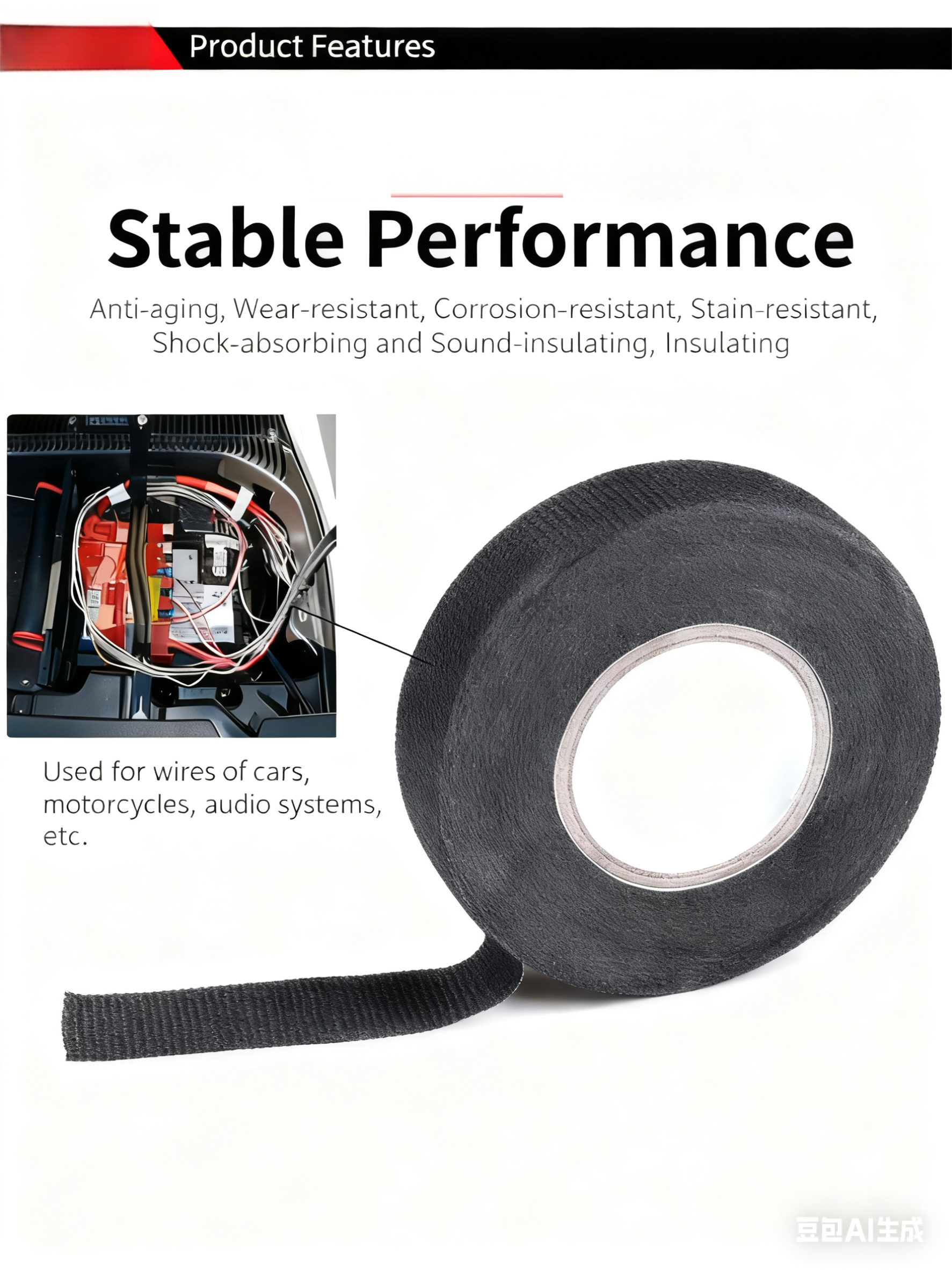
Engine wiring harnesses represent critical pathways for electrical signals and power distribution, requiring robust protection from heat, vibration, and chemical exposure. Automotive heat-resistant tapes provide essential insulation for these harnesses, preventing wire insulation degradation that could lead to electrical shorts, signal interference, or complete system failure. The tape's thermal barrier properties maintain wire insulation integrity even when routed near hot engine components.
Modern vehicles incorporate increasingly complex wiring systems to support advanced engine management, emissions control, and safety systems. These harnesses often contain high-current conductors that generate additional heat during operation, compounding thermal stress from external sources. Automotive heat-resistant tapes help manage this thermal load while providing additional mechanical protection against abrasion and vibration damage that could compromise electrical connections.
Sensor and Component Protection
Engine sensors, including oxygen sensors, temperature sensors, and pressure transducers, require thermal protection to maintain accuracy and reliability. These components often operate near their thermal limits, making additional heat shielding essential for proper function. Automotive heat-resistant tapes create thermal barriers that allow sensors to operate within their specified temperature ranges while protecting connecting wires and housings from heat damage.
Electronic control modules and actuators mounted in engine compartments face similar thermal challenges, as excessive heat can cause component drift, premature failure, or complete malfunction. Protective wrapping with automotive heat-resistant tapes helps maintain stable operating temperatures for these critical components, ensuring consistent engine performance and meeting stringent automotive reliability standards. The tape's conformable nature allows complete coverage of complex component geometries without compromising functionality.
Exhaust System Applications and Benefits
Heat Shield Attachment and Reinforcement
Exhaust heat shields protect vehicle underbodies, fuel systems, and passenger compartments from radiant heat generated by exhaust components. Automotive heat-resistant tapes serve multiple roles in heat shield applications, including edge sealing, joint reinforcement, and attachment point protection. The tape's thermal stability ensures that these protective systems remain effective throughout the vehicle's service life, preventing heat-related damage to critical components.
The attachment points for exhaust heat shields experience significant thermal cycling and vibration, leading to potential loosening or failure of mechanical fasteners. Automotive heat-resistant tapes provide additional retention and sealing at these critical points, reducing the risk of heat shield displacement that could expose vulnerable components to direct heat exposure. This supplementary protection enhances overall system reliability and reduces maintenance requirements.
Flexible Joint Protection
Exhaust system flexible joints and expansion bellows require protection from heat while maintaining their ability to accommodate thermal expansion and engine movement. Automotive heat-resistant tapes provide thermal insulation for these components without restricting their flexibility, ensuring proper exhaust system function while protecting surrounding components from heat exposure. The tape's ability to conform to complex shapes makes it ideal for protecting irregular joint geometries.
The corrosive nature of exhaust gases, combined with high temperatures, creates challenging conditions for protective materials. Automotive heat-resistant tapes resist chemical attack from exhaust components while maintaining their thermal barrier properties, providing long-term protection for flexible joints and nearby components. This chemical resistance is essential for maintaining system integrity in the harsh exhaust environment.
Performance Characteristics and Selection Criteria
Temperature Rating and Thermal Cycling
Selecting appropriate automotive heat-resistant tapes requires careful consideration of maximum operating temperatures and thermal cycling requirements. Continuous operating temperature ratings typically range from 150°C for standard applications to over 260°C for extreme-duty applications. Short-term temperature excursions may be significantly higher, requiring tapes that can withstand peak temperatures without immediate failure or permanent degradation.
Thermal cycling performance is equally important, as automotive applications subject materials to repeated heating and cooling cycles that can cause adhesive failure or substrate cracking. High-quality automotive heat-resistant tapes undergo extensive thermal cycling testing to validate their performance under realistic operating conditions. This testing ensures that the tapes maintain their protective properties throughout thousands of thermal cycles encountered during normal vehicle operation.
Chemical Resistance and Environmental Durability
Automotive environments expose materials to various chemicals, including engine oils, coolants, brake fluids, and exhaust gases, all of which can degrade conventional tapes and adhesives. Automotive heat-resistant tapes must resist these chemical exposures while maintaining their thermal and mechanical properties. Silicone-based materials typically offer superior chemical resistance, while specialized formulations provide enhanced protection against specific automotive fluids.
Environmental factors such as humidity, salt exposure, and UV radiation also impact tape performance in automotive applications. Quality automotive heat-resistant tapes incorporate stabilizers and protective additives that resist environmental degradation, ensuring consistent performance across diverse operating conditions. This environmental durability is essential for maintaining vehicle reliability and meeting automotive industry quality standards.
Installation Best Practices and Application Techniques
Surface Preparation and Adhesion Optimization
Proper surface preparation is crucial for achieving optimal adhesion and long-term performance of automotive heat-resistant tapes. Surfaces must be clean, dry, and free from oils, dirt, and other contaminants that could interfere with adhesive bonding. Appropriate cleaning solvents and surface preparation techniques vary depending on the substrate material and contamination type, requiring careful selection to avoid surface damage or residue that could compromise adhesion.
Surface texture and temperature also influence adhesive performance, with smooth surfaces generally providing better adhesion than rough or textured surfaces. Applying automotive heat-resistant tapes at room temperature or slightly elevated temperatures can improve initial adhesion and conformability, while avoiding application in extremely cold conditions that could affect adhesive flow and bonding. Proper surface preparation and application techniques are essential for achieving the full performance potential of these specialized tapes.
Proper Wrapping and Securing Techniques
Effective application of automotive heat-resistant tapes requires appropriate wrapping techniques that provide complete coverage while avoiding excessive tension or stretching that could compromise adhesive bonding. Overlapping wraps should be sufficient to ensure continuous protection without creating excessive bulk that could interfere with component function or clearances. The tape should be applied with consistent tension to ensure uniform contact and adhesion across the entire protected surface.
Securing tape ends and transitions is critical for preventing unwrapping or edge lifting that could compromise protection. Additional securing methods, such as mechanical fasteners or compatible adhesives, may be necessary in high-vibration or high-stress applications. Proper installation techniques ensure that automotive heat-resistant tapes provide reliable protection throughout their intended service life, maintaining system integrity under demanding operating conditions.
Quality Standards and Automotive Compliance
Industry Testing and Certification Requirements
Automotive applications require materials that meet stringent quality and performance standards established by vehicle manufacturers and industry organizations. Automotive heat-resistant tapes undergo extensive testing to validate their performance characteristics, including temperature resistance, adhesion strength, chemical resistance, and environmental durability. These tests ensure that the tapes can withstand the demanding conditions encountered in automotive applications while maintaining their protective properties over extended periods.
Certification processes typically involve accelerated aging tests, thermal cycling evaluations, and chemical exposure assessments that simulate years of automotive service in condensed timeframes. Compliance with automotive standards such as SAE, DIN, or manufacturer-specific requirements is essential for ensuring product acceptance and reliability in automotive applications. These rigorous testing and certification processes provide confidence in the long-term performance of automotive heat-resistant tapes.
Quality Control and Manufacturing Standards
Manufacturing automotive heat-resistant tapes requires precise process control to ensure consistent product quality and performance characteristics. Raw material specifications, coating thickness control, and adhesive curing parameters must be carefully monitored to maintain product consistency across production batches. Statistical process control and quality assurance protocols help identify and correct variations that could impact tape performance in critical automotive applications.
Traceability and documentation requirements in automotive supply chains necessitate comprehensive quality records and batch tracking systems. These systems enable rapid identification and resolution of quality issues while supporting continuous improvement initiatives. Adherence to automotive quality management systems, such as TS 16949, ensures that manufacturing processes meet the stringent requirements for automotive component suppliers.
Future Developments and Emerging Technologies
Advanced Material Innovations
Ongoing research and development in materials science continue to push the boundaries of thermal performance for automotive heat-resistant tapes. Nanotechnology applications, including nanoparticle-enhanced substrates and adhesives, promise improved thermal conductivity control and enhanced mechanical properties. These advanced materials may enable thinner tape constructions with superior performance characteristics, reducing weight and space requirements in automotive applications.
Bio-based and sustainable materials are gaining attention as automotive manufacturers seek to reduce environmental impact throughout vehicle lifecycles. Development of renewable substrate materials and environmentally friendly adhesive systems for automotive heat-resistant tapes supports sustainability goals while maintaining performance requirements. These innovations align with broader automotive industry trends toward environmental responsibility and circular economy principles.
Integration with Smart Vehicle Systems
The evolution toward connected and autonomous vehicles creates new opportunities for integrating sensing and monitoring capabilities into protective materials like automotive heat-resistant tapes. Embedded temperature sensors, strain gauges, or wireless communication devices could provide real-time monitoring of thermal conditions and tape performance, enabling predictive maintenance strategies and enhanced system reliability.
Smart automotive heat-resistant tapes could incorporate color-changing indicators that provide visual confirmation of exposure to excessive temperatures, simplifying inspection procedures and improving maintenance efficiency. These innovations support the automotive industry's movement toward condition-based maintenance and enhanced system monitoring capabilities, potentially reducing vehicle downtime and improving overall reliability.
FAQ
What temperature range can automotive heat-resistant tapes withstand in engine applications
Automotive heat-resistant tapes are designed to operate across a wide temperature range, typically from -50°C to over 260°C for continuous operation. Premium tapes can withstand short-term temperature excursions up to 300°C or higher, depending on the substrate and adhesive system. The specific temperature rating depends on the tape construction, with polyimide-based tapes generally offering higher temperature resistance than other substrate materials. For engine applications, selecting tapes with temperature ratings that exceed expected operating conditions by at least 25-50°C provides additional safety margin and ensures reliable long-term performance.
How long do automotive heat-resistant tapes maintain their protective properties
The service life of automotive heat-resistant tapes varies significantly based on operating conditions, temperature exposure, and environmental factors. Under normal automotive operating conditions, high-quality tapes can provide effective protection for 5-10 years or more. Factors that influence service life include maximum temperature exposure, thermal cycling frequency, chemical exposure, and mechanical stress. Regular inspection and preventive replacement based on manufacturer recommendations help ensure continued protection for critical automotive components throughout the vehicle's service life.
Can automotive heat-resistant tapes be used for both electrical insulation and thermal protection
Many automotive heat-resistant tapes are designed to provide both electrical insulation and thermal protection, making them versatile solutions for complex automotive applications. These dual-purpose tapes typically feature substrates with excellent dielectric properties combined with thermal barrier characteristics. However, specific electrical ratings such as voltage breakdown strength and dielectric constant should be verified for critical electrical applications. When both thermal and electrical protection are required, selecting tapes that meet both thermal and electrical performance specifications ensures comprehensive component protection.
What factors should be considered when selecting automotive heat-resistant tapes for exhaust applications
Selecting automotive heat-resistant tapes for exhaust applications requires consideration of maximum temperature exposure, chemical resistance to exhaust gases, mechanical flexibility, and adhesive compatibility with substrate materials. Exhaust applications typically require the highest temperature ratings available, often exceeding 260°C for continuous operation. Chemical resistance to sulfur compounds, nitrogen oxides, and moisture is essential for long-term performance. The tape must also accommodate thermal expansion and vibration while maintaining adhesion to various substrate materials including metals, ceramics, and composites commonly found in exhaust systems.
Table of Contents
- Understanding Thermal Challenges in Automotive Applications
- Material Science Behind Heat-Resistant Tape Technology
- Critical Applications in Engine Protection
- Exhaust System Applications and Benefits
- Performance Characteristics and Selection Criteria
- Installation Best Practices and Application Techniques
- Quality Standards and Automotive Compliance
- Future Developments and Emerging Technologies
-
FAQ
- What temperature range can automotive heat-resistant tapes withstand in engine applications
- How long do automotive heat-resistant tapes maintain their protective properties
- Can automotive heat-resistant tapes be used for both electrical insulation and thermal protection
- What factors should be considered when selecting automotive heat-resistant tapes for exhaust applications