 EN
EN


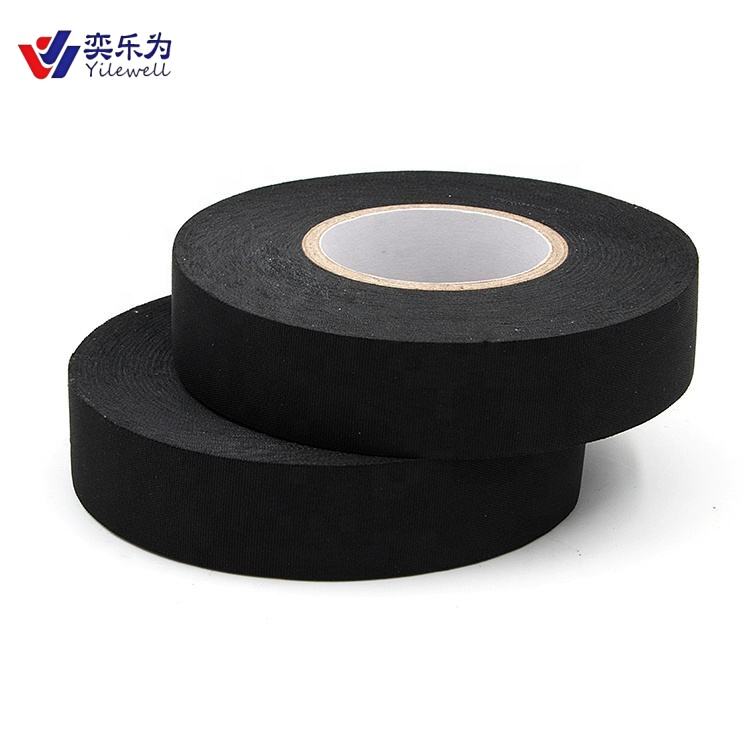
Automotive manufacturers face increasing demands for reliable, durable components that can withstand extreme operating conditions. Among the critical materials used in vehicle production, heat-resistant tape plays a vital role in protecting wiring harnesses, securing components, and maintaining electrical integrity under high-temperature environments. The selection of appropriate heat-resistant tape directly impacts vehicle safety, performance longevity, and manufacturing efficiency. Understanding the key considerations for choosing the right heat-resistant tape ensures optimal protection for automotive applications while meeting stringent industry standards and regulatory requirements.
Temperature Resistance Specifications
Operating Temperature Ranges
The fundamental characteristic of any heat-resistant tape is its ability to maintain structural integrity and adhesive properties across specified temperature ranges. Automotive environments typically expose materials to temperatures ranging from -40°C to 150°C during normal operation, with engine compartments potentially reaching even higher temperatures. Quality heat-resistant tape must demonstrate consistent performance throughout these extreme temperature fluctuations without compromising adhesion strength or material flexibility. Manufacturers should verify temperature ratings through standardized testing protocols to ensure reliability under real-world conditions.
Different automotive applications require varying levels of temperature resistance based on their proximity to heat sources. Wiring harnesses near exhaust systems demand superior heat-resistant tape with ratings exceeding 200°C, while interior applications may require moderate temperature resistance around 85°C. Understanding the specific thermal environment where the tape will be applied enables manufacturers to select appropriate materials that provide adequate protection without unnecessary cost premiums for over-specification.
Thermal Cycling Performance
Beyond static temperature resistance, automotive heat-resistant tape must withstand repeated thermal cycling that occurs during vehicle operation. Engine start-stop cycles, seasonal temperature variations, and daily heating-cooling patterns subject tapes to continuous expansion and contraction stresses. High-quality heat-resistant tape maintains adhesive strength and dimensional stability through thousands of thermal cycles without developing cracks, delamination, or adhesive failure. Manufacturers should evaluate thermal cycling test results to predict long-term performance reliability.
The rate of temperature change also affects tape performance, as rapid heating or cooling can induce thermal shock that compromises material integrity. Automotive-grade heat-resistant tape incorporates specialized polymer formulations and backing materials engineered to accommodate thermal expansion differentials between substrates and tape materials. This compatibility prevents stress concentration that could lead to premature failure in critical applications.
Material Composition and Properties
Backing Material Selection
The backing material forms the structural foundation of heat-resistant tape and significantly influences its performance characteristics. Common backing materials include polyimide films, fiberglass cloth, and specialized polymer composites, each offering distinct advantages for automotive applications. Polyimide-backed heat-resistant tape provides excellent electrical insulation properties and dimensional stability at elevated temperatures, making it ideal for electronic component protection. Fiberglass-reinforced options deliver superior tensile strength and tear resistance for demanding mechanical applications.
Cloth-backed heat-resistant tape offers enhanced conformability around irregular surfaces and wire bundles while maintaining robust protection against abrasion and environmental factors. The weave structure and fiber composition determine flexibility, strength, and thermal properties. Automotive manufacturers must evaluate backing material characteristics against specific application requirements, considering factors such as flexibility needs, mechanical stress levels, and environmental exposure conditions.
Adhesive System Chemistry
The adhesive system represents the critical interface between heat-resistant tape and substrate surfaces, determining bond strength, durability, and temperature performance. Silicone-based adhesives excel in high-temperature applications, maintaining tackiness and adhesion strength at temperatures exceeding 200°C while providing excellent chemical resistance. Acrylic adhesive systems offer broad temperature ranges and superior aging characteristics for long-term automotive applications requiring consistent performance over vehicle lifespans.
Rubber-based adhesives provide excellent initial tack and conformability but may have limited high-temperature capabilities compared to silicone or acrylic alternatives. The selection of adhesive chemistry should align with maximum operating temperatures, substrate materials, and required bond strength specifications. Automotive manufacturers should consider heat-resistant tape products that demonstrate proven adhesive performance through accelerated aging tests and real-world validation studies.
Electrical and Insulation Properties
Dielectric Strength Requirements
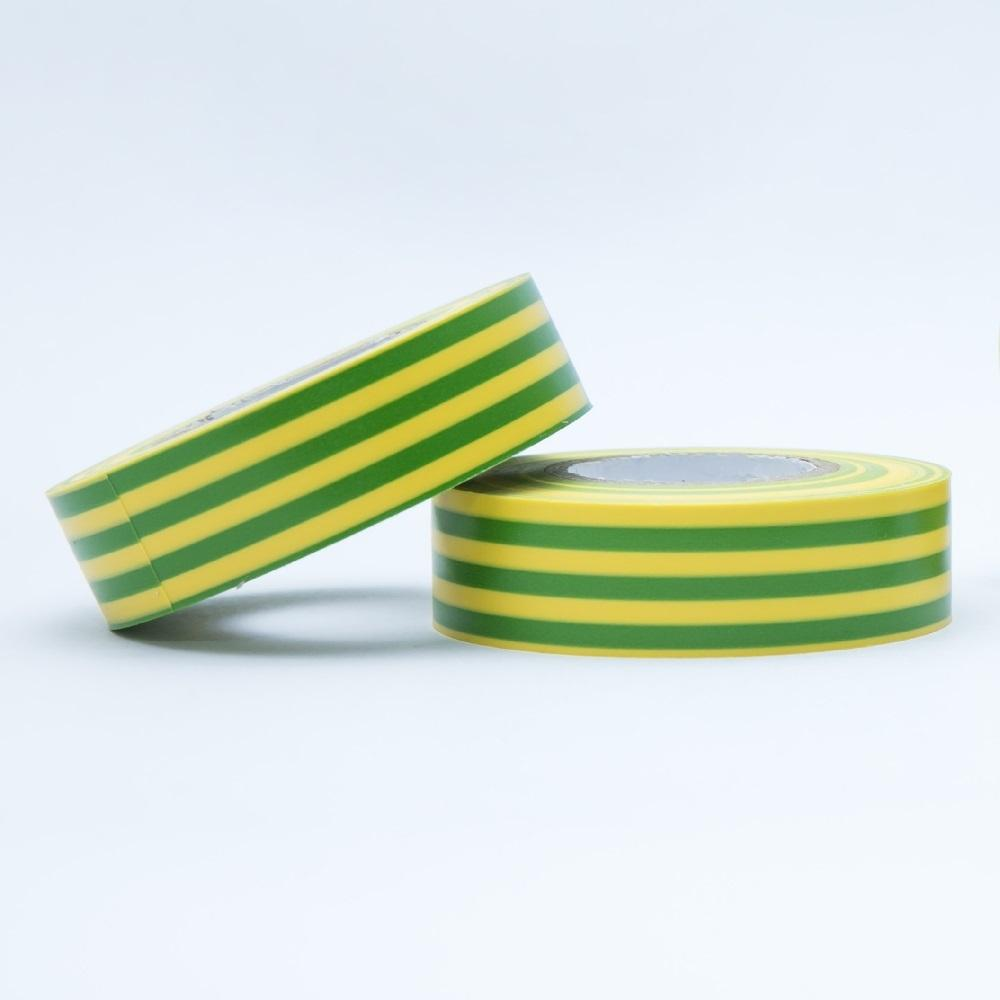
Automotive electrical systems operate at various voltage levels, from low-voltage control circuits to high-voltage hybrid and electric vehicle systems. Heat-resistant tape used in electrical applications must provide adequate dielectric strength to prevent electrical breakdown and ensure operator safety. Standard automotive applications typically require dielectric strengths exceeding 2000 volts per mil of tape thickness, while high-voltage EV applications may demand significantly higher insulation values.
The dielectric properties of heat-resistant tape can degrade under elevated temperatures and environmental stress, making it essential to verify performance retention throughout the operating temperature range. Quality heat-resistant tape maintains consistent electrical insulation properties even when exposed to thermal cycling, humidity, and chemical contaminants commonly found in automotive environments. Manufacturers should specify dielectric testing standards and acceptance criteria to ensure adequate electrical safety margins.
Corona Resistance and Arc Tracking
High-voltage automotive systems generate electrical fields that can cause corona discharge and surface tracking phenomena, potentially leading to insulation failure and safety hazards. Premium heat-resistant tape incorporates corona-resistant formulations that resist electrical degradation and maintain insulation integrity under partial discharge conditions. Arc tracking resistance prevents the formation of conductive carbonized paths across tape surfaces that could cause electrical faults.
Testing protocols such as ASTM D495 and IEC 60587 evaluate the resistance of heat-resistant tape materials to tracking and erosion under wet contaminant conditions. These standardized tests simulate real-world exposure scenarios where moisture, salt, and other contaminants may compromise electrical insulation performance. Automotive manufacturers should require corona resistance testing data for heat-resistant tape applications in high-voltage systems.
Mechanical Performance Characteristics
Tensile Strength and Elongation
Automotive applications subject heat-resistant tape to various mechanical stresses including tension, compression, and shear forces during installation and service. Adequate tensile strength ensures that tape can withstand installation tensions without tearing or stretching beyond acceptable limits. Heat-resistant tape specifications should include minimum tensile strength values measured according to standardized test methods such as ASTM D3759 or equivalent international standards.
Elongation characteristics determine the ability of heat-resistant tape to accommodate substrate movement and thermal expansion without developing stress concentrations or adhesive failure. Optimal elongation values provide sufficient flexibility for conforming to irregular surfaces while maintaining dimensional stability under load. The balance between strength and flexibility must be optimized for specific automotive applications, considering factors such as vibration exposure, thermal cycling, and mechanical constraints.
Abrasion and Tear Resistance
Automotive environments expose heat-resistant tape to abrasive conditions from road debris, vibration-induced rubbing, and contact with sharp edges or moving components. Superior abrasion resistance prevents premature wear that could compromise protection and lead to system failures. Heat-resistant tape designed for automotive use incorporates durable backing materials and protective coatings that resist surface damage from mechanical contact.
Tear resistance becomes critical when heat-resistant tape experiences edge loading or puncture forces during installation or service. High tear strength prevents crack propagation that could result in catastrophic failure under stress. Manufacturers should evaluate tear resistance through standardized testing protocols and specify minimum performance requirements based on anticipated stress levels in specific applications.
Environmental Durability Factors
Chemical Resistance Properties
Automotive environments expose heat-resistant tape to various chemical contaminants including fuel vapors, hydraulic fluids, cleaning solvents, and road salt solutions. Chemical compatibility ensures that tape materials maintain their physical properties and adhesive performance when exposed to these substances over extended periods. Heat-resistant tape formulations must resist swelling, softening, or degradation that could compromise protection or create safety hazards.
Common automotive chemicals that affect heat-resistant tape performance include engine oils, brake fluids, coolants, and gasoline. Quality heat-resistant tape demonstrates minimal property changes when exposed to these chemicals at elevated temperatures that simulate worst-case service conditions. Manufacturers should provide chemical resistance data for relevant automotive fluids and specify acceptable limits for property retention after exposure.
UV Stability and Weather Resistance
While many automotive applications shield heat-resistant tape from direct sunlight, certain installations may experience UV exposure that can degrade polymer materials and cause embrittlement or discoloration. UV-stabilized heat-resistant tape formulations incorporate protective additives that maintain material properties and appearance during outdoor exposure. Weather resistance encompasses broader environmental factors including ozone, humidity, and temperature extremes.
Accelerated weathering tests such as QUV or xenon arc exposure simulate years of outdoor aging in compressed time periods, allowing manufacturers to predict long-term performance reliability. Heat-resistant tape intended for automotive use should demonstrate minimal property degradation after standardized weathering exposure equivalent to vehicle service life requirements. Color retention and adhesive performance are key indicators of UV stability in heat-resistant tape products.
Application-Specific Considerations
Wiring Harness Protection
Wiring harness applications represent one of the most demanding uses for automotive heat-resistant tape, requiring protection against heat, abrasion, chemicals, and electrical interference. Heat-resistant tape for harness wrapping must provide complete coverage while maintaining flexibility for routing through tight spaces and around corners. The tape thickness and conformability directly affect installation ease and final harness diameter, which impacts packaging efficiency in crowded engine compartments.
Multi-layer harness constructions may require different types of heat-resistant tape for various protection functions, including primary wire insulation, bundle containment, and external environmental protection. Heat-resistant tape selection should consider the entire harness system design and specify compatible materials that work together effectively. Installation techniques and overlap requirements affect the overall protection level achieved with heat-resistant tape systems.
Component Mounting and Vibration Damping
Heat-resistant tape serves mounting and cushioning functions in automotive applications where components require thermal protection combined with vibration isolation or positioning control. Double-sided heat-resistant tape products provide bonding capability while maintaining temperature resistance for electronic control modules and sensors. The adhesive strength must balance removability for service access with holding power under dynamic loading conditions.
Vibration damping applications utilize the viscoelastic properties of heat-resistant tape materials to absorb energy and reduce resonance in mounted components. The frequency response characteristics of heat-resistant tape affect its damping effectiveness across the vibration spectrum encountered in automotive service. Temperature stability ensures consistent damping performance throughout the operating temperature range without material hardening or softening that could alter vibration control properties.
Quality Standards and Testing Protocols
Industry Certification Requirements
Automotive heat-resistant tape must meet stringent industry standards established by organizations such as SAE International, ASTM, and ISO to ensure consistent quality and performance. Common specifications include SAE J1128 for automotive wire and cable, ASTM D1000 for pressure-sensitive tape testing, and ISO 11339 for adhesive tape characteristics. Compliance with these standards provides assurance that heat-resistant tape products meet minimum performance requirements for automotive applications.
Original Equipment Manufacturer (OEM) specifications often exceed industry standards and include additional testing requirements specific to particular vehicle models or component applications. Heat-resistant tape suppliers must demonstrate compliance through comprehensive testing programs and quality management systems that ensure consistent product characteristics. Certification documentation should include test reports, material certifications, and traceability records that support quality claims.
Validation Testing Procedures
Comprehensive validation testing verifies that heat-resistant tape performs adequately under simulated service conditions that replicate automotive environments. Testing protocols should include thermal cycling, chemical exposure, mechanical stress, and electrical performance evaluations conducted according to standardized procedures. Statistical sampling plans and acceptance criteria ensure that production lots meet specification requirements with appropriate confidence levels.
Long-term aging studies provide data on heat-resistant tape performance degradation over extended periods, allowing manufacturers to establish service life predictions and maintenance recommendations. Accelerated testing techniques compress years of service into weeks or months of laboratory exposure, enabling timely evaluation of new materials or design changes. Correlation studies validate that accelerated test results accurately predict field performance for heat-resistant tape applications.
Cost-Effectiveness and Supply Chain Factors
Total Cost of Ownership Analysis
The selection of heat-resistant tape should consider total cost of ownership rather than simply initial purchase price, as higher-quality materials often provide superior long-term value through reduced maintenance, improved reliability, and extended service life. Premium heat-resistant tape may justify higher costs through decreased warranty claims, reduced field failures, and improved manufacturing efficiency. Cost analysis should include material costs, application labor, inventory carrying costs, and potential failure consequences.
Volume pricing considerations become important for large-scale automotive production where heat-resistant tape represents a significant material cost component. Long-term supply agreements can provide price stability while ensuring adequate inventory levels for uninterrupted production. Manufacturers should evaluate supplier capabilities, quality systems, and financial stability when selecting heat-resistant tape sources for critical applications.
Supply Chain Reliability and Sustainability
Automotive production schedules demand reliable heat-resistant tape supply chains that can support just-in-time manufacturing requirements without stockouts or quality disruptions. Supplier diversification strategies reduce risks associated with single-source dependencies while maintaining quality consistency across multiple supply sources. Geographic distribution of suppliers provides resilience against regional disruptions that could affect production continuity.
Environmental sustainability considerations increasingly influence heat-resistant tape selection decisions as automotive manufacturers adopt circular economy principles and reduce environmental impact. Recyclable backing materials, solvent-free adhesives, and renewable raw material content contribute to sustainability goals while maintaining performance requirements. Life cycle assessments help quantify environmental benefits of different heat-resistant tape options throughout their service life and disposal phases.
FAQ
What temperature range should heat-resistant tape withstand in automotive applications
Automotive heat-resistant tape should typically withstand temperatures from -40°C to 150°C for general applications, with engine compartment applications requiring ratings up to 200°C or higher. The specific temperature requirements depend on the installation location and proximity to heat sources such as exhaust systems, turbochargers, or high-power electronic components. Always verify the maximum operating temperature for your specific application and select heat-resistant tape with adequate safety margins above expected peak temperatures.
How does adhesive chemistry affect the performance of heat-resistant tape
Adhesive chemistry significantly impacts temperature resistance, chemical compatibility, and long-term durability of heat-resistant tape. Silicone adhesives excel at high temperatures but may have limited initial tack, while acrylic systems provide excellent aging characteristics and broad temperature ranges. Rubber-based adhesives offer superior conformability but typically have lower temperature limits. The choice should match your specific temperature requirements, substrate materials, and environmental exposure conditions.
What electrical properties are important for automotive heat-resistant tape
Key electrical properties include dielectric strength (typically 2000+ volts per mil), volume resistivity, and corona resistance for high-voltage applications. The heat-resistant tape must maintain insulation properties throughout its operating temperature range and resist electrical degradation from partial discharge or tracking phenomena. For electric vehicle applications, enhanced electrical properties and additional testing requirements may apply to ensure safety in high-voltage systems.
How can manufacturers verify the quality and reliability of heat-resistant tape
Quality verification should include reviewing certification documentation, test reports for relevant standards (SAE, ASTM, ISO), and long-term performance data from similar applications. Request samples for internal testing under your specific operating conditions and evaluate supplier quality management systems and manufacturing capabilities. Consider conducting pilot installations or accelerated testing to validate performance before full-scale implementation of new heat-resistant tape products.
Table of Contents
- Temperature Resistance Specifications
- Material Composition and Properties
- Electrical and Insulation Properties
- Mechanical Performance Characteristics
- Environmental Durability Factors
- Application-Specific Considerations
- Quality Standards and Testing Protocols
- Cost-Effectiveness and Supply Chain Factors
-
FAQ
- What temperature range should heat-resistant tape withstand in automotive applications
- How does adhesive chemistry affect the performance of heat-resistant tape
- What electrical properties are important for automotive heat-resistant tape
- How can manufacturers verify the quality and reliability of heat-resistant tape