 EN


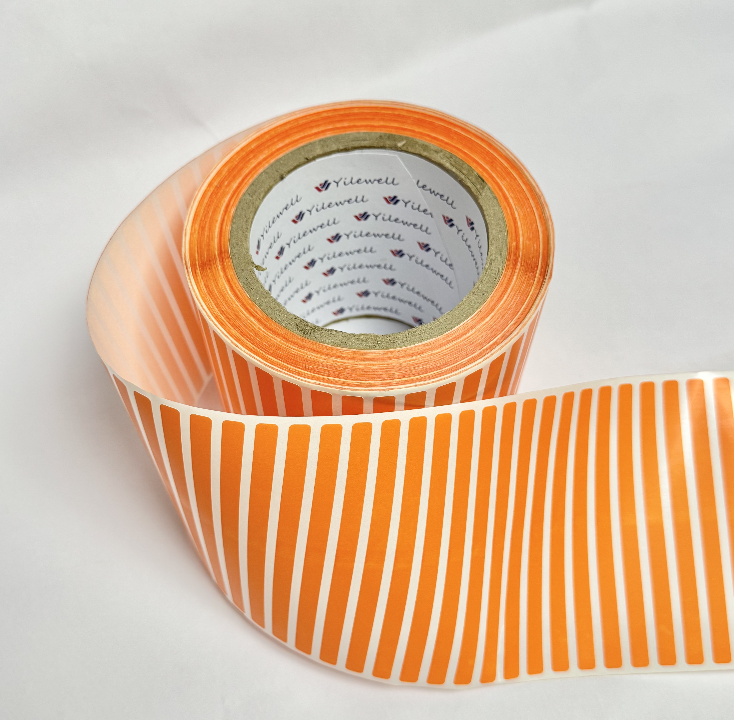
Thermal label rolls for shipping are essential because logistics depends on clear, scannable identification at every handoff. A label connects an order to its destination, service level, and tracking record. When that information is difficult to read, teams may face avoidable rework, slower dispatch, or packages routed incorrectly.
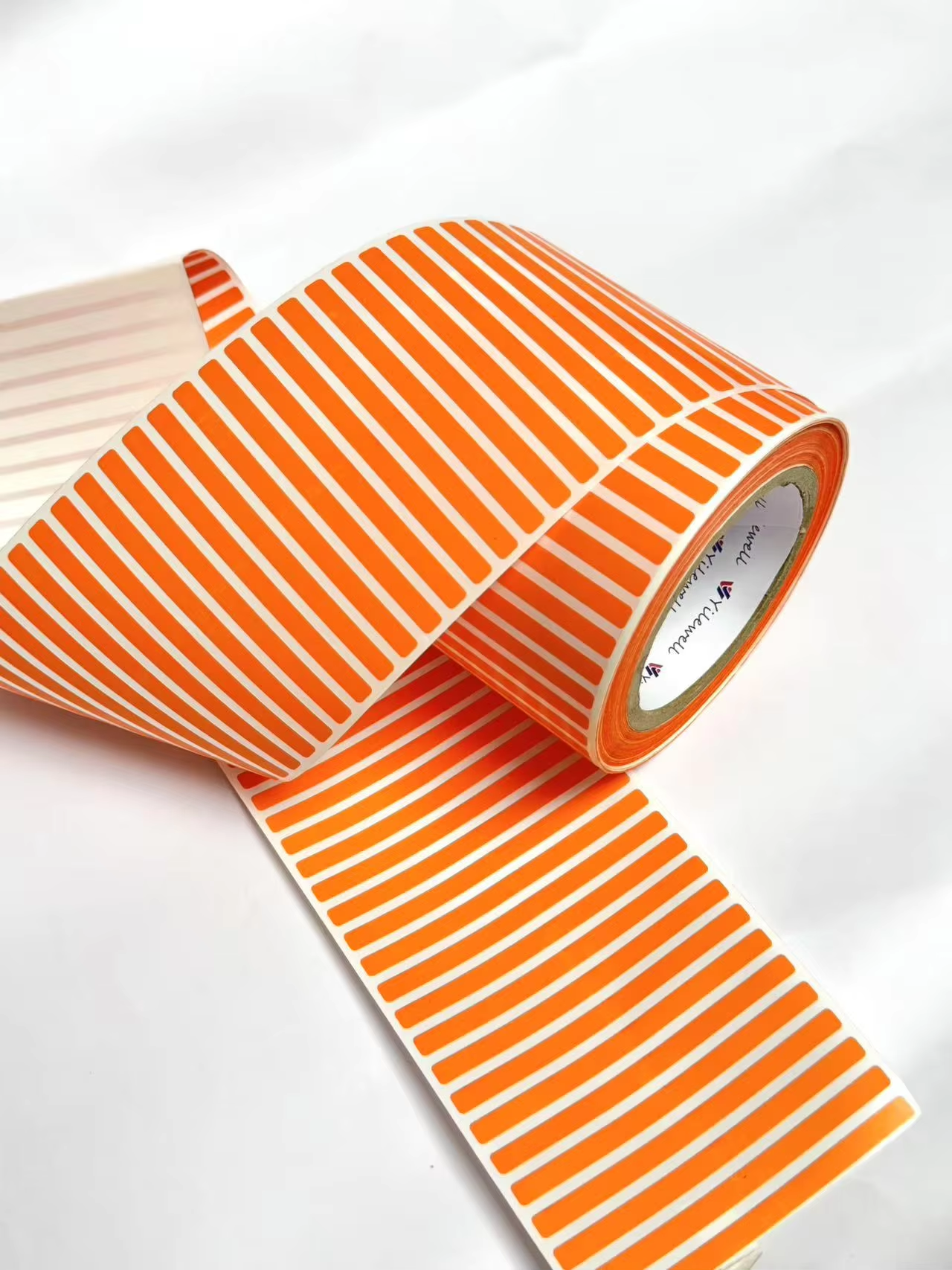
The value of thermal label rolls for shipping goes beyond producing a printed address. They help warehouses create consistent labels at the point of fulfillment, without a separate ink or toner step. Choosing suitable rolls and managing their use supports dependable scanning, organized work, and more predictable movement from packing bench to carrier.
Why shipping operations depend on clear labels
They preserve package identity through handoffs
A parcel can pass through picking, packing, staging, sorting, and carrier acceptance before reaching its recipient. Thermal label rolls for shipping give each package a readable identifier that ties the physical item to its electronic shipment record. That connection matters when several orders are processed at once and staff need to confirm the right parcel quickly.
If a barcode is smeared, incomplete, or placed on a damaged surface, scanning may require another attempt or manual entry. Thermal label rolls for shipping help operations apply a fresh, legible label during packing, when order details can still be checked. Consistent printing reduces ambiguity at handoffs and makes it easier to investigate exceptions using a shipment’s documented tracking history.
They make tracking information usable
Tracking systems rely on data being captured at defined points, but the physical label is what presents the barcode or other identifier to a scanner. Thermal label rolls for shipping support that link by providing a printable surface for shipment data. The result is useful only when the print is clear, the label is attached securely, and it remains visible during handling.
In a busy dispatch area, staff should not have to guess which code to scan or search through paperwork to identify a parcel. Thermal label rolls for shipping can support a standardized label format, with address and routing details placed consistently. This helps employees recognize key information and scan packages in a repeatable sequence, especially during peak-volume periods.
How labels improve warehouse workflow
They support faster, more controlled fulfillment
At the packing station, thermal label rolls for shipping let teams print shipment information when an order is ready, rather than preparing labels far in advance. Printing near the point of use can help align the physical package with current order data. Staff can compare the parcel contents, destination, and printed label before it enters the outbound flow.
This matters in facilities handling different parcel sizes, shipping services, and daily order volumes. With thermal label rolls for shipping stocked where labels are applied, employees can avoid delays caused by searching for individual sheets or replenishing printer supplies mid-task. A defined replenishment routine also makes it easier for supervisors to keep workstations ready without interrupting the dispatch process.
Standardized output can support training as well. When thermal label rolls for shipping are used with a consistent print template, new team members learn where to find the address, barcode, and service information. Clear placement does not replace order verification, but it gives staff a repeatable visual cue and can help surface a mismatch before a parcel leaves the facility.
They reduce avoidable handling and rework
A label that prints poorly or detaches may send a parcel into an exception queue. Thermal label rolls for shipping are part of preventing that problem, but roll selection alone cannot guarantee a successful scan. Printer condition, darkness settings, label dimensions, surface cleanliness, and application technique all influence whether the printed information remains usable in transit.
When an operator must reprint, relabel, or manually identify a package, time is diverted from normal fulfillment. Thermal label rolls for shipping help establish a reliable starting point when teams match the roll to the printer and intended use. Routine checks of print quality and label adhesion can catch developing issues before they affect a larger batch of outgoing orders.
What makes a roll suitable for logistics use
Printer and label compatibility
Before purchasing thermal label rolls for shipping, confirm the printer’s supported width, core size, roll diameter, and printing method. Direct thermal printers create images through heat-sensitive material, while thermal transfer printers use a ribbon. Using the wrong material or format can cause poor output, feeding problems, wasted labels, or unnecessary pauses during a shift.
Label dimensions should suit the information that must be printed and the package surfaces in use. Thermal label rolls for shipping need enough printable area for a readable address and barcode without forcing important content onto folds or edges. A practical test with the actual printer and shipping software can reveal layout or feed issues before regular operations rely on the rolls.
Adhesion, handling, and storage
Packages encounter friction, stacking, and changes in temperature as they move through a warehouse and delivery network. Thermal label rolls for shipping should be selected with the expected package material and handling conditions in mind. A label must adhere to the surface, lie flat, and remain readable; dusty, damp, textured, or curved packaging may need additional attention.
Storage also affects day-to-day performance. Keep thermal label rolls for shipping in a clean, dry environment and follow the material supplier’s handling guidance, protecting rolls from excess heat, direct sunlight, and contamination. Rotate stock so older materials are used appropriately, and inspect rolls before loading if their edges, coating, or packaging appear damaged.
A simple operating standard can connect these choices to measurable checks. Teams can review whether labels feed smoothly, print consistently, scan at packing, and stay attached after application. For facilities evaluating thermal label rolls for shipping, such a trial should reflect actual printers, software, packages, and work pace rather than an isolated sample alone.
FAQ
Why are thermal label rolls for shipping important?
Thermal label rolls for shipping provide the printable surface for package addresses, barcodes, and routing details. Clear labels help connect parcels with shipment records and support scanning as packages move between warehouse and carrier operations.
Do all thermal label rolls work in every printer?
No. Thermal label rolls for shipping must match the printer’s printing method, dimensions, core, and roll capacity. Confirm compatibility before use, then test feed and print quality with the actual label template and workflow.
How can a warehouse improve label reliability?
Use compatible thermal label rolls for shipping, keep printers maintained, and check barcode readability at the packing station. Store rolls correctly, apply labels to clean surfaces, and review exceptions to identify recurring causes of poor scans or detachment.