 EN
EN


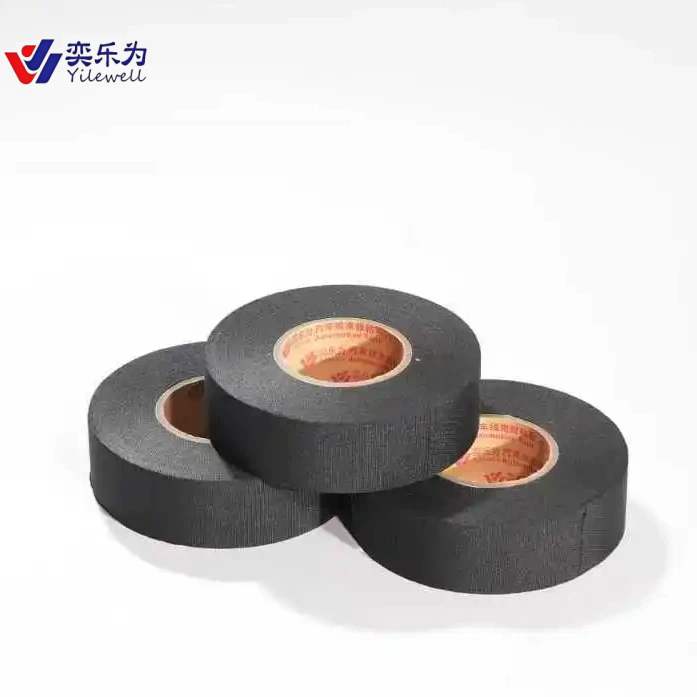
In modern manufacturing environments, the choice of bonding and surface protection materials can directly affect production efficiency, safety, and cost control. Among the many options available, cloth adhesive tape industrial grade has steadily gained recognition as a go-to solution across a broad range of manufacturing operations. Its consistent performance in demanding conditions has made it one of the most trusted tape categories on the production floor.
Understanding why cloth adhesive tape industrial grade has become so popular in manufacturing requires looking at what actually happens on a production line. Factories demand materials that hold firmly, resist environmental stress, and perform reliably through repeated cycles. Cloth adhesive tape industrial grade meets these demands in ways that ordinary tapes simply cannot. This article breaks down the core reasons behind its widespread adoption, from material strength to application versatility.
Core Material Strengths of Cloth Adhesive Tape Industrial Grade
Durability That Withstands Production Demands
The fundamental reason cloth adhesive tape industrial grade is popular in manufacturing is its structural durability. The woven fabric backing provides tensile strength that resists tearing even under mechanical stress. When workers apply cloth adhesive tape industrial grade to surfaces that experience vibration, temperature changes, or load pressure, the tape maintains its bond without delaminating or breaking apart. This level of durability is critical in assembly lines where downtime from tape failure is simply not acceptable.
Unlike film-based tapes or standard paper tapes, cloth adhesive tape industrial grade uses a reinforced textile layer that distributes stress across its surface area. This prevents point failures and gives technicians confidence when bundling cables, securing components, or protecting surface edges. Manufacturers who have switched to cloth adhesive tape industrial grade frequently report fewer re-taping incidents and reduced material waste over time.
Heat and Chemical Resistance
Many manufacturing processes involve elevated temperatures, chemical exposure, or both. Cloth adhesive tape industrial grade is specifically engineered to perform in these conditions. Acrylic-based adhesive formulations used in cloth adhesive tape industrial grade maintain strong bonding even when exposed to heat cycles that would degrade standard tapes. This makes cloth adhesive tape industrial grade particularly valuable in automotive assembly, electronics manufacturing, and metal fabrication environments where thermal conditions vary widely.
Chemical resistance is another key attribute. When surfaces are treated with oils, release agents, or cleaning solvents, cloth adhesive tape industrial grade retains adhesion where inferior products would fail. This resistance ensures that the tape continues to serve its sealing or bundling function throughout the production cycle without requiring frequent replacement.
Application Versatility Across Manufacturing Sectors
Wide Use in Assembly and Cable Management
One strong reason cloth adhesive tape industrial grade is popular across manufacturing sectors is its exceptional versatility. In electronics manufacturing, cloth adhesive tape industrial grade is used extensively for wire harnessing and cable bundling. The soft, conformable backing of cloth adhesive tape industrial grade allows it to wrap tightly around irregular shapes while still providing a clean, professional finish. This makes cloth adhesive tape industrial grade a preferred choice for cable management in automotive wiring and industrial control panels.
In assembly operations, cloth adhesive tape industrial grade is used for temporary fixturing, surface protection, and sealing joints during painting or coating processes. Its ability to be torn by hand without tools improves operational speed on the line. Workers can apply cloth adhesive tape industrial grade quickly and precisely, reducing labor time while maintaining bonding quality. This practical convenience contributes significantly to why cloth adhesive tape industrial grade is so well-adopted across different production environments.
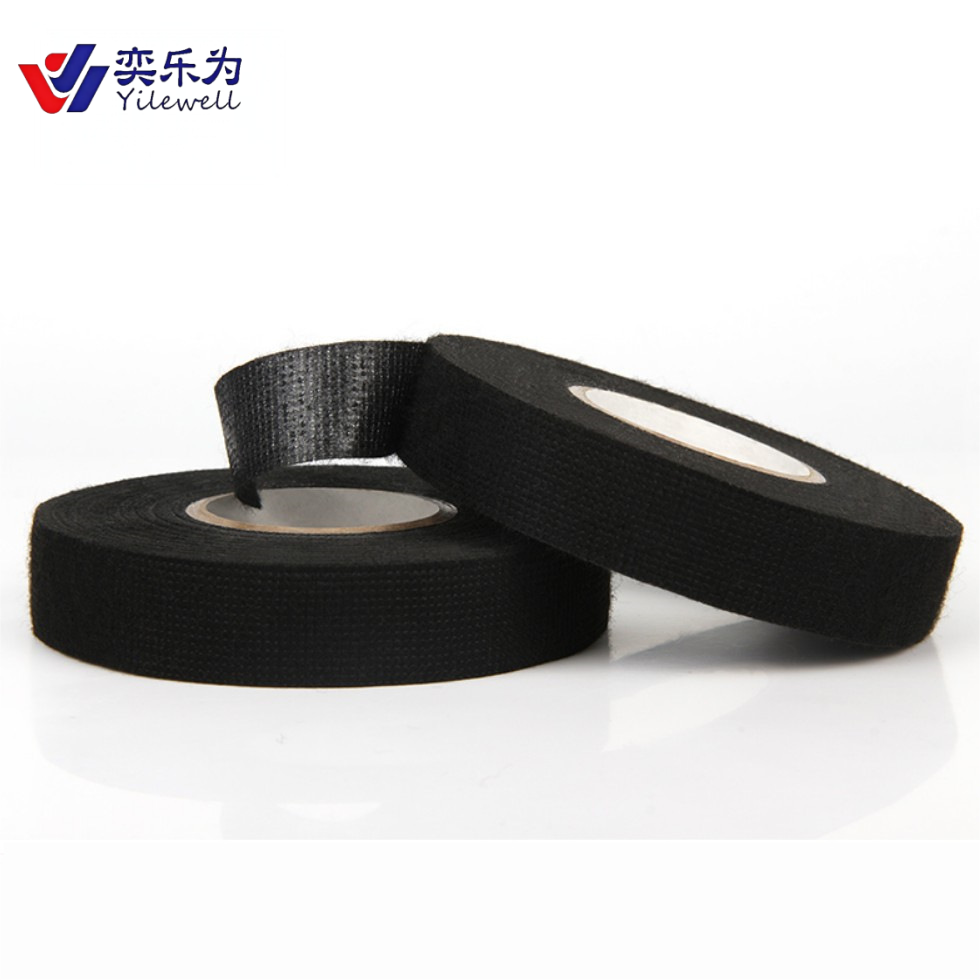
Masking and Surface Protection Applications
Cloth adhesive tape industrial grade also plays a critical role in masking applications during industrial coating, powder coating, and paint spraying processes. The tape's heat-resistant backing and pressure-sensitive adhesive allow it to protect defined surface areas from overspray while withstanding oven curing temperatures. After the process is complete, cloth adhesive tape industrial grade removes cleanly without leaving adhesive residue, preserving the integrity of the finished surface.
Surface protection is another area where cloth adhesive tape industrial grade adds measurable value. During transport and handling of manufactured components, cloth adhesive tape industrial grade acts as a buffer against scratches, abrasion, and impact damage. The reinforced cloth layer absorbs minor mechanical shocks, protecting finished surfaces from costly damage before the product reaches the end customer.
Cost Efficiency and Operational Value
Long Cycle Length Reduces Replacement Frequency
From a cost management perspective, cloth adhesive tape industrial grade delivers strong return on investment. Products engineered for industrial use typically offer longer cycle lengths and greater coverage per roll compared to standard consumer-grade options. This means manufacturing teams can complete more tasks per roll of cloth adhesive tape industrial grade, directly reducing per-unit tape costs across high-volume production runs.
The reliability of cloth adhesive tape industrial grade also reduces hidden costs associated with tape failure. When a tape fails mid-process, the resulting rework, damaged components, or production delays create expenses that far exceed the initial material savings from using a lower-grade product. Choosing cloth adhesive tape industrial grade from the start helps manufacturers avoid these downstream costs and maintain consistent output quality.
Reducing Labor Time on the Production Floor
Operational efficiency is another dimension where cloth adhesive tape industrial grade stands out. The hand-tearable feature of cloth adhesive tape industrial grade eliminates the need for cutting tools in most applications. Workers can dispense and apply cloth adhesive tape industrial grade faster, which is particularly valuable in high-speed production environments. When multiplied across hundreds of daily applications, this time saving contributes to measurable labor efficiency gains. Facilities that consistently use cloth adhesive tape industrial grade often identify it as a small but meaningful driver of overall throughput improvement.
FAQ
What makes cloth adhesive tape industrial grade different from standard cloth tape?
Cloth adhesive tape industrial grade is manufactured with heavier fabric backing, stronger adhesive formulations, and higher heat resistance compared to standard cloth tape. It is designed to perform under the mechanical, thermal, and chemical stresses common in manufacturing environments, where standard tape would degrade or fail prematurely.
Can cloth adhesive tape industrial grade be used on painted or coated surfaces?
Yes, cloth adhesive tape industrial grade is commonly used on painted and coated surfaces for masking and protection. Its pressure-sensitive adhesive bonds firmly during use but removes cleanly after the process is complete, leaving no adhesive residue that could damage the finish or require additional cleaning.
Is cloth adhesive tape industrial grade suitable for high-temperature manufacturing processes?
Cloth adhesive tape industrial grade with acrylic adhesive is well-suited for elevated temperature applications. It maintains bond strength through heat exposure typical in powder coating ovens, automotive paint curing, and similar industrial thermal processes, making it a reliable choice where temperature resistance is a key requirement.