 EN
EN


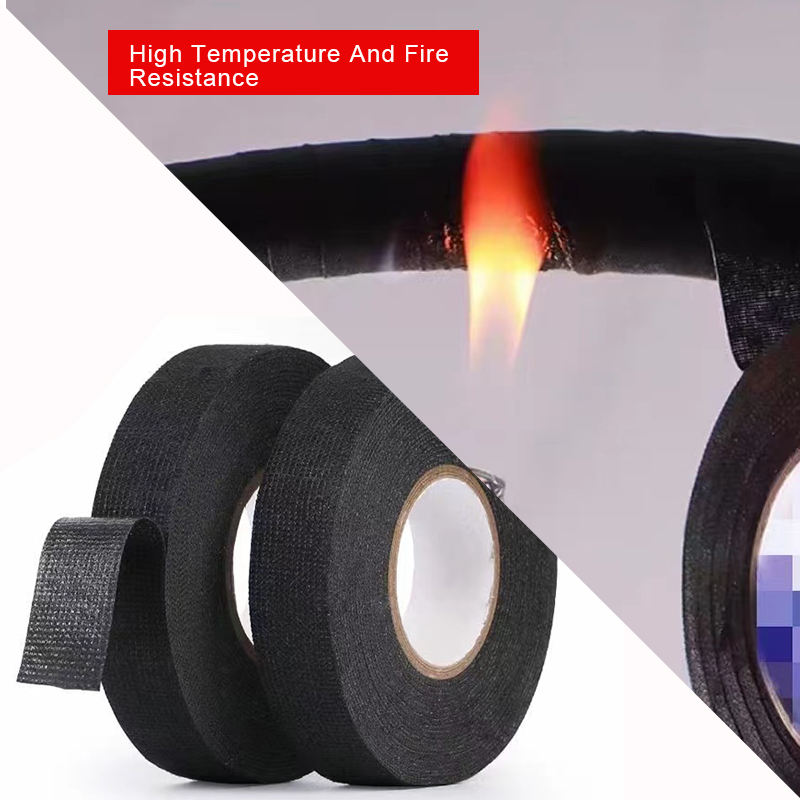
Choosing the right heat resistant tape for industrial or electrical applications is not a decision to take lightly. A low-quality heat resistant tape can fail under thermal stress, leading to equipment damage, safety hazards, or costly downtime. Understanding how to evaluate heat resistant tape before purchase and during use gives procurement teams and engineers a clear advantage in maintaining reliability and safety standards.
Whether you are sourcing heat resistant tape for wire bundling, insulation, or surface protection in high-temperature environments, evaluation should go beyond price. The longevity of heat resistant tape depends on material composition, adhesive performance, thickness, and how consistently the tape maintains its properties under repeated thermal cycles. This guide walks through the most reliable evaluation criteria to help you make well-informed sourcing decisions.
Key Material Properties That Define Heat Resistant Tape Quality
Base Material Composition
The foundation of any high-quality heat resistant tape is its base material. Common base materials include PVC, polyimide, PTFE, glass cloth, and silicone-coated fiberglass. Each material determines the upper temperature limit the heat resistant tape can withstand without deforming, cracking, or losing adhesion. PVC-based heat resistant tape, for instance, is widely used for electrical insulation at moderate temperatures, offering a balance of flexibility, dielectric strength, and cost efficiency. When evaluating heat resistant tape, always verify that the base material is rated for the actual operating temperature of your application.
Higher-grade heat resistant tape materials such as polyimide or PTFE offer superior thermal stability and chemical resistance, making them suitable for demanding industrial settings. The clarity of the material specification is itself a quality signal — a reputable heat resistant tape supplier should be able to clearly state the material type, temperature rating, and compliance standards for every product variant.
Adhesive System Performance
The adhesive layer of heat resistant tape is just as critical as the backing. A heat resistant tape with a poor adhesive system may peel, bubble, or leave residue when exposed to high temperatures. Silicone-based adhesives are preferred in most heat resistant tape products designed for sustained elevated temperatures because silicone retains its bonding properties across a wide thermal range. Acrylic adhesives in heat resistant tape offer good initial tack and UV resistance but may soften under prolonged heat exposure. When evaluating heat resistant tape, test the adhesive under actual operating temperatures before committing to a bulk order. Look for heat resistant tape that maintains clean removal after thermal exposure and does not transfer adhesive residue to the substrate.
Practical Tests to Assess Heat Resistant Tape Longevity
Thermal Cycling and Aging Tests
Longevity is one of the most important dimensions of heat resistant tape quality, and it can only be properly assessed through systematic testing. A thermal cycling test exposes the heat resistant tape to repeated high-low temperature cycles that simulate real-world operating conditions. After multiple cycles, evaluate whether the heat resistant tape shows signs of delamination, edge lifting, brittleness, or color change. Quality heat resistant tape maintains dimensional stability and adhesive integrity across many thermal cycles. Heat resistant tape that fails early in cycling tests will almost certainly underperform in the field.
An aging test is also highly informative for assessing heat resistant tape longevity. This involves placing the heat resistant tape in a controlled oven at its rated temperature for an extended period — typically 168 hours or more — and then measuring changes in tensile strength, elongation, and adhesive peel force. Heat resistant tape that retains the majority of its mechanical properties after aging demonstrates genuine long-term reliability. Request aging test data or third-party certification results when evaluating heat resistant tape from new suppliers.
Thickness, Tensile Strength, and Dimensional Stability
Physical dimensions also play a key role in evaluating heat resistant tape. The thickness of heat resistant tape directly affects its insulation level, mechanical protection, and conformability over irregular surfaces. For electrical applications, heat resistant tape with consistent thickness — such as 0.11mm in PVC variants — ensures reliable dielectric performance across the full length of the roll. Inconsistent thickness is a sign of poor manufacturing quality and can lead to weak points where heat resistant tape fails prematurely.
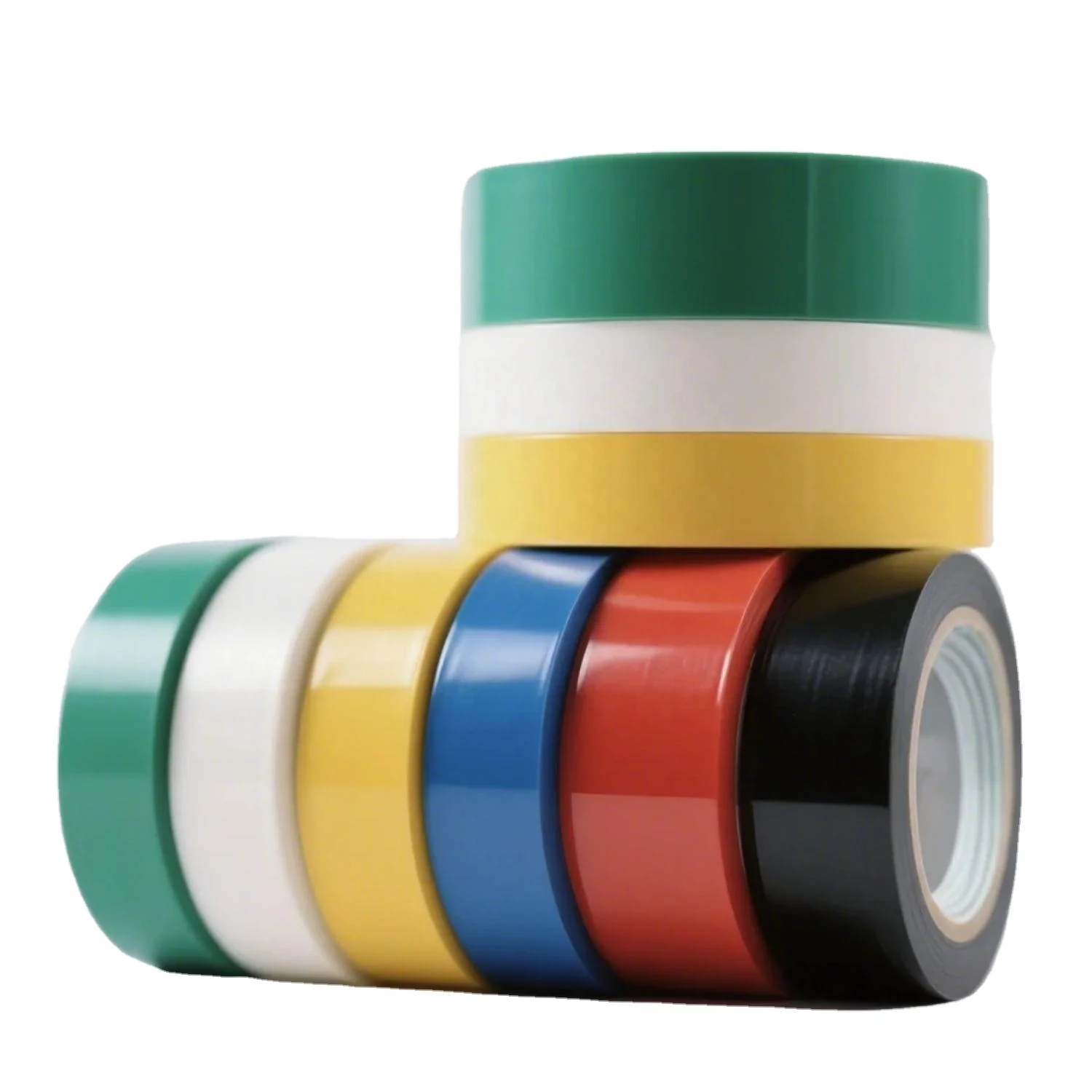
Tensile strength determines how well heat resistant tape withstands mechanical stress during application and in service. Heat resistant tape with insufficient tensile strength may tear during wrapping or break apart when the substrate vibrates or flexes. Dimensional stability — meaning the tape does not significantly shrink or expand under heat — is equally essential. Heat resistant tape that shrinks under temperature can expose insulated surfaces, defeating its purpose. When evaluating heat resistant tape, request data sheets that include tensile strength values, elongation percentages, and shrinkage ratios under heat.
Evaluation Criteria for Industrial and Electrical Applications
Certifications and Compliance Standards
Reliable heat resistant tape used in professional applications should carry relevant certifications. For electrical heat resistant tape, look for compliance with standards such as UL, RoHS, or IEC specifications. These certifications confirm that the heat resistant tape has been independently tested for safety, electrical performance, and environmental compliance. Sourcing heat resistant tape that meets recognized standards reduces risk for end users and simplifies compliance documentation in regulated industries such as automotive, aerospace, and industrial manufacturing.
Supplier Consistency and Batch Quality Control
Even if a sample of heat resistant tape performs well, ongoing supplier quality control is critical. Ask potential heat resistant tape suppliers about their manufacturing quality management systems and whether they conduct batch-level testing. Inconsistent production practices lead to variability between rolls of heat resistant tape from the same specification, creating unpredictable field performance. Request certificate of conformance documents or quality inspection reports for each batch of heat resistant tape. A supplier that cannot provide this level of transparency is a risk to your procurement reliability. Consistent heat resistant tape quality from batch to batch is a hallmark of a trustworthy manufacturing partner.
FAQ
What temperature range should quality heat resistant tape handle?
Quality heat resistant tape should be rated to handle the actual maximum temperature of your application with a safety margin. PVC heat resistant tape typically handles up to around 105°C, while silicone or polyimide heat resistant tape can perform at significantly higher temperatures. Always match the heat resistant tape rating to your specific thermal environment.
How can I tell if heat resistant tape will last long-term?
Request thermal aging test data and thermal cycling test results from the heat resistant tape supplier. Heat resistant tape that retains tensile strength, adhesion, and dimensional stability after extended thermal exposure is a strong indicator of long-term durability. Certifications and third-party test reports further validate the longevity claims of heat resistant tape.
Is thicker heat resistant tape always better for electrical insulation?
Not necessarily. Thicker heat resistant tape provides higher dielectric strength and mechanical protection, but it also reduces flexibility and may not conform well to tight geometries. The right thickness for heat resistant tape depends on the voltage level, surface shape, and application requirements. A well-specified heat resistant tape with consistent thickness is more valuable than simply choosing the thickest option available.