 EN
EN


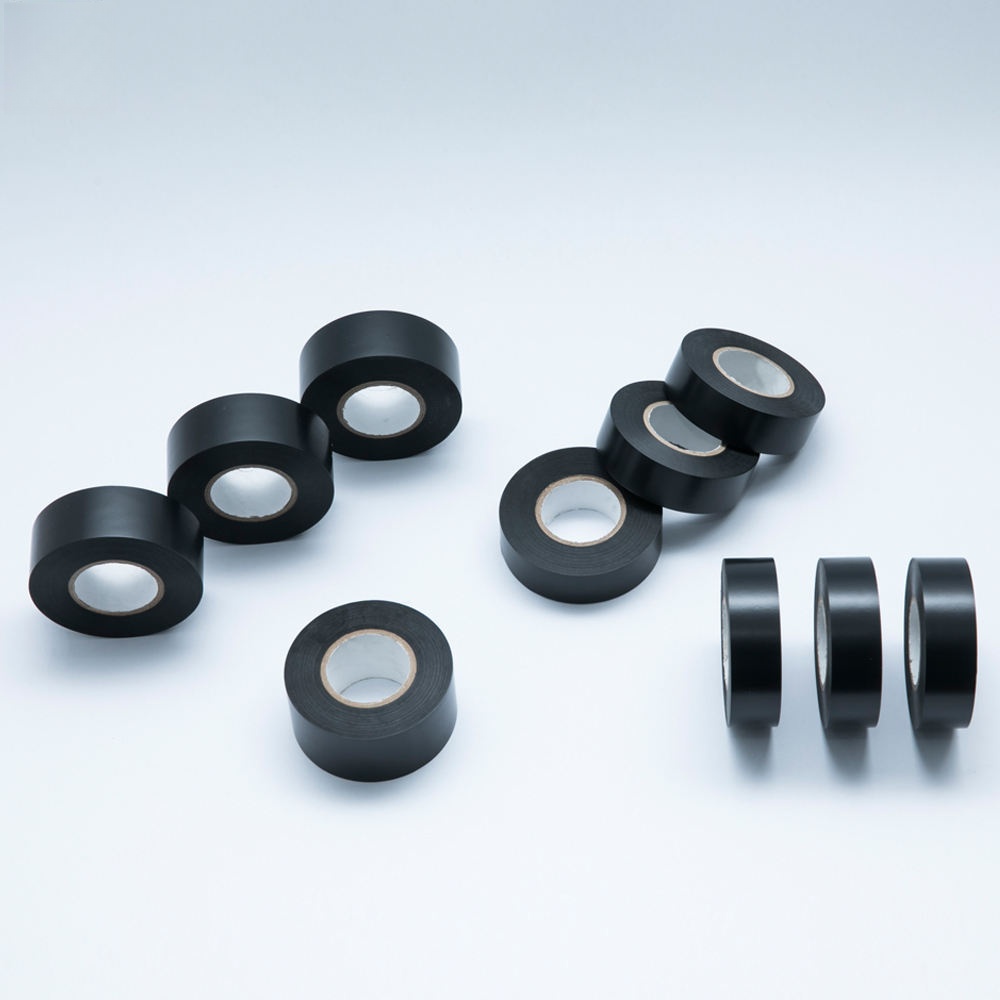
PVC electrical insulation tape has become the backbone of electrical safety across automotive and electronics industries worldwide. This specialized adhesive tape provides critical protection for wiring, connections, and electrical components that form the foundation of modern vehicles and electronic devices. Understanding why PVC electrical insulation tape dominates these sectors requires examining its unique properties, regulatory compliance, and practical performance advantages that manufacturers and technicians depend on daily.
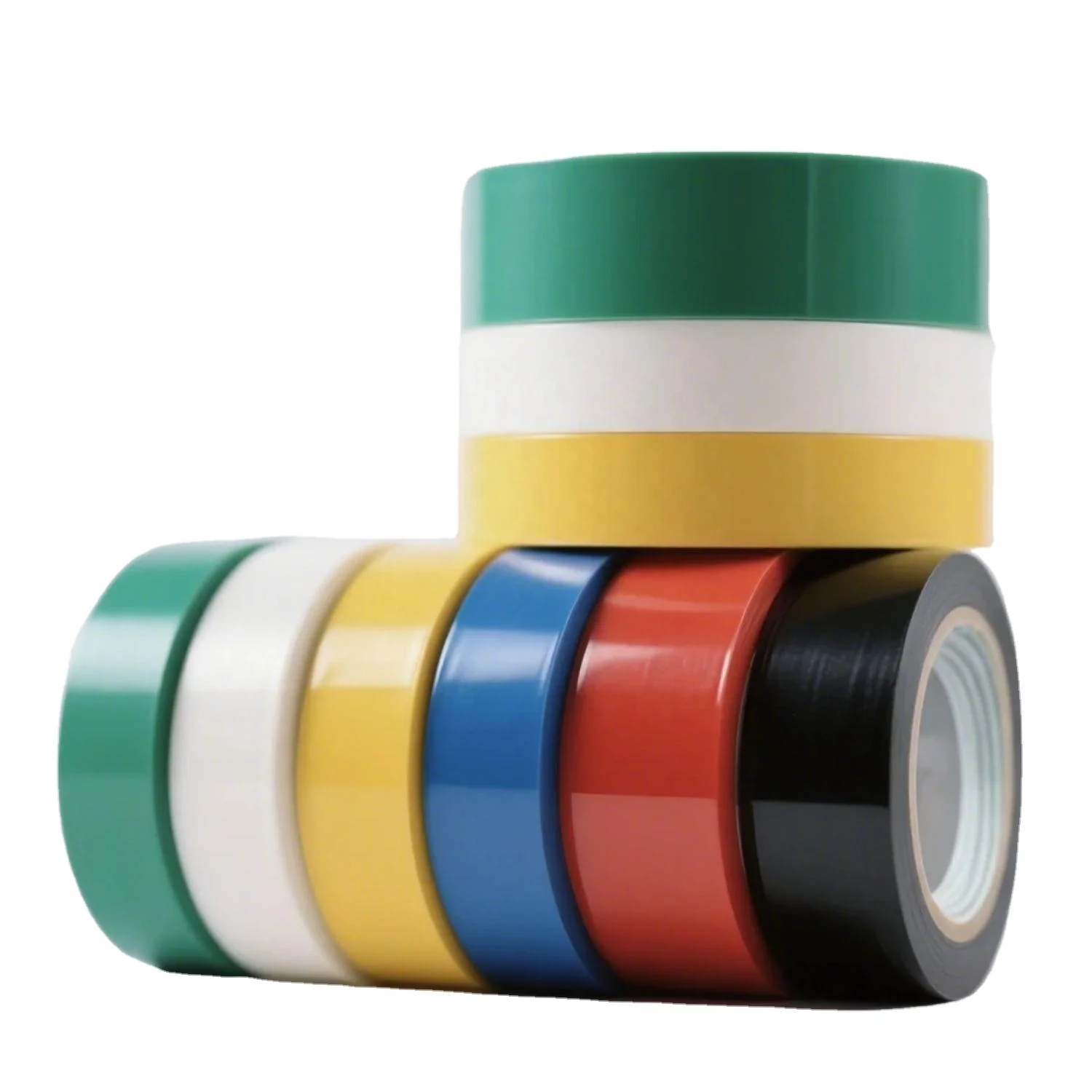
The automotive industry relies on PVC electrical insulation tape for wire harness assembly, battery connections, and high-voltage circuit protection. In electronics manufacturing, PVC electrical insulation tape serves as the first line of defense against electrical faults, moisture intrusion, and thermal degradation. The widespread adoption of PVC electrical insulation tape reflects decades of proven performance, regulatory acceptance, and cost-effectiveness that alternatives struggle to match.
Superior Electrical Insulation Properties
Dielectric Strength and Voltage Protection
PVC electrical insulation tape delivers exceptional dielectric strength that prevents electrical current from flowing through the insulation material itself. This critical property protects operators, equipment, and surrounding components from electrical shock and circuit failure. The voltage rating of quality PVC electrical insulation tape typically ranges from 400 to 600 volts for standard automotive and electronics applications, meeting or exceeding most industry requirements. When engineers select PVC electrical insulation tape for high-voltage environments, they gain confidence that the material will maintain its insulating properties under continuous electrical stress and voltage fluctuations.
Thermal Stability and Heat Resistance
Modern vehicles and electronic devices generate significant heat during operation, demanding that PVC electrical insulation tape maintain its integrity across wide temperature ranges. PVC electrical insulation tape typically performs reliably between minus 10 degrees Celsius and 80 degrees Celsius, with premium formulations extending this range further. The polymer structure of PVC electrical insulation tape resists thermal degradation, preventing the tape from becoming brittle, losing adhesion, or cracking under heat exposure. In engine compartments and high-power electronics circuits, selecting PVC electrical insulation tape ensures consistent protection throughout the product's operational lifespan without requiring tape replacement or maintenance.
Moisture and Environmental Resistance
Waterproofing and Chemical Durability
Automotive environments expose wiring and connections to moisture, salt spray, oil, coolant, and other corrosive substances that degrade standard tape materials. PVC electrical insulation tape creates a water-resistant barrier that prevents moisture infiltration into wire joints and electrical connections, significantly reducing corrosion-related failures. The chemical composition of PVC electrical insulation tape grants resistance to oil, gasoline, coolant, and most automotive fluids commonly encountered in engine bays and undercarriage installations. Electronics manufacturers specify PVC electrical insulation tape because it protects circuit board connections and component leads from humidity, condensation, and chemical solvents used in manufacturing processes.
Adhesion Retention in Harsh Conditions
The rubber-based adhesive used in quality PVC electrical insulation tape maintains its sticking power even when exposed to temperature cycling, moisture, and vibration. During automotive manufacturing and assembly, PVC electrical insulation tape experiences mechanical stress from wire bending, connector insertion, and vibration testing. Premium PVC electrical insulation tape formulations remain securely bonded throughout these conditions, preventing tape unwrapping or separation that would compromise electrical insulation. This adhesion reliability makes PVC electrical insulation tape the preferred choice for production environments where tape failure during quality assurance testing would halt manufacturing schedules.
Regulatory Compliance and Industry Standards
Automotive Safety Certifications
The automotive industry operates under strict safety and quality standards that PVC electrical insulation tape has satisfied for decades. Vehicles sold in North America, Europe, Asia, and other markets must comply with electrical safety regulations that validate tape performance under defined test conditions. Manufacturers specify PVC electrical insulation tape because it meets or exceeds standards such as UL 510, UL 1700, and various automotive OEM specifications that verify voltage withstand capability, adhesion durability, and thermal stability. When automotive engineers design wire harnesses and electrical systems, using PVC electrical insulation tape provides documented compliance with regulatory requirements and customer safety expectations.
Electronics Industry Standards and Approvals
Electronics manufacturers producing consumer devices, industrial equipment, and telecommunications infrastructure must demonstrate electrical safety compliance through recognized testing protocols. PVC electrical insulation tape meets international standards including IEC 60454 and RoHS compliance requirements that ensure tape materials do not contain hazardous substances. The documented performance history of PVC electrical insulation tape creates confidence among quality assurance teams, regulatory auditors, and end customers. This regulatory acceptance eliminates extensive validation testing that manufacturers would otherwise need to perform with alternative materials, reducing development costs and accelerating product time-to-market.
Practical Manufacturing and Installation Benefits
Ease of Application and Handling
Technicians and manufacturing workers appreciate PVC electrical insulation tape because it unrolls smoothly, stretches when applied with slight tension, and conforms to irregular wire geometries and connector shapes. Unlike rigid insulation materials or heat-shrink alternatives that require specialized equipment and training, PVC electrical insulation tape can be applied quickly by hand with minimal operator skill variation. The flexibility of PVC electrical insulation tape allows technicians to wrap multiple wire diameters and create custom-shaped insulation without inventory management complexity. In automotive assembly plants and electronics manufacturing facilities, this simplicity reduces training costs and improves consistency across large production volumes.
Cost Effectiveness and Material Efficiency
PVC electrical insulation tape offers superior value compared to specialty insulation materials, reinforced tapes, and alternative electrical protection products. A single roll of PVC electrical insulation tape can protect hundreds of wire connections, making the per-connection cost remarkably low compared to rigid insulation sleeves or heat-shrink tubing. Manufacturers reduce packaging waste and storage footprint by consolidating PVC electrical insulation tape into their wire assembly processes. The long shelf life of PVC electrical insulation tape eliminates frequent replacement cycles, while bulk purchasing agreements provide additional cost advantages for high-volume automotive and electronics producers.
FAQ
What makes PVC electrical insulation tape better than rubber or cloth alternatives?
PVC electrical insulation tape combines superior dielectric strength, moisture resistance, and thermal stability that rubber and cloth materials cannot match consistently. While rubber deteriorates under UV exposure and cloth absorbs moisture, PVC electrical insulation tape maintains its insulating and protective properties across decades of automotive and electronics service life. The durability advantage of PVC electrical insulation tape justifies its widespread industry adoption over traditional alternatives that require more frequent maintenance and replacement.
Can PVC electrical insulation tape withstand extreme temperatures in automotive engines?
Standard PVC electrical insulation tape performs reliably up to 80 degrees Celsius, which covers most automotive underhood temperatures during normal operation. However, areas experiencing extreme sustained heat near exhaust manifolds or turbochargers may require premium-grade PVC electrical insulation tape or specialty high-temperature products. Automotive engineers evaluate specific temperature zones and select appropriate PVC electrical insulation tape formulations to ensure adequate safety margins above maximum operating temperatures.
Is PVC electrical insulation tape compliant with international electronics safety standards?
Yes, quality PVC electrical insulation tape meets established international standards including UL, IEC, and regional automotive specifications that verify electrical and thermal performance. Electronics manufacturers and automotive suppliers rely on certified PVC electrical insulation tape to satisfy customer requirements and regulatory agency approval. Always confirm that specific PVC electrical insulation tape products display appropriate certification marks and documentation before specifying them for safety-critical applications.