 EN
EN


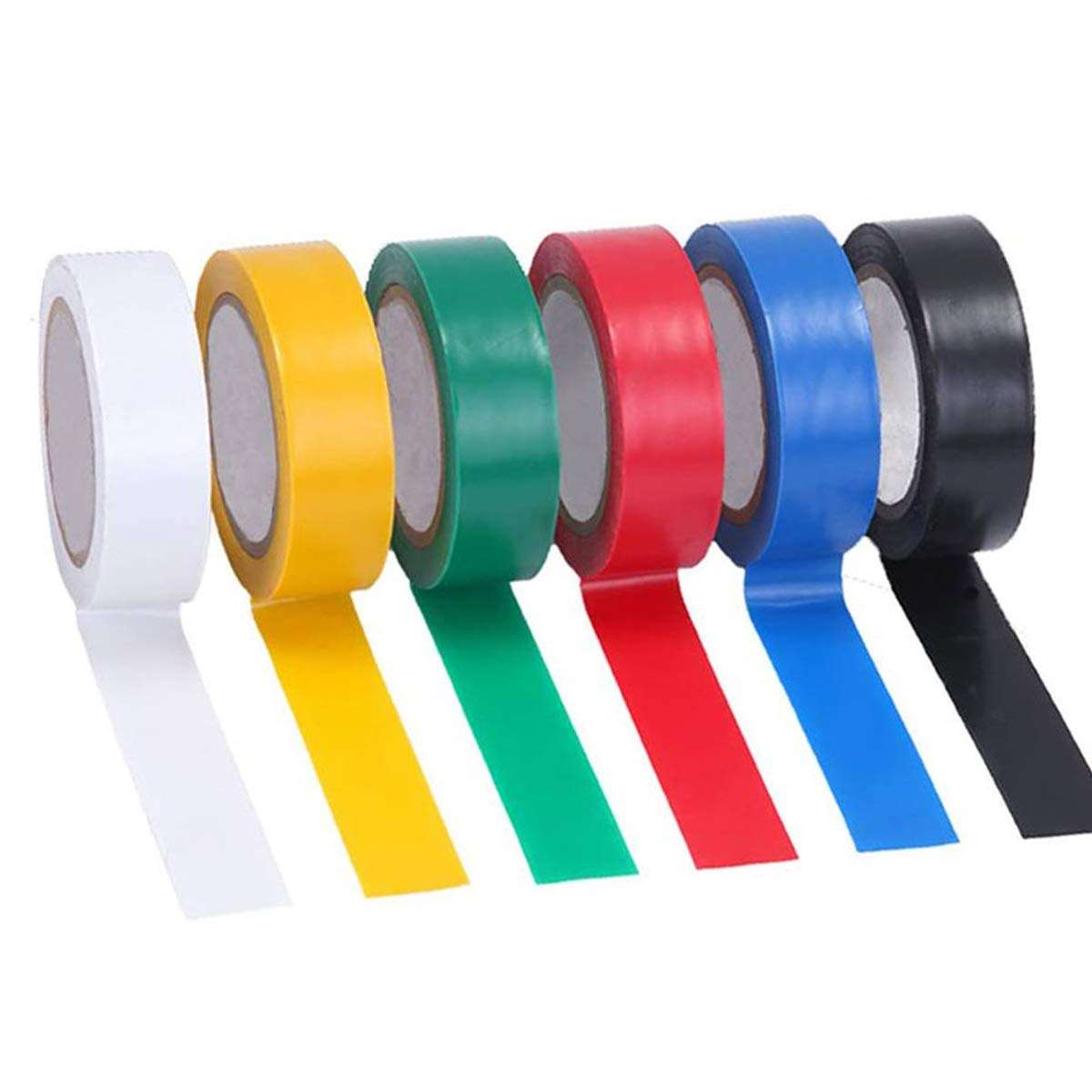
High temperature insulation tape has become indispensable across manufacturing sectors where thermal stress, electrical isolation, and durability are non-negotiable. From automotive wiring harnesses to industrial machinery, high temperature insulation tape serves as a critical protective layer that safeguards equipment, extends component lifespan, and ensures operational safety. Manufacturers invest in high temperature insulation tape not merely as a convenience, but as a strategic necessity for maintaining production reliability and meeting stringent industry standards.
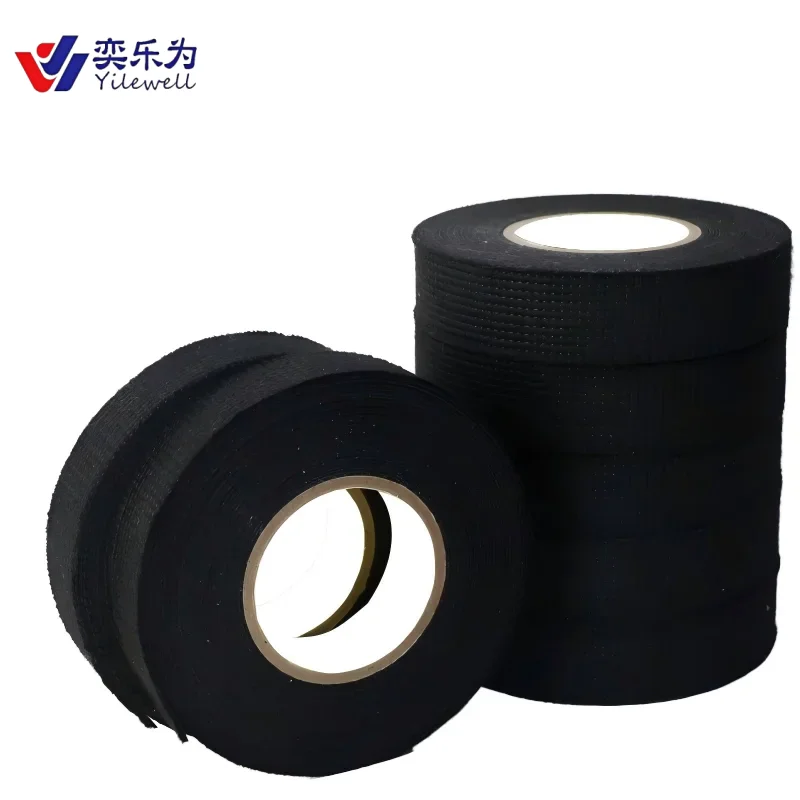
The decision to specify high temperature insulation tape stems from a deep understanding of operational demands. When equipment operates under extreme heat, conventional tape fails rapidly, exposing wires and components to short circuits, corrosion, and catastrophic failure. High temperature insulation tape delivers the thermal resistance, mechanical strength, and chemical stability required in heavy-duty environments, making it an investment that directly reduces downtime, repair costs, and safety incidents.
Thermal Performance and Equipment Protection
Managing Heat Stress in Critical Applications
Heavy-duty applications generate sustained heat that standard adhesive tape cannot tolerate. High temperature insulation tape maintains its adhesive properties and physical integrity across temperature ranges that would degrade ordinary materials. In automotive environments, for instance, engine bay temperatures routinely exceed 120°C, and high temperature insulation tape must withstand these extremes without peeling, shrinking, or losing electrical resistance. This thermal resilience directly protects underlying wiring and components from exposure, contamination, and electrical faults that would otherwise force costly equipment replacement.
Electrical Insulation Under Extreme Conditions
Electrical safety in high-heat environments depends on consistent dielectric properties. High temperature insulation tape provides rated voltage isolation that does not degrade as temperature climbs. Manufacturers rely on high temperature insulation tape to create barriers that prevent arc-over, short circuits, and phase-to-ground faults in motor windings, transformer leads, and high-current wiring harnesses. When thermal conditions fluctuate, high temperature insulation tape preserves its insulating characteristics, eliminating the risk of electrical failure that could damage equipment or create fire hazards.
Durability and Long-Cycle Operational Life
Resistance to Mechanical Stress and Vibration
Manufacturing machinery operates under continuous mechanical stress—vibration, flexing, thermal cycling, and pressure variations that gradually degrade tape adhesion and substrate integrity. High temperature insulation tape combines reinforced cloth backing with heat-resistant adhesive formulations that resist these cumulative stresses. The tensile strength of high temperature insulation tape prevents tearing under vibration, while its elastic recovery ensures the tape remains snugly bonded even after repeated thermal expansion and contraction cycles. This durability translates directly into extended service intervals and reduced unscheduled maintenance that disrupts production schedules.
Chemical and Environmental Stability
Manufacturing environments expose equipment to oils, solvents, coolants, humidity, and ozone that attack standard tape materials. High temperature insulation tape resists chemical degradation through formulations engineered for industrial exposure. The cloth backing does not absorb moisture, the adhesive remains stable against petroleum-based fluids, and the overall construction resists UV and ozone breakdown. Manufacturers choose high temperature insulation tape specifically because it maintains integrity across harsh shop floors where ordinary tape would fail within weeks, creating safety risks and forcing frequent re-wrapping that consumes labor and downtime.
Cost Efficiency and Risk Mitigation
Reducing Unplanned Downtime and Repair Cycles
Equipment failure due to tape degradation is rarely a minor inconvenience in manufacturing. A single unexpected outage can halt production lines, delay customer orders, and trigger contractual penalties that far exceed the cost of premium materials. High temperature insulation tape reduces the probability of tape-related failures that cascade into equipment damage. By investing in high temperature insulation tape initially, manufacturers avoid the hidden costs of emergency repairs, production loss, and potential liability claims. This cost calculation favors high temperature insulation tape consistently across industries where operational continuity directly impacts revenue.
Compliance with Industry Standards and Specifications
Automotive, aerospace, and industrial equipment standards mandate specific tape performance characteristics. High temperature insulation tape formulated to meet UL, IEC, and automotive OEM specifications provides manufacturers with documented compliance evidence. Specifying high temperature insulation tape aligned with relevant standards eliminates the risk of non-conformance issues during supplier audits, quality reviews, or product recalls. Manufacturers rely on high temperature insulation tape because it transforms compliance from a administrative burden into a built-in feature of the assembly process, reducing quality risk and supporting long-term supply chain stability.
FAQ
What temperature range should high temperature insulation tape withstand?
High temperature insulation tape rated for continuous operation typically withstands temperatures from -40°C to +130°C or higher, depending on formulation. For peak intermittent exposure, premium grades of high temperature insulation tape can tolerate brief excursions to 150°C or above. Manufacturers must select high temperature insulation tape rated at least 20°C above their expected peak operating temperature to maintain safety margins and ensure long-term performance without degradation.
How does high temperature insulation tape compare to liquid coatings?
High temperature insulation tape offers faster application, easier inspection, and more reliable coverage consistency than spray or brush-applied coatings. While liquid coatings provide seamless barriers, high temperature insulation tape delivers mechanical reinforcement, repairability, and visual identification of wrapped areas. Many manufacturers use high temperature insulation tape in combination with coatings for critical joints, recognizing that high temperature insulation tape's tactile presence and dimensional integrity address wear points that coatings alone cannot protect adequately.
Can high temperature insulation tape be used in direct flame contact?
Standard high temperature insulation tape is not designed for direct flame or continuous thermal radiation exposure above its rated temperature ceiling. For applications involving open flame or arc exposure, manufacturers should specify ceramic-based or fiberglass-reinforced variants, or combine high temperature insulation tape with additional thermal shielding. High temperature insulation tape performs optimally in conductive-heat environments where components are insulated from direct flame but exposed to sustained elevated temperatures from surrounding equipment.