 EN
EN



Electrical components operating in high-heat environments face significant risk of performance degradation and failure if not properly protected. High temperature insulation tape serves as a critical barrier, shielding sensitive wiring, connectors, and circuit elements from thermal stress and electrical hazards. Understanding how high temperature insulation tape works and when to deploy it can mean the difference between reliable equipment operation and costly downtime or safety incidents. This guide explores the protective mechanisms behind high temperature insulation tape and demonstrates practical strategies for maximizing its effectiveness in demanding industrial and automotive applications.
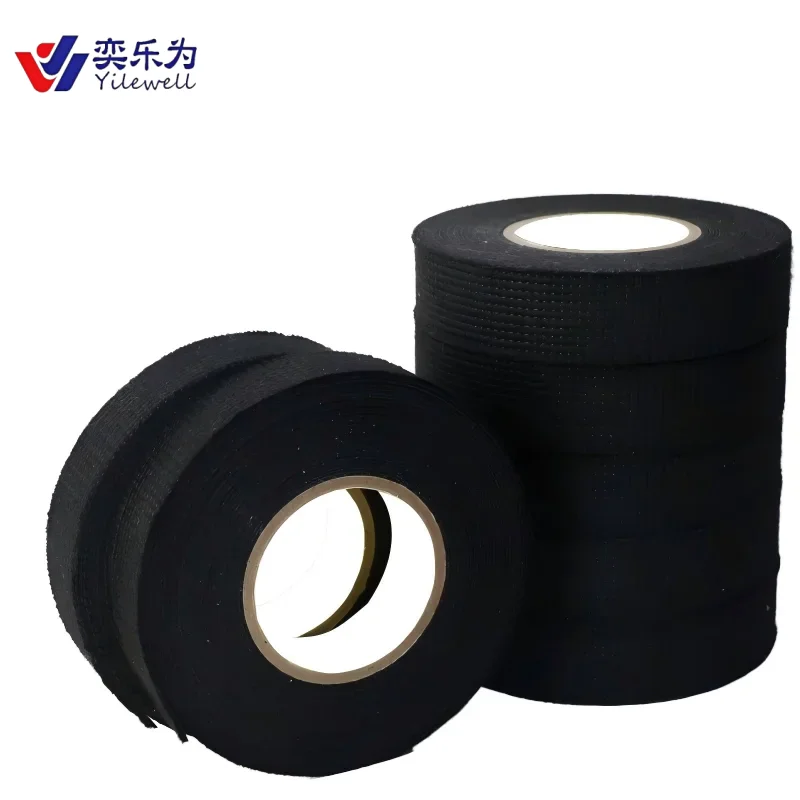
High temperature insulation tape is engineered specifically to maintain electrical and thermal protection across extreme operating conditions where standard tape fails. The material composition, adhesive formulation, and structural design all work together to create a reliable thermal and electrical barrier. When applied correctly, high temperature insulation tape prevents heat transfer to adjacent components, reduces electrical leakage paths, and extends the operational life of critical wiring and connections in systems ranging from engine compartments to industrial furnace controls.
Thermal Protection Mechanism of High Temperature Insulation Tape
Heat Barrier Properties
High temperature insulation tape functions as a thermal barrier by slowing heat transfer through its multi-layer construction. The substrate material, typically glass cloth or polyimide film, has inherently low thermal conductivity. When high temperature insulation tape is wrapped around conductors or exposed electrical assemblies, it creates an insulating layer that absorbs and dissipates heat rather than allowing it to concentrate at component surfaces. The thickness and material composition of high temperature insulation tape directly influence how effectively it resists thermal penetration and maintains safe operating temperatures for the protected components.
Adhesive Stability Under Extreme Heat
A defining characteristic of professional-grade high temperature insulation tape is the thermal stability of its adhesive system. Standard tape adhesives break down, lose tack, or become runny when exposed to sustained heat, creating gaps where electrical and thermal protection deteriorates. High temperature insulation tape incorporates specialized adhesive compounds formulated to maintain consistent bonding properties across a wide temperature range, often from -40°C to +260°C or higher. This adhesive stability ensures that high temperature insulation tape remains securely positioned throughout the component's lifespan, even during thermal cycling or fluctuating operational conditions common in automotive engines, industrial motors, and control systems.
Electrical Insulation and Safety Benefits
Voltage Isolation and Dielectric Strength
Beyond thermal management, high temperature insulation tape provides essential electrical insulation that prevents arcing, short circuits, and unintended current paths. The dielectric strength of quality high temperature insulation tape ranges from 5,000 to 8,000 volts per mil, creating a robust electrical barrier between conductors at different potentials. When high temperature insulation tape is applied to wire harnesses, terminal blocks, or component leads, it isolates conductive elements while maintaining the electrical performance of the circuit itself. This dual function—simultaneous thermal and electrical protection—makes high temperature insulation tape indispensable in densely packed electrical assemblies where component spacing is minimal and heat generation is significant.
Moisture and Contamination Resistance
High temperature insulation tape resists moisture infiltration and chemical contamination that can degrade electrical properties and accelerate corrosion. The non-porous surface of high temperature insulation tape prevents water vapor, salt spray, and industrial solvents from reaching wrapped conductors, which is especially critical in marine, coastal, and harsh industrial environments. The integrity of high temperature insulation tape also reduces the risk of moisture-induced leakage currents that can trigger component failure or safety hazards. By maintaining a dry, protected microenvironment around critical electrical elements, high temperature insulation tape extends equipment service life and reduces unplanned maintenance costs.
Industrial and Automotive Application Scenarios
Engine Bay and Underhood Protection
Automotive applications represent one of the most demanding use cases for high temperature insulation tape. Engine compartments routinely exceed 120°C, with localized hotspots near exhaust manifolds and turbochargers reaching 200°C or more. High temperature insulation tape is wrapped around fuel injector harnesses, ignition coil leads, sensor connections, and brake fluid lines to prevent heat-induced insulation breakdown and electrical faults. The high temperature insulation tape used in automotive applications must withstand thermal cycling, vibration, and exposure to engine oils and coolants, making material quality and adhesive durability critical selection factors.
Industrial Motor and Control System Applications
Industrial electric motors, transformers, and control cabinets generate intense heat during operation. High temperature insulation tape protects motor lead wires, terminal connections, and control relay coils from thermal degradation that would otherwise shorten equipment life and increase failure risk. In manufacturing plants, food processing facilities, and chemical plants, high temperature insulation tape maintains electrical safety margins and prevents unplanned equipment shutdowns. The tape's resistance to thermal cycling, vibration, and chemical exposure makes high temperature insulation tape a reliable component in preventive maintenance strategies that reduce operational downtime and extend asset lifespan.
Transformer and High-Power Switchgear Applications
Transformers and switchgear components dissipate significant heat during normal operation. High temperature insulation tape reinforces inter-winding insulation, protects bus connections, and shields control wiring from thermal stress. The chemical resistance of high temperature insulation tape is particularly valuable in transformer applications, where mineral oil exposure and varnish volatilization can degrade standard insulation materials. By maintaining stable electrical and thermal properties under continuous heat exposure, high temperature insulation tape ensures reliable long-term performance of critical power distribution infrastructure.
Selection and Installation Best Practices
Choosing the Right High Temperature Insulation Tape Grade
Not all high temperature insulation tape products offer identical performance. Temperature rating, adhesive type, substrate material, and thickness all influence how effectively high temperature insulation tape protects components. Applications with sustained temperatures above 180°C require high temperature insulation tape rated for those extremes, while lower-temperature environments may tolerate more economical alternatives. Examining product datasheets and understanding your specific application requirements ensures that the selected high temperature insulation tape provides adequate margin for thermal and electrical protection without unnecessary cost.
Proper Application Techniques
The effectiveness of high temperature insulation tape depends significantly on correct installation. The surface must be clean and dry before applying high temperature insulation tape to ensure consistent adhesion and eliminate trapped air pockets that could trap heat or create electrical pathways. Wrapping technique matters as well: overlapping each wrap by 50% ensures continuous coverage, while firm pressure during application activates the adhesive and creates a secure bond. When high temperature insulation tape is applied to harnesses or irregular shapes, careful routing prevents stress concentrations that could cause the tape to slip or separate during thermal cycling.
FAQ
What temperature range can high temperature insulation tape withstand?
Professional-grade high temperature insulation tape typically maintains performance across -40°C to +260°C, with some specialty formulations rated up to +300°C. The specific temperature rating depends on the adhesive system and substrate material used in the high temperature insulation tape. It is essential to verify the temperature range for your particular high temperature insulation tape product against your application requirements to ensure adequate safety margin and reliable long-term protection.
Can high temperature insulation tape replace traditional electrical conduit in tight spaces?
High temperature insulation tape offers flexibility advantages in constrained areas where rigid conduit installation is impractical. The conformability of high temperature insulation tape allows it to wrap irregular shapes and follow existing harness routing without requiring additional support structures. However, high temperature insulation tape does not provide mechanical protection equivalent to rigid conduit, so applications requiring abrasion resistance or physical impact protection may still require complementary mechanical shielding alongside high temperature insulation tape.
How often should high temperature insulation tape be inspected or replaced?
High temperature insulation tape should be inspected periodically during scheduled maintenance to check for adhesion loss, cracking, or separation, particularly in equipment experiencing thermal cycling or vibration. The replacement interval depends on operating conditions, material quality, and the specific high temperature insulation tape product used. Well-maintained high temperature insulation tape in stable thermal environments may provide many years of reliable service, while high-stress applications with extreme temperature swings may require more frequent inspection and earlier replacement to maintain safety and performance margins.