automotive heat insulation tape
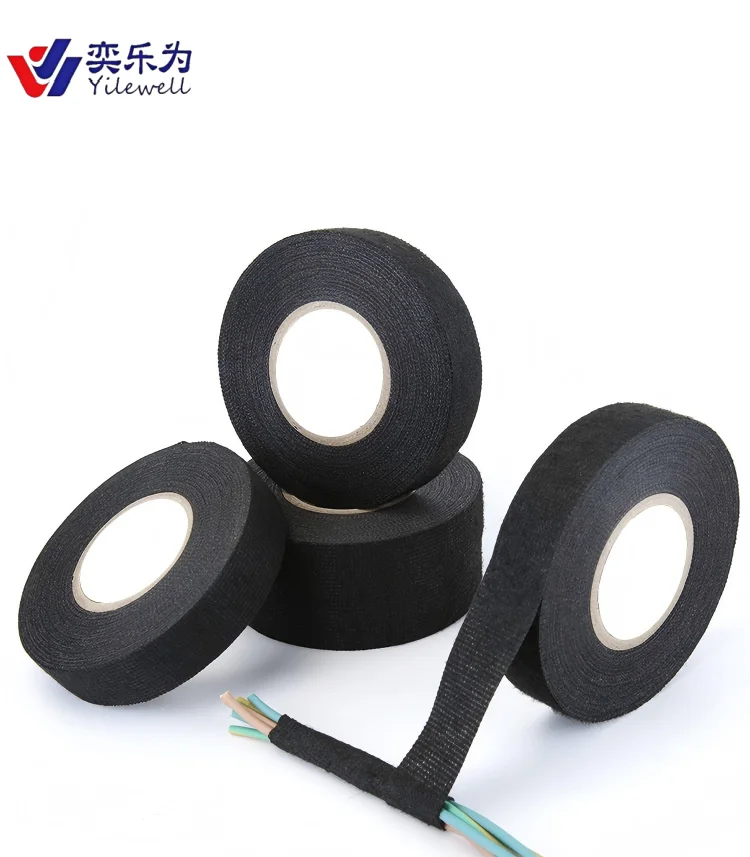
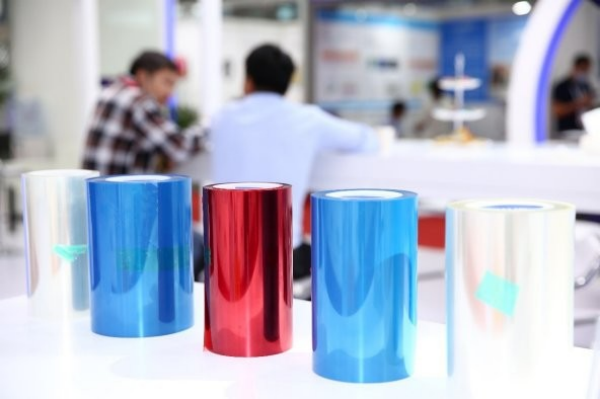
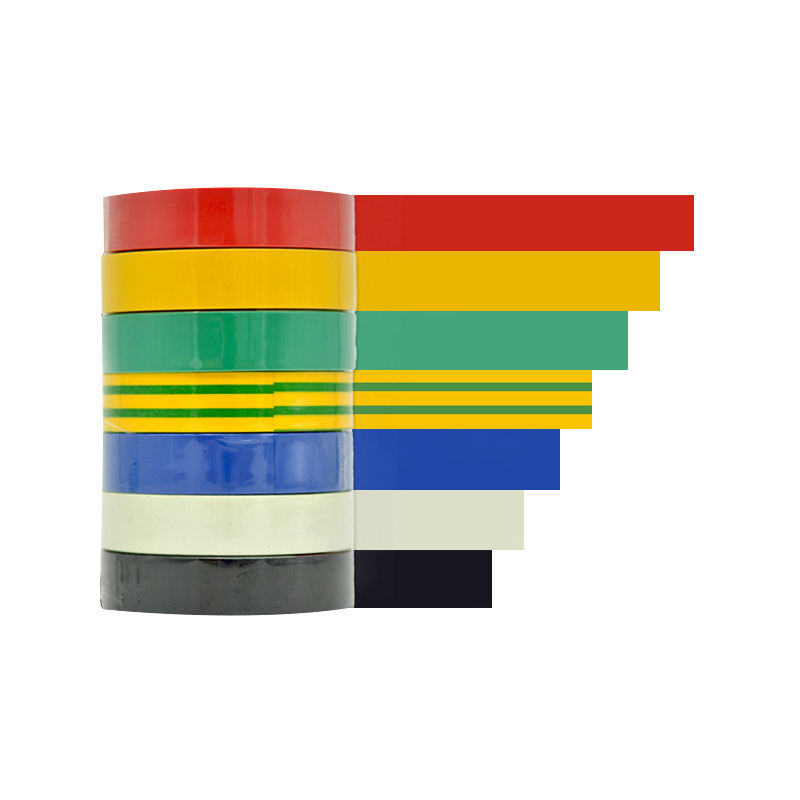
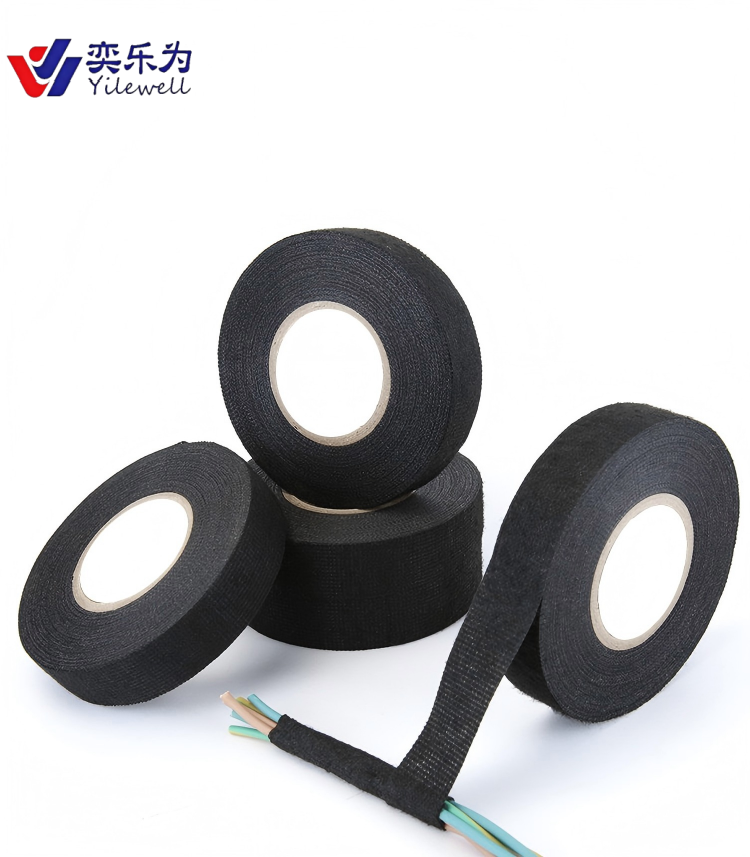
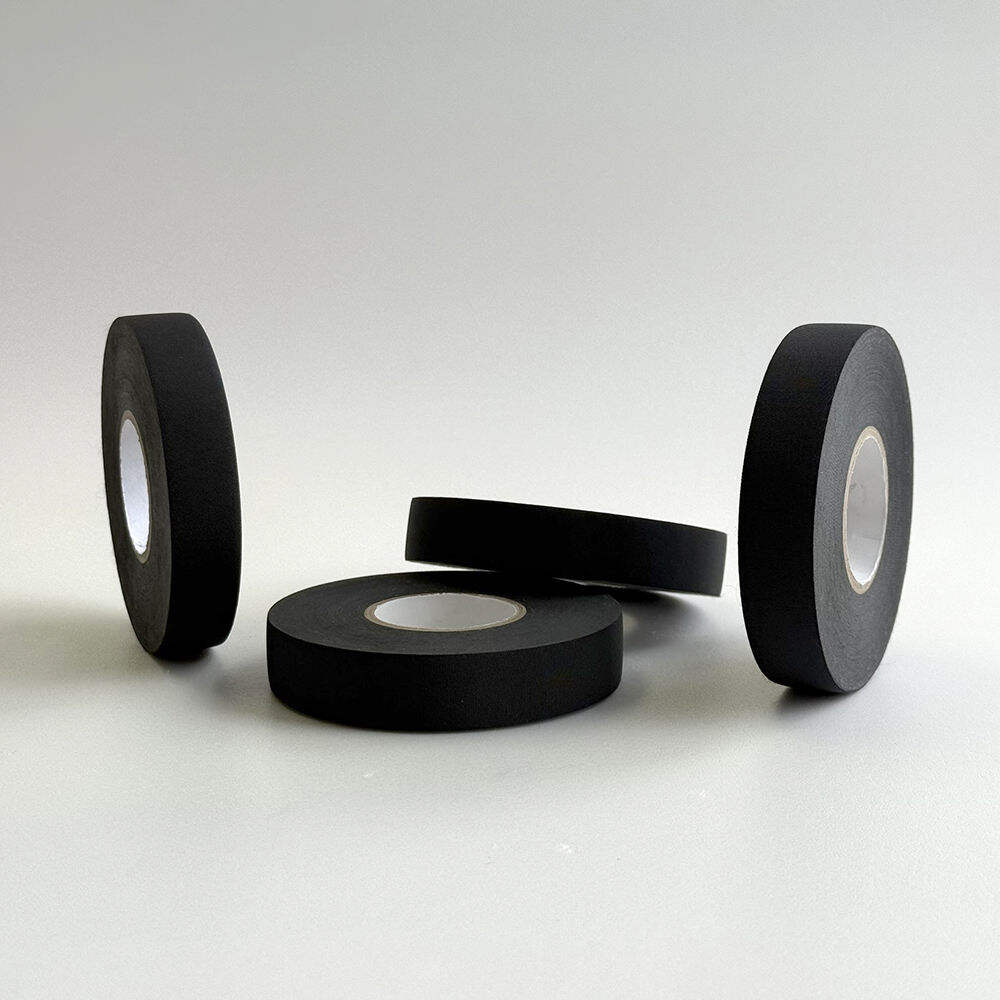
Automotive heat insulation tape represents a crucial component in modern vehicle engineering, designed to protect sensitive parts from extreme temperatures while enhancing overall performance and safety. This specialized tape serves as a thermal barrier, effectively preventing heat transfer from hot engine components to surrounding areas that require temperature control. The automotive heat insulation tape utilizes advanced materials and engineering to withstand the harsh conditions found in automotive environments, including high temperatures, vibrations, chemical exposure, and mechanical stress. The primary function of automotive heat insulation tape involves creating a protective shield around fuel lines, electrical wiring, hydraulic systems, and other temperature-sensitive components. By maintaining optimal operating temperatures, this tape prevents component degradation, reduces the risk of fire hazards, and ensures consistent vehicle performance across various driving conditions. The technological features of automotive heat insulation tape include multi-layer construction with reflective surfaces, high-temperature resistant adhesives, and flexible materials that conform to irregular shapes and surfaces. These tapes typically incorporate aluminum foil backing combined with specialized insulation materials such as fiberglass, ceramic fibers, or foam cores. The reflective properties redirect radiant heat away from protected components, while the insulation layer provides thermal resistance to conducted heat. Modern automotive heat insulation tape also features excellent durability characteristics, maintaining its protective properties even after prolonged exposure to temperature cycling, moisture, and automotive fluids. The applications for automotive heat insulation tape span across multiple vehicle systems and components. Engine bay applications include wrapping exhaust manifolds, turbocharger housings, and intercooler piping to protect nearby components from heat damage. Fuel system protection involves insulating fuel lines and fuel rails to prevent vapor lock and maintain proper fuel delivery. Electrical system applications include protecting wire harnesses and electronic control modules from heat-induced failures. Additionally, automotive heat insulation tape finds use in HVAC systems, brake line protection, and interior applications where heat management contributes to passenger comfort and component longevity.




 EN
EN