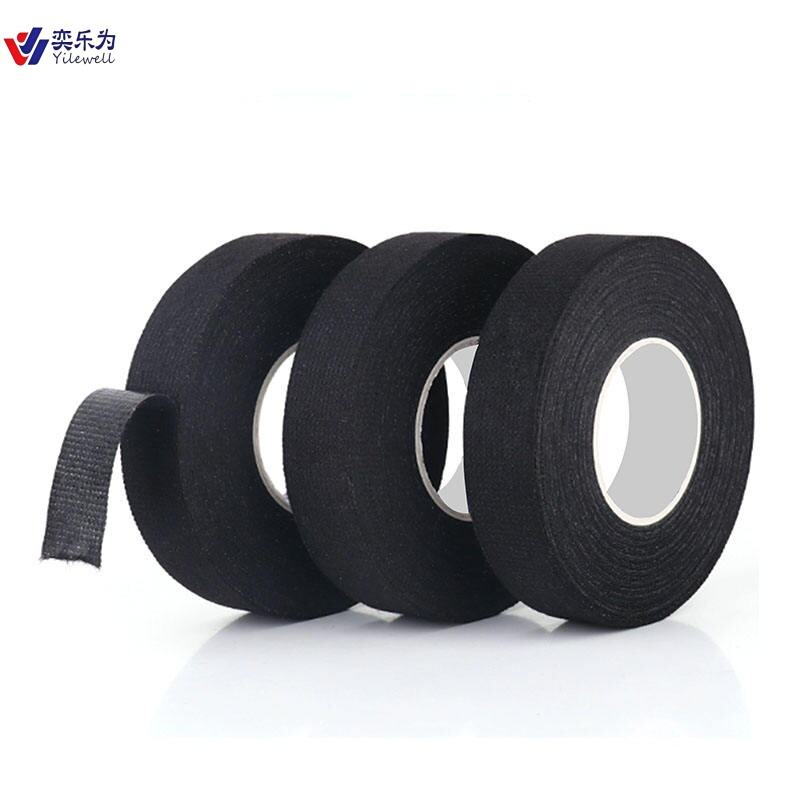
insulation cotton tape
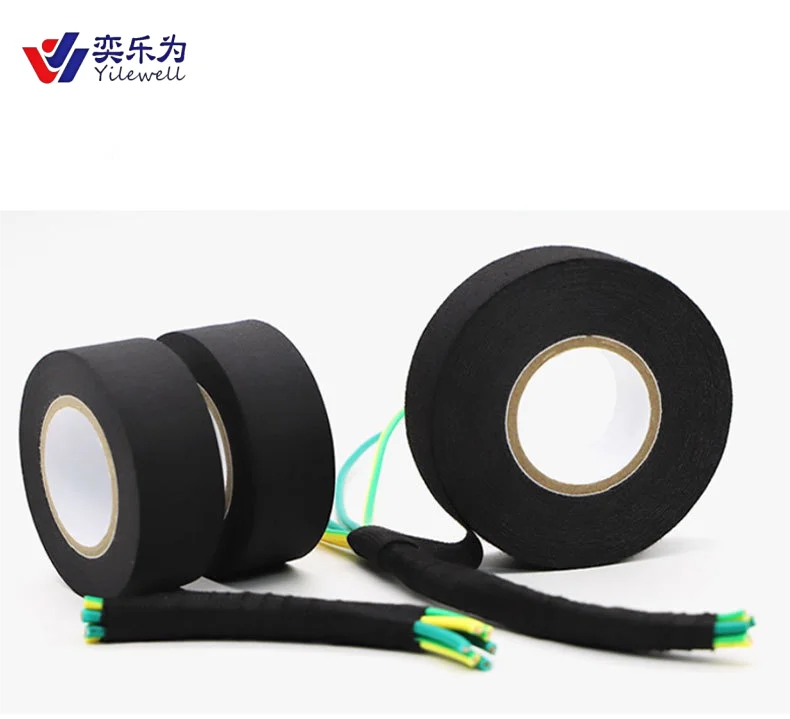
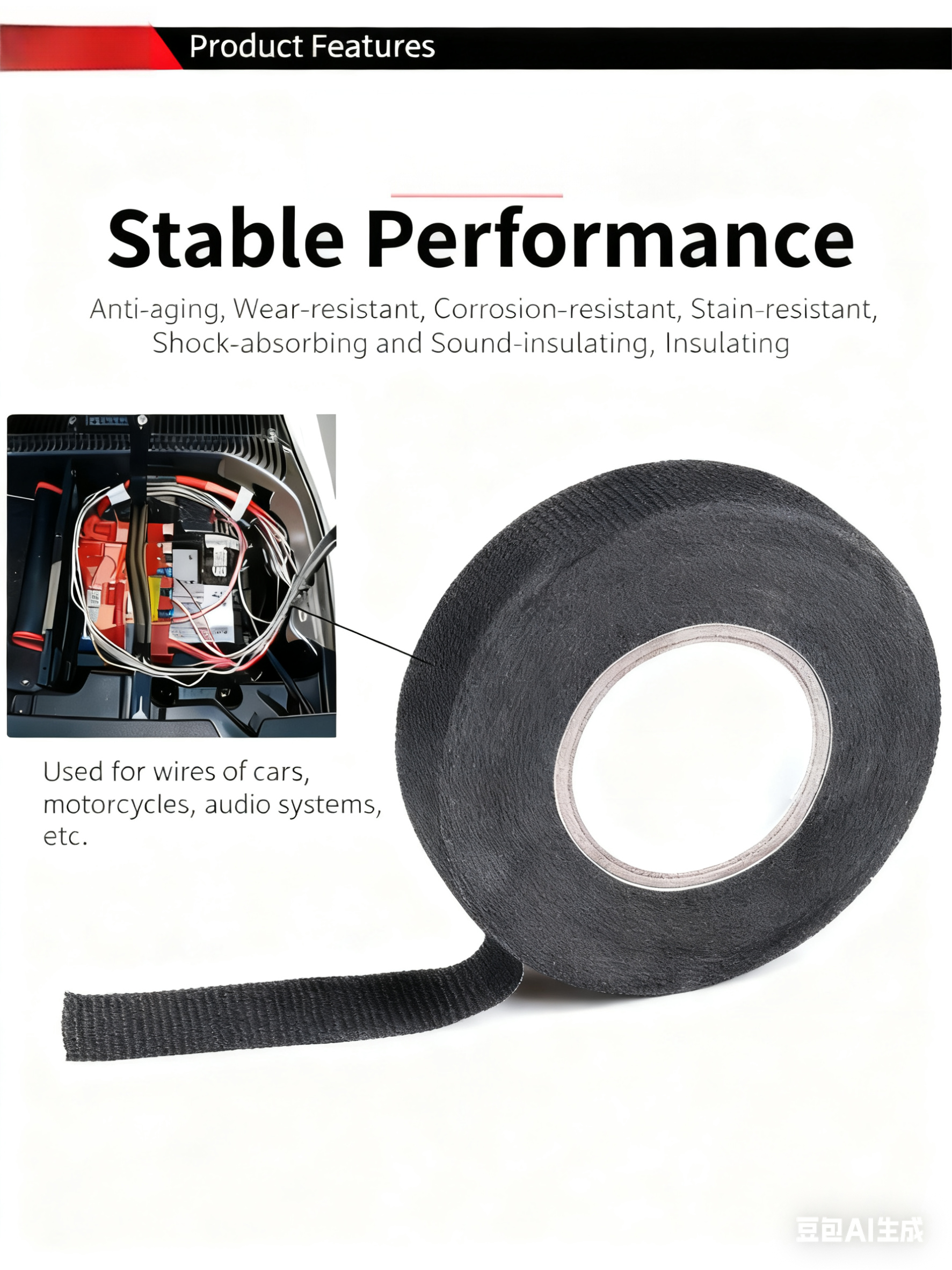
Insulation cotton tape represents a versatile and essential component in electrical and thermal protection applications across numerous industries. This specialized adhesive material combines high-quality cotton fabric with advanced insulation properties to deliver superior performance in demanding environments. The primary function of insulation cotton tape centers on providing electrical isolation, thermal protection, and mechanical reinforcement where traditional materials may fail. Its cotton-based construction offers exceptional flexibility and conformability, allowing it to wrap around irregular shapes and complex geometries with ease. The technological features of insulation cotton tape include excellent dielectric strength, typically ranging from 600 to 2000 volts per mil thickness, making it suitable for various electrical applications. The cotton substrate provides natural breathability while maintaining strong adhesive bonds even under temperature fluctuations. Manufacturing processes involve treating premium cotton fibers with specialized compounds that enhance their insulation properties without compromising flexibility. The tape exhibits remarkable resistance to moisture, chemicals, and UV radiation, ensuring long-term reliability in harsh conditions. Applications span across automotive wiring harnesses, electrical panel installations, motor rewinding operations, and general electrical maintenance tasks. In industrial settings, insulation cotton tape serves as primary protection for cable splices, transformer windings, and switchgear components. The construction industry utilizes this material for HVAC system insulation, pipe wrapping, and electrical conduit protection. Its conformable nature makes it ideal for irregular surfaces where rigid insulation materials cannot provide adequate coverage. The tape's cotton composition allows for easy removal and replacement during maintenance procedures, reducing downtime and operational costs. Quality grades vary to meet specific application requirements, with heavy-duty versions designed for extreme environments and standard grades for general-purpose use.



 EN
EN