 EN
EN


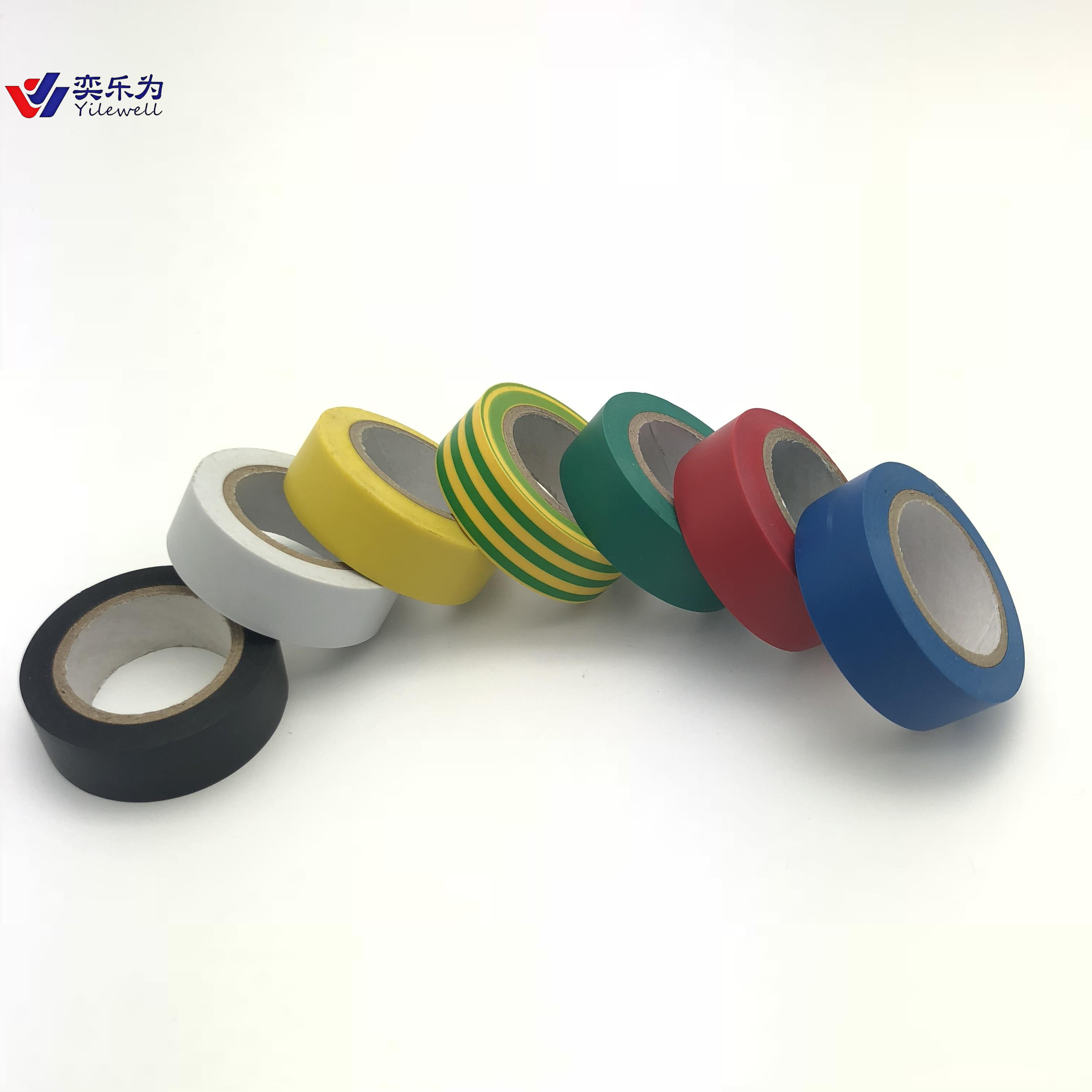
Modern automotive systems rely heavily on electrical components that must operate reliably under extreme conditions. From engine bay temperatures exceeding 150°C to exposure to road salt, moisture, and vibrations, vehicle wiring harnesses face constant environmental challenges. Auto waterproof tapes have emerged as a critical solution for protecting these vulnerable electrical connections, ensuring optimal vehicle performance and extending operational lifespan. These specialized adhesive products provide superior sealing capabilities that prevent moisture ingress, corrosion, and electrical failures that could compromise vehicle safety and reliability.
Understanding Auto Waterproof Tape Technology
Material Composition and Properties
Auto waterproof tapes utilize advanced polymer compositions designed specifically for automotive applications. The primary materials include polyvinyl chloride (PVC), polyethylene, and specialized rubber compounds that maintain flexibility across temperature extremes. These materials are engineered with molecular structures that resist UV degradation, ozone exposure, and chemical contamination from automotive fluids. The adhesive systems employed in quality auto waterproof tapes feature pressure-sensitive formulations that create permanent bonds while maintaining removability for maintenance purposes.
The manufacturing process involves multiple coating layers that enhance barrier properties against moisture, dust, and contaminants. Advanced auto waterproof tapes incorporate flame-retardant additives that meet stringent automotive safety standards, ensuring they will not propagate fire in electrical fault conditions. The backing materials are typically engineered with specific thickness tolerances to provide optimal conformability around irregular wire bundle shapes while maintaining structural integrity under mechanical stress.
Waterproofing Mechanisms
The waterproofing effectiveness of auto waterproof tapes depends on multiple barrier mechanisms working in combination. The primary seal is created through molecular adhesion between the tape backing and substrate surfaces, forming a continuous membrane that blocks moisture pathways. Quality tapes feature low water vapor transmission rates, typically below 0.1 grams per square meter per day, ensuring long-term protection even in high-humidity environments.
Secondary sealing occurs through the conformability of the tape material, which allows it to wrap tightly around irregular surfaces and create overlapping layers. This multi-layer approach creates redundant barriers that maintain protection even if the outer layer experiences minor damage. The adhesive chemistry in premium auto waterproof tapes includes tackifying resins that enhance initial adhesion and cross-linking agents that improve long-term bond strength under thermal cycling conditions.
Applications in Automotive Electrical Systems
Engine Bay Protection
Engine compartments present some of the most challenging environments for electrical components, with temperatures ranging from sub-zero startup conditions to operating temperatures exceeding 120°C. Auto waterproof tapes provide essential protection for ignition system wiring, fuel injection harnesses, and sensor connections that must maintain precise electrical characteristics. The tapes create sealed enclosures around splice connections and terminal blocks, preventing moisture from causing resistance changes or corrosion buildup.
Critical applications include protecting oxygen sensor wiring, which operates in exhaust stream environments with extreme temperature fluctuations and corrosive gas exposure. Auto waterproof tapes designed for these applications incorporate enhanced chemical resistance properties and maintain adhesion strength even when exposed to exhaust condensate and combustion byproducts. Proper application techniques ensure that these protective barriers remain effective throughout the vehicle's operational lifetime, preventing costly sensor failures and emission control malfunctions.
Underhood and Chassis Applications
Automotive wiring that routes through the chassis and underhood areas faces constant exposure to road spray, salt corrosion, and mechanical abrasion. Auto waterproof tapes serve as the primary defense against these environmental factors, particularly in applications where traditional protective conduits cannot provide adequate coverage. The tapes are commonly applied to protect ABS sensor wiring, transmission control modules, and fuel system components that must maintain reliable operation regardless of road conditions.
The flexibility of auto waterproof tapes allows them to conform to complex routing paths while maintaining continuous protection. This is particularly important for wiring that passes through frame rails, suspension components, and other areas where rigid protection methods would be impractical. The tapes provide both environmental sealing and mechanical protection, reducing the risk of wire chafing and insulation damage that could lead to electrical shorts or system failures.
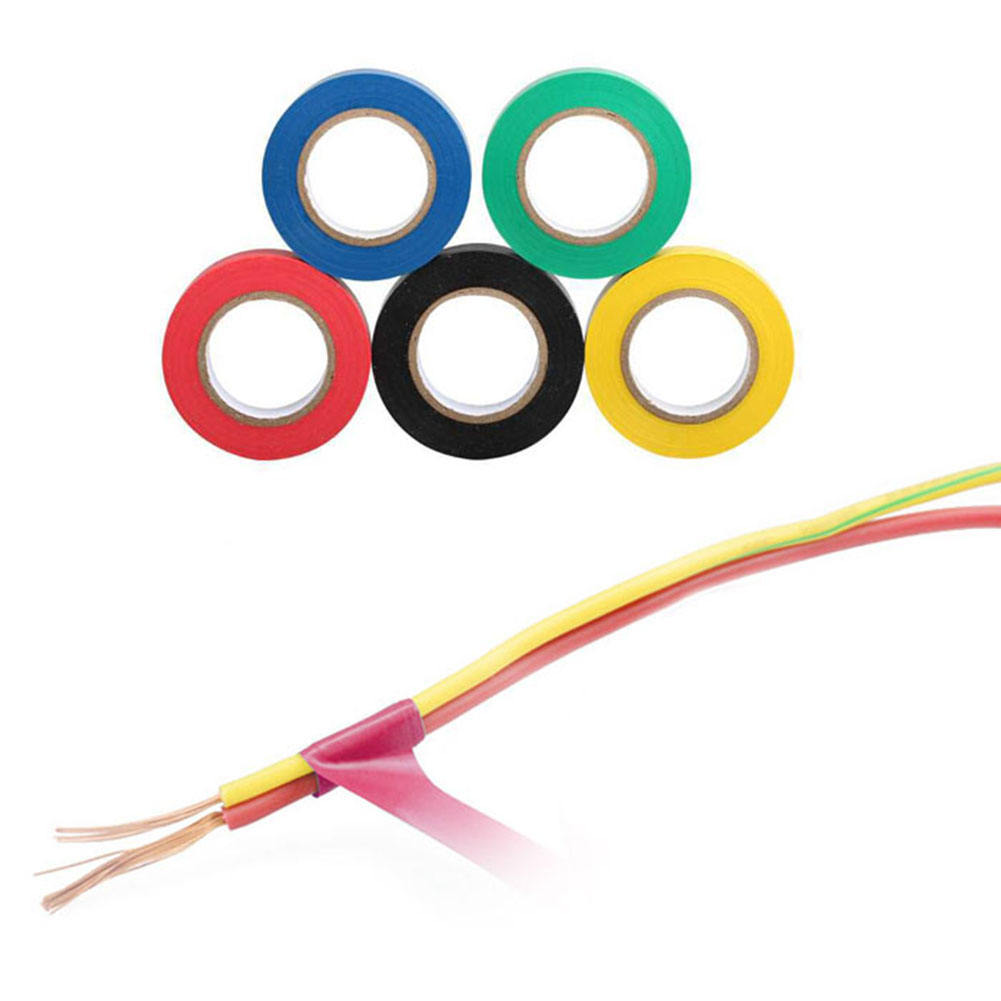
Performance Benefits for Vehicle Longevity
Corrosion Prevention
One of the primary ways auto waterproof tapes enhance vehicle longevity is through comprehensive corrosion prevention. Electrical corrosion represents a significant cause of premature vehicle component failure, particularly in regions with harsh winter conditions where road salt application is common. The tapes create impermeable barriers that prevent chloride ions from reaching metal conductors and terminal connections, effectively eliminating the electrochemical conditions necessary for corrosion to occur.
Long-term studies have demonstrated that properly applied auto waterproof tapes can extend the service life of electrical connections by decades compared to unprotected installations. This protection is particularly valuable for vehicles operating in marine environments or industrial settings where aggressive chemical exposure is common. The economic benefits include reduced warranty claims, decreased maintenance requirements, and improved vehicle resale values due to better preservation of electrical system integrity.
Thermal Protection and Insulation
Beyond moisture protection, auto waterproof tapes provide significant thermal insulation benefits that contribute to overall system reliability. The polymer backing materials have inherently low thermal conductivity, helping to moderate temperature extremes that can accelerate component aging. This thermal barrier effect is particularly beneficial for protecting sensitive electronic modules located near heat sources such as exhaust manifolds or turbocharger assemblies.
The insulation properties of auto waterproof tapes also help maintain stable operating temperatures for electrical connections, reducing thermal cycling stress that can cause solder joint fatigue and connector degradation. This thermal stability is crucial for maintaining the precise electrical characteristics required by modern engine management systems, where even minor resistance changes can affect performance and emissions compliance. Quality tapes maintain their insulation properties across the full automotive temperature range, typically from -40°C to +150°C.
Installation Best Practices and Techniques
Surface Preparation Requirements
Successful application of auto waterproof tapes begins with proper surface preparation, which is critical for achieving maximum adhesion strength and sealing effectiveness. All surfaces must be thoroughly cleaned to remove contaminants such as oils, dirt, oxidation, and previous adhesive residues that could compromise bond formation. Specialized cleaning solvents designed for automotive electrical applications should be used, followed by complete drying before tape application.
Surface texture also plays a crucial role in tape performance, as smooth surfaces may require mechanical abrasion or chemical etching to provide adequate mechanical bonding sites. Auto waterproof tapes perform best on surfaces with slight texture that allows the adhesive to flow into microscopic irregularities and create mechanical interlocking. Temperature considerations during installation are equally important, as most tapes require substrate temperatures above 10°C for optimal adhesion development.
Application Methods and Overlap Requirements
Professional installation of auto waterproof tapes requires specific techniques to ensure complete environmental sealing and long-term reliability. The wrapping method should create overlapping spirals with minimum 50% overlap between adjacent turns, ensuring that no substrate surface remains exposed. Tension control during application is critical, as insufficient tension results in loose wraps that can allow moisture penetration, while excessive tension can cause tape stretching that compromises the backing material integrity.
End termination techniques are particularly important for maintaining seal integrity over time. Auto waterproof tapes should extend beyond the protected area and be secured to stable substrates using appropriate termination methods. Heat application during installation can improve initial adhesion and accelerate the curing process, but temperatures must be controlled to prevent adhesive degradation. Quality installations include documentation of application parameters to ensure consistency and enable future maintenance planning.
Quality Standards and Performance Testing
Industry Certification Requirements
Auto waterproof tapes used in automotive applications must meet stringent industry standards that verify their performance under real-world operating conditions. The most recognized standards include SAE J1127 for automotive electrical tape performance, which specifies requirements for adhesion strength, temperature resistance, and environmental durability. These standards ensure that auto waterproof tapes can withstand the mechanical stresses, thermal cycling, and chemical exposure typical in automotive environments.
Additional certification requirements may include UL recognition for electrical safety, particularly for high-voltage applications in hybrid and electric vehicles. Auto waterproof tapes used in these applications must demonstrate superior dielectric strength and flame resistance properties to ensure safe operation under fault conditions. Manufacturers typically conduct extensive accelerated aging tests that simulate years of environmental exposure in condensed time periods, validating the long-term reliability of their products.
Performance Validation Methods
Comprehensive testing protocols for auto waterproof tapes include multiple evaluation methods that assess different aspects of performance. Water immersion testing determines the effectiveness of moisture barrier properties, typically involving 24-hour submersion followed by electrical resistance measurements to detect any moisture penetration. Salt spray testing simulates corrosive road salt exposure over extended periods, evaluating both the tape integrity and the protection provided to underlying substrates.
Thermal cycling tests subject auto waterproof tapes to repeated temperature extremes that simulate daily heating and cooling cycles over vehicle lifetimes. These tests identify potential failure modes such as adhesive degradation, backing material cracking, or loss of conformability that could compromise sealing effectiveness. UV exposure testing evaluates the photostability of tape materials, ensuring they maintain performance characteristics even when exposed to direct sunlight in under-hood applications.
Economic Impact and Cost-Benefit Analysis
Maintenance Cost Reduction
The implementation of high-quality auto waterproof tapes provides substantial economic benefits through reduced maintenance requirements and extended component service life. Studies conducted by automotive manufacturers have demonstrated that proper electrical protection can reduce warranty claims related to electrical failures by up to 75%, representing significant cost savings in both parts and labor expenses. These savings are particularly pronounced in commercial vehicle applications where downtime costs can exceed repair expenses.
Preventive application of auto waterproof tapes during initial vehicle assembly or routine maintenance intervals proves far more cost-effective than reactive repairs following electrical system failures. The labor costs associated with replacing corroded wiring harnesses or failed control modules often exceed the component costs by several multiples, making upfront protection investments highly attractive from a total cost of ownership perspective. Fleet operators report maintenance cost reductions of 30-50% when comprehensive electrical protection strategies are implemented using quality tape products.
Performance Enhancement Value
Beyond cost savings, auto waterproof tapes contribute to enhanced vehicle performance through improved electrical system reliability and consistency. Stable electrical connections ensure that engine management systems can maintain optimal fuel delivery, ignition timing, and emission control strategies throughout the vehicle's operational life. This consistency translates to better fuel economy, reduced emissions, and improved driveability characteristics that enhance overall vehicle value.
The performance benefits are particularly significant in high-performance and commercial applications where electrical system reliability directly impacts operational capabilities. Auto waterproof tapes help maintain the precision required for advanced driver assistance systems, hybrid powertrains, and other sophisticated technologies that depend on reliable electrical connections. These performance enhancements contribute to higher vehicle resale values and improved customer satisfaction ratings, providing additional economic justification for quality electrical protection strategies.
FAQ
What temperature range can auto waterproof tapes withstand in automotive applications
Quality auto waterproof tapes designed for automotive use typically operate effectively across a temperature range from -40°C to +150°C, covering the full spectrum of environmental conditions encountered in vehicle applications. Some specialized high-temperature variants can withstand continuous exposure up to 200°C for applications near exhaust systems or turbocharger assemblies. The key is selecting tapes with appropriate temperature ratings for the specific installation environment to ensure long-term reliability.
How long do auto waterproof tapes maintain their sealing effectiveness
When properly applied using quality products, auto waterproof tapes can maintain effective sealing for 15-20 years or more under normal automotive operating conditions. The actual service life depends on factors such as environmental exposure, installation quality, and the specific tape formulation used. Regular inspection during routine maintenance intervals can identify any areas requiring attention before seal integrity is compromised, ensuring continuous protection throughout the vehicle's operational life.
Can auto waterproof tapes be applied over existing electrical connections
Auto waterproof tapes can be successfully applied over most existing electrical connections, provided proper surface preparation is performed to ensure adequate adhesion. Existing connections should be inspected for corrosion or damage before protection application, and any compromised areas should be repaired first. The flexibility of these tapes allows them to conform to irregular shapes and existing protection methods, making them suitable for both new installations and retrofitting existing wiring systems.
What is the difference between standard electrical tape and auto waterproof tapes
Auto waterproof tapes are specifically engineered for automotive environments with enhanced moisture barrier properties, superior temperature resistance, and improved chemical compatibility compared to standard electrical tapes. While standard electrical tape provides basic insulation and bundling capabilities, auto waterproof tapes offer comprehensive environmental protection including resistance to road salt, automotive fluids, and UV exposure. The adhesive systems in automotive-grade tapes are formulated to maintain long-term bonding under the thermal cycling and vibration conditions typical in vehicle applications.
Table of Contents
- Understanding Auto Waterproof Tape Technology
- Applications in Automotive Electrical Systems
- Performance Benefits for Vehicle Longevity
- Installation Best Practices and Techniques
- Quality Standards and Performance Testing
- Economic Impact and Cost-Benefit Analysis
-
FAQ
- What temperature range can auto waterproof tapes withstand in automotive applications
- How long do auto waterproof tapes maintain their sealing effectiveness
- Can auto waterproof tapes be applied over existing electrical connections
- What is the difference between standard electrical tape and auto waterproof tapes