 EN
EN


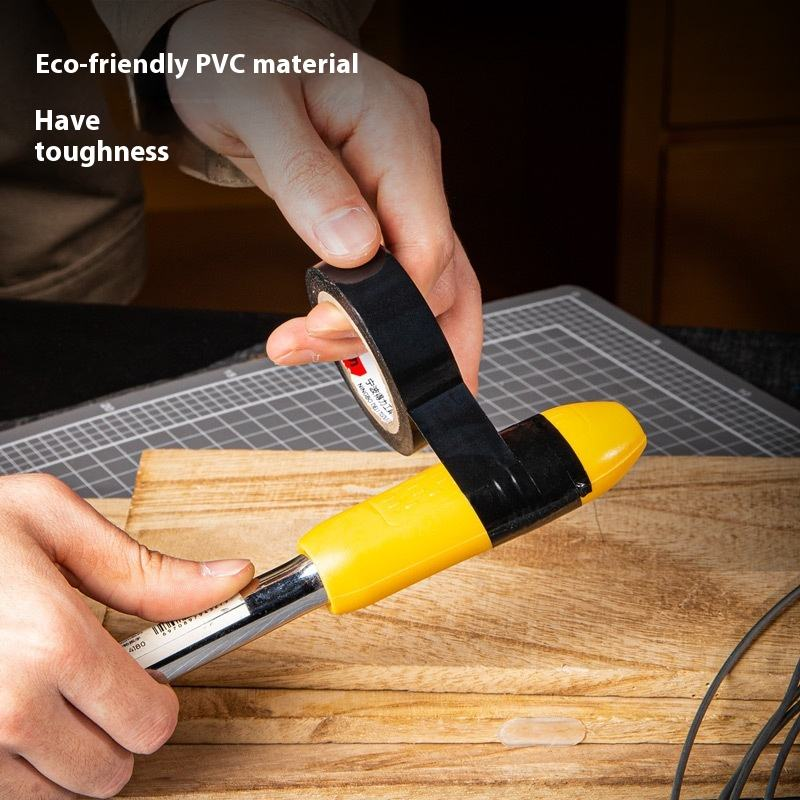
The automotive industry demands exceptional reliability and durability from every component, and auto waterproof tape plays a crucial role in ensuring vehicle performance and longevity. For original equipment manufacturers and distributors, understanding the critical importance of high-quality sealing solutions can mean the difference between satisfied customers and costly recalls. Auto waterproof tape serves as the first line of defense against moisture intrusion, electrical failures, and environmental damage that can compromise vehicle safety and functionality.
Modern vehicles contain increasingly sophisticated electrical systems that require comprehensive protection from harsh operating conditions. From engine compartments reaching extreme temperatures to exterior applications exposed to road salt and chemicals, auto waterproof tape must deliver consistent performance across diverse environments. The selection of appropriate sealing materials directly impacts warranty claims, customer satisfaction, and brand reputation in today's competitive automotive market.
Understanding Auto Waterproof Tape Technology
Material Composition and Properties
High-performance auto waterproof tape typically incorporates advanced polymer compounds designed to withstand automotive operating conditions. These materials must exhibit excellent adhesion properties while maintaining flexibility across temperature extremes ranging from -40°F to 200°F or higher. The backing material often consists of specialized fabrics or films that provide mechanical strength and conformability to irregular surfaces commonly found in vehicle assemblies.
The adhesive chemistry plays an equally important role in determining long-term performance characteristics. Acrylic-based adhesives offer superior aging resistance and maintain bond strength over extended periods, while rubber-based formulations provide immediate high tack for challenging applications. Premium auto waterproof tape formulations incorporate UV stabilizers and antioxidants to prevent degradation from sunlight exposure and chemical contamination.
Performance Standards and Testing Requirements
Automotive applications demand rigorous testing protocols to validate performance under real-world conditions. Industry standards such as ASTM D1000 and ISO 11339 establish baseline requirements for adhesion strength, temperature resistance, and environmental durability. These specifications ensure that auto waterproof tape maintains sealing integrity throughout the vehicle's expected service life, typically 10-15 years for most applications.
Accelerated aging tests simulate years of exposure in controlled laboratory conditions, allowing manufacturers to predict long-term performance characteristics. Salt spray testing evaluates corrosion resistance, while thermal cycling assessments verify that tape properties remain stable through repeated temperature fluctuations. Mechanical testing measures tensile strength, elongation, and conformability to ensure proper installation and service performance.
Critical Applications in Automotive Manufacturing
Wiring Harness Protection
Electrical wiring harnesses represent one of the most demanding applications for auto waterproof tape in modern vehicles. These complex assemblies contain hundreds of individual conductors that must remain protected from moisture, abrasion, and chemical exposure throughout their service life. Proper tape selection and application techniques directly impact electrical system reliability and prevent costly failure modes such as short circuits and corrosion-induced open circuits.
Engine bay applications present particularly challenging conditions with exposure to high temperatures, vibration, and aggressive chemicals including fuel vapors and cleaning solvents. Auto waterproof tape used in these locations must maintain adhesion and sealing properties while resisting degradation from hydrocarbon exposure. The tape must also provide adequate electrical insulation properties to prevent unwanted current paths between adjacent conductors.
Body Panel and Structural Sealing
Automotive body construction relies heavily on auto waterproof tape for sealing joints, seams, and penetrations that could allow water intrusion into passenger compartments. These applications require excellent conformability to follow complex curved surfaces while maintaining consistent seal thickness and compression. The tape must bond effectively to various substrates including painted steel, aluminum, and composite materials commonly used in modern vehicle construction.
Long-term durability becomes critical in structural sealing applications where tape failure could result in water damage to interior components or corrosion of hidden structural elements. Premium auto waterproof tape formulations incorporate closed-cell foam backings that provide consistent compression recovery and maintain sealing force over extended periods. These materials must also resist compression set and maintain their sealing properties despite repeated thermal expansion cycles.
Quality Considerations for OEMs and Distributors
Supply Chain Risk Management
Original equipment manufacturers face significant risks when sourcing auto waterproof tape from suppliers who cannot demonstrate consistent quality control procedures. Material variations can lead to assembly line disruptions, rework costs, and potential field failures that damage brand reputation. Establishing comprehensive supplier qualification programs ensures that tape products meet specified performance requirements before integration into production vehicles.
Documentation and traceability become essential elements of risk mitigation strategies for automotive applications. Suppliers must maintain detailed records of raw material lots, manufacturing conditions, and quality test results to enable rapid response to any performance issues discovered during vehicle production or service. Auto waterproof tape suppliers should implement statistical process control methods to monitor key performance parameters and prevent drift from specification limits.
Cost-Performance Optimization
Distributors must balance cost considerations with performance requirements when selecting auto waterproof tape products for their customer base. While premium materials command higher initial costs, their superior durability and reliability often result in lower total cost of ownership through reduced warranty claims and customer satisfaction improvements. Understanding the specific application requirements enables distributors to recommend appropriate tape grades that optimize value for their customers.
Market dynamics in the automotive industry create pressure for continuous cost reduction while maintaining or improving quality standards. Successful distributors work closely with tape manufacturers to identify opportunities for material optimization and processing improvements that reduce costs without compromising performance. Auto waterproof tape suppliers who invest in research and development can often provide superior products at competitive prices through technological advances.
Installation Best Practices and Technical Support
Surface Preparation Requirements
Proper surface preparation forms the foundation for reliable auto waterproof tape performance in automotive applications. Substrates must be clean, dry, and free from contaminants such as release agents, oils, and loose particles that could interfere with adhesive bonding. Surface energy levels should be verified to ensure compatibility with the selected tape adhesive system, particularly when bonding to low-energy materials like certain plastics.
Temperature conditions during installation significantly impact final bond strength and sealing effectiveness. Auto waterproof tape should be applied at temperatures above the minimum recommended by the manufacturer to ensure proper adhesive flow and substrate wetting. Cold weather applications may require preheating of surfaces or use of specialized cold-temperature adhesive formulations designed to maintain performance at reduced temperatures.
Application Techniques and Quality Control
Consistent application techniques ensure uniform auto waterproof tape performance across production volumes. Proper tension control prevents overstretching that could reduce tape thickness or create stress concentration points prone to premature failure. Installation tools should be selected to provide consistent pressure and minimize air entrapment that could compromise seal integrity.
Quality control procedures during tape application help identify potential issues before they impact vehicle performance. Visual inspection can detect obvious defects such as wrinkles, air bubbles, or inadequate coverage, while pull tests verify acceptable adhesion levels. Auto waterproof tape installations should be documented with photographs or inspection records to support warranty claims and continuous improvement efforts.
Future Trends and Technology Developments
Advanced Material Technologies
Emerging material technologies promise to enhance auto waterproof tape performance while reducing environmental impact. Bio-based adhesive systems derived from renewable resources offer similar performance to petroleum-based alternatives with improved sustainability profiles. These developments align with automotive industry goals for reduced environmental impact throughout vehicle lifecycles.
Nanotechnology applications in auto waterproof tape formulations enable enhanced barrier properties and improved durability characteristics. Nanoparticle additives can provide superior UV resistance, thermal stability, and mechanical strength while maintaining the flexibility required for automotive applications. These advanced materials often demonstrate improved performance in accelerated testing protocols, suggesting extended service life in real-world applications.
Smart Manufacturing and Quality Assurance
Digital manufacturing technologies enable enhanced quality control and traceability for auto waterproof tape production. Real-time monitoring systems can detect variations in tape properties during manufacturing and automatically adjust process parameters to maintain specification compliance. These capabilities reduce waste and ensure consistent product quality for demanding automotive applications.
Predictive analytics applications help manufacturers optimize auto waterproof tape formulations for specific automotive applications. Machine learning algorithms can analyze historical performance data to identify material combinations that provide superior durability or processing characteristics. These insights enable continuous improvement in tape technology and help manufacturers stay ahead of evolving automotive requirements.
FAQ
What factors determine the lifespan of auto waterproof tape in automotive applications
The lifespan of auto waterproof tape depends on several critical factors including material quality, application environment, and installation practices. High-quality tapes with advanced adhesive systems and UV-stabilized backings typically provide 10-15 years of reliable service in automotive applications. Environmental factors such as temperature extremes, chemical exposure, and mechanical stress can significantly impact durability, making proper material selection essential for specific applications.
How do temperature variations affect auto waterproof tape performance
Temperature variations create significant challenges for auto waterproof tape performance through thermal expansion effects and material property changes. Quality tapes are formulated to maintain flexibility and adhesion across automotive temperature ranges from -40°F to 200°F or higher. Thermal cycling can cause stress at bond interfaces, making it essential to select materials with appropriate flexibility and recovery properties for the intended application environment.
What quality certifications should OEMs require from auto waterproof tape suppliers
OEMs should require suppliers to demonstrate compliance with relevant automotive industry standards such as ASTM D1000 for pressure-sensitive tape performance and ISO/TS 16949 for automotive quality management systems. Additional certifications may include UL recognition for electrical applications and specific OEM requirements for material approval. Suppliers should maintain comprehensive documentation of material properties, manufacturing processes, and quality control procedures to support these certifications.
How can distributors verify the authenticity and quality of auto waterproof tape products
Distributors can verify authenticity through direct relationships with established manufacturers and careful evaluation of product documentation including technical data sheets and certification records. Quality verification may include incoming inspection procedures, sample testing for key properties, and monitoring of customer feedback regarding product performance. Working with suppliers who provide comprehensive technical support and traceability documentation helps ensure product authenticity and quality consistency.
Table of Contents
- Understanding Auto Waterproof Tape Technology
- Critical Applications in Automotive Manufacturing
- Quality Considerations for OEMs and Distributors
- Installation Best Practices and Technical Support
- Future Trends and Technology Developments
-
FAQ
- What factors determine the lifespan of auto waterproof tape in automotive applications
- How do temperature variations affect auto waterproof tape performance
- What quality certifications should OEMs require from auto waterproof tape suppliers
- How can distributors verify the authenticity and quality of auto waterproof tape products