 EN
EN


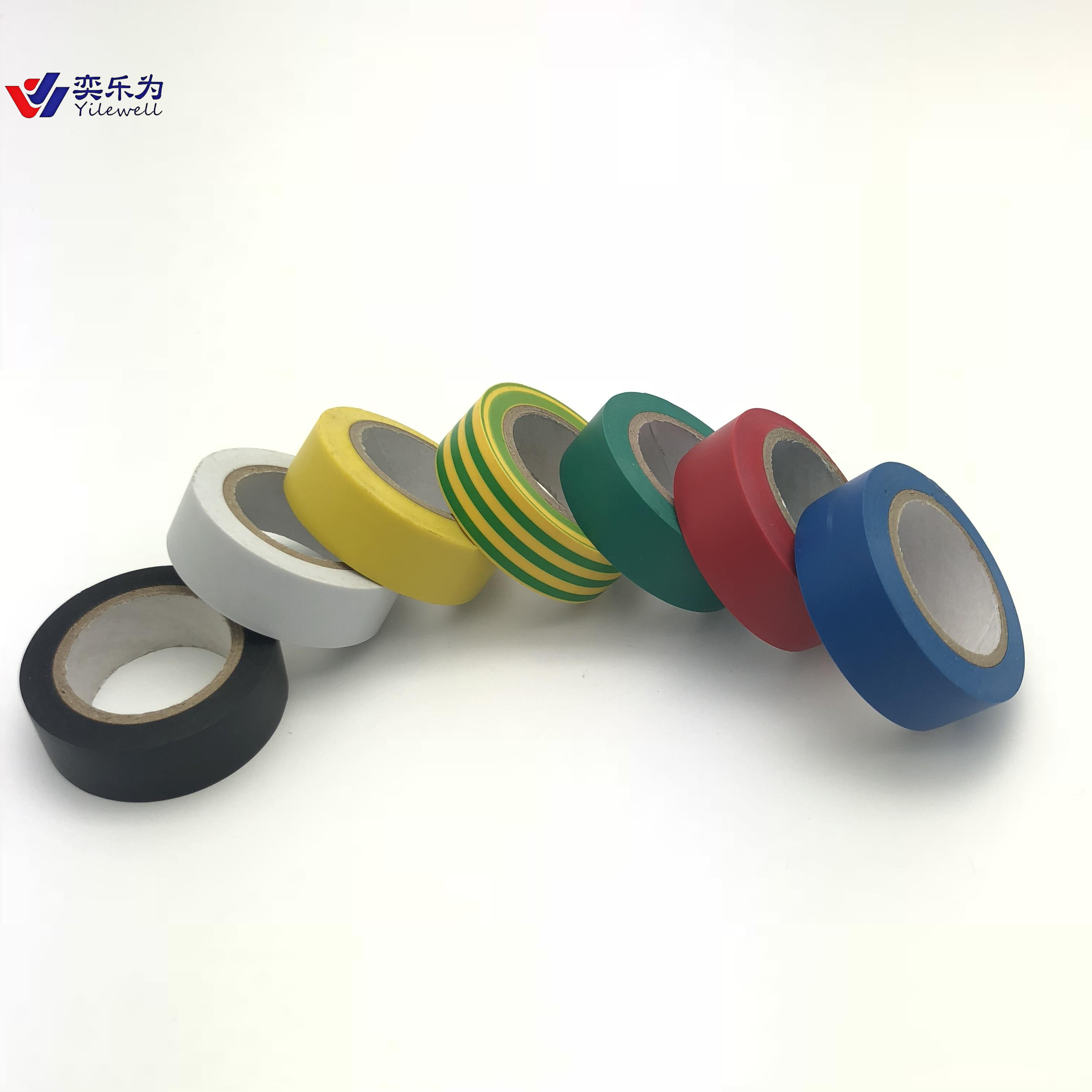
The automotive industry demands exceptional reliability and durability from every component, particularly when it comes to sealing and protection solutions. Auto waterproof tape has emerged as a critical material for automotive suppliers who need to ensure their products can withstand harsh environmental conditions while maintaining optimal performance. This specialized adhesive solution provides superior moisture protection, temperature resistance, and long-term durability that makes it indispensable for modern automotive applications.
B2B automotive suppliers increasingly recognize that choosing the right sealing materials directly impacts their reputation and customer satisfaction. Auto waterproof tape offers unique advantages that traditional sealing methods cannot match, including ease of application, consistent performance across temperature ranges, and cost-effective implementation. The growing complexity of automotive electrical systems and the push toward electric vehicles has further amplified the importance of reliable waterproofing solutions in automotive manufacturing and repair processes.
Essential Properties That Define Premium Auto Waterproof Tape
Superior Adhesive Performance Under Extreme Conditions
Premium auto waterproof tape exhibits exceptional bonding strength that remains stable across a wide temperature range, typically from -40°F to 180°F or higher. This temperature stability ensures that the adhesive maintains its grip on various automotive substrates, including metal, plastic, rubber, and composite materials. The adhesive formulation must resist degradation from engine heat, road chemicals, and UV exposure while providing immediate and long-term bonding performance that automotive suppliers can depend on.
The molecular structure of high-quality auto waterproof tape adhesives incorporates cross-linking agents that create a three-dimensional network, providing superior shear strength and resistance to creep. This advanced chemistry prevents the tape from sliding or repositioning under mechanical stress, vibration, or thermal cycling conditions commonly encountered in automotive environments. Suppliers who specify premium auto waterproof tape can confidently guarantee their installations will maintain integrity throughout the vehicle's operational lifetime.
Advanced Backing Materials for Automotive Applications
The backing material of auto waterproof tape plays a crucial role in determining its overall performance and suitability for specific automotive applications. Modern automotive-grade tapes utilize backing materials such as modified acrylic films, butyl rubber compounds, or specialized polymer blends that offer excellent conformability while maintaining structural integrity. These materials must resist tearing, puncturing, and degradation when exposed to automotive fluids including gasoline, diesel, brake fluid, and various cleaning solvents.
Conformability represents another critical characteristic that distinguishes professional-grade auto waterproof tape from standard sealing products. The backing material must stretch and conform to irregular surfaces, gaps, and joints without losing its sealing properties or creating stress concentration points. This flexibility allows automotive suppliers to achieve consistent sealing results across diverse component geometries and assembly tolerances, reducing installation time and improving overall quality control.
Key Applications Driving B2B Demand for Auto Waterproof Tape
Electrical System Protection and Insulation
Modern vehicles contain increasingly sophisticated electrical systems that require robust protection from moisture, dirt, and chemical contamination. Auto waterproof tape serves as a primary barrier for wire harness splices, connector assemblies, and electronic control module housings. The tape's dielectric properties must meet strict automotive standards to prevent electrical failures while providing reliable moisture exclusion that protects sensitive electronic components from corrosion and short circuits.
Electric and hybrid vehicles present unique challenges for waterproofing solutions due to higher voltage requirements and more complex cooling systems. Auto waterproof tape used in these applications must demonstrate superior electrical insulation properties while maintaining long-term stability under elevated temperatures and mechanical stress. Suppliers specializing in electric vehicle components particularly value tape solutions that combine waterproofing with high dielectric strength and thermal management capabilities.
Body Panel and Structural Sealing Solutions
Automotive body construction relies heavily on effective sealing between panels, joints, and structural components to prevent water infiltration and maintain structural integrity. Auto waterproof tape provides an efficient alternative to traditional liquid sealants in many applications, offering easier application, immediate handling strength, and consistent thickness control. This is particularly valuable in high-volume manufacturing environments where process repeatability and quality consistency are paramount concerns for automotive suppliers.
The automotive industry's trend toward lightweight construction using mixed materials creates new challenges for sealing solutions. Auto waterproof tape must bond effectively to aluminum, advanced high-strength steels, carbon fiber composites, and various plastic substrates while accommodating differential thermal expansion rates. Suppliers who understand these material compatibility requirements can specify appropriate tape formulations that ensure long-term sealing performance across diverse automotive architectures.
Quality Standards and Certification Requirements
Industry-Specific Testing Protocols
Automotive applications demand rigorous testing and certification to ensure auto waterproof tape meets industry performance standards. Key testing protocols include ASTM D1000 for pressure-sensitive adhesive tapes, SAE J1678 for sealant specifications, and various OEM-specific requirements that address temperature cycling, chemical resistance, and long-term durability. Suppliers must verify that their chosen auto waterproof tape has undergone appropriate testing and maintains current certifications for their specific applications.
Environmental testing represents a critical component of automotive tape qualification, including salt spray resistance, UV exposure studies, and accelerated aging protocols that simulate years of service conditions. Auto waterproof tape must demonstrate consistent performance after exposure to temperature extremes, humidity cycling, and chemical contamination that vehicles encounter throughout their operational lifetime. These comprehensive testing requirements help automotive suppliers select materials that will maintain their warranty commitments and brand reputation.
Traceability and Documentation Standards
B2B automotive suppliers operate under strict quality management systems that require complete material traceability and documentation. Auto waterproof tape manufacturers must provide detailed technical data sheets, test reports, and batch-specific information that supports automotive quality systems and potential recall investigations. This documentation includes raw material sources, manufacturing process parameters, and quality control test results that demonstrate compliance with specified performance requirements.
Supply chain reliability becomes increasingly important as automotive production schedules demand just-in-time delivery and consistent material availability. Suppliers evaluate auto waterproof tape manufacturers based on their ability to maintain quality standards while meeting delivery commitments and providing technical support throughout the product lifecycle. Long-term partnerships with reliable tape suppliers help automotive companies manage risk and maintain consistent product quality across multiple manufacturing facilities.
Cost-Effectiveness and Operational Benefits
Labor Efficiency and Installation Advantages
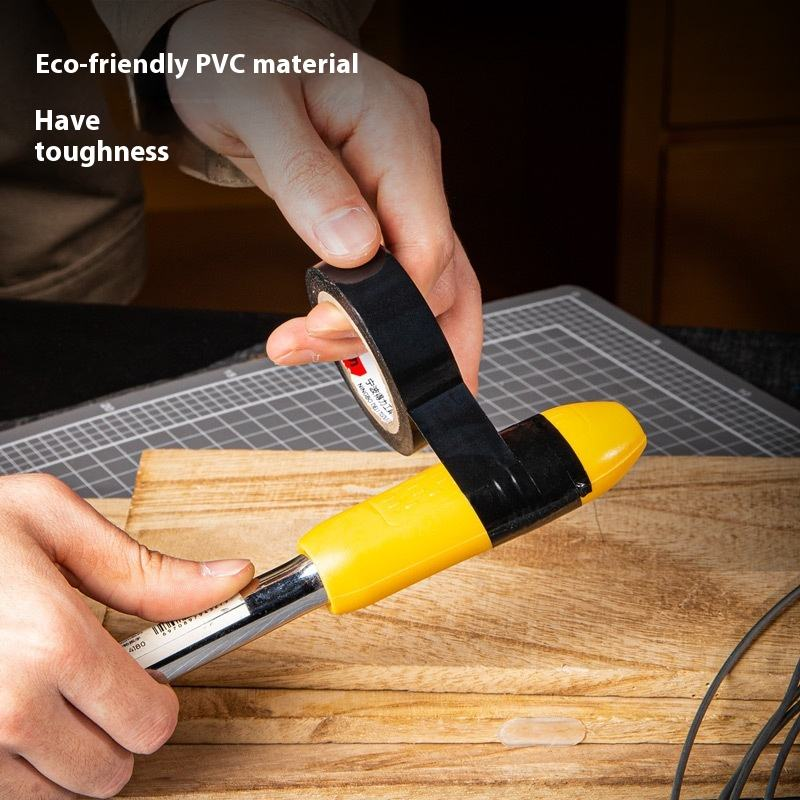
Auto waterproof tape offers significant labor efficiency advantages compared to liquid sealants, mechanical fasteners, or welded sealing solutions. The tape can be quickly applied without specialized equipment, cure time delays, or extensive surface preparation requirements. This efficiency translates directly to reduced installation costs and faster production throughput for automotive suppliers who need to optimize their manufacturing processes while maintaining quality standards.
Training requirements for auto waterproof tape application are minimal compared to alternative sealing methods, reducing the skilled labor burden on automotive suppliers. Workers can quickly learn proper application techniques, and the visual nature of tape installation makes quality control verification straightforward. This simplicity helps suppliers maintain consistent application quality across different shifts, production facilities, and skill levels while reducing the potential for installation errors that could compromise sealing performance.
Long-Term Value and Warranty Considerations
The initial cost of premium auto waterproof tape represents a small fraction of the total vehicle cost, but its performance directly impacts warranty claims and customer satisfaction. Suppliers who invest in high-quality tape solutions typically experience lower field failure rates, reduced warranty costs, and enhanced brand reputation. The long-term value proposition becomes even more compelling when considering the costs associated with product recalls, customer complaints, and loss of future business opportunities.
Auto waterproof tape provides predictable performance characteristics that help automotive suppliers manage their warranty exposure and maintenance recommendations. Unlike liquid sealants that may require periodic inspection or replacement, properly applied tape solutions typically provide maintenance-free service throughout the vehicle's operational lifetime. This reliability allows suppliers to offer extended warranties and service agreements that differentiate their products in competitive automotive markets.
Emerging Trends and Future Applications
Electric Vehicle Integration Challenges
The rapid growth of electric and hybrid vehicles creates new opportunities and challenges for auto waterproof tape applications. Battery pack sealing requires exceptional performance under high-voltage conditions while providing reliable protection against moisture ingress that could cause dangerous electrical failures. Auto waterproof tape formulations must meet increasingly stringent electrical insulation requirements while maintaining traditional sealing performance characteristics.
Thermal management systems in electric vehicles operate under different temperature and pressure conditions compared to traditional internal combustion engines. Auto waterproof tape used in cooling system applications must demonstrate compatibility with new coolant formulations and maintain sealing integrity under rapid temperature cycling. Suppliers who anticipate these evolving requirements can position themselves advantageously in the growing electric vehicle market segment.
Smart Materials and Sensor Integration
Advanced automotive systems increasingly incorporate sensors, cameras, and communication devices that require sophisticated environmental protection. Auto waterproof tape must provide sealing performance while allowing for optical clarity, radio frequency transparency, or sensor functionality as required by specific applications. This evolution toward smart materials presents opportunities for tape manufacturers to develop specialized products that address multiple functional requirements simultaneously.
The integration of autonomous driving technologies creates additional sealing challenges as vehicles incorporate more external sensors and computing hardware. Auto waterproof tape solutions must protect these sensitive components while maintaining their operational capabilities under diverse environmental conditions. Suppliers who understand these emerging requirements can develop partnerships with technology companies and automotive manufacturers to support next-generation vehicle development programs.
FAQ
What makes auto waterproof tape different from standard adhesive tapes
Auto waterproof tape features specialized adhesive formulations and backing materials specifically designed to withstand automotive environmental conditions. Unlike standard tapes, automotive-grade products must pass rigorous testing for temperature cycling, chemical resistance, UV exposure, and long-term durability. The adhesive systems provide superior bonding to automotive substrates while maintaining flexibility and sealing performance under mechanical stress and vibration.
How do I determine the right auto waterproof tape for my specific application
Selecting appropriate auto waterproof tape requires careful consideration of operating temperature range, substrate materials, exposure conditions, and performance requirements. Key factors include adhesive compatibility with your specific materials, required temperature performance, chemical resistance needs, and applicable industry standards. Consulting with tape manufacturers and reviewing technical data sheets helps ensure optimal product selection for your automotive sealing applications.
What are the storage and handling requirements for automotive waterproof tapes
Auto waterproof tape should be stored in controlled temperature and humidity conditions to maintain optimal adhesive performance and shelf life. Typical storage recommendations include temperatures between 60-80°F and relative humidity below 50%. Proper storage prevents adhesive degradation, backing material changes, and contamination that could affect sealing performance. Following manufacturer storage guidelines ensures consistent application results and maximizes material shelf life.
Can auto waterproof tape be removed or repositioned after installation
Most automotive-grade waterproof tapes are designed for permanent installation and become increasingly difficult to remove over time as the adhesive develops full bond strength. Some specialized products offer repositioning capabilities during initial installation, but this feature may compromise long-term sealing performance. For applications requiring future serviceability, suppliers should specify removable tape formulations or consider alternative sealing methods that support maintenance requirements.