 EN
EN


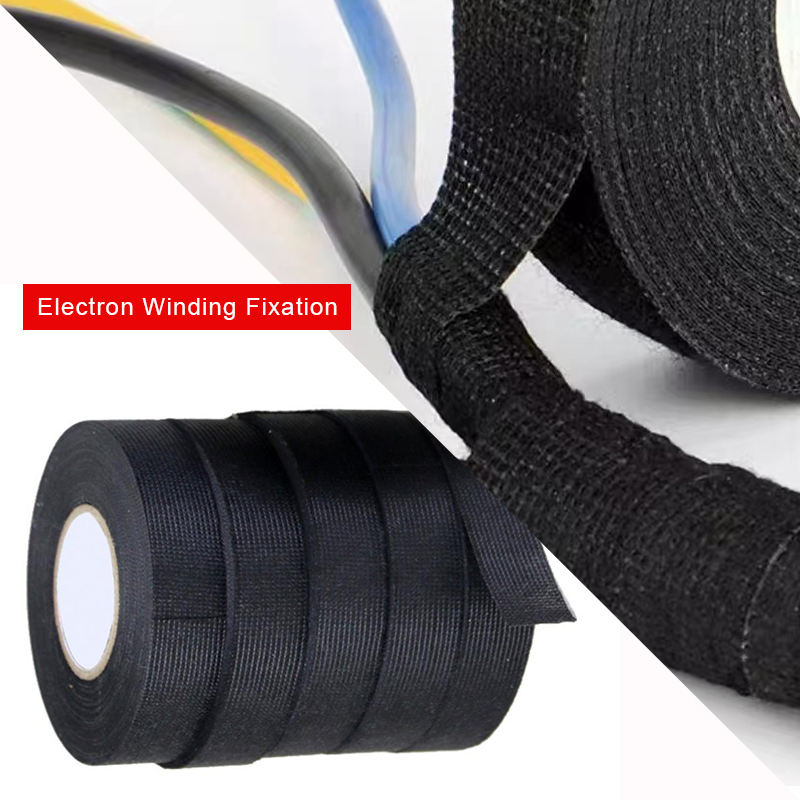
Industrial environments often present extreme temperature challenges that can compromise the integrity of standard adhesive solutions. High temperature adhesive tape has emerged as a critical component for manufacturers operating in demanding conditions where conventional tapes fail to maintain their bonding strength and structural integrity. These specialized adhesive products are engineered to withstand temperatures ranging from 150°C to over 300°C, making them indispensable for aerospace, automotive, electronics, and heavy manufacturing applications.
The performance characteristics of high temperature adhesive tape under extreme conditions depend on several factors including substrate material, adhesive chemistry, and environmental exposure duration. Understanding these variables is essential for selecting the appropriate tape solution that meets specific industrial requirements while maintaining operational safety and efficiency.
Material Composition and Engineering Principles
Advanced Adhesive Chemistry
The backbone of effective high temperature adhesive tape lies in its sophisticated adhesive formulation. Silicone-based adhesives represent the most common choice for extreme temperature applications due to their exceptional thermal stability and chemical inertness. These adhesives maintain their molecular structure and bonding properties even when exposed to temperatures exceeding 200°C for extended periods.
Acrylic adhesives provide another viable option for high temperature adhesive tape applications, particularly in environments where chemical resistance is paramount. Modified acrylic formulations can withstand temperatures up to 180°C while offering superior adhesion to various substrates including metals, ceramics, and engineered plastics.
Pressure-sensitive adhesive technology incorporated into high temperature adhesive tape ensures immediate bonding upon application without requiring additional curing time or activating agents. This characteristic proves invaluable in industrial settings where rapid assembly and minimal downtime are critical operational requirements.
Substrate Material Selection
The carrier material of high temperature adhesive tape significantly influences its performance under extreme thermal conditions. Polyimide films offer exceptional thermal stability, maintaining dimensional integrity at temperatures up to 260°C while providing excellent dielectric properties for electrical applications.
Fiberglass cloth substrates enhance the tensile strength of high temperature adhesive tape, making them suitable for applications involving mechanical stress combined with thermal exposure. The woven structure distributes loads evenly while the glass fibers resist thermal expansion and contraction cycles.
PTFE-based carrier materials provide the ultimate in chemical resistance for high temperature adhesive tape applications. These substrates maintain their non-stick properties even at elevated temperatures, making them ideal for release applications in manufacturing processes involving heated molds or platens.
Performance Characteristics Under Extreme Conditions
Thermal Resistance and Stability
The thermal performance of high temperature adhesive tape is measured through standardized testing protocols that evaluate adhesion strength, dimensional stability, and chemical integrity across specified temperature ranges. These tests simulate real-world conditions including thermal cycling, continuous exposure, and rapid temperature changes.
Continuous operating temperatures for high quality high temperature adhesive tape typically range from 150°C to 300°C, depending on the specific formulation and intended application. Short-term exposure capabilities often exceed continuous ratings by 50-100°C, providing safety margins for process variations and emergency conditions.
Thermal cycling resistance ensures that high temperature adhesive tape maintains its bonding integrity through repeated heating and cooling cycles without developing stress cracks or adhesion failure. This characteristic is particularly important in automotive and aerospace applications where components experience regular temperature fluctuations.
Mechanical Properties Retention
High temperature adhesive tape must retain its mechanical properties including tensile strength, elongation, and tear resistance when exposed to elevated temperatures. Advanced formulations maintain 80-90% of their room temperature mechanical properties even after prolonged thermal exposure.
Creep resistance becomes critical for high temperature adhesive tape applications involving sustained loads at elevated temperatures. Quality products resist dimensional changes and maintain their original configuration even under combined thermal and mechanical stress.
Conformability allows high temperature adhesive tape to follow complex surface contours while maintaining consistent contact pressure and adhesion. This property ensures reliable sealing and bonding performance on irregular or textured surfaces commonly found in industrial equipment.
Industrial Applications and Use Cases
Aerospace and Aviation Industries
Aerospace applications demand the highest performance levels from high temperature adhesive tape due to extreme operating conditions and stringent safety requirements. Engine compartments, exhaust systems, and heat shields require tapes capable of withstanding temperatures exceeding 300°C while maintaining structural integrity.
Wire harness protection represents a critical application for high temperature adhesive tape in aerospace systems. These tapes provide insulation and mechanical protection for electrical systems exposed to engine heat, ensuring reliable operation throughout flight cycles.
Composite material bonding utilizes specialized high temperature adhesive tape formulations that cure during the manufacturing process. These tapes eliminate the need for mechanical fasteners while providing uniform stress distribution across bonded surfaces.
Automotive Manufacturing
Engine compartment applications require high temperature adhesive tape solutions that resist automotive fluids while maintaining adhesion at temperatures up to 200°C. These tapes secure heat shields, insulation materials, and wiring harnesses in proximity to exhaust systems and turbochargers.
Paint masking operations in automotive manufacturing utilize high temperature adhesive tape during powder coating and liquid paint processes that involve curing temperatures between 120-180°C. These tapes provide clean paint lines while resisting adhesive transfer during removal.
Electronic component protection in automotive systems relies on high temperature adhesive tape to secure and insulate sensitive components from engine heat and electromagnetic interference. These applications require excellent dielectric properties combined with thermal resistance.
Selection Criteria and Performance Evaluation
Temperature Rating Assessment
Proper selection of high temperature adhesive tape begins with accurate assessment of operating temperature ranges, including maximum continuous temperatures, peak temperatures, and exposure duration. Understanding these parameters ensures optimal performance and prevents premature failure.
Safety margins should be incorporated when specifying high temperature adhesive tape for critical applications. A minimum 20-30°C margin above expected operating temperatures provides protection against process variations and unexpected temperature spikes.
Thermal cycling requirements must be considered for applications involving repeated heating and cooling cycles. High temperature adhesive tape specifications should include thermal shock resistance data and cycle life expectations.
Environmental Compatibility
Chemical exposure assessment determines the appropriate high temperature adhesive tape formulation for specific industrial environments. Solvents, oils, acids, and cleaning agents can affect tape performance even at elevated temperatures.
Humidity and moisture resistance become important factors for high temperature adhesive tape applications in steam or high-humidity environments. Hydrolysis resistance ensures long-term adhesion performance in these challenging conditions.
UV exposure considerations apply to high temperature adhesive tape used in outdoor applications or near UV curing systems. Specialized formulations resist photodegradation while maintaining thermal performance characteristics.
Installation and Application Best Practices
Surface Preparation Requirements
Proper surface preparation is essential for optimal high temperature adhesive tape performance. Surfaces must be clean, dry, and free from oils, dust, or other contaminants that could interfere with adhesion. Solvent cleaning followed by thorough drying ensures maximum bond strength.
Surface roughness optimization may be necessary for certain high temperature adhesive tape applications. Light abrasion can improve adhesion to smooth surfaces while excessive roughness may create air pockets that reduce contact area.
Temperature conditioning of both the tape and substrate before application ensures optimal adhesive flow and initial bond formation. Room temperature application typically provides the best results for high temperature adhesive tape installation.
Application Techniques
Proper application pressure ensures complete contact between high temperature adhesive tape and the substrate surface. Rolling or pressing with appropriate pressure eliminates air bubbles and maximizes adhesive contact area for optimal performance.
Overlap considerations become important for high temperature adhesive tape applications requiring complete coverage or sealing. Minimum overlap requirements vary by tape type and application but typically range from 6-12mm for reliable performance.
Cure time requirements for high temperature adhesive tape vary by formulation and environmental conditions. Initial handling strength develops within minutes, while full cure strength may require 24-72 hours depending on temperature and humidity conditions.
Quality Standards and Testing Protocols
Industry Certification Requirements
High temperature adhesive tape used in critical applications must meet various industry standards including UL recognition, FAA approval, and automotive OEM specifications. These certifications ensure consistent quality and performance across different manufacturing batches.
Testing protocols for high temperature adhesive tape include peel strength measurements at elevated temperatures, thermal aging tests, and chemical resistance evaluations. These standardized tests provide comparable data for product selection and quality assurance.
Traceability requirements for aerospace and medical applications necessitate detailed documentation of high temperature adhesive tape manufacturing processes, raw material sources, and quality control testing results.
Performance Monitoring
Regular inspection schedules should be established for high temperature adhesive tape installations in critical applications. Visual inspections can detect early signs of degradation including edge lifting, discoloration, or substrate separation.
Performance trending involves monitoring high temperature adhesive tape behavior over time to identify potential issues before they affect system operation. This proactive approach reduces maintenance costs and prevents unexpected failures.
Replacement intervals for high temperature adhesive tape should be based on actual performance data rather than arbitrary time schedules. Environmental conditions and operating parameters significantly influence tape life expectancy.
FAQ
What is the maximum temperature rating for high temperature adhesive tape
The maximum temperature rating for high temperature adhesive tape varies by formulation and construction, typically ranging from 150°C to over 300°C for continuous operation. Silicone-based adhesives generally offer the highest temperature resistance, with some specialized formulations capable of withstanding temperatures up to 350°C for short-term exposure. The specific rating depends on substrate material, adhesive chemistry, and intended application requirements.
How long can high temperature adhesive tape maintain performance at elevated temperatures
Performance duration for high temperature adhesive tape depends on operating temperature, environmental conditions, and tape quality. At maximum rated temperatures, quality tapes maintain performance for hundreds to thousands of hours. At temperatures 50-100°C below maximum ratings, service life can extend to years. Thermal cycling, chemical exposure, and mechanical stress can reduce service life, making regular monitoring important for critical applications.
Can high temperature adhesive tape be removed after thermal exposure
Removability of high temperature adhesive tape after thermal exposure depends on the adhesive formulation and substrate material. Silicone-based tapes often remain removable even after extended thermal exposure, while some acrylic formulations may form stronger bonds over time. Specialized removable formulations are available for temporary masking applications where clean removal is required after thermal processing.
What surface preparation is required for high temperature adhesive tape application
Proper surface preparation for high temperature adhesive tape requires thorough cleaning to remove oils, dust, moisture, and other contaminants. Solvent cleaning with isopropyl alcohol or acetone followed by complete drying provides optimal results. Some applications may benefit from light surface abrasion to improve mechanical adhesion. The substrate should be at room temperature during application unless specifically designed for hot application.
Table of Contents
- Material Composition and Engineering Principles
- Performance Characteristics Under Extreme Conditions
- Industrial Applications and Use Cases
- Selection Criteria and Performance Evaluation
- Installation and Application Best Practices
- Quality Standards and Testing Protocols
-
FAQ
- What is the maximum temperature rating for high temperature adhesive tape
- How long can high temperature adhesive tape maintain performance at elevated temperatures
- Can high temperature adhesive tape be removed after thermal exposure
- What surface preparation is required for high temperature adhesive tape application