 EN
EN


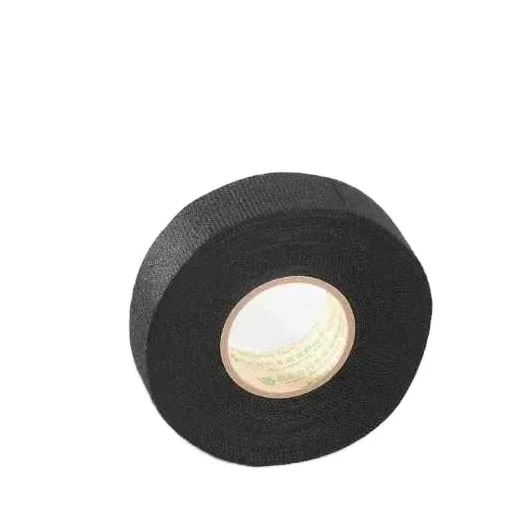
In today's rapidly advancing technological landscape, high temperature adhesive tapes have become indispensable components across numerous industries, particularly in electronics and automotive sectors. These specialized tapes are engineered to withstand extreme thermal conditions while maintaining their adhesive properties and structural integrity. The demand for reliable thermal management solutions continues to grow as electronic devices become more compact and powerful, generating increased heat that requires effective dissipation and protection.
The automotive industry has embraced high temperature adhesive tapes as critical components for engine compartment applications, electrical insulation, and wire harness protection. These tapes must perform reliably in environments where temperatures can exceed 200°C while maintaining flexibility and adhesion strength. Modern vehicles incorporate sophisticated electronic systems that require robust thermal protection to ensure safety and longevity of components.
Electronics manufacturers rely heavily on high temperature adhesive tapes for circuit board assembly, component mounting, and thermal interface applications. As consumer electronics continue to miniaturize while increasing performance capabilities, the thermal challenges become more pronounced, making these specialized tapes essential for maintaining operational efficiency and preventing thermal failures.
Understanding the Science Behind High Temperature Performance
Material Composition and Properties
High temperature adhesive tapes derive their exceptional performance characteristics from carefully selected polymer matrices and adhesive formulations. The substrate materials commonly include polyimide films, PTFE, fiberglass cloth, and ceramic-filled composites that maintain dimensional stability under extreme thermal stress. These base materials are chosen for their low coefficient of thermal expansion and resistance to thermal degradation.
The adhesive systems used in high temperature adhesive tapes typically employ silicone-based formulations that retain tackiness and bonding strength across wide temperature ranges. Unlike conventional acrylic adhesives that may fail at elevated temperatures, silicone adhesives maintain their molecular structure and continue to provide reliable adhesion even when subjected to thermal cycling and prolonged exposure to high temperatures.
Advanced manufacturing processes ensure uniform thickness and consistent adhesive coverage, which are critical factors in thermal performance. The molecular cross-linking within these materials creates a three-dimensional network that resists thermal breakdown while maintaining flexibility necessary for dynamic applications where thermal expansion and contraction occur regularly.
Thermal Resistance Mechanisms
The thermal resistance of high temperature adhesive tapes results from multiple mechanisms working in combination to prevent degradation. Primary among these is the inherent thermal stability of the polymer chains that form the tape's backbone structure. These polymers are specifically designed to resist chain scission and cross-linking reactions that typically cause material failure at elevated temperatures.
Secondary thermal protection comes from the incorporation of flame retardant additives and thermal stabilizers that absorb thermal energy and prevent cascading thermal reactions. These additives work by interrupting free radical chain reactions that would otherwise lead to rapid material degradation and loss of adhesive properties.
The multilayer construction of many high temperature adhesive tapes creates thermal barriers that distribute heat evenly across the tape surface, preventing localized hot spots that could compromise adhesive integrity. This design approach ensures consistent performance even when subjected to non-uniform heating patterns common in electronic and automotive applications.
Critical Applications in Electronics Manufacturing
Circuit Board Assembly and Protection
Electronics manufacturing processes frequently involve high temperature operations such as wave soldering, reflow soldering, and component attachment procedures that require temporary masking and permanent protection solutions. High temperature adhesive tapes serve as essential masking materials during these processes, protecting sensitive components and circuit traces from solder splash and thermal damage.
During surface mount technology assembly, high temperature adhesive tapes provide temporary component positioning and hold-down capabilities during the reflow process. These tapes must withstand peak temperatures exceeding 260°C while maintaining precise positioning accuracy and clean removal without leaving residue on delicate electronic components.
Flexible printed circuit applications utilize high temperature adhesive tapes as reinforcement layers and insulation barriers between conducting layers. The dimensional stability and electrical insulation properties of these tapes ensure reliable performance in compact electronic devices where space constraints demand efficient thermal management solutions.
Thermal Interface Management
Modern electronic devices generate substantial heat that must be efficiently transferred away from critical components to prevent thermal throttling and premature failure. High temperature adhesive tapes function as thermal interface materials, creating efficient heat transfer pathways between heat-generating components and heat sinks or thermal spreaders.
The conformable nature of these tapes allows them to fill microscopic surface irregularities that would otherwise create thermal barriers. By eliminating air gaps and creating intimate contact between mating surfaces, high temperature adhesive tapes significantly improve thermal conductivity and overall thermal management efficiency.
Power electronics applications, including LED lighting systems and power conversion equipment, rely on high temperature adhesive tapes for both thermal management and electrical insulation. These dual-function applications require materials that can simultaneously conduct heat while providing electrical isolation, making specialized high temperature adhesive tapes invaluable for these demanding applications.
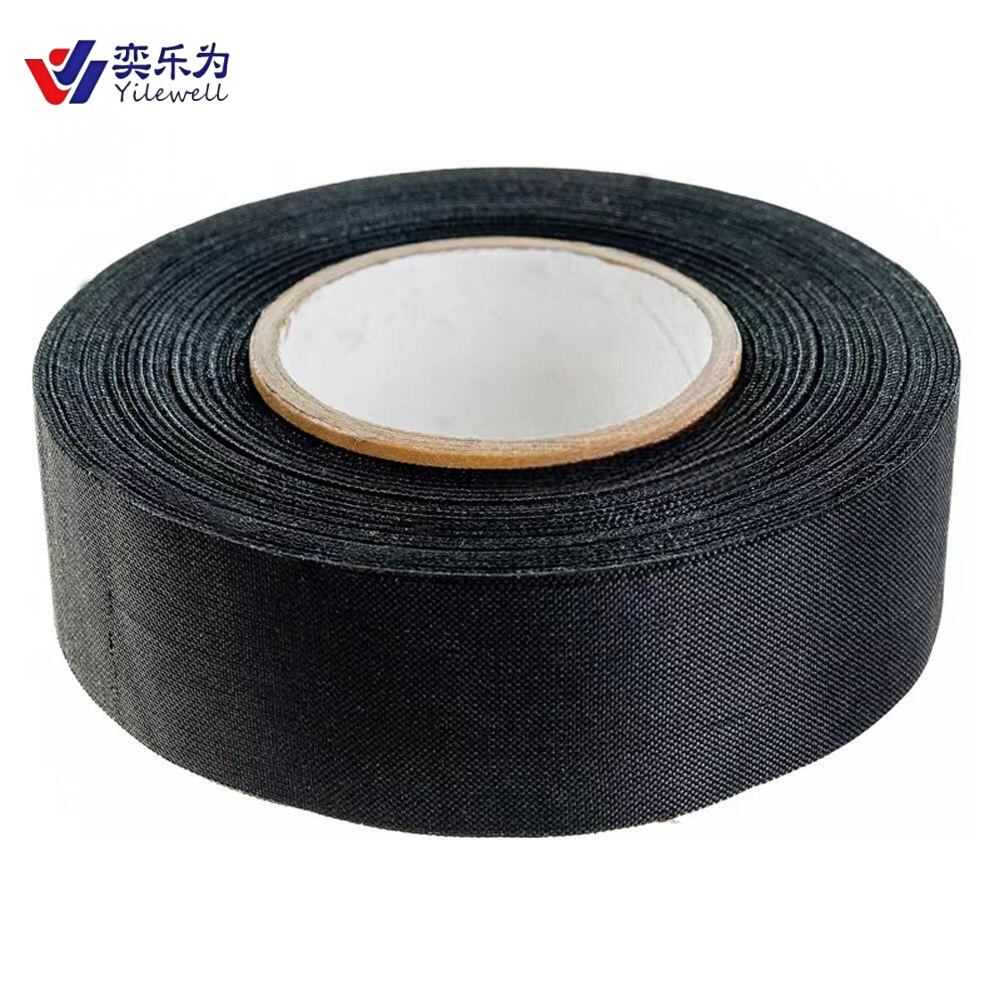
Automotive Industry Applications and Requirements
Engine Compartment Environments
Automotive engine compartments present some of the most challenging operating environments for adhesive materials, with temperatures routinely exceeding 150°C and occasional exposure to temperatures above 200°C. High temperature adhesive tapes used in these applications must maintain their performance characteristics while resisting exposure to automotive fluids, vibration, and thermal cycling.
Wire harness protection represents a critical application where high temperature adhesive tapes provide electrical insulation and mechanical protection for automotive wiring systems. These tapes must conform to complex bundle geometries while providing reliable protection against abrasion, chemical exposure, and thermal damage that could lead to electrical failures or fire hazards.
Exhaust system applications utilize high temperature adhesive tapes for heat shield attachment and thermal barrier applications where direct exposure to exhaust gases creates extreme thermal stress. These specialized tapes must resist not only high temperatures but also corrosive exhaust gas constituents that can accelerate material degradation.
Electric Vehicle Thermal Management
The growing electric vehicle market has created new applications for high temperature adhesive tapes in battery thermal management systems and power electronics cooling circuits. Battery pack assemblies require thermal barriers and electrical insulation materials that can function reliably across wide temperature ranges while maintaining safety certifications.
Electric motor applications present unique challenges where high temperature adhesive tapes must function in high electromagnetic field environments while providing thermal protection and electrical insulation. The combination of thermal, electrical, and magnetic stress requires specialized tape formulations designed specifically for electric drivetrain applications.
Charging system components utilize high temperature adhesive tapes for thermal management and electrical isolation in high-power charging circuits where thermal dissipation is critical for maintaining charging efficiency and preventing thermal runaway conditions that could compromise vehicle safety.
Selection Criteria and Performance Standards
Temperature Rating and Thermal Cycling
Proper selection of high temperature adhesive tapes requires careful consideration of maximum operating temperature, thermal cycling requirements, and duration of exposure to elevated temperatures. Continuous operating temperature ratings differ significantly from short-term peak temperature capabilities, making it essential to understand the specific thermal profile of each application.
Thermal cycling performance becomes critical in applications where repeated heating and cooling cycles occur, as this can lead to adhesive fatigue and eventual failure. High temperature adhesive tapes designed for cycling applications incorporate specialized adhesive formulations that maintain bond strength through thousands of thermal cycles.
Temperature rise rates and thermal shock resistance are additional factors that influence tape selection for applications involving rapid temperature changes. Materials that perform well under gradual heating may fail when subjected to sudden temperature increases, making thermal shock testing an important qualification criterion.
Adhesive Strength and Environmental Resistance
Adhesive strength requirements for high temperature adhesive tapes vary significantly depending on the application, with some requiring only temporary adhesion while others demand permanent bonding. The adhesive strength must be maintained throughout the expected service life while resisting environmental factors such as humidity, UV exposure, and chemical contamination.
Environmental resistance testing ensures that high temperature adhesive tapes will perform reliably in real-world conditions where multiple stress factors combine to challenge material performance. Salt spray resistance, chemical compatibility, and UV stability are common environmental tests used to qualify tapes for specific applications.
Long-term aging studies provide valuable data on how high temperature adhesive tapes will perform over extended service periods. These studies typically involve accelerated aging protocols that simulate years of service life in compressed timeframes, allowing manufacturers to predict performance degradation patterns.
Installation Best Practices and Quality Assurance
Surface Preparation and Application Techniques
Successful application of high temperature adhesive tapes begins with proper surface preparation to ensure optimal adhesive bonding. Surface cleanliness, roughness, and chemical compatibility all influence the initial bond strength and long-term performance of the tape installation.
Application temperature and pressure affect the initial wetting and bonding characteristics of high temperature adhesive tapes. Most formulations require specific application conditions to achieve full adhesive strength, including minimum application temperatures and contact pressures that ensure proper adhesive flow and substrate wetting.
Edge sealing and termination techniques prevent moisture ingress and contamination that could compromise long-term performance. Proper edge sealing becomes particularly important in high temperature applications where thermal expansion and contraction create stress concentrations at tape edges.
Quality Control and Performance Monitoring
Quality assurance procedures for high temperature adhesive tapes include incoming inspection protocols that verify material properties and dimensional specifications. Batch testing ensures that each production lot meets performance specifications before installation in critical applications.
In-service monitoring techniques allow for early detection of tape degradation before failure occurs. Visual inspection protocols and non-destructive testing methods can identify signs of thermal damage, adhesive degradation, or substrate failure that warrant preventive replacement.
Documentation and traceability systems ensure that high temperature adhesive tapes can be tracked throughout their service life, enabling root cause analysis in the event of failures and continuous improvement of application procedures and material selections.
FAQ
What temperature range can high temperature adhesive tapes withstand?
High temperature adhesive tapes typically operate reliably in temperature ranges from -40°C to 300°C, depending on the specific formulation and construction. Standard polyimide-based tapes handle continuous temperatures up to 200°C, while specialized PTFE and ceramic-filled variants can function at temperatures exceeding 300°C for shorter durations. The exact temperature capability depends on factors such as exposure duration, thermal cycling requirements, and specific performance criteria for each application.
How do high temperature adhesive tapes compare to mechanical fasteners for thermal applications?
High temperature adhesive tapes offer several advantages over mechanical fasteners including uniform stress distribution, elimination of stress concentration points, and superior conformability to irregular surfaces. Unlike screws or clips that create localized stress points, adhesive tapes distribute loads evenly across the bonded area, reducing the risk of substrate damage. Additionally, tapes provide better sealing capabilities and can simultaneously serve thermal management and electrical insulation functions that mechanical fasteners cannot achieve.
What factors affect the longevity of high temperature adhesive tapes in automotive applications?
The service life of high temperature adhesive tapes in automotive applications depends on several environmental factors including temperature extremes, thermal cycling frequency, exposure to automotive fluids, vibration levels, and UV radiation exposure. Chemical resistance to engine oils, coolants, and cleaning solvents significantly impacts longevity, as does the tape's ability to maintain flexibility during thermal cycling. Proper installation techniques and edge sealing can extend service life by preventing moisture ingress and contamination that accelerate degradation.
Can high temperature adhesive tapes be removed and reapplied after thermal exposure?
Most high temperature adhesive tapes are designed for permanent installation and become increasingly difficult to remove after thermal exposure due to adhesive curing and substrate bonding enhancement. However, some specialized removable formulations maintain their removability even after high temperature exposure, though at reduced adhesive strength compared to permanent varieties. Clean removal typically requires elevated temperatures and specific removal techniques to prevent substrate damage, and reapplication of used tape is generally not recommended due to compromised adhesive properties.
Table of Contents
- Understanding the Science Behind High Temperature Performance
- Critical Applications in Electronics Manufacturing
- Automotive Industry Applications and Requirements
- Selection Criteria and Performance Standards
- Installation Best Practices and Quality Assurance
-
FAQ
- What temperature range can high temperature adhesive tapes withstand?
- How do high temperature adhesive tapes compare to mechanical fasteners for thermal applications?
- What factors affect the longevity of high temperature adhesive tapes in automotive applications?
- Can high temperature adhesive tapes be removed and reapplied after thermal exposure?