 EN
EN


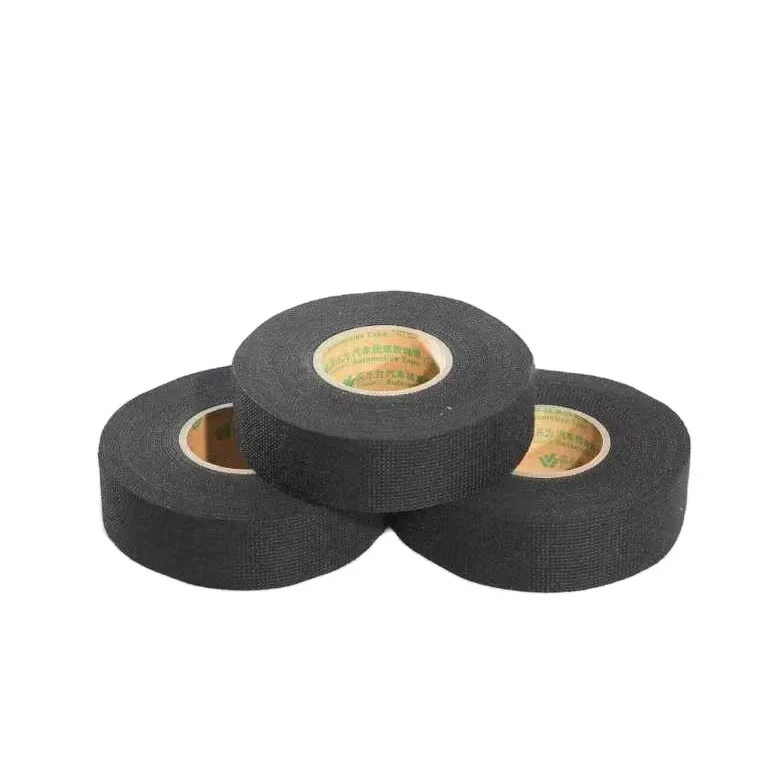
In industrial environments where extreme heat conditions prevail, the choice of adhesive solutions can mean the difference between operational success and catastrophic failure. High temperature adhesive tapes have emerged as critical components in maintaining safety standards and ensuring reliable performance across numerous applications. These specialized tapes are engineered to withstand temperatures that would cause conventional adhesives to fail, providing essential protection for equipment, personnel, and processes in demanding thermal environments.
The significance of these thermal-resistant adhesive solutions extends far beyond simple bonding applications. They serve as guardians of operational integrity, protecting sensitive components from heat damage while maintaining structural stability under extreme conditions. Understanding how these materials function and their role in safety protocols is essential for engineers, maintenance professionals, and facility managers who work in high-temperature industrial settings.
Understanding the Science Behind Heat-Resistant Adhesive Technology
Material Composition and Thermal Properties
The foundation of effective high temperature adhesive tapes lies in their sophisticated material composition. These tapes typically incorporate specialized polymers and backing materials that maintain their molecular structure at elevated temperatures. Silicone-based adhesives, fluoropolymer backings, and ceramic-filled compounds represent the most common formulations used in manufacturing these thermal-resistant solutions.
The backing material plays a crucial role in determining the overall performance characteristics of high temperature adhesive tapes. Materials such as polyimide, PTFE, and fiberglass cloth provide excellent thermal stability while maintaining flexibility and conformability. These substrates resist thermal degradation, preventing the tape from becoming brittle or losing adhesion when exposed to extreme heat conditions.
Advanced adhesive formulations utilize cross-linked polymer networks that become more stable as temperatures increase. This unique characteristic allows the adhesive to maintain bonding strength even when subjected to thermal cycling, where temperatures fluctuate between extreme highs and ambient conditions. The molecular structure of these adhesives is designed to resist thermal breakdown, ensuring long-term reliability in demanding applications.
Temperature Rating Classifications and Performance Standards
Industry standards classify high temperature adhesive tapes based on their maximum operating temperatures and duration of exposure. Short-term exposure ratings typically range from 200°C to 500°C, while continuous operating temperatures may range from 150°C to 300°C depending on the specific formulation. Understanding these classifications is essential for proper application selection and safety compliance.
Performance standards such as UL 510, ASTM D1000, and IEC 60454 provide standardized testing methods for evaluating thermal performance. These standards ensure that high temperature adhesive tapes meet specific criteria for temperature resistance, flame retardancy, and electrical properties. Compliance with these standards is often mandatory in regulated industries such as aerospace, automotive, and electrical equipment manufacturing.
The thermal aging characteristics of these tapes are equally important as their maximum temperature ratings. Extended exposure to elevated temperatures can cause gradual changes in adhesive properties, even within rated temperature ranges. Quality manufacturers conduct extensive thermal aging tests to predict long-term performance and establish reliable service life expectations for their products.
Critical Safety Applications in Industrial Environments
Electrical Insulation and Fire Prevention
One of the most critical safety applications for high temperature adhesive tapes involves electrical insulation in high-heat environments. These tapes provide essential protection for electrical connections, wire harnesses, and cable assemblies that operate in areas exposed to engine heat, industrial furnaces, or other thermal sources. The insulation properties prevent electrical shorts and reduce fire risks in these vulnerable applications.
The flame-retardant properties of quality high temperature adhesive tapes contribute significantly to fire prevention strategies. These materials are formulated to self-extinguish when exposed to flame, preventing the spread of fire along cable routes or equipment surfaces. This characteristic is particularly important in aerospace applications, where fire suppression systems may not be immediately accessible.
Electrical safety regulations often mandate the use of heat-resistant insulation materials in specific applications. High temperature adhesive tapes that meet UL recognition standards provide compliance with electrical codes while offering superior thermal protection compared to conventional insulation materials. This dual functionality makes them indispensable in modern electrical system design.
Equipment Protection and Thermal Barriers
Industrial equipment operating in high-temperature environments requires protection from thermal damage that could lead to costly repairs or safety incidents. High temperature adhesive tapes serve as thermal barriers, protecting sensitive components from radiant heat, hot gases, and direct contact with heated surfaces. This protection extends equipment life and reduces maintenance requirements significantly.
Vibration dampening represents another critical safety function of these specialized tapes. In high-temperature environments, thermal expansion and contraction create additional stress on mechanical connections. The viscoelastic properties of heat-resistant adhesives help absorb vibration and thermal stress, preventing loosening of critical fasteners and maintaining structural integrity.
Sealing applications in high-temperature environments rely on the conformability and adhesion properties of specialized tapes to maintain environmental barriers. These seals prevent the ingress of hot gases, liquids, or contaminants that could compromise equipment function or create safety hazards. The long-term stability of the adhesive bond ensures reliable sealing performance throughout the equipment's service life.
Reliability Enhancement Through Proper Application Techniques
Surface Preparation and Installation Best Practices
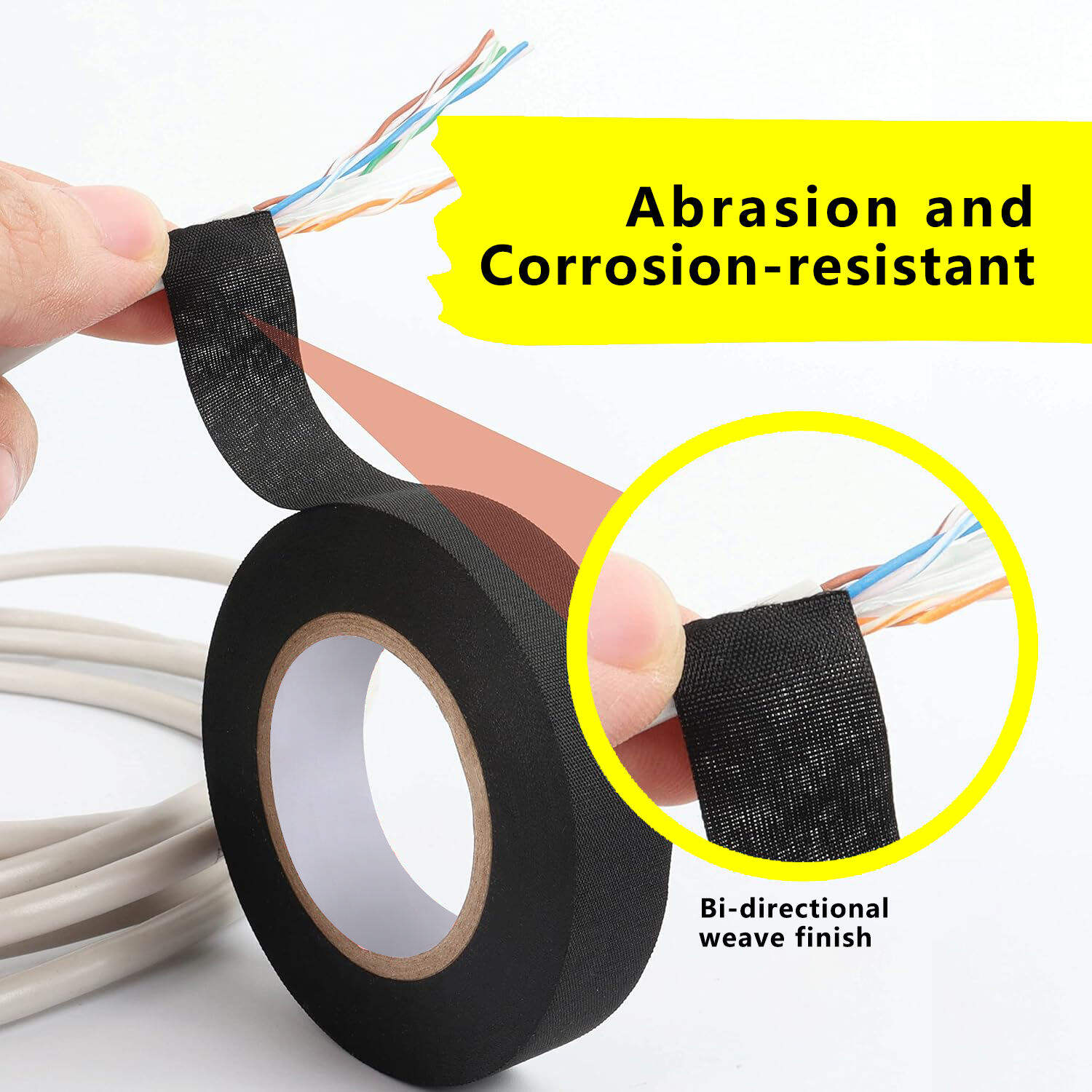
The reliability of high temperature adhesive tapes depends heavily on proper surface preparation and installation techniques. Clean, dry surfaces free from oils, dust, and oxidation provide optimal bonding conditions for these specialized adhesives. Surface preparation protocols should include degreasing with appropriate solvents and mechanical abrasion when necessary to promote adhesion.
Temperature conditions during installation significantly impact the final bond strength and reliability of high temperature adhesive tapes. Most adhesives achieve optimal performance when applied at room temperature, allowing the adhesive to properly wet the substrate surface. Cold application conditions can result in poor initial adhesion, while excessive heat during installation may cause premature curing or degradation of the adhesive.
Proper application pressure and dwell time are essential for achieving maximum bond strength with high temperature adhesive tapes. The application pressure helps eliminate air bubbles and ensures complete contact between the adhesive and substrate. Allowing sufficient dwell time before exposure to elevated temperatures permits the adhesive to achieve its full bonding potential.
Quality Control and Performance Monitoring
Implementing quality control procedures for high temperature adhesive tape applications ensures consistent reliability and safety performance. Visual inspection protocols should verify proper adhesion, absence of air bubbles, and complete coverage of the intended area. Documentation of installation parameters, including ambient conditions and cure times, provides valuable data for performance tracking.
Periodic inspection of installed high temperature adhesive tapes helps identify potential reliability issues before they become safety concerns. Signs of adhesive degradation, edge lifting, or thermal damage should trigger immediate evaluation and replacement when necessary. Establishing inspection intervals based on operating conditions and manufacturer recommendations optimizes maintenance efficiency.
Performance monitoring through temperature logging and thermal imaging provides objective data on the effectiveness of high temperature adhesive tape applications. This information helps validate design assumptions and identify opportunities for improved application techniques or material selection in future installations.
Industry-Specific Applications and Safety Benefits
Aerospace and Aviation Safety Systems
The aerospace industry relies heavily on high temperature adhesive tapes for critical safety applications in aircraft engines, exhaust systems, and cabin environmental controls. These applications demand the highest levels of reliability due to the severe consequences of failure in flight conditions. Aircraft certification requirements mandate extensive testing and documentation of all materials used in safety-critical applications.
Engine compartment applications represent some of the most demanding environments for high temperature adhesive tapes in aerospace systems. These areas experience extreme temperature variations, vibration, and exposure to aviation fuels and hydraulic fluids. The tapes must maintain their properties throughout the aircraft's service life while providing reliable insulation and protection for critical engine components.
Fire suppression systems in aircraft benefit significantly from the flame-retardant properties of specialized high temperature adhesive tapes. These materials help prevent fire spread along cable routes and equipment surfaces, providing precious time for crew response and passenger evacuation. The lightweight nature of these tapes also contributes to overall aircraft weight reduction compared to alternative protection methods.
Automotive Manufacturing and Under-Hood Applications
Modern automotive engines generate significant heat that poses challenges for electrical systems, sensors, and control modules located in under-hood environments. High temperature adhesive tapes provide essential protection for these components, ensuring reliable vehicle operation and preventing potentially dangerous electrical failures that could affect vehicle safety systems.
Exhaust system applications utilize high temperature adhesive tapes for heat shielding and vibration dampening, protecting nearby components from thermal damage and noise transmission. These applications are critical for maintaining proper function of emission control systems and preventing heat-related damage to fuel lines, electrical harnesses, and other vulnerable components in the engine compartment.
Electric vehicle applications present unique challenges for high temperature adhesive tapes due to the high-power electrical systems and battery thermal management requirements. These tapes provide insulation for high-voltage connections while offering thermal protection for battery cooling systems and power electronics that operate at elevated temperatures during charging and high-performance driving conditions.
Selection Criteria and Performance Optimization
Material Compatibility and Chemical Resistance
Selecting appropriate high temperature adhesive tapes requires careful consideration of chemical compatibility with the operating environment. Many industrial applications involve exposure to solvents, oils, cleaning agents, and other chemicals that could degrade conventional adhesives. Specialized formulations provide resistance to specific chemical families while maintaining thermal performance characteristics.
Substrate compatibility represents another critical factor in tape selection for high-temperature applications. Different backing materials and adhesive formulations perform optimally on specific substrates such as metals, plastics, ceramics, or composites. Understanding the thermal expansion characteristics of both the tape and substrate helps prevent stress-related failures during thermal cycling.
Environmental factors beyond temperature, including humidity, UV exposure, and atmospheric pressure, can significantly impact the performance of high temperature adhesive tapes. Applications in outdoor environments or at high altitudes require additional considerations for material selection to ensure long-term reliability and safety performance.
Cost-Effectiveness and Lifecycle Considerations
While high temperature adhesive tapes may have higher initial costs compared to conventional alternatives, their superior performance and reliability often result in lower total cost of ownership. Reduced maintenance requirements, extended equipment life, and prevention of costly failures justify the investment in quality thermal-resistant adhesive solutions.
Lifecycle analysis of high temperature adhesive tape applications should consider factors such as installation labor, maintenance intervals, replacement costs, and potential consequences of failure. These analyses often reveal that premium high temperature adhesive tapes provide superior value despite higher material costs, particularly in critical safety applications.
Standardization of high temperature adhesive tape specifications across an organization can provide significant cost savings through volume purchasing and reduced inventory complexity. Establishing preferred product lists based on proven performance in specific applications helps ensure consistent quality while optimizing procurement efficiency.
FAQ
What temperature ranges can high temperature adhesive tapes withstand safely?
High temperature adhesive tapes are designed to operate safely across a wide range of thermal conditions, typically from -65°C to over 400°C depending on the specific formulation. Short-term exposure capabilities may extend to 500°C or higher for specialized products, while continuous operating temperatures generally range from 150°C to 300°C. The specific temperature rating depends on factors including adhesive chemistry, backing material, and intended application duration. Always consult manufacturer specifications and conduct application-specific testing to verify performance in your particular operating conditions.
How do high temperature adhesive tapes maintain their safety properties over time?
These specialized tapes maintain their safety properties through advanced polymer chemistry and stabilization additives that resist thermal degradation over extended periods. The cross-linked adhesive structure becomes more stable at elevated temperatures, while antioxidants and thermal stabilizers prevent molecular breakdown. Regular inspection and monitoring programs help identify any degradation before it compromises safety performance. Proper installation techniques and adherence to manufacturer guidelines for operating conditions ensure optimal long-term reliability and continued safety effectiveness.
What are the key differences between standard and high temperature adhesive tapes?
The primary differences lie in material composition, thermal stability, and performance characteristics under heat exposure. Standard tapes typically use conventional adhesives and backing materials that begin to soften, lose adhesion, or degrade at temperatures above 80-100°C. High temperature adhesive tapes utilize specialized polymers, ceramic-filled adhesives, and heat-resistant backings that maintain their properties at temperatures exceeding 200°C. Additionally, these tapes often include flame-retardant additives and enhanced chemical resistance properties that standard tapes lack.
Can high temperature adhesive tapes be used for electrical safety applications?
Yes, many high temperature adhesive tapes are specifically designed for electrical safety applications and carry relevant certifications such as UL recognition. These tapes provide excellent electrical insulation properties while maintaining thermal stability, making them ideal for protecting electrical connections, wire harnesses, and cable assemblies in high-heat environments. They offer superior flame resistance compared to conventional electrical tapes and help prevent electrical fires in critical applications. Always verify that the specific tape meets relevant electrical safety standards for your application requirements.
Table of Contents
- Understanding the Science Behind Heat-Resistant Adhesive Technology
- Critical Safety Applications in Industrial Environments
- Reliability Enhancement Through Proper Application Techniques
- Industry-Specific Applications and Safety Benefits
- Selection Criteria and Performance Optimization
-
FAQ
- What temperature ranges can high temperature adhesive tapes withstand safely?
- How do high temperature adhesive tapes maintain their safety properties over time?
- What are the key differences between standard and high temperature adhesive tapes?
- Can high temperature adhesive tapes be used for electrical safety applications?