 EN
EN


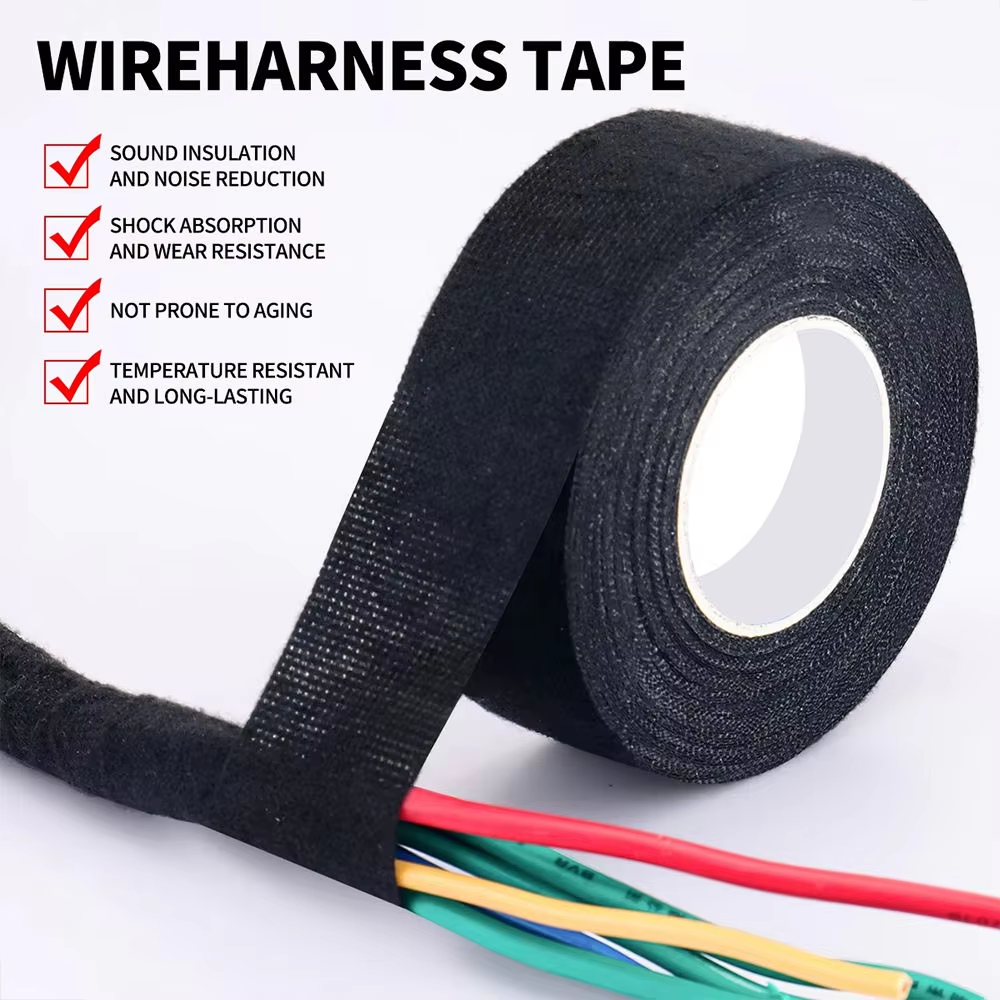
When selecting premium high temperature adhesive tape for industrial applications, understanding the essential characteristics that define quality performance becomes crucial for project success. The right high temperature adhesive tape must demonstrate exceptional thermal resistance, maintain adhesion integrity under extreme conditions, and provide reliable performance across diverse manufacturing environments. These specialized tapes serve critical functions in aerospace, automotive, electronics, and industrial processing where standard adhesives fail under heat stress.
Premium high temperature adhesive tape features encompass multiple performance dimensions that directly impact operational effectiveness and long-term reliability. From substrate material composition to adhesive chemistry formulation, each component contributes to the tape's ability to withstand thermal cycling, chemical exposure, and mechanical stress. Understanding these key features enables informed decision-making when specifying high temperature adhesive tape for demanding applications where failure is not an option.
Temperature Resistance Specifications and Performance Thresholds
Maximum Operating Temperature Ranges
Premium high temperature adhesive tape must demonstrate consistent performance across specified temperature ranges that align with application requirements. Most industrial-grade tapes operate effectively between 150°C to 260°C, while specialized formulations can withstand temperatures exceeding 300°C for short-term exposure. The temperature rating indicates the maximum continuous operating temperature where the tape maintains its adhesive properties and structural integrity without degradation.
Temperature resistance testing involves subjecting high temperature adhesive tape samples to prolonged heat exposure while monitoring adhesion strength, dimensional stability, and material degradation. Quality tapes maintain at least 80% of their initial adhesion strength after extended exposure to rated temperatures. This performance threshold ensures reliable bonding throughout the expected service life under normal operating conditions.
Understanding the distinction between continuous and intermittent temperature exposure becomes essential when evaluating high temperature adhesive tape specifications. Continuous ratings represent sustained temperature exposure for extended periods, while intermittent ratings indicate short-term peak temperatures the tape can survive without permanent damage. Application requirements dictate which rating takes precedence in material selection decisions.
Thermal Cycling Durability
Thermal cycling performance measures how well high temperature adhesive tape withstands repeated heating and cooling cycles without losing adhesion or developing mechanical failures. Industrial processes often involve temperature fluctuations that create thermal stress on bonded assemblies. Premium tapes demonstrate stable performance through hundreds or thousands of thermal cycles while maintaining consistent adhesion strength.
The coefficient of thermal expansion compatibility between the tape substrate and bonded materials affects long-term reliability during thermal cycling. High temperature adhesive tape with matched expansion characteristics reduces stress concentrations that could lead to delamination or adhesive failure. This compatibility becomes particularly important in applications involving dissimilar materials with different thermal expansion rates.
Thermal shock resistance evaluates the tape's ability to survive rapid temperature changes without cracking, delaminating, or losing adhesive properties. Premium high temperature adhesive tape formulations incorporate flexible substrates and adhesive chemistries that accommodate thermal expansion and contraction without structural damage. This characteristic proves essential in applications involving rapid heating or cooling cycles.
Adhesive Chemistry and Bonding Performance
Adhesive System Types and Properties
Silicone-based adhesive systems provide excellent high temperature performance with operating ranges extending beyond 200°C while maintaining flexibility and chemical resistance. These formulations demonstrate superior aging characteristics and minimal outgassing, making them suitable for clean room environments and sensitive electronic applications. Silicone adhesives maintain tack and peel strength across wide temperature ranges without becoming brittle or losing cohesive strength.
Acrylic adhesive chemistries offer balanced performance characteristics with good temperature resistance up to 150°C while providing excellent adhesion to diverse substrate materials. Modified acrylic formulations enhance high temperature performance while maintaining the clarity and UV resistance associated with standard acrylic systems. These adhesives demonstrate consistent performance in outdoor applications and UV exposure environments.
Rubber-based adhesive systems provide aggressive initial tack and conformability to irregular surfaces, making them effective for temporary high temperature masking applications. While temperature resistance may be lower than silicone or specialty formulations, rubber adhesives offer excellent removability characteristics after heat exposure. The balance between initial adhesion and clean removal makes these systems valuable for specific high temperature adhesive tape applications.
Surface Preparation and Adhesion Optimization
Surface energy compatibility between the adhesive system and substrate material significantly influences bond strength and durability at elevated temperatures. High temperature adhesive tape performs optimally on clean, dry surfaces free from oils, dust, and release agents that could interfere with adhesive wetting and molecular contact. Proper surface preparation enhances initial bond formation and long-term adhesion reliability.
Primer systems specifically formulated for high temperature applications can enhance adhesion to difficult-to-bond surfaces such as low-energy plastics, powder coated metals, and composite materials. These primers modify surface chemistry to improve adhesive wetting and create stronger intermolecular bonds that withstand thermal stress. The primer-adhesive system combination extends the range of substrates suitable for high temperature adhesive tape applications.
Application pressure and dwell time affect the final bond strength achieved between high temperature adhesive tape and substrate surfaces. Adequate pressure ensures complete adhesive contact and eliminates air bubbles that could compromise thermal performance. Extended dwell time allows molecular interdiffusion and stress relaxation that strengthens the adhesive bond before exposure to elevated temperatures.
Substrate Material Characteristics and Construction
Backing Material Selection and Properties
Polyimide films provide exceptional thermal stability with continuous operating temperatures exceeding 200°C while maintaining dimensional stability and mechanical strength. These substrates resist thermal degradation, chemical attack, and radiation exposure making them ideal for aerospace and electronics applications. Polyimide-based high temperature adhesive tape demonstrates minimal shrinkage and excellent dielectric properties at elevated temperatures.
Glass cloth substrates offer superior dimensional stability and thermal resistance with operating temperatures reaching 300°C or higher depending on the weave pattern and resin treatment. The woven structure provides mechanical reinforcement that prevents tape stretching under thermal stress while maintaining flexibility for conforming to curved surfaces. Glass cloth high temperature adhesive tape excels in applications requiring structural integrity at extreme temperatures.
PTFE (polytetrafluoroethylene) substrates combine excellent chemical resistance with high temperature performance up to 260°C continuous operation. The low surface energy and non-stick characteristics of PTFE make these tapes valuable for release applications and chemical processing environments. PTFE-based high temperature adhesive tape provides unique performance in applications involving aggressive chemicals and extreme temperatures simultaneously.
Thickness and Conformability Considerations
Tape thickness affects both thermal performance and mechanical properties with thinner constructions providing better heat transfer and conformability while thicker tapes offer enhanced puncture resistance and gap-filling capability. Standard high temperature adhesive tape thicknesses range from 0.025mm to 0.25mm depending on substrate material and intended application requirements. The optimal thickness balances performance requirements with application constraints.
Conformability enables high temperature adhesive tape to follow irregular surface contours and maintain complete surface contact that ensures uniform heat distribution and prevents hot spot formation. Flexible substrates and adhesive formulations accommodate surface variations without creating stress concentrations that could lead to premature failure. This characteristic proves essential in applications involving curved or textured surfaces.
Edge sealing performance prevents adhesive migration and contamination in high temperature environments where material outgassing could affect sensitive processes or equipment. Premium high temperature adhesive tape constructions incorporate edge treatments or die-cutting techniques that minimize adhesive exposure and reduce contamination risks. Clean edge performance becomes critical in semiconductor and precision manufacturing applications.
Chemical Resistance and Environmental Durability
Solvent and Chemical Compatibility
Chemical resistance testing evaluates how high temperature adhesive tape performs when exposed to common industrial solvents, cleaning agents, and process chemicals at elevated temperatures. Premium formulations resist swelling, dissolution, and adhesive degradation when contacted by aromatic solvents, ketones, and alcohol-based cleaners. This resistance ensures tape integrity during cleaning processes and accidental chemical exposure.
Fuel and hydraulic fluid resistance becomes important in automotive and aerospace applications where high temperature adhesive tape may contact petroleum products, synthetic lubricants, and hydraulic fluids. Specialized formulations resist degradation from these chemicals while maintaining adhesion and thermal performance. Long-term exposure testing validates chemical compatibility under realistic service conditions.
Outgassing characteristics determine the suitability of high temperature adhesive tape for sensitive environments such as vacuum systems, clean rooms, and electronic assemblies. Low outgassing formulations minimize contamination from volatile compounds released during thermal cycling. NASA and semiconductor industry specifications define acceptable outgassing levels for critical applications requiring pristine environmental conditions.
UV Resistance and Outdoor Durability
Ultraviolet radiation exposure can degrade both substrate materials and adhesive systems in outdoor high temperature applications. UV-stabilized formulations incorporate additives that absorb or reflect harmful radiation while maintaining optical and mechanical properties. These stabilizers prevent photodegradation that could compromise tape performance in solar thermal, automotive, and building applications.
Weather resistance encompasses the tape's ability to withstand combined environmental stresses including temperature cycling, humidity variations, and precipitation exposure. Premium high temperature adhesive tape formulations resist moisture absorption that could affect adhesion or cause dimensional changes. Sealed edge constructions prevent moisture ingress that could lead to adhesive degradation or substrate delamination.
Accelerated aging tests simulate long-term environmental exposure by subjecting high temperature adhesive tape samples to elevated temperature and humidity conditions for extended periods. These tests predict service life and identify potential failure modes before they occur in actual applications. Quality tapes maintain performance specifications after thousands of hours of accelerated aging equivalent to years of normal service.
Application-Specific Performance Features
Electrical and Dielectric Properties
Dielectric strength measures the tape's ability to withstand electrical voltage without breakdown, making this property critical for high temperature adhesive tape used in electrical insulation applications. Premium formulations maintain dielectric strength above 3000 volts per mil thickness even at elevated temperatures. This performance ensures electrical safety and prevents short circuits in motor windings, transformers, and electronic assemblies.
Volume resistivity indicates the tape's resistance to electrical current flow through its thickness, with higher values providing better insulation performance. High temperature adhesive tape designed for electrical applications typically exhibits volume resistivity exceeding 10^14 ohm-cm at room temperature with minimal degradation at operating temperatures. Consistent electrical properties across temperature ranges ensure reliable insulation performance.
Dissipation factor and dielectric constant values affect the tape's suitability for high-frequency electrical applications where signal integrity matters. Low dissipation factor formulations minimize signal loss while stable dielectric constants prevent impedance variations that could degrade circuit performance. These properties become increasingly important in high-speed digital and RF applications operating at elevated temperatures.
Masking and Protection Applications
Clean removal characteristics enable high temperature adhesive tape to protect surfaces during painting, coating, or heat treatment processes without leaving residue or causing surface damage. Controlled adhesion formulations provide sufficient holding power during processing while allowing clean removal after thermal exposure. This balance prevents coating bleed-through while ensuring residue-free surface restoration.
Edge definition quality affects the sharpness of masked edges and the precision achievable in decorative or functional coating applications. High temperature adhesive tape with good conformability and sealing properties prevents coating migration under the tape edge while maintaining straight, clean lines. Precision edge performance proves essential in automotive painting, electronics coating, and decorative applications.
Thermal barrier properties of high temperature adhesive tape can protect sensitive components from radiant heat exposure during nearby welding, brazing, or heat treatment operations. Reflective substrates or low thermal conductivity materials minimize heat transfer through the tape thickness. This protection capability extends the range of components that can remain in place during high temperature processing operations.
FAQ
What temperature range should I expect from premium high temperature adhesive tape?
Premium high temperature adhesive tape typically operates effectively in continuous temperature ranges from 150°C to 260°C, with specialized formulations capable of withstanding temperatures up to 300°C or higher for intermittent exposure. The specific temperature rating depends on the substrate material and adhesive chemistry, with polyimide and glass cloth substrates generally offering the highest temperature capabilities. Always verify the manufacturer's specifications for your specific application requirements and consider both continuous and peak temperature exposure conditions.
How do I determine the right adhesive chemistry for my high temperature application?
Adhesive chemistry selection depends on your specific temperature requirements, substrate materials, and environmental conditions. Silicone adhesives excel above 200°C with excellent flexibility and chemical resistance, while acrylic systems work well up to 150°C with good clarity and UV resistance. Rubber-based adhesives provide aggressive tack for temporary applications but have lower temperature limits. Consider factors like required bond strength, removability needs, chemical exposure, and electrical properties when selecting the optimal adhesive system.
What substrate thickness is optimal for different high temperature applications?
Substrate thickness selection balances conformability, heat transfer, and mechanical strength requirements. Thinner tapes (0.025-0.050mm) provide excellent conformability and heat transfer for precision applications, while thicker constructions (0.1-0.25mm) offer better puncture resistance and gap-filling capability. Electrical insulation applications often require specific thickness values to meet dielectric strength requirements, while masking applications benefit from thinner tapes that conform well to surface details and provide sharp edge definition.
How can I ensure optimal adhesion performance at high temperatures?
Optimal adhesion performance requires proper surface preparation, appropriate application technique, and compatible material selection. Clean surfaces thoroughly to remove oils, dust, and contaminants that interfere with adhesive bonding. Apply adequate pressure during installation to eliminate air bubbles and ensure complete contact, then allow sufficient dwell time for bond development before temperature exposure. Consider primer systems for difficult-to-bond surfaces and verify thermal expansion compatibility between the tape and substrate materials to prevent stress-related failures during thermal cycling.
Table of Contents
- Temperature Resistance Specifications and Performance Thresholds
- Adhesive Chemistry and Bonding Performance
- Substrate Material Characteristics and Construction
- Chemical Resistance and Environmental Durability
- Application-Specific Performance Features
-
FAQ
- What temperature range should I expect from premium high temperature adhesive tape?
- How do I determine the right adhesive chemistry for my high temperature application?
- What substrate thickness is optimal for different high temperature applications?
- How can I ensure optimal adhesion performance at high temperatures?