 EN
EN


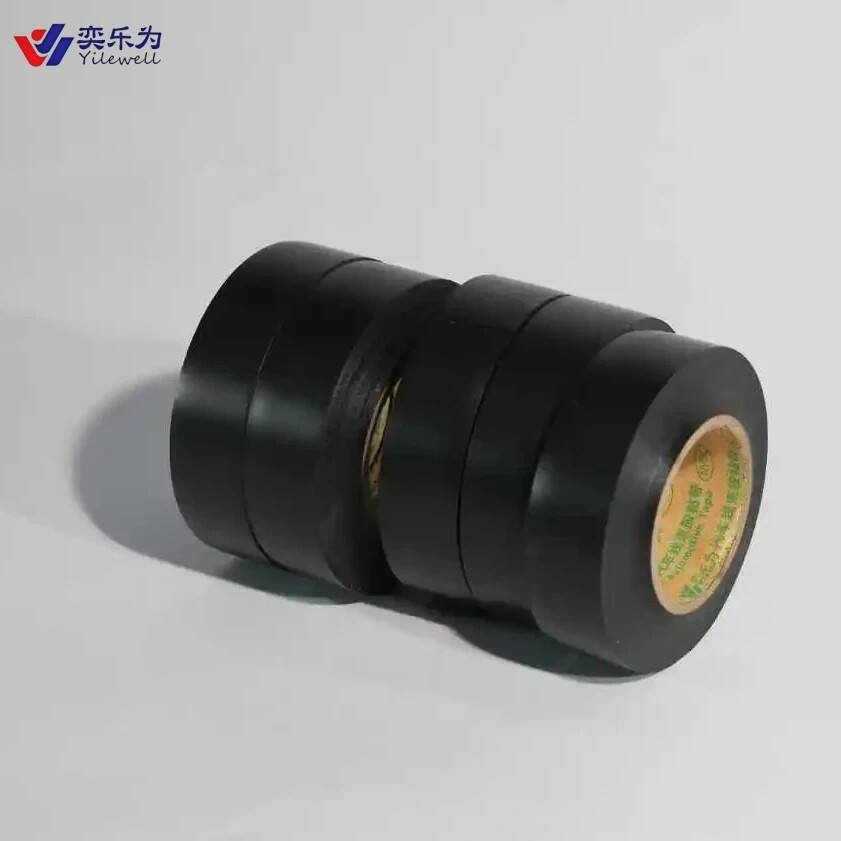
Industrial environments present unique challenges that demand specialized solutions, particularly when it comes to adhesive materials that must perform reliably under extreme conditions. The growing adoption of high temperature adhesive tape across critical industrial applications reflects a fundamental shift in how engineers and maintenance professionals approach thermal management, equipment protection, and operational reliability. This specialized adhesive technology has become indispensable for industries ranging from aerospace and automotive to electronics manufacturing and power generation, where standard adhesive solutions simply cannot withstand the thermal stresses encountered in daily operations.
The decision to implement high temperature adhesive tape in critical applications stems from several compelling factors that traditional adhesive materials cannot address effectively. These specialized tapes offer superior thermal stability, maintaining their adhesive properties and structural integrity when exposed to temperatures that would cause conventional adhesives to fail catastrophically. Industrial users are increasingly recognizing that the upfront investment in premium high temperature adhesive tape solutions translates directly into reduced maintenance costs, improved safety margins, and enhanced operational continuity in their most demanding applications.
Superior Thermal Performance in Extreme Environments
Temperature Resistance Beyond Conventional Limits
The primary driver behind industrial adoption of high temperature adhesive tape lies in its exceptional ability to maintain functionality across extended temperature ranges that would destroy standard adhesive materials. These specialized tapes typically maintain their bonding strength and flexibility at temperatures ranging from -65°C to +260°C, with some advanced formulations capable of withstanding even higher thermal extremes. This thermal stability is achieved through carefully engineered polymer matrices and specialized backing materials that resist thermal degradation, oxidation, and mechanical failure under sustained heat exposure.
Industrial applications in sectors such as steel manufacturing, glass production, and chemical processing regularly encounter operating temperatures that exceed 200°C, making high temperature adhesive tape an essential component for equipment insulation, wire harness protection, and component mounting. The molecular structure of these advanced adhesives prevents the thermal breakdown that causes conventional tapes to lose adhesion, become brittle, or release harmful volatile compounds when exposed to elevated temperatures.
Consistent Performance Under Thermal Cycling
Beyond static high temperature resistance, industrial users value high temperature adhesive tape for its ability to withstand repeated thermal cycling without degradation. Many critical applications involve equipment that undergoes regular heating and cooling cycles, creating expansion and contraction stresses that can cause standard adhesives to fail through fatigue cracking or delamination. High temperature adhesive tape maintains its flexibility and adhesive properties throughout thousands of thermal cycles, ensuring reliable performance in applications such as automotive exhaust systems, industrial ovens, and power generation equipment.
The thermal cycling resistance of these specialized tapes stems from their engineered elasticity and dimensional stability, which allows them to accommodate thermal expansion and contraction without developing stress concentrations that lead to adhesive failure. This characteristic is particularly valuable in aerospace applications, where components must survive extreme temperature variations during flight operations while maintaining critical sealing and insulation functions.
Chemical Resistance and Environmental Durability
Protection Against Aggressive Chemical Environments
Industrial facilities often expose adhesive materials to harsh chemical environments that can rapidly degrade conventional tape products, making chemical resistance a crucial selection criterion for critical applications. High temperature adhesive tape formulations incorporate specialized polymer chemistries that resist attack from acids, bases, solvents, oils, and other industrial chemicals commonly encountered in manufacturing environments. This chemical inertness ensures that the tape maintains its protective and bonding functions even when exposed to aggressive cleaning agents, process chemicals, and environmental contaminants.
The chemical resistance of high temperature adhesive tape extends to resistance against UV radiation, ozone exposure, and moisture infiltration, factors that can significantly compromise the performance of standard adhesive materials in outdoor or industrial environments. This comprehensive environmental protection makes these tapes ideal for applications in chemical processing plants, offshore installations, and other demanding industrial settings where multiple environmental stressors act simultaneously on critical equipment components.
Long-Term Stability in Harsh Conditions
The durability advantage of high temperature adhesive tape becomes particularly evident in applications requiring long-term reliability without maintenance intervention. These specialized tapes maintain their physical and adhesive properties for years when properly applied, even in environments that would cause rapid degradation of conventional alternatives. The molecular stability of advanced high temperature adhesive formulations prevents aging-related changes such as hardening, cracking, or adhesive migration that commonly affect standard tape products over time.
Industrial users appreciate this long-term stability because it reduces the frequency of scheduled maintenance, minimizes unplanned downtime, and ensures consistent protection of critical components throughout extended service intervals. In applications such as power plant maintenance, aerospace component protection, and industrial equipment insulation, the ability of high temperature adhesive tape to provide reliable performance for multiple years represents significant operational and economic advantages over alternative solutions requiring more frequent replacement or maintenance.
Electrical Insulation and Safety Benefits
Superior Dielectric Properties for Electrical Applications
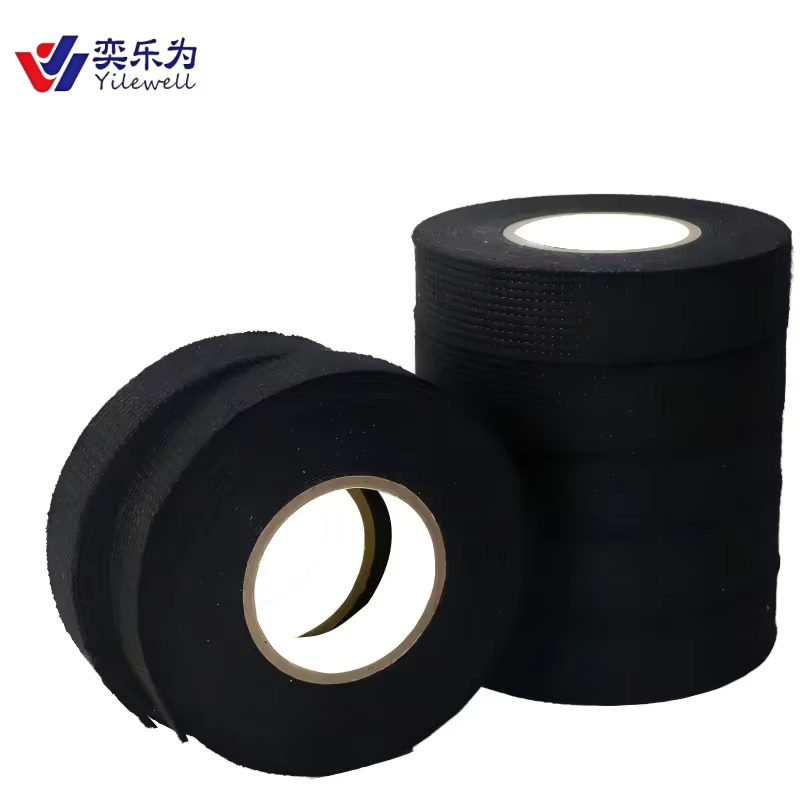
Many industrial applications require adhesive materials that provide both mechanical bonding and electrical insulation, making the dielectric properties of high temperature adhesive tape a critical selection factor. These specialized tapes offer excellent electrical insulation characteristics, with dielectric strength ratings that prevent electrical breakdown even under high voltage conditions combined with elevated temperatures. This dual functionality is essential in electrical equipment manufacturing, motor rewinding, and power distribution applications where thermal and electrical stresses occur simultaneously.
The electrical insulation capabilities of high temperature adhesive tape remain stable across the full operating temperature range, unlike many conventional insulating materials that experience degraded dielectric properties at elevated temperatures. This thermal stability of electrical performance ensures reliable insulation protection in applications such as transformer manufacturing, electric motor construction, and high-temperature wiring harness assembly, where electrical safety margins must be maintained under all operating conditions.
Fire Resistance and Safety Compliance
Safety considerations drive many industrial users to specify high temperature adhesive tape for critical applications, particularly where fire resistance and low smoke generation are regulatory requirements. Advanced high temperature adhesive tape formulations meet stringent fire safety standards, exhibiting flame resistance, limited smoke production, and low toxicity gas emission when exposed to fire conditions. These safety characteristics are essential in aerospace, transportation, and building applications where fire safety regulations mandate specific performance criteria for all materials used in construction or assembly.
The fire resistance of high temperature adhesive tape extends beyond simple flame retardancy to include resistance to thermal decomposition and maintenance of structural integrity at elevated temperatures. This comprehensive fire safety performance provides industrial users with confidence that their adhesive selections will not contribute to fire propagation or create safety hazards during emergency conditions, supporting overall facility safety management objectives.
Cost-Effectiveness and Operational Efficiency
Reduced Maintenance and Replacement Costs
While high temperature adhesive tape typically commands a higher initial price compared to standard adhesive products, industrial users consistently find that the total cost of ownership favors these specialized materials in critical applications. The extended service life, reduced maintenance requirements, and improved reliability of high temperature adhesive tape translate into significant operational savings over the product lifecycle. Industrial facilities report substantial reductions in maintenance labor costs, equipment downtime, and emergency repair expenses when high temperature adhesive tape replaces conventional alternatives in demanding applications.
The cost-effectiveness of high temperature adhesive tape becomes particularly apparent in applications where access for maintenance is difficult or expensive, such as offshore installations, high-elevation equipment, or hazardous environments requiring special safety procedures. In these scenarios, the ability of high temperature adhesive tape to provide reliable performance for extended periods without maintenance intervention can result in cost savings that far exceed the initial material cost differential.
Improved Process Efficiency and Quality
Industrial users choose high temperature adhesive tape not only for its durability benefits but also for its contribution to improved manufacturing and process efficiency. The superior handling characteristics, consistent adhesive properties, and reliable performance of these specialized tapes enable more efficient assembly processes, reduced rework rates, and improved final product quality. Manufacturing facilities report that high temperature adhesive tape applications result in fewer quality defects, reduced scrap rates, and improved process repeatability compared to alternative bonding and sealing methods.
The process efficiency advantages of high temperature adhesive tape extend to simplified inventory management, as a single high-performance product can often replace multiple conventional adhesive materials previously required for different temperature ranges or application conditions. This consolidation reduces procurement complexity, inventory carrying costs, and the potential for material selection errors that could compromise application performance.
FAQ
What temperature range can high temperature adhesive tape withstand in industrial applications?
High temperature adhesive tape typically operates reliably across temperature ranges from -65°C to +260°C, with specialized formulations capable of withstanding even higher thermal extremes up to +300°C or more. The specific temperature rating depends on the tape construction, adhesive chemistry, and backing material, with different products optimized for different thermal requirements. Industrial users should select tape grades that provide adequate temperature margins above their maximum expected operating conditions to ensure reliable long-term performance.
How does high temperature adhesive tape compare to mechanical fasteners for critical applications?
High temperature adhesive tape offers several advantages over mechanical fasteners in many critical applications, including elimination of stress concentration points, improved sealing capabilities, vibration damping properties, and simplified installation procedures. Unlike mechanical fasteners that can create potential failure points through material perforation, high temperature adhesive tape distributes loads evenly across the bonded surface while providing additional functions such as electrical insulation and environmental sealing. However, mechanical fasteners may be preferred for applications requiring removable connections or extremely high shear loads.
What industries benefit most from using high temperature adhesive tape in their operations?
Industries that derive the greatest benefit from high temperature adhesive tape include aerospace and aviation, automotive manufacturing, electronics and semiconductor production, power generation and distribution, steel and metals processing, chemical and petrochemical processing, and glass manufacturing. These sectors regularly encounter high temperature operating conditions combined with demanding performance requirements where conventional adhesive materials would fail. The specialized properties of high temperature adhesive tape make it indispensable for applications ranging from wire harness protection and component mounting to thermal barrier installation and equipment insulation.
How should high temperature adhesive tape be stored and handled to maintain its performance characteristics?
Proper storage and handling of high temperature adhesive tape requires maintaining controlled environmental conditions to preserve the adhesive properties and backing material integrity. The tape should be stored in a cool, dry environment away from direct sunlight, with temperatures ideally maintained between 15°C and 25°C and relative humidity below 60%. Storage areas should be clean and free from dust, chemicals, and other contaminants that could affect adhesive performance. During handling, users should avoid contaminating the adhesive surface and should apply the tape promptly after removal from protective liner to ensure optimal bonding performance.
Table of Contents
- Superior Thermal Performance in Extreme Environments
- Chemical Resistance and Environmental Durability
- Electrical Insulation and Safety Benefits
- Cost-Effectiveness and Operational Efficiency
-
FAQ
- What temperature range can high temperature adhesive tape withstand in industrial applications?
- How does high temperature adhesive tape compare to mechanical fasteners for critical applications?
- What industries benefit most from using high temperature adhesive tape in their operations?
- How should high temperature adhesive tape be stored and handled to maintain its performance characteristics?