 EN
EN


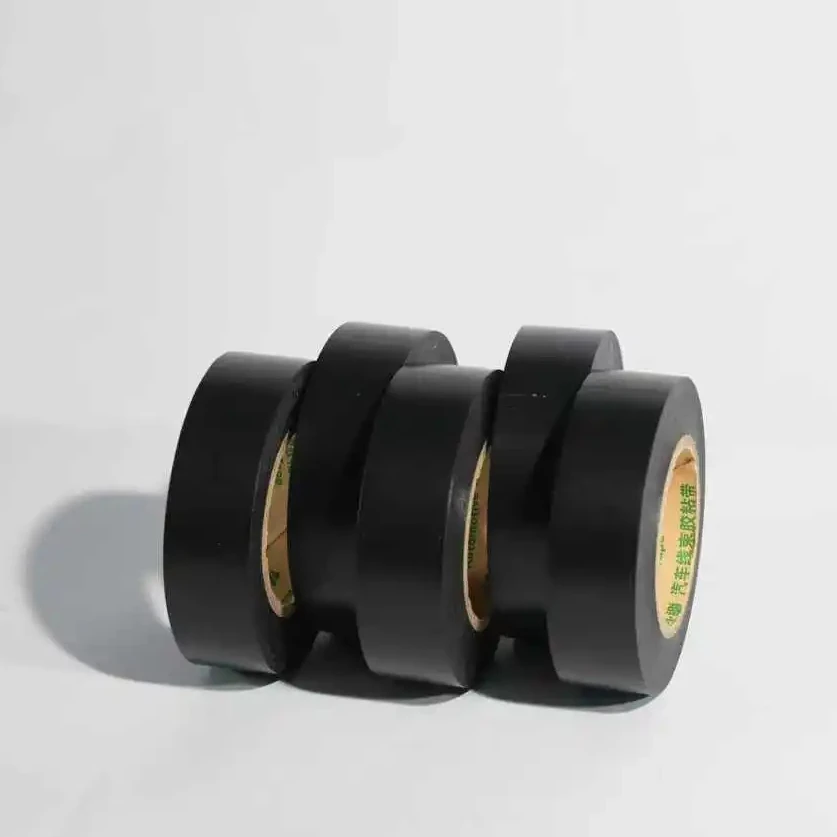
In industrial manufacturing, automotive assembly, and electronics production, protecting sensitive components from thermal stress is a critical challenge that directly impacts product reliability and operational safety. When equipment operates in environments where temperatures regularly exceed 100°C, standard adhesive solutions quickly fail, leading to component damage, production delays, and costly warranty claims. The 150°C heat resistant acrylic tape has emerged as a specialized solution engineered specifically to maintain bonding integrity, provide electrical insulation, and shield components when conventional tapes lose adhesion or degrade. Understanding the protective mechanisms of this high-temperature tape helps engineers and procurement professionals select the right materials for applications where thermal exposure poses genuine risks to component performance and longevity.
The question of how 150°C heat resistant acrylic tape protects components in high-temperature environments involves understanding both the material science behind its construction and the specific failure modes it prevents. This tape combines a specially formulated acrylic adhesive system with a thermally stable backing material, typically cloth or treated fabric, creating a composite structure that maintains dimensional stability, adhesive strength, and protective properties at elevated temperatures. The protection mechanisms operate on multiple levels simultaneously: thermal insulation that reduces heat transfer to underlying components, electrical isolation that prevents short circuits in wiring harnesses, mechanical shielding against abrasion and vibration, and chemical resistance that prevents degradation from oils and solvents commonly present in high-temperature industrial settings. These combined protective functions make 150°C heat resistant acrylic tape essential in automotive engine compartments, industrial ovens, power electronics assemblies, and aerospace applications where component survival depends on reliable thermal management.
Understanding the Thermal Protection Mechanism of 150°C Heat Resistant Acrylic Tape
How the Acrylic Adhesive System Maintains Bonding Integrity at Elevated Temperatures
The adhesive chemistry of 150°C heat resistant acrylic tape differs fundamentally from conventional pressure-sensitive adhesives through the use of cross-linked acrylic polymers with high glass transition temperatures. Standard acrylic adhesives typically soften and lose cohesive strength above 80°C, causing the tape to peel away or leave residue on protected surfaces. In contrast, heat-resistant formulations incorporate thermally stable monomers and crosslinking agents that create a three-dimensional polymer network capable of withstanding continuous exposure to temperatures up to 150°C without significant degradation. This molecular architecture prevents the adhesive from flowing or creeping under thermal stress, maintaining consistent bond strength throughout the temperature cycle.
When components experience thermal cycling between ambient and peak operating temperatures, the adhesive must accommodate thermal expansion and contraction without delaminating or creating gaps that compromise protection. The engineered viscoelastic properties of 150°C heat resistant acrylic tape allow it to absorb these dimensional changes while maintaining intimate contact with the substrate surface. The adhesive layer acts as a compliant interface that distributes mechanical stress caused by differential thermal expansion between dissimilar materials, preventing stress concentration that could damage fragile components like ceramic capacitors or brittle solder joints in electronic assemblies.
The Role of Backing Material in Thermal Shielding and Mechanical Protection
The backing material in 150°C heat resistant acrylic tape serves as the primary structural element that provides dimensional stability, tear resistance, and thermal insulation properties. Cloth-based backings, typically woven from heat-treated cotton or synthetic fibers, offer exceptional conformability that allows the tape to wrap around irregular component geometries while maintaining consistent protection. The fabric structure creates air pockets within the weave that provide a degree of thermal insulation, reducing the rate of heat transfer from hot surfaces to temperature-sensitive components beneath the tape layer.
In applications where components are exposed to radiant heat from nearby hot surfaces or direct contact with heated equipment, the backing material acts as a thermal barrier that attenuates heat flux. While 150°C heat resistant acrylic tape is not designed as a primary thermal insulation material like ceramic fiber blankets, it provides sufficient thermal resistance to protect wiring insulation, plastic connectors, and rubber gaskets from premature degradation when exposed to intermittent high-temperature conditions. The mechanical strength of the cloth backing also shields components from abrasion caused by vibration, preventing insulation wear on wire harnesses and protecting component markings from being abraded away during equipment operation.
Electrical Insulation Properties in High-Temperature Wiring Applications
One of the critical protective functions of 150°C heat resistant acrylic tape in automotive and industrial applications involves electrical insulation of wiring harnesses and cable assemblies operating in hot environments. The tape's dielectric strength remains stable at elevated temperatures, preventing electrical leakage or short circuits that could occur if conventional insulation materials degrade under thermal stress. In automotive engine compartments, where wiring harnesses route near exhaust manifolds and turbochargers, the tape provides an additional insulation layer over wire bundles, reducing the risk of insulation breakdown that could cause electrical faults or fire hazards.
The 150°C heat resistant acrylic tape also serves as a bundling and routing material that organizes wire harnesses while maintaining electrical isolation between adjacent conductors. When multiple wires carrying different voltage levels are bundled together in confined spaces with elevated ambient temperatures, the tape prevents chafing between wires that could wear through primary insulation and create short circuits. The non-conductive nature of both the acrylic adhesive and cloth backing ensures that the tape itself does not create new electrical pathways, maintaining the electrical integrity of protected assemblies throughout their service life.
Critical Performance Parameters That Enable Component Protection
Adhesive Strength Retention Across the Operating Temperature Range
The effectiveness of 150°C heat resistant acrylic tape in protecting components depends fundamentally on its ability to maintain adequate peel strength and shear resistance throughout the entire temperature range from ambient to maximum operating conditions. High-quality formulations of 150°C heat resistant acrylic tape exhibit peel adhesion values that remain above minimum thresholds even after prolonged exposure to elevated temperatures, ensuring that the tape stays in place and continues to provide protection throughout the component's operational life. Testing protocols typically evaluate adhesion at room temperature after heat aging cycles to verify that thermal exposure has not irreversibly degraded the adhesive bond.
The shear resistance of 150°C heat resistant acrylic tape becomes particularly important in vertical applications or on overhead surfaces where gravitational forces continuously stress the adhesive bond. Standard tapes often exhibit cold flow or creep when subjected to sustained loads at elevated temperatures, causing the tape to gradually slide down vertical surfaces or sag on horizontal applications. The crosslinked polymer structure in heat-resistant formulations provides dimensional stability that resists creep, maintaining the tape's position and ensuring consistent protection of the intended component area even during extended high-temperature operation.
Chemical Resistance to Automotive Fluids and Industrial Solvents
Components operating in high-temperature environments frequently encounter exposure to aggressive chemicals including engine oils, transmission fluids, coolants, hydraulic fluids, and cleaning solvents. The 150°C heat resistant acrylic tape must resist degradation from these substances to maintain its protective function throughout the component's service life. The acrylic adhesive system provides inherent resistance to petroleum-based oils and mild solvents, preventing adhesive softening or dissolution that would compromise bond strength and allow the tape to peel away from protected surfaces.
In automotive wiring harness applications, where 150°C heat resistant acrylic tape protects cables routed through engine compartments and transmission housings, the tape regularly contacts oil mists, fuel vapors, and cooling system chemicals. The chemical stability of the tape prevents these fluids from wicking under the tape edges or penetrating through the backing material to reach protected components. This barrier function is essential for preventing corrosion of electrical connectors and degradation of wire insulation that could result from chemical attack combined with thermal stress, which would accelerate component failure far beyond what either factor would cause independently.
Conformability and Application Characteristics for Complex Geometries
The ability of 150°C heat resistant acrylic tape to conform to irregular component shapes and complex surface geometries directly impacts the completeness and effectiveness of protection. Components such as wiring harness branches, sensor assemblies, and connector backshells often feature curved surfaces, sharp bends, and irregular profiles that standard rigid tapes cannot adequately cover. The cloth backing in high-quality 150°C heat resistant acrylic tape provides exceptional drapability that allows the tape to stretch and conform around these complex shapes while maintaining continuous contact without wrinkles or gaps that would create unprotected areas.
The hand-tearable nature of cloth-backed 150°C heat resistant acrylic tape facilitates rapid application in production environments without requiring cutting tools, improving assembly efficiency while ensuring consistent protection quality. The tape can be torn to precise lengths and applied smoothly around components with minimal training, reducing application errors that could compromise protection. The moderate initial tack of the adhesive allows repositioning during application while providing sufficient immediate bond strength to hold the tape in place during subsequent assembly operations, creating a balance between ease of use and reliable performance.
Specific Component Protection Scenarios in Industrial Applications
Protection of Automotive Wiring Harnesses in Engine Compartments
Automotive engine compartments represent one of the most demanding environments for component protection, with temperatures regularly exceeding 120°C near exhaust components and rapid thermal cycling during engine start-stop operations. The 150°C heat resistant acrylic tape provides essential protection for wiring harnesses that must route through these hot zones while maintaining electrical integrity and mechanical durability. Cable assemblies wrapped with this tape gain thermal shielding that prevents the underlying wire insulation from reaching its degradation temperature, extending harness service life and reducing warranty failures related to wiring breakdown.
In specific applications such as turbocharger wiring, exhaust gas recirculation sensor cables, and transmission harness routing, the 150°C heat resistant acrylic tape serves as the primary thermal barrier between hot metal surfaces and temperature-sensitive wiring. The tape can be applied in multiple layers to increase thermal resistance in particularly severe locations, with each layer providing incremental protection. The cloth backing's abrasion resistance also protects harnesses from wear caused by vibration-induced contact with engine components, preventing insulation damage that would expose conductors and create short circuit risks.
Masking and Protection During Powder Coating and Paint Curing Processes
Industrial coating processes frequently require masking materials that can withstand the elevated temperatures of powder coating cure ovens and paint baking operations without leaving adhesive residue or transferring contamination to finished surfaces. The 150°C heat resistant acrylic tape excels in these applications by providing clean removability after exposure to cure temperatures that typically range from 120°C to 200°C depending on the coating system. Components such as threaded fasteners, precision machined surfaces, electrical contacts, and identification labels must be masked during coating to prevent buildup that would interfere with assembly or function.
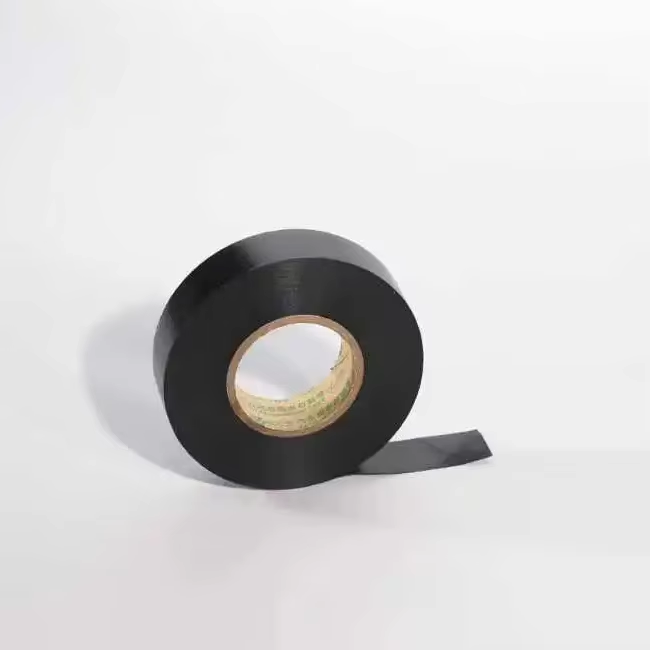
The tape's ability to create sharp masking lines and resist paint bleed-through ensures that protected areas remain completely coating-free, eliminating the need for labor-intensive post-coating cleanup operations. When masking complex component geometries with recessed features or raised details, the conformability of 150°C heat resistant acrylic tape allows it to follow surface contours and seal against paint infiltration. After the curing cycle, the tape removes cleanly without leaving adhesive transfer or requiring solvent cleaning, protecting the newly applied coating from damage while exposing the masked areas with crisp, well-defined edges.
Insulation and Bundling of High-Temperature Sensor Cables
Industrial process equipment and automotive powertrains utilize numerous sensors that monitor temperatures, pressures, and operating conditions in locations exposed to significant thermal stress. The wiring connecting these sensors to control modules must maintain signal integrity while operating in environments that can reach or exceed 150°C. The 150°C heat resistant acrylic tape provides both electrical insulation and mechanical protection for these critical signal cables, preventing electromagnetic interference and physical damage that could cause sensor malfunctions or erroneous readings.
Temperature sensors, pressure transducers, and oxygen sensors commonly found in automotive exhaust systems exemplify applications where 150°C heat resistant acrylic tape protection is essential. The tape wraps around sensor cable pigtails and connector assemblies to shield them from radiant heat while maintaining the flexibility needed for vibration isolation. In industrial furnace and kiln applications, the tape protects thermocouple wiring and control cables that route near heated zones, ensuring measurement accuracy and preventing premature cable failure that would require costly production shutdowns for replacement.
Material Selection Considerations and Application Guidelines
Evaluating Temperature Exposure Profiles for Appropriate Tape Selection
Selecting the appropriate 150°C heat resistant acrylic tape for a specific component protection application requires careful analysis of the actual temperature exposure profile rather than simply comparing the tape's maximum temperature rating to a single peak value. Engineers must consider the duration of high-temperature exposure, the frequency of thermal cycling, the rate of temperature change, and whether the application involves continuous or intermittent heating. A component that experiences brief temperature spikes to 140°C during occasional peak load conditions has very different protection requirements than one subjected to continuous operation at 130°C for thousands of hours.
The thermal mass of protected components and surrounding structures influences how effectively 150°C heat resistant acrylic tape can provide protection. Small components with low thermal mass heat up rapidly and cool quickly, experiencing sharp temperature gradients that stress the tape adhesive. Large assemblies with substantial thermal mass change temperature more slowly, creating more stable conditions that allow the tape to function near its upper temperature limit with greater reliability. Understanding these thermal dynamics helps engineers determine whether 150°C heat resistant acrylic tape provides adequate protection margin or whether a higher-temperature solution should be specified for critical applications.
Surface Preparation Requirements for Maximum Adhesive Performance
The protective effectiveness of 150°C heat resistant acrylic tape depends critically on proper surface preparation before application, particularly for components that will experience severe thermal stress. Contaminated surfaces containing oils, dust, moisture, or mold release agents prevent the adhesive from establishing molecular contact with the substrate, resulting in weak initial bonds that fail prematurely under thermal cycling. Clean, dry surfaces with moderate surface energy provide optimal adhesion for acrylic adhesive systems, allowing the tape to develop full bond strength and maintain it throughout high-temperature exposure.
For metal surfaces such as steel brackets, aluminum housings, and copper bus bars, cleaning with isopropyl alcohol or approved degreasers removes contaminants and prepares the surface for tape application. Low-surface-energy plastics like polypropylene and polyethylene may require surface treatment such as corona discharge or chemical primers to achieve adequate adhesion. When applying 150°C heat resistant acrylic tape to protect components, firm pressure during application ensures complete contact between the adhesive and substrate, eliminating air pockets that would reduce thermal conductivity and create potential delamination sites during thermal expansion and contraction cycles.
Application Techniques for Optimal Coverage and Protection
Proper application technique significantly influences how effectively 150°C heat resistant acrylic tape protects components in high-temperature environments. The tape should be applied with moderate tension to conform smoothly around component contours without creating wrinkles or stress concentrations that could become failure initiation points during thermal cycling. Overlapping wraps in spiral or half-lap patterns provide continuous coverage without gaps, ensuring that no areas of the protected component remain exposed to direct thermal radiation or contact with hot surfaces.
For wiring harness protection, the starting end of the 150°C heat resistant acrylic tape should be anchored securely before beginning the wrap, and the final end should be pressed firmly to prevent unraveling during handling and installation. Multiple layers can be applied in severe thermal environments to increase insulation thickness, with each layer oriented to cover the seams of the previous wrap. In masking applications, the tape edges should be burnished firmly to create a positive seal against paint infiltration, with particular attention to corners and edges where coating material tends to creep under inadequately sealed masking. Following these application best practices ensures that the tape delivers its full protective potential throughout the component's service life.
Comparing Performance with Alternative High-Temperature Protection Solutions
Advantages Over Polyimide and PTFE Tape Systems
While polyimide films and PTFE-based tapes can withstand higher continuous operating temperatures than 150°C heat resistant acrylic tape, they come with significant trade-offs in cost, conformability, and ease of application that make acrylic systems preferable for many component protection applications. Polyimide tapes typically cost three to five times more than cloth-backed acrylic tapes while offering limited stretchability and conformability around irregular shapes. For applications where the maximum temperature exposure remains below 150°C, the additional cost of polyimide provides no functional benefit while increasing material costs and potentially complicating supply chain management.
The 150°C heat resistant acrylic tape offers superior adhesion to a broader range of substrates compared to silicone-adhesive PTFE tapes, which often exhibit lower peel strength and require more careful surface preparation. The cloth backing in acrylic systems provides better mechanical strength and tear resistance than thin polyimide films, reducing the risk of damage during application and service. For production environments where assembly workers apply protective tape to hundreds or thousands of components per shift, the hand-tearability and forgiving handling characteristics of 150°C heat resistant acrylic tape improve productivity and reduce application errors compared to more specialized high-temperature films.
Performance Comparison with Aluminum Foil Tapes and Fiberglass Systems
Aluminum foil tapes with high-temperature adhesives provide excellent thermal reflection and can withstand higher continuous temperatures than 150°C heat resistant acrylic tape, but they lack the conformability and tear resistance needed for many component protection applications. The rigid nature of aluminum backing makes it difficult to wrap around complex component geometries without creating wrinkles and gaps that compromise protection coverage. Foil tapes also exhibit sharp edges when torn or cut that can damage wire insulation or scratch painted surfaces during application or service.
Fiberglass cloth tapes with silicone adhesives offer excellent chemical resistance and can operate at temperatures exceeding 200°C, but their significantly higher cost and lower adhesive strength limit their applicability to specialized situations where 150°C heat resistant acrylic tape cannot meet temperature requirements. For the vast majority of automotive and industrial applications where peak temperatures remain below 150°C, the balanced performance profile of acrylic cloth systems provides adequate protection at substantially lower material cost. The softer, more pliable backing of 150°C heat resistant acrylic tape conforms better to irregular surfaces and provides more consistent protection coverage compared to stiffer fiberglass constructions.
When to Specify Higher-Temperature Protection Systems
Despite the broad applicability of 150°C heat resistant acrylic tape, certain applications require materials designed for higher continuous operating temperatures or specialized performance characteristics beyond the capability of acrylic systems. Components located immediately adjacent to exhaust manifolds, turbocharger housings, or industrial heating elements may experience surface temperatures exceeding 200°C, necessitating polyimide, silicone-coated fiberglass, or ceramic fiber insulation materials. Applications involving direct flame impingement, molten metal splash, or extreme radiant heat require specialized thermal barriers rather than conventional pressure-sensitive tapes.
Chemical exposure conditions also influence material selection, particularly in applications where the tape contacts aggressive solvents, strong acids, or caustic alkaline solutions at elevated temperatures. While 150°C heat resistant acrylic tape provides good resistance to common automotive fluids and mild industrial chemicals, specialized fluoropolymer-based tapes may be required for protecting components in chemical processing equipment or harsh industrial cleaning operations. Engineers should conduct thorough thermal and chemical exposure analysis during the design phase to ensure that the selected protection system provides adequate performance margin for worst-case operating conditions while avoiding unnecessary overspecification that increases costs without improving reliability.
FAQ
What makes 150°C heat resistant acrylic tape different from regular masking tape?
Regular masking tape uses natural rubber or general-purpose acrylic adhesives that soften and fail above 80°C, while 150°C heat resistant acrylic tape employs specially formulated crosslinked acrylic adhesives and heat-treated cloth backings that maintain bonding strength and dimensional stability when exposed to temperatures up to 150°C. The thermal stability of the adhesive system prevents the tape from peeling, leaving residue, or losing protective capability during high-temperature exposure, making it suitable for automotive engine compartment applications, powder coating masking, and industrial equipment protection where standard tapes would fail immediately.
Can 150°C heat resistant acrylic tape be used for permanent component protection or only temporary applications?
The 150°C heat resistant acrylic tape serves effectively in both permanent and temporary protection roles depending on the application requirements. In permanent installations such as automotive wiring harness protection, the tape remains in place throughout the vehicle's service life, providing continuous thermal shielding and electrical insulation. For temporary applications like masking during powder coating or paint curing, the tape removes cleanly after thermal exposure without leaving adhesive residue. The distinction between permanent and temporary use depends on whether removal is intended rather than on the tape's durability, as the material maintains its protective properties indefinitely when properly applied within its temperature rating.
How should 150°C heat resistant acrylic tape be stored to maintain its performance characteristics?
Proper storage of 150°C heat resistant acrylic tape involves keeping rolls in their original packaging in a cool, dry environment away from direct sunlight and heat sources, ideally at temperatures between 15°C and 25°C with relative humidity below 60%. Exposure to elevated storage temperatures or high humidity can cause premature aging of the adhesive, reducing shelf life and potentially affecting initial tack and ultimate bond strength. Rolls should be stored on end rather than stacked flat to prevent distortion, and older inventory should be used before newer stock following first-in-first-out principles. Most manufacturers specify a shelf life of 12 to 24 months under proper storage conditions, after which the tape should be tested before use in critical applications.
Does the color of 150°C heat resistant acrylic tape affect its protective performance?
The color of 150°C heat resistant acrylic tape primarily serves organizational and identification purposes rather than affecting its fundamental protective performance, though darker colors may absorb slightly more radiant heat than lighter shades in applications with significant thermal radiation exposure. Black tape is commonly used for automotive wiring harness applications where appearance and stealth routing are considerations, while white or light-colored tapes may be preferred for masking applications where contrast helps verify complete coverage. The adhesive chemistry and backing material construction determine the tape's thermal protection capability, electrical insulation properties, and chemical resistance regardless of pigmentation, so color selection can be based on application-specific visibility requirements and customer preferences without compromising component protection effectiveness.
Table of Contents
- Understanding the Thermal Protection Mechanism of 150°C Heat Resistant Acrylic Tape
- Critical Performance Parameters That Enable Component Protection
- Specific Component Protection Scenarios in Industrial Applications
- Material Selection Considerations and Application Guidelines
- Comparing Performance with Alternative High-Temperature Protection Solutions
-
FAQ
- What makes 150°C heat resistant acrylic tape different from regular masking tape?
- Can 150°C heat resistant acrylic tape be used for permanent component protection or only temporary applications?
- How should 150°C heat resistant acrylic tape be stored to maintain its performance characteristics?
- Does the color of 150°C heat resistant acrylic tape affect its protective performance?