 EN
EN


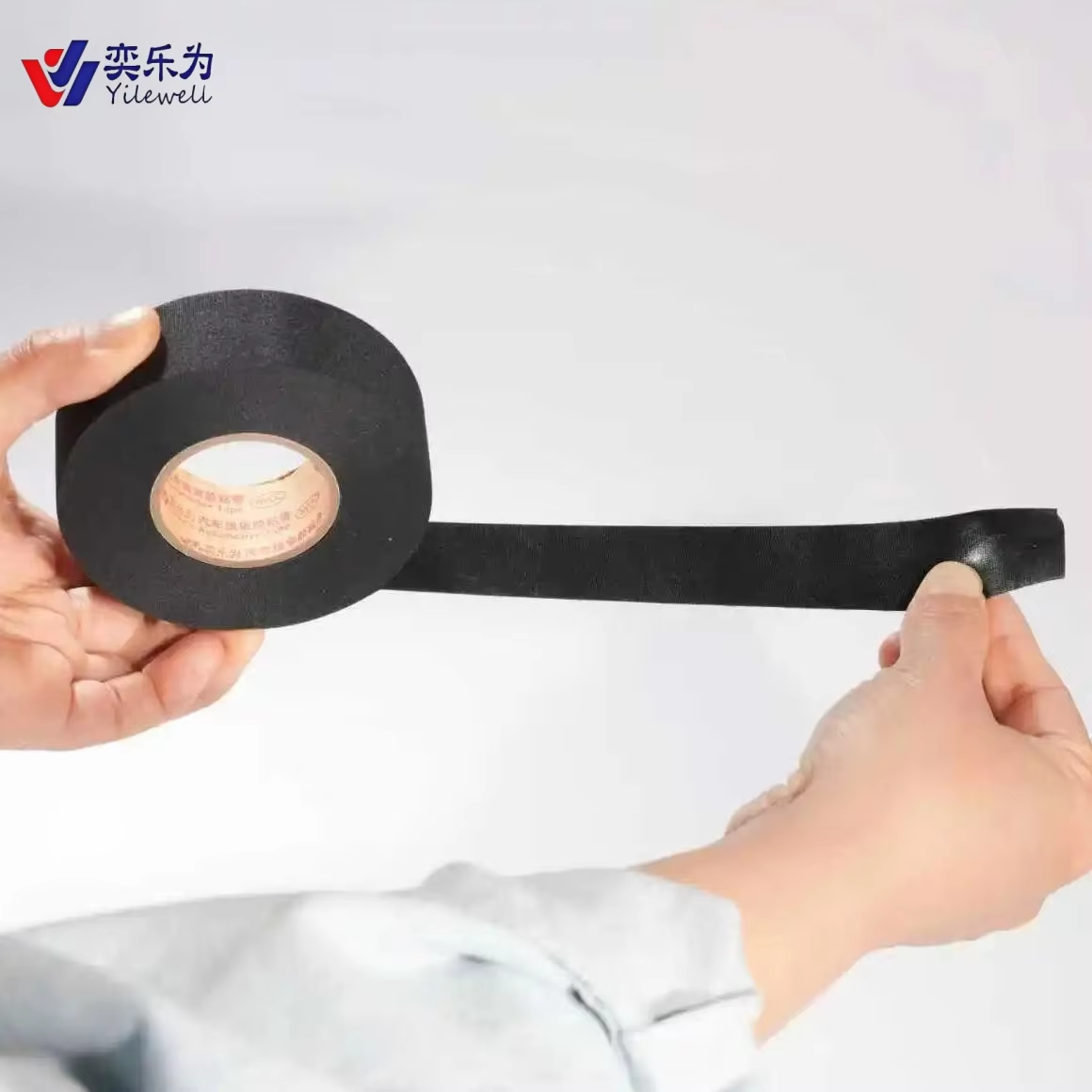
Industrial grade cloth tape serves as a critical fastening and protection solution across diverse manufacturing environments, where conventional adhesive products often fail to meet demanding performance requirements. This specialized tape combines woven fabric backing with aggressive adhesive formulations to deliver superior tensile strength, conformability, and environmental resistance in applications ranging from automotive assembly to heavy machinery maintenance. Understanding the specific applications where industrial grade cloth tape excels enables factory managers and maintenance professionals to optimize material selection, reduce downtime, and improve operational efficiency across production lines.
The versatility of industrial grade cloth tape stems from its engineered construction, which typically features polyester, cotton, or fiberglass fabric substrates coated with rubber-based or acrylic adhesives designed for industrial conditions. Factories across multiple sectors depend on this material for applications requiring immediate adhesion, hand-tearability, and reliable performance under stress conditions including vibration, temperature fluctuation, and exposure to oils or solvents. This article examines the most common factory applications where industrial grade cloth tape proves indispensable, detailing specific use cases, performance characteristics, and implementation considerations that distinguish this material from alternative bonding and protection solutions.
Automotive Manufacturing and Assembly Applications
Wiring Harness Bundling and Protection
Automotive production facilities extensively utilize industrial grade cloth tape for organizing and protecting complex wiring harness systems that run throughout vehicle chassis and interior assemblies. The tape's conformability allows technicians to wrap irregular bundle shapes while maintaining consistent compression, preventing wire chafing against metal edges and securing cables against vibration-induced movement. Industrial grade cloth tape designed for harness applications typically features flame-retardant properties and resistance to automotive fluids including engine oils, transmission fluids, and coolants, ensuring long-term reliability in demanding underhood environments.
Assembly line workers prefer industrial grade cloth tape for harness applications because of its hand-tearable nature, which eliminates the need for cutting tools and accelerates installation processes during high-volume production runs. The fabric backing provides sufficient thickness to cushion wire bundles against sharp edges while remaining flexible enough to follow complex routing paths around engine components and through tight chassis spaces. Quality industrial grade cloth tape maintains adhesive performance across temperature ranges from negative forty to over one hundred fifty degrees Celsius, matching the thermal demands of automotive operating conditions.
Paint Masking and Surface Protection During Multi-Stage Processes
Paint shops within automotive factories depend on industrial grade cloth tape to create clean masking lines during multi-color application processes and to protect finished surfaces during subsequent assembly operations. The tape's aggressive adhesive ensures secure attachment to various substrates including primed metal, plastic trim pieces, and glass surfaces, while the fabric backing resists paint bleed-through and provides clean removal without leaving adhesive residue. Automotive-grade formulations of industrial grade cloth tape withstand exposure to paint booth temperatures and resist degradation from solvent-based coatings commonly used in OEM finishing processes.
Beyond masking applications, assembly technicians apply industrial grade cloth tape to protect painted body panels, chrome trim, and glass surfaces during subsequent manufacturing stages where scratching or contamination risks exist. The tape's conformable backing allows application over curved surfaces and compound contours typical of modern vehicle designs, while its tear strength prevents accidental removal during handling. Factories processing hundreds of units daily value the balance between secure adhesion during processing and clean removal that leaves no residue requiring additional cleaning steps.
Component Assembly and Temporary Fixturing
Automotive component assembly stations use industrial grade cloth tape for temporary fixturing of parts during adhesive curing, welding preparation, and mechanical fastening operations. The tape provides sufficient holding force to maintain component alignment while allowing repositioning if necessary, offering flexibility that rigid clamps cannot match for complex assemblies. Industrial grade cloth tape applied to fixture surfaces also protects components from scratches and provides cushioning that prevents deformation of thin-gauge materials during clamping operations.
Seat assembly operations particularly benefit from industrial grade cloth tape for securing foam padding, fabric coverings, and trim pieces during the multi-step construction process. The tape's instant grab eliminates waiting time associated with liquid adhesives, accelerating production throughput while maintaining quality standards. Workers appreciate the tactile feedback and control offered by hand-applied industrial grade cloth tape compared to automated dispensing systems, especially for low-volume or custom interior configurations.
Electronics Manufacturing and Equipment Assembly
Cable Management and Electrical Insulation
Electronics manufacturing facilities employ industrial grade cloth tape for organizing cable assemblies within control panels, machinery enclosures, and electronic equipment housings. The tape's dielectric properties provide electrical insulation while its mechanical strength secures cable bundles against vibration and movement that could stress solder joints or connector terminals. Specialized formulations of industrial grade cloth tape for electronics applications incorporate flame-retardant additives meeting UL recognition standards, ensuring compliance with electrical safety regulations across international markets.
Assembly technicians value industrial grade cloth tape for quick repairs and modifications to existing cable installations, where the tape's conformability allows wrapping around tight bend radiuses without bulk accumulation. The fabric backing dissipates heat more effectively than solid plastic tapes, preventing hot spots in high-current applications where cable bundling could otherwise create thermal management challenges. Quality industrial grade cloth tape maintains dielectric strength even after prolonged exposure to elevated temperatures common in enclosed electronic equipment operating continuously.
Component Positioning During PCB Assembly
Printed circuit board assembly operations use industrial grade cloth tape to temporarily secure components during wave soldering, reflow processes, and automated testing procedures. The tape withstands brief exposure to solder pot temperatures and reflow oven profiles without adhesive degradation or residue transfer that could contaminate circuit boards. Industrial grade cloth tape applied to board edges or non-critical surfaces prevents component shift during conveyor transport through multiple processing stations, improving yield rates and reducing rework requirements.
Prototype and low-volume PCB assembly particularly benefits from industrial grade cloth tape for holding custom fixtures, test probes, and specialized tooling that would not justify dedicated mechanical clamping systems. Engineers appreciate the flexibility to quickly reconfigure tape-based fixturing as designs evolve, avoiding the lead time and expense associated with machined fixture modifications. The clean removal characteristic of quality industrial grade cloth tape ensures no contamination of circuit boards that must meet stringent cleanliness standards before conformal coating or final assembly.
EMI Shielding and Grounding Applications
Advanced electronics manufacturing incorporates conductive fabric tapes, a specialized category within industrial grade cloth tape, for electromagnetic interference shielding and electrical grounding connections. These tapes feature copper or aluminum foil laminated to fabric backing with conductive adhesive systems, providing both mechanical attachment and electrical continuity. Assembly technicians apply conductive industrial grade cloth tape along seams of equipment enclosures, around display bezels, and over cable entry points to close electromagnetic gaps that could allow interference emission or susceptibility.
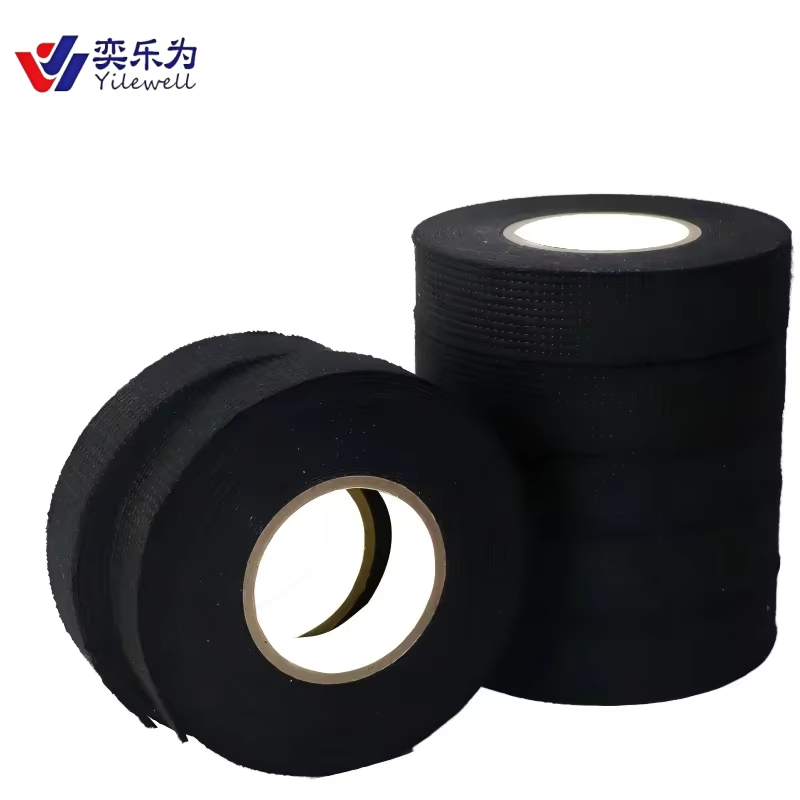
The fabric component of conductive industrial grade cloth tape provides dimensional stability and tear resistance that foil-only tapes lack, preventing accidental punctures during application and subsequent handling. The conformability inherent to cloth backing allows the tape to follow irregular surfaces and bridge small gaps while maintaining electrical contact across the bonded area. Factories producing medical devices, aerospace electronics, and military equipment specify industrial grade cloth tape with documented shielding effectiveness across relevant frequency ranges, ensuring compliance with electromagnetic compatibility requirements.
Heavy Industry and Equipment Maintenance
Pipe and Hose Repair Applications
Maintenance departments in heavy manufacturing facilities keep industrial grade cloth tape readily available for emergency repairs to hydraulic hoses, pneumatic lines, and process piping. The tape's aggressive adhesive and high tensile strength enable technicians to create temporary pressure-containing wraps over pinhole leaks or abraded hose sections, maintaining production while permanent repairs are scheduled. Industrial grade cloth tape formulated for fluid system applications resists petroleum products, hydraulic fluids, and process chemicals, preventing adhesive degradation that would cause repair failure.
Field maintenance teams appreciate the portability and instant readiness of industrial grade cloth tape compared to clamp-based repair systems that require specific sizing and threaded fasteners. A single roll of industrial grade cloth tape serves multiple repair scenarios across different pipe diameters and hose types, reducing the inventory burden for maintenance supply rooms. The fabric backing provides sufficient thickness to smooth minor surface irregularities and creates a mechanical barrier that protects underlying damage from further progression until permanent repair or replacement occurs.
Abrasion Protection for Moving Components
Industrial machinery with sliding, rotating, or reciprocating components benefits from strategic application of industrial grade cloth tape to prevent wear at contact points and guide surfaces. Conveyor system maintenance personnel wrap industrial grade cloth tape around guide rails at positions where packages or materials create sliding friction, extending component life and reducing downtime from wear-related adjustments. The tape's fabric construction distributes contact forces over a broader area compared to bare metal surfaces, reducing localized wear rates.
Mining equipment, agricultural machinery, and material handling systems operating in abrasive environments use industrial grade cloth tape as sacrificial protection for hydraulic cylinder rods, linear bearing shafts, and other precision surfaces exposed to dust and particulate contamination. Maintenance technicians replace worn tape layers during routine service intervals, preserving the underlying component surfaces that would otherwise require expensive refinishing or replacement. Quality industrial grade cloth tape maintains adequate adhesion despite dust accumulation and provides visual indication when replacement becomes necessary through progressive wear of the fabric backing.
Corrosion Prevention and Environmental Sealing
Coastal manufacturing facilities and plants with high-humidity environments apply industrial grade cloth tape to protect threaded fasteners, electrical terminations, and machined surfaces from corrosion during storage or between service intervals. The tape creates a moisture barrier while allowing some vapor transmission, preventing condensation accumulation that accelerates corrosion in sealed environments. Industrial grade cloth tape formulated with corrosion inhibitors in the adhesive provides additional protection beyond simple moisture exclusion.
Equipment stored outdoors or in uncontrolled environments receives industrial grade cloth tape wrapping over vulnerable components including hydraulic fittings, electrical connectors, and precision measurement instruments. The tape's UV resistance prevents deterioration during extended outdoor exposure, maintaining protective integrity until equipment returns to service. Maintenance planners value industrial grade cloth tape for its cost-effectiveness compared to purpose-designed protective caps or covers that require management of numerous part numbers for different component configurations.
Packaging and Material Handling Operations
Carton Sealing and Reinforcement
Shipping departments and packaging lines use industrial grade cloth tape for sealing heavy-duty corrugated containers exceeding the weight capacity of standard packaging tapes. The tape's superior tensile strength and aggressive adhesive prevent package opening during rough handling conditions encountered in freight transport. Industrial grade cloth tape applied in cross-patterns over carton flaps distributes stress across a broader area, preventing concentration at single stress points that could lead to package failure.
Export packaging operations particularly value industrial grade cloth tape for containers exposed to extreme temperature variations and humidity levels during international shipping. The tape maintains adhesion across temperature ranges that cause standard tapes to fail, ensuring package integrity from factory loading through final destination delivery. Quality industrial grade cloth tape resists splitting along the backing even when packages sustain impact damage, maintaining closure security despite carton deformation.
Pallet Stabilization and Load Securing
Warehousing operations apply industrial grade cloth tape to secure stretch wrap ends, reinforce pallet corners, and create handles on wrapped loads for manual handling. The tape's hand-tearable nature accelerates wrapping operations compared to materials requiring cutting tools, improving throughput for high-volume shipping departments. Industrial grade cloth tape adhered to stretch film creates mechanical anchoring points that prevent wrap loosening during transport vibration and handling.
Distribution centers handling mixed product loads use industrial grade cloth tape to secure individual items within palletized shipments, preventing shifting that could damage fragile components or create unstable loads. The tape's conformability allows application over irregular surfaces and around protruding features without losing adhesion. Logistics managers appreciate the visibility of industrial grade cloth tape for quality verification, as properly applied tape indicates attention to load security procedures.
Label Protection and Surface Identification
Material handling operations protect printed labels, barcodes, and shipping documentation by covering them with transparent or translucent industrial grade cloth tape that prevents abrasion and moisture damage during transit. The tape's clarity maintains barcode scannability while providing mechanical protection against scraping and tearing that renders labels unreadable. Industrial grade cloth tape applied over labels conforms to curved surfaces and withstands repeated handling without lifting, ensuring information remains secure throughout the distribution chain.
Manufacturing facilities use colored industrial grade cloth tape for visual identification of material flow paths, hazard zones, and equipment status indicators on factory floors. The tape's durability under foot traffic and equipment movement provides longer service life compared to painted markings, reducing maintenance frequency for floor marking systems. Different colors of industrial grade cloth tape enable implementation of visual management systems including 5S organization, kanban material replenishment triggers, and safety zone demarcation.
Specialized Industrial Applications
Aerospace Manufacturing and Composite Fabrication
Aerospace component manufacturing employs industrial grade cloth tape specifically formulated for composite layup operations, where the tape secures vacuum bag edges, temporary tooling, and breather material during autoclave curing cycles. These specialized formulations withstand elevated cure temperatures and pressures without adhesive migration that could contaminate composite parts. Industrial grade cloth tape designed for aerospace applications meets stringent outgassing requirements ensuring no volatile compounds transfer to composite surfaces during processing.
Aircraft assembly stations use industrial grade cloth tape for temporary protection of machined surfaces, precision tooling holes, and composite edges during subsequent manufacturing operations. The tape's clean removal characteristic prevents contamination of surfaces requiring subsequent bonding operations, where even trace adhesive residue could compromise bond strength. Quality control procedures in aerospace manufacturing specify industrial grade cloth tape with documented residue-free removal after specified dwell times and temperature exposures.
Textile and Garment Manufacturing
Garment factories apply industrial grade cloth tape for pattern securing, fabric layup, and temporary seaming during prototype development and small-batch production runs. The tape's fabric-to-fabric bonding capability provides secure attachment without damaging delicate materials, allowing repositioning during pattern adjustments. Industrial grade cloth tape used in textile applications features low-tack adhesive formulations that provide sufficient hold during cutting and sewing operations without leaving residue on finished garments.
Upholstery manufacturing and furniture assembly operations use industrial grade cloth tape to secure fabric edges, attach trim pieces, and temporarily position materials during stapling or adhesive application. The tape's instant grab eliminates the need for pins or temporary stitching that would leave permanent holes in finished products. Production managers value the acceleration of assembly processes enabled by industrial grade cloth tape compared to traditional basting methods.
Printing and Graphics Production
Commercial printing operations employ industrial grade cloth tape to mount substrates on flatbed printers, secure materials during die-cutting operations, and attach proofs for client review. The tape's dimensional stability prevents material shift during high-speed printing that could cause registration errors. Industrial grade cloth tape formulated for graphics applications resists solvent exposure from UV-curable inks and cleaning solutions without adhesive softening or delamination.
Large-format printing facilities use industrial grade cloth tape to splice material rolls during continuous printing runs, creating seamless transitions that minimize production interruptions. The tape's strength matches substrate tensile properties, preventing splice failure under web tension forces. Sign fabrication shops apply industrial grade cloth tape for temporary assembly of multi-panel displays and dimensional letter mounting during installation preparation, providing secure positioning that simplifies field assembly operations.
FAQ
What distinguishes industrial grade cloth tape from standard duct tape for factory applications?
Industrial grade cloth tape features engineered fabric backing materials such as polyester or fiberglass rather than the scrim-reinforced polyethylene used in consumer duct tape, providing superior tensile strength, temperature resistance, and dimensional stability under stress. The adhesive systems in industrial grade cloth tape are formulated for specific performance requirements including chemical resistance, high-temperature stability, and clean removal characteristics that standard duct tape does not consistently deliver. Industrial grade cloth tape also maintains performance specifications across defined environmental conditions, whereas consumer-grade products exhibit variable quality and unpredictable performance in demanding factory applications.
How does temperature affect the performance of industrial grade cloth tape in factory environments?
Temperature influences both the immediate adhesive tack and long-term bond strength of industrial grade cloth tape, with most formulations optimized for application within fifteen to thirty-five degrees Celsius but capable of service across much wider ranges once installed. Cold temperatures reduce adhesive flow and initial wet-out on substrates, potentially requiring surface warming or pressure application to achieve proper bonding, while excessive heat can cause adhesive softening that reduces shear strength. Quality industrial grade cloth tape specifies both application temperature windows and service temperature ranges, allowing engineers to select appropriate products for specific thermal environments including freezer storage areas, outdoor equipment, or elevated-temperature processes.
Can industrial grade cloth tape replace mechanical fasteners in permanent assembly applications?
Industrial grade cloth tape serves effectively as a temporary fastening solution or supplementary attachment method but rarely replaces mechanical fasteners in permanent assemblies requiring defined load-bearing capacity or disassembly capability. The tape's performance depends on factors including substrate surface energy, environmental exposure, and stress orientation, creating variability that engineered fasteners avoid through mechanical interlock. However, industrial grade cloth tape excels in applications requiring vibration damping, distributed stress loading, or sealing functions that mechanical fasteners cannot provide, making it complementary rather than directly substitutional in most factory assembly contexts.
What factors determine the appropriate width and thickness of industrial grade cloth tape for specific applications?
Width selection balances coverage area requirements against conformability needs and material cost, with narrower tapes providing better conformance to tight radiuses and complex contours while wider tapes offer more efficient coverage for large surface areas and greater reinforcement strength. Thickness affects both mechanical properties and conformability, with thicker backing materials providing greater puncture resistance and cushioning but reduced flexibility around compound curves. Application requirements including substrate roughness, stress distribution needs, and visibility preferences guide selection from the range of industrial grade cloth tape configurations typically available in widths from twelve to one hundred millimeters and backing thicknesses from point-one to point-five millimeters.
Table of Contents
- Automotive Manufacturing and Assembly Applications
- Electronics Manufacturing and Equipment Assembly
- Heavy Industry and Equipment Maintenance
- Packaging and Material Handling Operations
- Specialized Industrial Applications
-
FAQ
- What distinguishes industrial grade cloth tape from standard duct tape for factory applications?
- How does temperature affect the performance of industrial grade cloth tape in factory environments?
- Can industrial grade cloth tape replace mechanical fasteners in permanent assembly applications?
- What factors determine the appropriate width and thickness of industrial grade cloth tape for specific applications?