 EN
EN


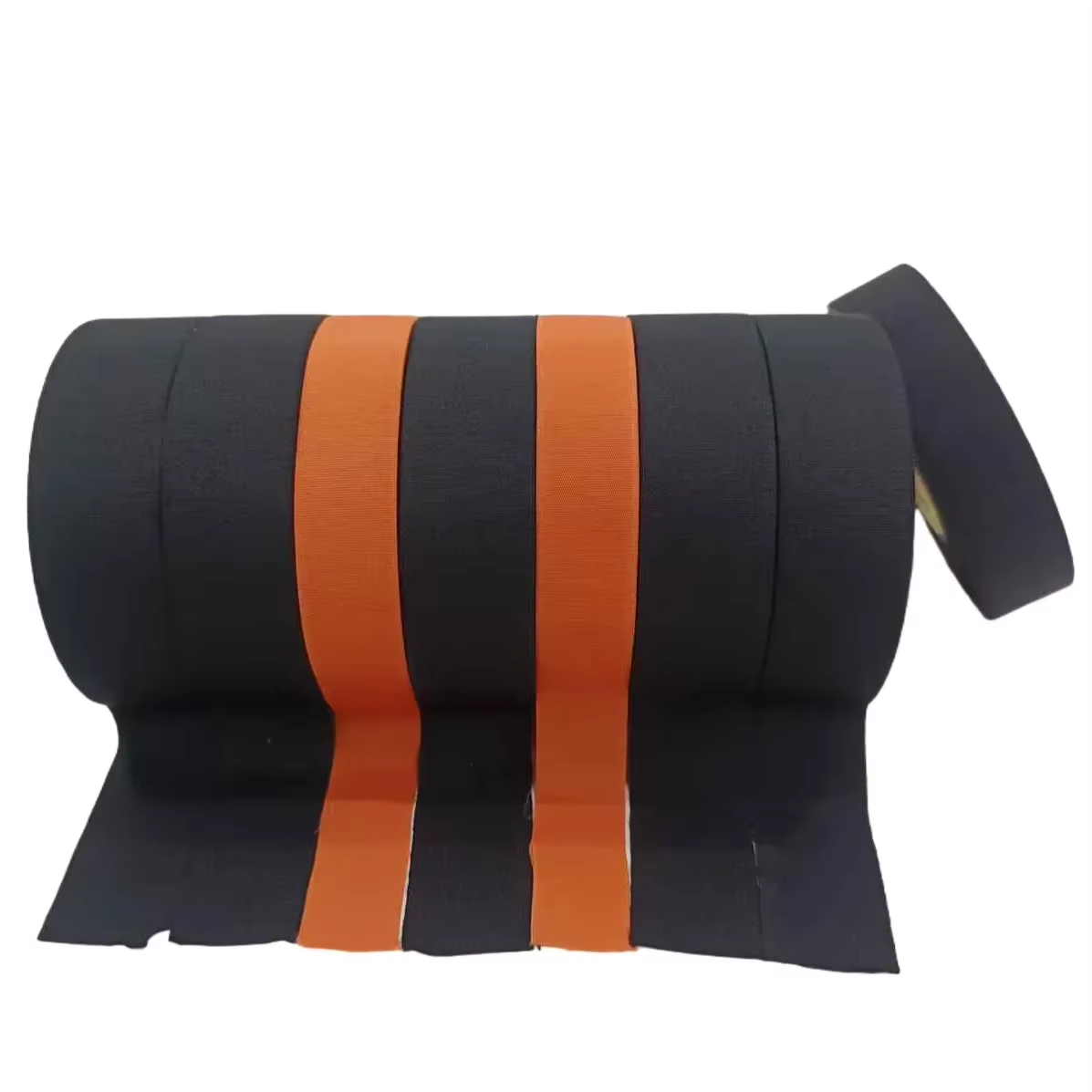
When selecting adhesive solutions for demanding applications, understanding the fundamental differences between industrial grade cloth tape and standard adhesive tapes becomes critical for engineers, procurement specialists, and maintenance teams. While both product categories serve bonding and fastening purposes, the performance gap between industrial grade cloth tape and conventional options can directly impact operational reliability, safety margins, and total cost of ownership. This comparison explores the material science, application performance, and practical trade-offs that distinguish industrial grade cloth tape from standard alternatives across manufacturing, automotive, electrical, and heavy-duty maintenance environments.
The distinction between these tape categories extends beyond simple thickness or adhesive strength. Industrial grade cloth tape incorporates reinforced fabric backing materials, specialized adhesive chemistries, and engineered construction that enable consistent performance under temperature extremes, mechanical stress, chemical exposure, and prolonged service intervals. Standard adhesive tapes, while suitable for general-purpose applications, typically lack the structural integrity and environmental resistance required in industrial settings where failure consequences range from production downtime to equipment damage or safety incidents. Evaluating these differences requires examining backing materials, adhesive formulations, performance metrics, and real-world application scenarios that reveal when each tape type delivers optimal value.
Material Construction and Backing Characteristics
Fabric Backing Composition in Industrial Grade Cloth Tape
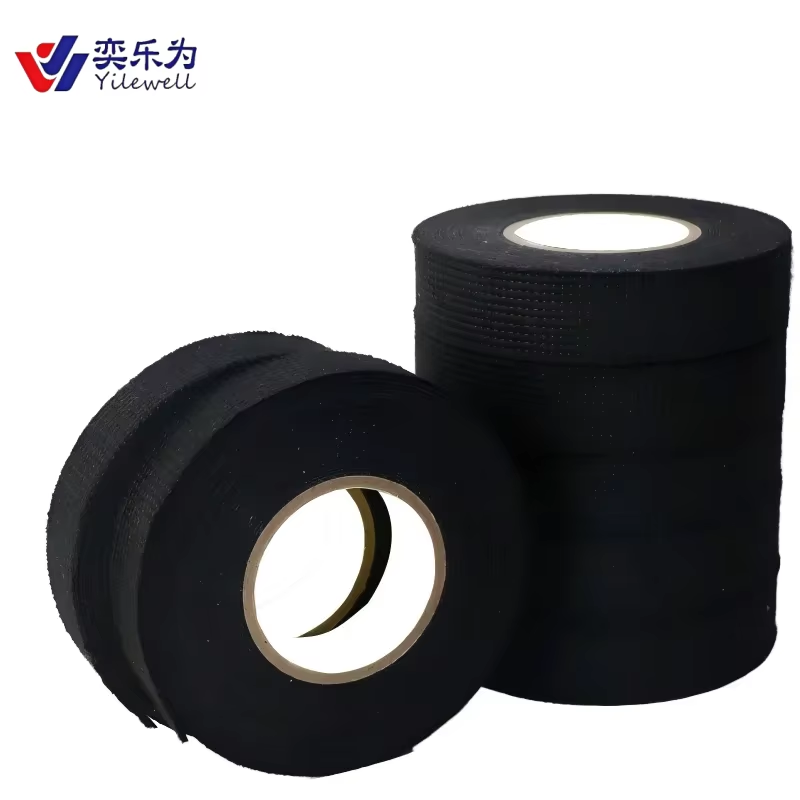
The backbone of industrial grade cloth tape consists of woven or knitted fabric substrates that provide exceptional tensile strength and conformability. Manufacturers typically employ polyester, rayon, fiberglass, or cotton fabric bases that have been treated with chemical coatings to enhance specific properties. Polyester cloth backing delivers superior dimensional stability and temperature resistance up to 150°C, making it ideal for wire harness applications and high-heat environments. Rayon-backed industrial grade cloth tape offers excellent hand-tearability combined with moderate strength, facilitating rapid application in maintenance scenarios. Fiberglass reinforcement creates the highest tensile strength variants capable of withstanding mechanical loads exceeding 100 pounds per inch width, suitable for structural bundling and heavy equipment repair. The fabric weave density directly correlates with tear resistance and conformability, with tighter weaves providing enhanced durability while maintaining flexibility around irregular contours.
Standard adhesive tapes predominantly utilize thin polymer films such as polypropylene, vinyl, or paper as backing materials. These substrates lack the interlocking fiber structure that characterizes cloth construction, resulting in significantly lower tear resistance and mechanical strength. Paper-backed tapes disintegrate when exposed to moisture or abrasion, while thin plastic films stretch excessively under load and lose dimensional integrity. The thickness differential proves substantial, with industrial grade cloth tape typically measuring 0.25mm to 0.40mm compared to standard tape backing thickness of 0.03mm to 0.10mm. This construction difference translates directly to real-world performance, where cloth-backed variants maintain structural integrity under cyclic stress, vibration exposure, and temperature fluctuation that would cause standard tapes to fail within hours or days of application.
Adhesive Chemistry and Bonding Mechanisms
Industrial grade cloth tape employs aggressive adhesive formulations engineered for long-term bonding to challenging substrates including metals, rough plastics, powder-coated surfaces, and contaminated materials. Rubber-based adhesives dominate this category, offering excellent initial tack combined with high shear strength and temperature resistance. Natural rubber compounds provide superior adhesion to low-surface-energy materials and maintain flexibility across temperature ranges from -30°C to 80°C. Synthetic rubber adhesives enhance chemical resistance and aging characteristics, extending service life in automotive underbody applications, industrial wire management, and outdoor equipment repair. Acrylic adhesive variants sacrifice some initial tack for exceptional UV resistance and oxidation stability, making them preferred for permanent installations exposed to sunlight or weathering.
Standard adhesive tapes typically utilize water-based acrylic or hot-melt adhesives optimized for cost efficiency rather than performance extremes. These formulations deliver adequate bonding to clean, smooth surfaces under controlled environmental conditions but demonstrate limited tolerance for surface contamination, temperature variation, or mechanical stress. The adhesive coating thickness on standard tapes measures 0.02mm to 0.04mm, compared to 0.05mm to 0.08mm on industrial grade cloth tape, directly impacting gap-filling capability and surface irregularity accommodation. Furthermore, standard tape adhesives often incorporate plasticizers that migrate over time, causing adhesive degradation and residue problems. Industrial formulations minimize plasticizer content and incorporate stabilizers that maintain adhesive properties throughout extended service intervals, preventing the adhesive breakdown and substrate staining commonly associated with standard tape products.
Reinforcement Layers and Composite Structures
Advanced industrial grade cloth tape incorporates multi-layer construction that combines fabric backing with intermediate reinforcement layers and specialized coatings. Filament reinforcement threads embedded longitudinally through the tape provide extreme tensile strength without sacrificing flexibility, enabling secure bundling of wire harnesses, cable assemblies, and hose groupings that experience constant vibration. Abrasion-resistant topcoats protect the fabric surface from mechanical wear in applications where the tape exterior contacts moving components or abrasive materials. Moisture-barrier layers prevent water ingress that could compromise adhesive bonding or cause corrosion of protected substrates, critical for automotive applications and outdoor equipment installations.
Standard adhesive tapes lack these sophisticated construction features, relying solely on a single backing layer and adhesive coating. This simplified structure reduces manufacturing costs but eliminates performance capabilities essential for industrial applications. Without reinforcement fibers, standard tapes stretch permanently under sustained loads, causing bundled items to loosen or protective wraps to gap. The absence of protective coatings leaves backing materials vulnerable to UV degradation, solvent exposure, and mechanical damage. When comparing industrial grade cloth tape against standard alternatives in field conditions, the composite construction advantage becomes immediately apparent through superior durability, maintained adhesion, and extended replacement intervals that offset higher initial material costs.
Performance Characteristics Under Industrial Conditions
Temperature Resistance and Thermal Cycling Performance
Industrial grade cloth tape demonstrates exceptional performance across extended temperature ranges that would cause immediate failure of standard adhesive products. Quality cloth tapes maintain full adhesive strength and backing integrity from -40°C to 150°C, with specialized variants rated for continuous exposure up to 200°C. This thermal capability proves essential in automotive engine compartments, industrial process equipment, and electrical applications where heat generation occurs during normal operation. The fabric backing resists thermal shrinkage and expansion that causes standard plastic-film tapes to curl, gap, or delaminate during temperature cycling. Testing protocols confirm that industrial grade cloth tape withstands 500+ thermal cycles between -30°C and 100°C without adhesive failure or dimensional change, while standard tapes typically fail within 50 cycles under identical conditions.
Temperature resistance directly impacts application reliability in wire harness protection, where conductor heat generation during electrical load cycles creates challenging conditions. Standard vinyl electrical tapes soften at temperatures above 60°C, allowing adhesive flow and potential short-circuit risks as backing material deforms. industrial grade cloth tape maintains dimensional stability and insulation properties throughout typical automotive underhood temperature ranges, preventing wire abrasion and maintaining electrical isolation. The thermal mass of cloth backing provides additional insulation value compared to thin plastic films, reducing heat transfer to protected components. This performance differential explains why automotive OEMs and industrial equipment manufacturers specify cloth tape for critical wire management applications where standard products cannot meet reliability requirements.
Chemical Resistance and Environmental Durability
Exposure to oils, solvents, coolants, hydraulic fluids, and cleaning agents distinguishes industrial environments from general-purpose applications where standard tapes prove adequate. Industrial grade cloth tape formulations incorporate solvent-resistant adhesives and treated fabric backing that maintain bonding integrity when contaminated by petroleum products, synthetic lubricants, and industrial chemicals. Field testing demonstrates that cloth tape retains 80%+ adhesive strength after 1000-hour immersion in motor oil at 80°C, while standard rubber-adhesive tapes lose adhesion within 48 hours under identical exposure. The fabric backing absorbs minimal liquid compared to paper substrates that disintegrate on contact, and resists swelling better than vinyl films that soften and deform when exposed to aromatic hydrocarbons.
UV resistance represents another critical environmental factor where industrial grade cloth tape outperforms standard alternatives. Outdoor applications including equipment repair, temporary weather protection, and marking applications demand adhesive products that resist photodegradation from sunlight exposure. Cloth tape backing materials incorporate UV stabilizers that prevent fiber degradation and color fading for 12+ months of direct sunlight exposure, compared to 30-90 day outdoor life typical of standard plastic tapes. The adhesive systems used in industrial cloth tape similarly resist UV-induced oxidation that causes standard adhesives to harden, crack, and lose bonding capability. This environmental durability extends to moisture resistance, where industrial grade cloth tape maintains adhesion on wet surfaces and prevents water wicking along the bondline that causes standard tape failure in damp conditions.
Mechanical Strength and Abrasion Resistance
Tensile strength measurements reveal dramatic performance differences between industrial grade cloth tape and standard products. Quality cloth tapes deliver breaking strength values from 25 to 100 pounds per inch width depending on fabric type and reinforcement, compared to 5-15 pounds typical of standard vinyl or polypropylene tapes. This strength advantage enables secure bundling of heavy cable assemblies, hose groupings, and wire harness sections without tape failure during installation or service life. The fabric construction distributes stress across interlocking fibers rather than concentrating loads that cause plastic film tapes to neck down and tear. Elongation characteristics also differ significantly, with industrial grade cloth tape stretching only 5-10% before failure compared to 100-200% elongation of standard tapes that stretch permanently under sustained loads.
Abrasion resistance testing using Taber abrader protocols demonstrates that industrial grade cloth tape backing withstands 500+ cycles before breakthrough, while standard tape backing typically fails within 50-100 cycles. This durability proves critical where tape-protected components experience vibration, contact with adjacent parts, or exposure to particulate contamination. Wire harnesses wrapped with cloth tape maintain insulation integrity and prevent conductor exposure throughout vehicle service life, whereas standard electrical tape abrades through in high-vibration zones, creating potential short-circuit hazards. The superior puncture resistance of fabric backing similarly protects against damage during installation, preventing tears that compromise wrap integrity and allow moisture ingress or contaminant exposure of protected substrates.
Application-Specific Advantages and Use Case Scenarios
Wire Harness Assembly and Electrical Applications
Automotive and industrial wire harness manufacturing represents a primary application domain where industrial grade cloth tape delivers irreplaceable value. The combination of high tensile strength, temperature resistance, and abrasion protection enables secure bundling of multi-conductor assemblies that maintain organization throughout decades of vibration exposure and thermal cycling. Cloth tape conformability allows tight wrapping around irregular harness contours and connector bodies without creating stress points that cause standard tape to pull away. The fabric surface provides superior secondary tape adhesion compared to smooth plastic films, enabling layered wrapping techniques that distribute stress and create protective barriers against abrasion, fluids, and heat radiation.
Electrical insulation applications similarly favor industrial grade cloth tape where voltage isolation, arc resistance, and flame retardancy matter. Treated fabric backing achieves UL recognition for electrical insulation up to 600V, compared to standard vinyl tape rated for 600V but lacking the mechanical protection necessary in industrial installations. The thermal mass and air permeability of cloth construction prevents heat buildup in wrapped conductors, reducing insulation degradation risks compared to impermeable plastic films. Maintenance electricians prefer cloth tape for motor lead connections, splice insulation, and cable repair because the fabric backing tears cleanly by hand, eliminating the need for cutting tools while creating cleaner termination edges than stretchy vinyl tapes that require scissors and leave ragged ends.
Heavy Equipment Maintenance and Repair
Construction equipment, agricultural machinery, and industrial plant maintenance scenarios demand adhesive products that perform reliably under harsh conditions where standard tapes prove inadequate. Industrial grade cloth tape serves as emergency repair material for hydraulic hose protection, temporary pipe wrapping, equipment marking, and protective covering during welding or painting operations. The high-tack adhesive bonds immediately to oily, dusty, or cold surfaces that reject standard tape adhesion, enabling repairs in field conditions without surface preparation. Cloth tape durability withstands the abrasion, impact, and contamination typical of construction sites and production environments where standard tapes deteriorate within hours.
The hand-tearability of industrial grade cloth tape significantly accelerates maintenance operations compared to standard tapes requiring cutting tools. Technicians wrap hose assemblies, bundle cables, and mark components quickly without interrupting workflow to locate scissors or knives. This operational efficiency compounds across thousands of annual maintenance actions, reducing labor costs that offset higher material prices. The cloth backing also eliminates the adhesive residue problems associated with standard tapes, where softened adhesive transfers to tools, gloves, and adjacent surfaces, creating cleanup requirements and contamination issues. When removed, quality cloth tape separates cleanly without leaving sticky residue or requiring solvent cleaning, an advantage appreciated during equipment refurbishment and rework operations.
Automotive Manufacturing and Aftermarket Applications
Automotive OEMs specify industrial grade cloth tape extensively throughout vehicle assembly for wire harness wrapping, sound dampening material attachment, trim component fastening, and protective masking during painting operations. The consistent performance of cloth tape under automotive production conditions—including robotic application, high-speed assembly line movement, and varied ambient temperatures—ensures reliable installation without the application failures common with standard tapes. The temperature resistance of industrial grade cloth tape proves essential in underhood applications where standard vinyl tapes soften and fail, potentially causing wire harness damage, electrical shorts, or component interference that triggers warranty claims.
Aftermarket repair and customization applications similarly depend on industrial grade cloth tape performance characteristics. Professional installers use cloth tape for audio system wire management, lighting circuit protection, engine bay detailing, and restoration projects where durability and appearance matter. The cloth texture and matte finish integrate visually with OEM wire harness wrapping, unlike glossy plastic tapes that highlight repair work. Collision repair shops rely on cloth tape for temporary component protection, wire harness repositioning during panel replacement, and masking applications where the tape must withstand baking temperatures during paint curing without adhesive transfer or backing degradation. These demanding applications reveal why professional technicians maintain cloth tape inventory despite higher costs, recognizing that standard products cannot deliver comparable reliability.
Cost-Benefit Analysis and Total Ownership Considerations
Initial Purchase Price Versus Long-Term Value
Purchase price comparisons show industrial grade cloth tape costing 3-5 times more than standard adhesive tapes of similar dimensions, creating initial sticker shock for procurement teams focused solely on material costs. However, total cost analysis reveals that application-appropriate tape selection dramatically impacts overall project economics through reduced labor, eliminated rework, and prevented failures. A single wire harness rewrap caused by standard tape failure in an automotive underhood application consumes 2-3 hours of technician labor plus vehicle downtime, costs far exceeding the price differential between tape products. Similarly, equipment damage resulting from inadequate hose protection or electrical failures caused by inferior insulation tape generates repair costs and production losses orders of magnitude greater than tape material savings.
Service life comparisons further justify industrial grade cloth tape investment. Applications properly executed with cloth tape typically deliver 10-20 year service intervals matching equipment lifespan, while standard tape installations often require replacement within 1-3 years as adhesive fails, backing deteriorates, or mechanical damage compromises performance. The labor cost of repetitive rewrapping operations quickly overwhelms any material cost advantage of cheaper products. Industrial facilities implementing tape standardization programs report 40-60% reduction in maintenance labor hours by converting wire management and equipment marking applications from standard to industrial grade cloth tape, while simultaneously improving reliability and reducing unplanned downtime from tape-related failures.
Performance Reliability and Failure Prevention
Risk management perspectives emphasize how industrial grade cloth tape selection prevents costly failures rather than simply providing superior performance. Wire harness applications using inadequate standard tape create electrical short-circuit risks, potential fire hazards, and electronic system damage when abraded conductors contact ground paths. The cost of a single vehicle fire, production equipment failure, or safety incident dwarfs any conceivable tape material savings across thousands of proper applications. Quality and reliability engineers specify industrial grade cloth tape not because standard products never work, but because the consequences of tape failure in critical applications justify the modest incremental material investment.
Regulatory compliance considerations also favor industrial grade cloth tape in applications subject to industry standards or customer specifications. Automotive OEM supplier requirements, aerospace manufacturing protocols, and industrial electrical codes often mandate specific tape performance characteristics including temperature ratings, flame resistance, and mechanical properties achievable only with industrial grade products. Using non-compliant standard tapes creates audit findings, rejected assemblies, and potential liability exposure that far outweigh material cost savings. Professional installers and manufacturers recognize that tape selection represents a minor cost element within total assembly value, making performance reliability and specification compliance more important than marginal material cost optimization.
Application Efficiency and Operational Productivity
Installation productivity differences between industrial grade cloth tape and standard alternatives impact labor costs significantly in high-volume manufacturing and maintenance operations. The superior initial tack of cloth tape adhesive enables one-handed application and immediate bonding without the repositioning and smoothing required with weaker-adhesive standard products. Hand-tearability eliminates tool requirements and accelerates wrap completion, reducing cycle time in assembly operations where seconds per unit compound to substantial productivity differences across production shifts. The conformability of fabric backing allows rapid wrapping of irregular contours without the edge lifting and bubble formation common with stiff plastic film tapes that require careful application technique.
Rework elimination represents another productivity advantage where industrial grade cloth tape reduces defects and quality escapes. Standard tape installations frequently require correction when adhesive fails during subsequent assembly steps, backing tears during handling, or insufficient strength allows wrapped components to loosen. Each rework incident consumes direct labor plus indirect costs including material waste, production flow disruption, and quality inspection time. Facilities tracking defect rates report 80-90% reduction in tape-related assembly defects after transitioning from standard to industrial grade cloth tape in critical applications. This quality improvement translates directly to labor cost savings and throughput gains that justify premium tape pricing through measurable productivity return on investment.
Selection Criteria and Application Decision Framework
Matching Tape Properties to Application Requirements
Effective tape selection requires systematic evaluation of application conditions against product performance characteristics. Temperature exposure represents the primary screening criterion, where applications experiencing heat above 60°C or cold below 0°C immediately eliminate standard adhesive tapes from consideration. Industrial grade cloth tape becomes mandatory for automotive underhood applications, industrial process equipment, outdoor installations, and any scenario involving thermal cycling. Mechanical stress evaluation follows, assessing whether wrapped components experience vibration, tensile loads, or abrasion that would challenge standard tape durability. Wire harness bundling, heavy cable management, and applications involving moving parts typically demand cloth tape strength and abrasion resistance.
Chemical exposure assessment identifies applications where petroleum products, solvents, coolants, or cleaning agents contact tape surfaces. Any regular fluid exposure justifies industrial grade cloth tape selection due to superior chemical resistance compared to standard products that soften, swell, or lose adhesion when contaminated. Environmental factors including UV exposure, moisture, and contamination levels further influence tape choice, with outdoor applications and dirty industrial environments favoring cloth tape durability. Application permanence also matters, where temporary applications measured in days or weeks may accept standard tape performance, while installations intended for months or years require industrial grade products to avoid premature failure and replacement labor.
Cost-Justification Methodology for Specification Decisions
Engineering teams facing procurement pressure to use lower-cost standard tapes should employ structured cost-justification analysis quantifying total ownership differences. Labor cost calculation multiplies installation time by burdened technician hourly rates, comparing efficient industrial grade cloth tape application against slower standard tape handling and higher rework rates. Service life projection estimates replacement intervals for each product type, calculating the present value of future labor and material costs using appropriate discount rates. Failure consequence assessment estimates probability and cost of performance-related failures including equipment damage, production downtime, safety incidents, and warranty claims, assigning economic values to reliability differences.
This analytical framework typically demonstrates that industrial grade cloth tape delivers lower total cost of ownership despite higher purchase prices in applications involving skilled labor, harsh environments, or significant failure consequences. A wire harness application requiring 5 minutes installation labor at $75/hour burdened rate incurs $6.25 labor cost regardless of tape selection. If industrial grade cloth tape costing $2 per application delivers 15-year service life while $0.40 standard tape requires replacement every 2 years, the cloth tape generates net savings of $30+ through eliminated rewrap labor over equipment lifespan. Including failure risk quantification strengthens the economic case further, demonstrating that specification decisions should optimize total cost and risk rather than simply minimizing material purchase price.
Hybrid Approaches and Application-Specific Optimization
Sophisticated tape management strategies employ application-specific selection logic rather than universal standardization on either industrial or standard products. Critical applications involving high temperatures, mechanical stress, chemical exposure, or significant failure consequences receive industrial grade cloth tape regardless of cost differential. General-purpose applications in benign environments with minimal consequences and short service requirements utilize standard tapes appropriately, capturing cost savings where premium performance provides no practical benefit. This segmented approach optimizes total material spending while ensuring reliability where it matters most.
Maintenance organizations implement this strategy through tape classification systems designating specific product types for defined application categories. Color-coding schemes and storage organization prevent incorrect product selection, ensuring technicians apply industrial grade cloth tape to wire harness repairs, high-temperature applications, and outdoor installations while reserving standard tapes for labeling, light bundling, and temporary fastening tasks. Training programs educate personnel on selection criteria and application techniques appropriate for each product type. This systematic approach captures the cost-efficiency of standard tapes where suitable while preventing the false economy of using inadequate products in demanding applications where only industrial grade cloth tape delivers acceptable performance and reliability.
FAQ
What makes industrial grade cloth tape stronger than standard adhesive tape?
Industrial grade cloth tape derives superior strength from woven or knitted fabric backing constructed with high-tenacity fibers such as polyester, rayon, or fiberglass. This textile structure creates interlocking fiber networks that distribute tensile loads across the material width, delivering breaking strengths from 25-100 pounds per inch compared to 5-15 pounds typical of standard plastic film tapes. The fabric backing thickness of 0.25-0.40mm versus 0.03-0.10mm for standard products provides additional structural rigidity and puncture resistance. Industrial cloth tape also employs thicker adhesive coatings formulated with aggressive rubber-based chemistries that bond more securely to challenging surfaces, contributing to overall assembly strength that prevents failure under mechanical stress, vibration, and temperature cycling that quickly defeats standard tape products.
Can standard adhesive tape be used instead of industrial grade cloth tape to reduce costs?
Standard adhesive tape can substitute for industrial grade cloth tape only in applications with benign operating conditions including moderate temperatures (-10°C to 50°C), minimal mechanical stress, no chemical exposure, and short service life requirements. Using standard tape in demanding industrial applications creates significant failure risks including premature adhesive loss, backing deterioration, and inadequate mechanical protection that leads to component damage, production downtime, and safety hazards. The labor cost of repeated rewrapping when standard tape fails, combined with potential equipment damage and warranty claims, typically far exceeds any material cost savings. Total cost analysis consistently demonstrates that industrial grade cloth tape delivers lower ownership costs in applications involving skilled installation labor, harsh environments, or consequences beyond simple tape replacement, making specification decisions based solely on purchase price economically counterproductive.
How long does industrial grade cloth tape maintain performance compared to standard products?
Industrial grade cloth tape typically delivers service life of 10-20 years in properly specified applications, matching or exceeding the lifespan of equipment and assemblies where installed. The combination of UV-stabilized fabric backing, oxidation-resistant adhesive formulations, and robust construction enables cloth tape to withstand prolonged environmental exposure, temperature cycling, and mechanical stress without significant degradation. Standard adhesive tapes generally require replacement within 1-3 years as plastic backing becomes brittle from UV exposure, adhesives harden and lose bonding strength, and thin construction fails under mechanical wear. Accelerated aging testing demonstrates that industrial grade cloth tape retains 80%+ of initial adhesive strength after 5000 hours at 80°C, while standard vinyl tape loses adhesive integrity within 500 hours under identical conditions, quantifying the dramatic durability advantage that justifies higher initial material costs through extended replacement intervals.
Which industries and applications most commonly require industrial grade cloth tape instead of standard options?
Automotive manufacturing represents the largest consumer of industrial grade cloth tape for wire harness wrapping, sound dampening attachment, and component protection in underhood and underbody environments where temperature extremes, vibration, and chemical exposure eliminate standard tape viability. Electrical and electronics manufacturing similarly depend on cloth tape for cable bundling, motor lead insulation, and transformer assembly where temperature resistance and mechanical strength prove essential. Heavy equipment manufacturers including construction machinery, agricultural equipment, and industrial plant installations use cloth tape extensively for hydraulic hose protection, cable management, and maintenance applications. Aerospace, marine, and transportation industries specify industrial grade cloth tape where regulatory compliance, harsh operating conditions, and high failure consequences demand superior performance and reliability unattainable with standard adhesive products designed for general-purpose office and light consumer applications.
Table of Contents
- Material Construction and Backing Characteristics
- Performance Characteristics Under Industrial Conditions
- Application-Specific Advantages and Use Case Scenarios
- Cost-Benefit Analysis and Total Ownership Considerations
- Selection Criteria and Application Decision Framework
-
FAQ
- What makes industrial grade cloth tape stronger than standard adhesive tape?
- Can standard adhesive tape be used instead of industrial grade cloth tape to reduce costs?
- How long does industrial grade cloth tape maintain performance compared to standard products?
- Which industries and applications most commonly require industrial grade cloth tape instead of standard options?