 EN
EN


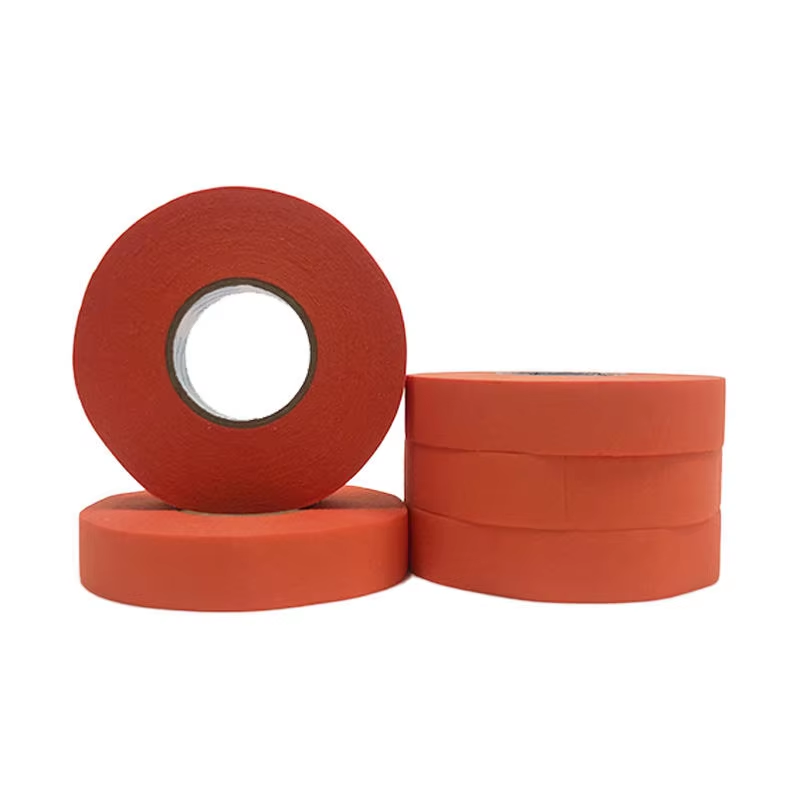
In demanding industrial environments where equipment durability and operational reliability are paramount, selecting the right fastening and protection materials becomes a critical decision. Industrial grade cloth tape has emerged as an indispensable tool across manufacturing facilities, automotive production lines, construction sites, and heavy machinery maintenance operations. Unlike consumer-grade adhesive products that fail under stress, this specialized tape delivers consistent performance in conditions that would compromise ordinary materials. Understanding why industrial grade cloth tape has become essential for heavy-duty applications requires examining its unique engineering properties, performance characteristics under extreme conditions, and the specific operational challenges it addresses in professional settings.
The necessity of industrial grade cloth tape in heavy-duty applications stems from its ability to withstand mechanical stress, temperature extremes, chemical exposure, and prolonged operational cycles that would destroy standard adhesive solutions. Manufacturing engineers and maintenance professionals rely on this material because it provides a balance of strength, conformability, and adhesion that cannot be replicated by plastic films, paper-backed tapes, or temporary bonding solutions. As industries push equipment harder and demand longer service intervals, the role of robust fastening materials becomes increasingly critical to preventing downtime, protecting sensitive components, and maintaining safety standards in challenging work environments.
The Engineering Foundation Behind Industrial Strength Performance
Material Construction and Substrate Technology
The exceptional performance of industrial grade cloth tape begins with its multilayer construction that combines a woven fabric backing with specialized adhesive formulations. The fabric substrate typically consists of cotton, polyester, or fiberglass threads woven in patterns that provide directional strength while maintaining flexibility. This woven structure creates a material that resists tearing along stress lines yet conforms to irregular surfaces, a combination essential for applications involving complex geometries or movement-prone assemblies. The weave density and thread composition are precisely engineered to match specific application requirements, with heavier weaves providing greater tensile strength for load-bearing uses and finer weaves offering improved surface conformability for detailed wrapping tasks.
The adhesive layer applied to industrial grade cloth tape represents equally sophisticated chemistry designed to create permanent or semi-permanent bonds under adverse conditions. Rubber-based adhesives provide immediate tack and excellent conformability, making them ideal for rough surfaces and cold-temperature applications. Acrylic adhesive systems offer superior aging characteristics, UV resistance, and performance across wider temperature ranges, though they may require initial pressure for optimal bonding. Some specialized formulations incorporate silicone adhesives for extreme temperature applications or when bonding to low-surface-energy materials. The adhesive thickness, coverage pattern, and curing process all influence the final performance characteristics, with manufacturers carefully balancing initial tack, ultimate adhesion strength, and removability based on intended application profiles.
Physical Properties That Define Heavy-Duty Capability
Tensile strength stands as one of the defining characteristics that separates industrial grade cloth tape from lighter-duty alternatives. Quality industrial cloth tapes typically exhibit tensile strengths ranging from fifteen to over fifty pounds per inch of width, allowing them to maintain integrity when subjected to pulling forces, vibration-induced stress, or weight-bearing applications. This strength enables the tape to serve structural functions beyond simple surface bonding, including bundling heavy cable assemblies, reinforcing packaging for industrial components, and providing temporary repair solutions that must hold until permanent fixes can be implemented. The tear resistance inherent in woven fabric construction prevents small nicks or edge damage from propagating across the tape width, a failure mode that rapidly compromises film-based tapes in industrial settings.
Temperature performance separates industrial grade cloth tape from consumer products in critical ways. Standard cloth tapes typically function reliably across temperature ranges from negative twenty to two hundred degrees Fahrenheit, with specialized high-temperature variants extending performance to three hundred degrees or beyond. This thermal stability ensures that the adhesive maintains bonding strength without softening, flowing, or releasing volatile compounds that could contaminate sensitive equipment. The fabric backing resists dimensional changes across temperature swings, preventing the wrinkling, curling, or adhesive squeeze-out that afflicts tapes with thermally unstable backings. For applications near engines, exhaust systems, industrial ovens, or outdoor installations subject to seasonal temperature variations, this thermal performance becomes non-negotiable for maintaining operational reliability.
Conformability and Application Versatility
The unique combination of strength and flexibility in industrial grade cloth tape creates exceptional conformability that proves essential in real-world applications. Unlike rigid fastening systems or stiff adhesive films, cloth tape readily conforms to curved surfaces, wraps around irregular shapes, and accommodates the dimensional variations common in fabricated assemblies. This conformability allows maintenance technicians to create secure, protective wraps around wire harnesses that route through tight spaces, apply protective coverings to threaded connections with complex geometries, and seal joints between components with non-planar mating surfaces. The fabric backing stretches slightly under tension, enabling users to create snug, wrinkle-free applications that maintain contact pressure across the entire bonded area rather than bridging across surface irregularities.
Hand tearability represents another practical advantage that makes industrial grade cloth tape indispensable in field applications where cutting tools may be unavailable or inconvenient to use. The woven fabric structure allows users to initiate a tear at the tape edge and cleanly separate the desired length without scissors, knives, or dispensing equipment. This feature dramatically improves application speed during repetitive tasks, reduces safety risks associated with cutting tools in confined spaces, and enables one-handed application when workers need to maintain position or hold components during installation. The clean tear edge created by quality industrial cloth tape prevents fraying or adhesive strings that could interfere with subsequent wrapping layers or contaminate nearby surfaces with adhesive residue.
Critical Applications Where Industrial Grade Cloth Tape Proves Essential
Automotive and Transportation Industry Uses
Within automotive manufacturing and vehicle maintenance operations, industrial grade cloth tape serves numerous critical functions that directly impact product quality and operational safety. Wire harness wrapping represents one of the most demanding applications, where tape must protect sensitive electrical conductors from abrasion, heat, moisture, and chemical exposure throughout the vehicle's service life. The industrial grade cloth tape used in automotive harness applications typically features polyester fabric backings for enhanced heat resistance, specialized adhesives that resist automotive fluids, and constructions that minimize noise generation from harness movement during vehicle operation. Assembly line workers rely on the hand tearability and conformability of these tapes to quickly create protective wraps around harness branches that route through engine compartments, undercarriage areas, and door panels where environmental exposure is severe.
Beyond wire harness protection, automotive applications for industrial cloth tape include temporary masking during painting operations, bundling and securing components during assembly processes, and providing vibration damping in applications where metal-to-metal contact could generate noise. The tape's resistance to paint solvents, curing ovens, and handling stress makes it suitable for masking applications that plastic tapes cannot survive. Its ability to absorb vibration while maintaining dimensional stability prevents the rattles and squeaks that degrade perceived vehicle quality. Commercial vehicle maintenance operations depend on heavy-duty cloth tape for emergency repairs to air brake lines, temporary securing of damaged components during roadside repairs, and protective wrapping of hydraulic hoses in mobile equipment where replacement parts may not be immediately available.
Manufacturing and Industrial Equipment Maintenance
Manufacturing facilities across industries utilize industrial grade cloth tape for both production processes and maintenance operations that keep production lines running. Equipment assembly applications include securing protective padding during shipping, temporarily holding components in position during welding or fastening operations, and creating moisture barriers on equipment destined for outdoor installation or long-term storage. The tape's strength allows it to replace mechanical fasteners in temporary applications, reducing assembly time and eliminating the need to drill holes or create threaded connections that might compromise component integrity. Production supervisors value the tape's reliability in these roles because application failures can cascade into line stoppages that cost thousands of dollars per minute in lost production capacity.
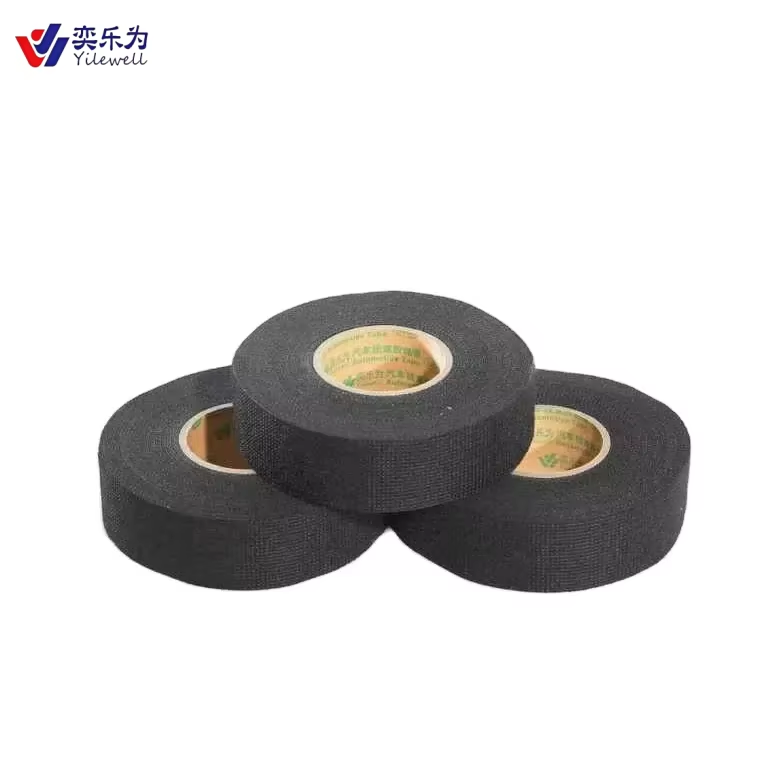
Maintenance applications for industrial grade cloth tape span predictive repairs, protective wrapping, and emergency fixes that extend equipment life between scheduled overhauls. Maintenance technicians wrap hydraulic hoses with cloth tape to protect against abrasion in areas where hoses contact structural members during machine cycling. They apply protective tape layers to pneumatic lines vulnerable to impact damage in high-traffic work areas. When equipment develops leaks in hydraulic systems, compressed air lines, or coolant circuits, industrial cloth tape provides a temporary repair solution that allows production to continue until proper replacement parts arrive and scheduled maintenance windows allow for permanent repairs. The tape's resistance to oils, coolants, and cleaning solvents ensures these temporary repairs remain effective rather than failing immediately upon exposure to the fluids present in industrial environments.
Construction and Building Envelope Applications
Construction professionals employ industrial grade cloth tape in applications ranging from HVAC installation to temporary weatherproofing and equipment protection on active job sites. Ductwork installation relies on cloth tape to seal joints in flexible duct connections, secure vapor barriers, and reinforce transitions between different duct materials. The tape's ability to adhere to dusty surfaces common on construction sites, combined with its resistance to temperature extremes in unconditioned spaces, makes it far more reliable than tapes designed for clean-room conditions. Construction supervisors specify heavy-duty cloth tape for these applications because installation failures discovered after walls are closed or ceilings are finished create expensive remediation situations that impact project schedules and profit margins.
Equipment protection during construction phases represents another critical use where industrial grade cloth tape prevents damage to finished surfaces, mechanical systems, and installed fixtures. Contractors wrap protective coverings around equipment, secure plastic sheeting over windows and doors, and create temporary weather barriers using cloth tape because it provides the strength to resist wind loading and construction activity while remaining removable when protection is no longer needed. The tape's UV resistance allows it to survive weeks or months of sun exposure during extended construction timelines without adhesive degradation that could leave residue on finished surfaces. Job site managers depend on reliable temporary fastening solutions to prevent the rework costs and schedule delays associated with damage to completed work during subsequent construction phases.
Performance Advantages That Justify Industrial Grade Specification
Durability Under Mechanical Stress and Vibration
The mechanical durability of industrial grade cloth tape becomes apparent in applications involving continuous vibration, repeated flexing, or intermittent impact forces that rapidly destroy lesser materials. Industrial machinery generates vibration levels that cause plastic-backed tapes to work loose as adhesive bonds fatigue and rigid backings crack from flexural stress. In contrast, the woven fabric construction of cloth tape absorbs vibration energy through fiber movement within the weave, distributing stress across the material rather than concentrating it at bond lines. This vibration damping characteristic prevents the progressive adhesive failure that leads to tape edge lifting, progressive peeling, and eventual complete bond failure in critical applications.
Applications involving repeated flexing or movement benefit similarly from the inherent toughness of industrial grade cloth tape. Wire harnesses that move with articulating machine members, protective wraps on hydraulic hoses that flex during equipment operation, and bundling applications on moving assemblies all subject tape materials to cyclic bending that induces fatigue in rigid materials. The fabric backing's ability to bend repeatedly without cracking, combined with adhesive formulations that maintain flexibility rather than becoming brittle with age, enables industrial cloth tape to survive millions of flex cycles in applications where film-backed alternatives fail within days or weeks. This durability directly translates to reduced maintenance frequency, lower material consumption, and improved equipment reliability in demanding production environments.
Chemical Resistance and Environmental Stability
Industrial environments expose materials to aggressive chemicals, solvents, oils, and cleaning agents that rapidly degrade adhesives and backings not specifically engineered for chemical resistance. Industrial grade cloth tape formulations incorporate adhesive systems with inherent resistance to hydrocarbon oils, hydraulic fluids, coolants, and many industrial solvents encountered in manufacturing and maintenance applications. The fabric backing resists absorption of liquid chemicals that would saturate paper-backed tapes, preventing the wicking action that draws contaminants under the tape and causes adhesive failure from behind. This chemical resistance ensures that protective wraps maintain integrity when exposed to the fluid leaks, spray mists, and cleaning operations common in production facilities.
Outdoor applications and uncontrolled environments subject materials to UV radiation, moisture cycles, temperature extremes, and atmospheric contaminants that cause rapid deterioration in tapes designed only for indoor use. Quality industrial grade cloth tape incorporates UV stabilizers in both the fabric backing and adhesive layer, preventing the photodegradation that causes yellowing, embrittlement, and adhesive breakdown in unprotected materials. Moisture resistance prevents the dimensional changes and adhesive softening that occurs when water-sensitive materials are exposed to rain, humidity, or condensation. The combination of environmental resistances allows industrial cloth tape to function reliably in applications ranging from outdoor equipment installations to marine environments where material selection directly impacts maintenance costs and operational uptime.
Long-Term Aging Performance and Reliability
The value proposition of industrial grade cloth tape extends beyond initial application performance to encompass long-term aging characteristics that determine total cost of ownership in critical applications. While economy tapes may provide adequate initial bonding, their adhesive systems often undergo chemical changes over time that cause them to harden, become brittle, or lose adhesion strength. Industrial-grade formulations utilize adhesive chemistries with superior aging stability, maintaining flexibility and bond strength over years of service rather than months. This long-term performance stability proves essential in applications where tape replacement requires equipment disassembly, production interruptions, or access to locations that are difficult to reach once installations are complete.
The clean removability of properly specified industrial grade cloth tape represents another long-term performance advantage often overlooked during initial material selection. Despite their strong initial bonds, quality cloth tapes can be removed months or years after application without leaving excessive adhesive residue or damaging underlying surfaces. This characteristic proves valuable during equipment refurbishment, maintenance operations requiring temporary component removal, or situations where protective wraps must be replaced due to physical damage. The ability to remove and replace tape without extensive surface cleaning or adhesive residue removal reduces maintenance labor hours and prevents the surface contamination that can interfere with subsequent adhesive applications or compromise the cleanliness standards required in precision assembly environments.
Selection Criteria and Application Best Practices
Matching Tape Specifications to Application Requirements
Successful implementation of industrial grade cloth tape begins with understanding the specific performance requirements of each application and selecting tape specifications that match those demands. Temperature exposure represents one of the primary selection criteria, with applications near heat sources, in engine compartments, or subject to outdoor temperature extremes requiring tapes rated for the maximum anticipated temperatures plus a safety margin. Applications involving chemical exposure require verification that the tape's adhesive system resists the specific chemicals present in the environment, as resistance varies significantly between different adhesive chemistries. Generic claims of chemical resistance provide insufficient guidance without testing against the actual substances encountered in specific applications.
Tensile strength requirements depend on whether the tape serves primarily as a surface covering, must bundle or secure heavy components, or needs to provide mechanical support during handling and installation. Light-duty applications such as color coding or temporary labels require far less strength than heavy bundling operations or applications where tape must support component weight during assembly. The backing thickness also influences performance, with heavier cloth backings providing greater puncture resistance and abrasion protection but potentially compromising conformability on complex surfaces. Understanding these performance trade-offs allows procurement professionals to select industrial grade cloth tape specifications that deliver required performance without overspecifying features that increase cost without adding value in specific applications.
Surface Preparation and Application Technique
Even the highest quality industrial grade cloth tape cannot deliver optimal performance when applied to improperly prepared surfaces or using techniques that compromise the adhesive bond. Surface cleanliness directly impacts initial adhesion and long-term bond durability, with oils, dust, moisture, and release agents preventing adhesive contact with the substrate. Effective surface preparation involves cleaning with appropriate solvents to remove oils and contaminants, allowing sufficient drying time before tape application, and avoiding surface contact with bare hands after cleaning to prevent skin oil transfer. Applications on porous or rough surfaces may benefit from initial firm pressure to ensure adhesive wets out surface irregularities, with some specifications requiring the use of application rollers or squeegees to achieve proper bonding.
Application technique influences both the immediate quality of tape installation and long-term performance in service. Stretching cloth tape during application can improve conformability and initial contact but may cause the tape to shrink back over time, potentially lifting edges or creating gaps in coverage. Overlapping successive wraps by approximately fifty percent of the tape width ensures continuous protection without gaps while avoiding excessive buildup that creates thick spots in wrapped assemblies. Starting and ending tape applications in locations protected from direct mechanical contact or moisture intrusion improves durability by preventing edge lifting in vulnerable areas. These application best practices, while often overlooked in fast-paced production environments, significantly impact the reliability and service life of industrial grade cloth tape installations.
Storage Conditions and Shelf Life Management
Maintaining the performance characteristics of industrial grade cloth tape requires proper storage conditions and shelf life management practices that preserve adhesive properties until application. Adhesive systems undergo gradual chemical changes even during storage, with exposure to heat accelerating aging processes that can reduce tack, compromise bond strength, or cause adhesive hardening. Optimal storage conditions typically specify temperatures between sixty and eighty degrees Fahrenheit with relative humidity below sixty percent, preventing both heat-accelerated aging and moisture absorption that can affect adhesive chemistry. Storage in original packaging protects tape edges from contamination and prevents dust accumulation on adhesive surfaces that would compromise bonding performance.
Shelf life limitations apply even to high-quality industrial grade cloth tape, with most manufacturers specifying use within one to two years of production for optimal performance. First-in-first-out inventory rotation practices ensure that older stock is consumed before newer material, preventing situations where aged tape with degraded properties is applied to critical applications. Date coding on packaging allows inventory managers to track material age and remove expired stock before it enters production or maintenance operations. Organizations that maintain emergency repair supplies should periodically audit stored tape inventories and replace aged material to ensure that emergency repair capabilities remain effective when needed. These seemingly minor inventory management practices prevent field failures traced to degraded materials and support the reliability that makes industrial grade cloth tape essential for heavy-duty applications.
FAQ
What makes industrial grade cloth tape different from standard duct tape?
Industrial grade cloth tape features engineered fabric backings with controlled weave patterns, specialized adhesive formulations designed for specific performance requirements, and quality control standards that ensure consistent performance across production lots. While consumer duct tape prioritizes low cost and adequate performance for temporary household uses, industrial cloth tape is manufactured to meet specific tensile strength specifications, temperature ranges, chemical resistance profiles, and aging characteristics required in professional applications. The adhesive systems differ significantly, with industrial formulations providing superior resistance to oils, solvents, temperature extremes, and UV exposure compared to general-purpose duct tape adhesives. Industrial specifications also ensure batch-to-batch consistency essential for manufacturing processes where material performance variations could impact product quality or create reliability issues in critical applications.
Can industrial grade cloth tape be used for permanent installations or only temporary applications?
The suitability of industrial grade cloth tape for permanent versus temporary installations depends on the specific tape formulation, application environment, and performance requirements. Many industrial cloth tapes are designed for long-term or permanent installations, particularly those using acrylic adhesive systems that provide excellent aging stability and maintain bond strength over years of service. These tapes serve effectively in permanent wire harness installations, long-term protective wrapping applications, and situations where the tape remains undisturbed throughout the equipment service life. However, applications subject to continuous abrasion, extreme chemical exposure, or mechanical stress may require periodic inspection and replacement even with high-quality materials. The distinction between temporary and permanent use relates more to the expected service environment and performance requirements than to arbitrary time limits, with proper material selection and application technique enabling industrial cloth tape to function reliably for extended periods in appropriate applications.
How do I determine the appropriate tensile strength for my application?
Selecting appropriate tensile strength begins with analyzing the mechanical loads the tape must withstand during application, service, and handling. Applications involving bundling or securing heavy components require calculating the total weight being supported and selecting tape with tensile strength providing adequate safety margin, typically two to three times the calculated load. For applications involving vibration or intermittent stress, consider that cyclic loading can induce fatigue failures at stress levels below static tensile strength ratings. Protective wrapping applications with minimal mechanical loading may function adequately with lighter-duty constructions, while applications where the tape provides structural support during assembly or must resist pulling forces during installation require heavy-duty specifications. When uncertain, testing candidate tapes in actual application conditions provides the most reliable performance verification, revealing potential failure modes not apparent from specification sheets alone.
Does industrial grade cloth tape leave residue when removed, and how can this be managed?
Residue upon removal depends on multiple factors including adhesive type, surface characteristics, installation duration, temperature exposure, and removal technique. Rubber-based adhesives generally provide higher initial tack but may leave more residue than acrylic systems, particularly after extended installation periods or heat exposure. Removing tape slowly at a low angle minimizes adhesive transfer by allowing the adhesive to release cohesively rather than tearing. Applications requiring clean removability should specify tapes designed for this characteristic, often labeled as removable or repositionable grades, though these typically provide lower ultimate adhesion than permanent-bond formulations. When residue does occur, appropriate solvent cleaning using materials compatible with the substrate removes adhesive remnants without surface damage. For critical applications where residue cannot be tolerated, testing removal characteristics under actual service conditions before full implementation prevents difficulties during maintenance operations or equipment refurbishment projects.
Table of Contents
- The Engineering Foundation Behind Industrial Strength Performance
- Critical Applications Where Industrial Grade Cloth Tape Proves Essential
- Performance Advantages That Justify Industrial Grade Specification
- Selection Criteria and Application Best Practices
-
FAQ
- What makes industrial grade cloth tape different from standard duct tape?
- Can industrial grade cloth tape be used for permanent installations or only temporary applications?
- How do I determine the appropriate tensile strength for my application?
- Does industrial grade cloth tape leave residue when removed, and how can this be managed?