 EN
EN


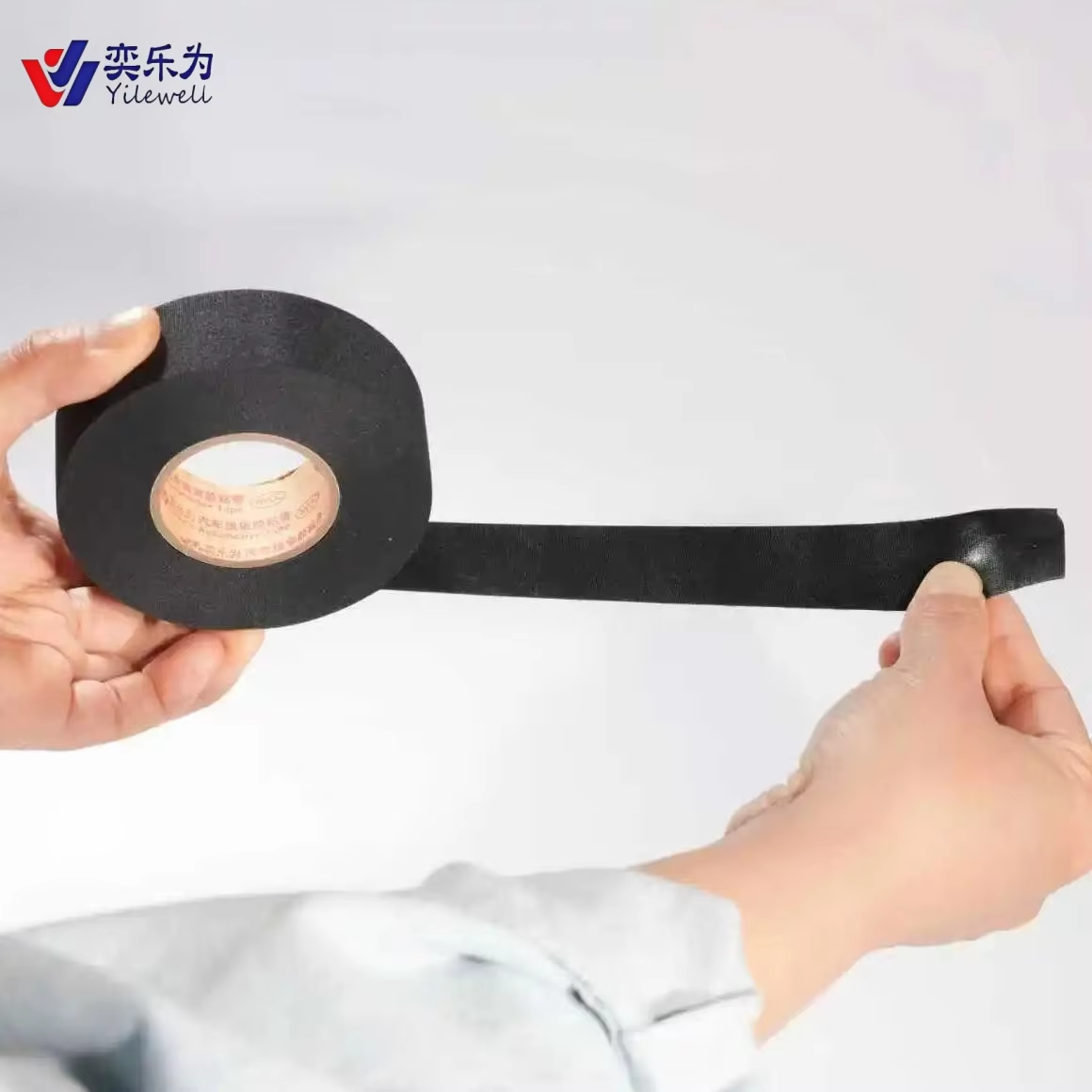
In demanding industrial and automotive environments, the materials used to protect, bundle, and seal components are just as critical as the components themselves. When exposure to elevated temperatures is a constant reality, standard adhesive tapes fail quickly — losing their bond, deforming, or releasing harmful residues. This is precisely where 150°C heat resistant acrylic tape becomes a decisive factor in product durability. Engineered to maintain structural and adhesive integrity at sustained high temperatures, this tape category addresses a real and measurable gap in thermal protection.
Understanding how 150°C heat resistant acrylic tape contributes to long-term product performance requires looking beyond the surface. It is not simply about withstanding heat — it is about preserving the mechanical, electrical, and structural properties of the assemblies it protects over thousands of hours of operation. From automotive wiring harnesses to industrial cable management, the right tape specification can mean the difference between a product that lasts and one that fails prematurely in the field.
The Role of Thermal Stability in Adhesive Tape Performance
Why Standard Tapes Fall Short in High-Temperature Environments
Most general-purpose adhesive tapes are formulated for ambient or mildly elevated temperature conditions. When exposed to sustained heat above 80°C to 100°C, their adhesive layers begin to soften, migrate, or lose cohesive strength. The backing material may shrink, crack, or become brittle, and the bond to the substrate weakens progressively. In applications where heat is cyclical — rising and falling repeatedly — this degradation accelerates significantly.
The consequences of tape failure in a high-temperature assembly are not trivial. In automotive wiring harnesses, for example, a tape that loses its grip allows wire bundles to shift, chafe against metal edges, and eventually short-circuit. In industrial equipment, failed tape protection can expose insulation to abrasion and moisture, leading to premature component failure. These are not hypothetical risks — they are documented failure modes that drive warranty claims and field replacements.
150°C heat resistant acrylic tape is specifically engineered to remain stable across this thermal range. Its acrylic adhesive system is formulated to retain peel strength and shear resistance even after prolonged exposure to temperatures at or near 150°C. This thermal stability is the foundational property that makes it suitable for demanding applications where standard tapes simply cannot perform reliably.
How Acrylic Chemistry Enables High-Temperature Resistance
The choice of acrylic as the adhesive chemistry in 150°C heat resistant acrylic tape is deliberate and technically sound. Acrylic adhesives have a higher glass transition temperature compared to rubber-based adhesives, which means they maintain their viscoelastic properties — the balance between flow and elasticity — at elevated temperatures. This prevents the adhesive from becoming too soft and losing its bond under heat stress.
Acrylic adhesives also demonstrate superior resistance to UV degradation, oxidation, and chemical exposure compared to natural rubber alternatives. In environments where heat is accompanied by oil mist, cleaning solvents, or humidity, the acrylic chemistry provides a more durable and consistent bond over time. This multi-factor resistance is a key reason why 150°C heat resistant acrylic tape is preferred in automotive and industrial specifications that demand long service life.
The cloth backing commonly used in this tape category adds a further dimension of durability. Woven or non-woven cloth substrates provide tensile strength, conformability around irregular surfaces, and resistance to tearing during application and in service. The combination of acrylic adhesive and cloth backing creates a tape system that performs reliably under both thermal and mechanical stress simultaneously.
Key Durability Benefits in Automotive Wiring Harness Applications
Protecting Wire Bundles from Heat-Induced Degradation
Automotive wiring harnesses are among the most thermally demanding applications for adhesive tape. Engine compartments regularly reach temperatures well above 100°C during normal operation, and areas near exhaust systems, turbochargers, or high-power electronics can sustain even higher localized temperatures. 150°C heat resistant acrylic tape is widely specified for harness wrapping in these zones precisely because it maintains its protective function throughout the vehicle's service life.
When applied to wire bundles, 150°C heat resistant acrylic tape serves multiple protective functions simultaneously. It holds the bundle in a defined geometry, preventing individual wires from separating and contacting abrasive surfaces. It provides a thermal barrier that slows heat transfer to the wire insulation. And it contributes to the overall mechanical robustness of the harness by adding tensile and flexural resistance to the bundle assembly.
Over the lifetime of a vehicle — typically ten years or more — the tape must endure thousands of thermal cycles, vibration, and occasional exposure to fluids. 150°C heat resistant acrylic tape that maintains its adhesive bond and backing integrity throughout this period directly contributes to the durability of the entire wiring system. Harness failures are among the most costly and difficult automotive repairs, making tape specification a genuine engineering decision rather than a procurement afterthought.
Reducing Failure Rates Through Consistent Adhesive Performance
One of the less visible but highly significant ways that 150°C heat resistant acrylic tape improves product durability is through consistency. In high-volume manufacturing environments, tape performance variability introduces risk. If adhesive strength varies between rolls or degrades unpredictably under thermal cycling, the resulting harness quality becomes inconsistent — some assemblies will perform well, others will fail earlier than expected.
Acrylic adhesive systems, when properly formulated for the 150°C range, offer a more predictable and stable performance profile than rubber-based alternatives. This consistency translates directly into more uniform product quality across production batches. For automotive OEMs and tier-one suppliers who must meet strict reliability targets, this predictability is a tangible engineering advantage that reduces warranty exposure and field failure rates.
150°C heat resistant acrylic tape also tends to leave cleaner surfaces when removed or when the assembly is disassembled for service. Acrylic adhesives are less prone to leaving sticky residues at elevated temperatures compared to rubber-based systems, which can transfer adhesive to wire insulation and create secondary contamination issues. This clean-removal characteristic supports both manufacturing quality and serviceability over the product's life.
Industrial Applications Beyond Automotive
Cable Management in High-Temperature Industrial Equipment
Beyond automotive, 150°C heat resistant acrylic tape finds broad application in industrial equipment where cable and hose management must withstand sustained thermal exposure. Machinery in sectors such as metalworking, plastics processing, food production, and semiconductor manufacturing routinely operates at elevated ambient temperatures. In these environments, cable bundles routed near heat sources, ovens, or heated platens require tape protection that will not degrade over years of continuous operation.
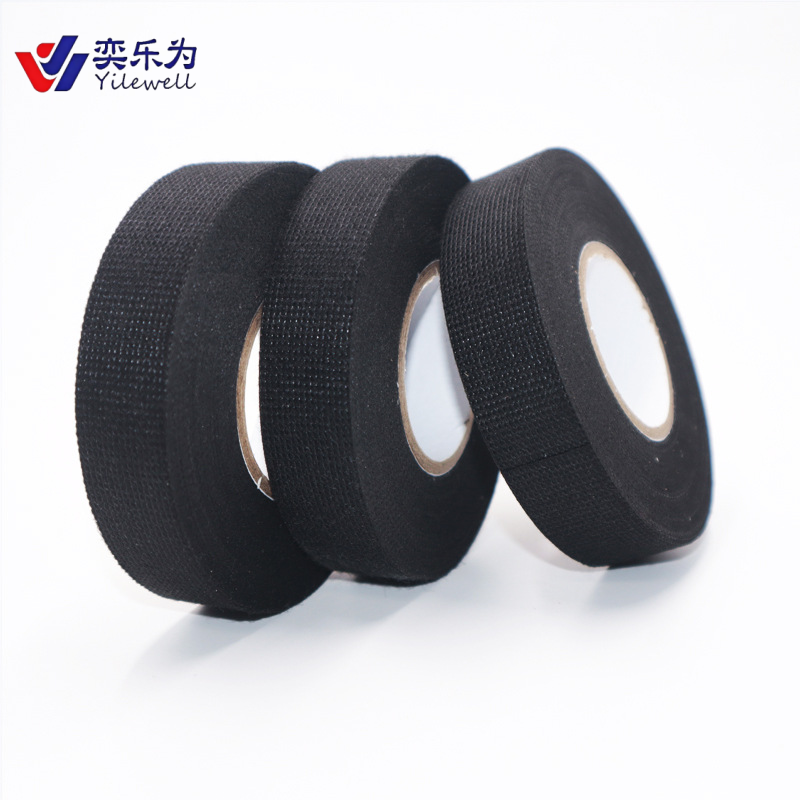
In such settings, 150°C heat resistant acrylic tape provides the same core benefits as in automotive applications — bundle integrity, abrasion protection, and thermal insulation — but must also contend with industrial-scale vibration, chemical exposure, and the need for long maintenance intervals. Industrial equipment is often expected to operate for decades with minimal intervention, placing a premium on materials that do not require periodic replacement due to tape degradation.
The cloth-backed construction of 150°C heat resistant acrylic tape is particularly well suited to industrial cable management because it allows the tape to conform to complex routing paths, wrap tightly around connectors and branch points, and resist the mechanical stresses imposed by vibrating machinery. Its durability in these conditions directly reduces the frequency of maintenance interventions and the associated downtime costs.
Masking and Surface Protection in High-Temperature Processing
150°C heat resistant acrylic tape is also used as a masking tape in manufacturing processes that involve elevated temperatures, such as powder coating, paint baking, and certain soldering or bonding operations. In these applications, the tape must adhere firmly during the process, resist the heat of the oven or curing cycle, and then release cleanly without leaving adhesive residue on the protected surface.
The acrylic adhesive's thermal stability at 150°C ensures that the tape does not bleed adhesive onto the masked surface during the baking cycle, which would contaminate the finish and require costly rework. The backing's dimensional stability prevents the tape from shrinking or lifting at the edges, which would allow process materials to bleed under the mask. These properties make 150°C heat resistant acrylic tape a reliable choice for precision masking in thermally demanding manufacturing processes.
For manufacturers who run high-volume finishing operations, the consistency and reliability of 150°C heat resistant acrylic tape in masking applications translates directly into reduced scrap rates, fewer rework cycles, and more predictable process outcomes. The tape's performance in this role is a direct contributor to product quality and production efficiency.
Selecting and Applying 150°C Heat Resistant Acrylic Tape Correctly
Key Specification Factors to Evaluate
Not all products marketed as heat resistant tape perform equally at 150°C. When evaluating 150°C heat resistant acrylic tape for a specific application, several technical parameters deserve careful attention. Peel adhesion strength — measured at both ambient and elevated temperatures — indicates how well the tape will maintain its bond under thermal stress. Shear resistance at temperature reflects the tape's ability to resist sliding or creep when subjected to sustained load at high temperature.
Backing thickness and tensile strength determine how much mechanical protection the tape provides and how it handles during application. For wiring harness applications, a cloth backing with sufficient tensile strength to resist tearing during hand-wrapping is important for both application efficiency and finished assembly quality. The tape's elongation characteristics affect how well it conforms to curved or irregular surfaces without lifting or wrinkling.
Temperature rating methodology also matters. A tape rated to 150°C should be tested under continuous exposure conditions, not just short-term peak exposure. Understanding whether the rating reflects intermittent or sustained temperature exposure is essential for matching the tape specification to the actual thermal profile of the application. 150°C heat resistant acrylic tape that is properly rated for continuous use provides a much more reliable durability foundation than one rated only for brief thermal excursions.
Application Best Practices for Maximum Durability
Even the best 150°C heat resistant acrylic tape will underperform if applied incorrectly. Surface preparation is a critical factor — the substrate should be clean, dry, and free of oils, dust, or release agents that would interfere with adhesive contact. In automotive harness assembly, this means ensuring that wire insulation surfaces are not contaminated with mold release compounds from the extrusion process.
Application tension and overlap pattern affect both the mechanical protection provided and the thermal performance of the wrapped assembly. Consistent half-lap wrapping, where each pass overlaps the previous by 50%, creates a uniform double layer of protection and ensures that no gaps exist in the coverage. Gaps in tape coverage create thermal and mechanical weak points that can initiate failure under stress.
Initial adhesion development — the time required for the acrylic adhesive to fully wet out and bond to the substrate — should be respected before the assembly is subjected to thermal cycling or mechanical stress. Allowing adequate dwell time after application ensures that the 150°C heat resistant acrylic tape achieves its full rated adhesion before being placed in service, maximizing the durability contribution it provides to the finished product.
FAQ
What makes 150°C heat resistant acrylic tape different from standard masking tape?
Standard masking tape uses rubber-based adhesives and paper backings that are designed for ambient temperature use, typically up to 60°C to 80°C. 150°C heat resistant acrylic tape uses an acrylic adhesive system with a higher thermal stability threshold and a cloth or specialized backing that maintains its structural integrity at sustained temperatures up to 150°C. This makes it suitable for automotive, industrial, and manufacturing applications where standard tape would soften, delaminate, or leave residue.
Can 150°C heat resistant acrylic tape be used in direct contact with exhaust components?
150°C heat resistant acrylic tape is designed for sustained exposure at or near 150°C, which covers many under-hood automotive applications. However, direct contact with exhaust manifolds or turbocharger housings, which can exceed 300°C to 500°C, is outside the rated performance range of this tape. For those extreme-temperature zones, higher-rated thermal insulation materials are required. 150°C heat resistant acrylic tape is best applied to wire harnesses and components routed near — but not in direct contact with — the hottest exhaust surfaces.
How does 150°C heat resistant acrylic tape contribute to product warranty performance?
By maintaining its adhesive bond and backing integrity throughout the product's service life, 150°C heat resistant acrylic tape prevents the secondary failures that arise from tape degradation — wire chafing, bundle displacement, insulation damage, and electrical faults. These failure modes are among the leading causes of warranty claims in automotive and industrial products. Specifying a tape that performs reliably at the actual operating temperature of the assembly reduces the probability of these failures and directly supports longer warranty periods and lower field return rates.
Is 150°C heat resistant acrylic tape suitable for automated harness assembly processes?
Yes, 150°C heat resistant acrylic tape can be used in both manual and automated harness assembly processes, provided the tape's unwind force and dimensional consistency are appropriate for the equipment being used. Automated taping machines require tape that unwinds smoothly and consistently without flagging or telescoping on the roll. When sourcing 150°C heat resistant acrylic tape for automated processes, it is important to verify roll geometry tolerances and unwind force specifications with the supplier to ensure compatibility with the production equipment.
Table of Contents
- The Role of Thermal Stability in Adhesive Tape Performance
- Key Durability Benefits in Automotive Wiring Harness Applications
- Industrial Applications Beyond Automotive
- Selecting and Applying 150°C Heat Resistant Acrylic Tape Correctly
-
FAQ
- What makes 150°C heat resistant acrylic tape different from standard masking tape?
- Can 150°C heat resistant acrylic tape be used in direct contact with exhaust components?
- How does 150°C heat resistant acrylic tape contribute to product warranty performance?
- Is 150°C heat resistant acrylic tape suitable for automated harness assembly processes?