 EN
EN


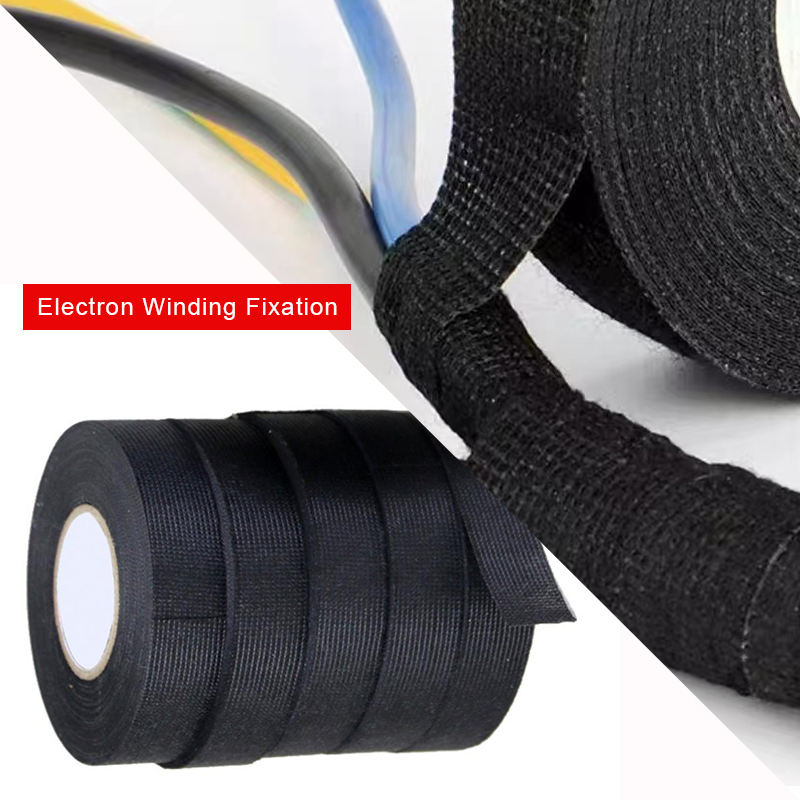
In industrial environments where elevated temperatures are a constant reality, the materials used to protect equipment, wiring, and personnel must be held to the highest standard. heat resistant tape has emerged as one of the most practical and cost-effective tools for managing thermal risks across a wide range of high-temperature processes. From electrical insulation to mechanical bundling, the right tape can mean the difference between a controlled operation and a dangerous failure.
Understanding how heat resistant tape contributes to workplace safety requires looking beyond its basic adhesive function. This material is engineered to maintain structural integrity, insulation performance, and bonding strength even when exposed to sustained heat, moisture, and electrical stress. For engineers, safety managers, and procurement professionals working in demanding industrial settings, selecting and applying heat resistant tape correctly is a decision with real consequences for both operational continuity and worker protection.
The Role of Heat Resistant Tape in High-Temperature Safety
Thermal Insulation and Electrical Hazard Prevention
One of the most critical safety functions of heat resistant tape is its ability to provide reliable electrical insulation in environments where standard tapes would degrade or fail. When wiring and cable assemblies are exposed to high operating temperatures, conventional insulating materials can soften, crack, or lose their dielectric properties, creating serious risks of short circuits, arcing, and electrical fires. Heat resistant tape is specifically formulated to retain its insulating characteristics across a broad temperature range, ensuring that conductors remain safely separated even under thermal stress.
In manufacturing plants, automotive assembly lines, and power distribution facilities, cables often run near heat sources such as motors, transformers, and exhaust systems. Wrapping these cables with heat resistant tape creates a protective barrier that reduces the likelihood of insulation breakdown. This is not merely a precautionary measure — it is a fundamental engineering practice that directly reduces the risk of electrical incidents that could injure workers or damage equipment.
The waterproof properties of high-quality heat resistant tape add another layer of protection. In environments where heat and moisture coexist — such as food processing facilities, chemical plants, or outdoor electrical installations — moisture ingress into cable insulation can accelerate degradation and create conductive pathways. A tape that resists both heat and water simultaneously addresses two of the most common causes of electrical failure in industrial settings.
Mechanical Protection and Abrasion Resistance
Beyond electrical insulation, heat resistant tape plays an important mechanical role in protecting cables, hoses, and components from physical damage in high-temperature zones. Industrial processes often involve vibration, friction, and contact with sharp edges or rough surfaces. Without adequate protection, the outer jackets of cables and hoses can wear through over time, exposing the inner conductors or fluid pathways to heat and contamination.
Applying heat resistant tape over vulnerable sections of wiring harnesses or hydraulic lines creates a durable outer layer that absorbs abrasion and reduces wear. This is particularly valuable in automotive manufacturing, aerospace maintenance, and heavy equipment operation, where cable routing often passes through tight spaces with metal edges. The tape acts as a sacrificial layer, preserving the integrity of the underlying component and extending its service life.
The mechanical bundling function of heat resistant tape also contributes to safety by keeping cable assemblies organized and secure. Loose or unsecured cables in high-temperature areas can shift, contact hot surfaces, or become entangled in moving machinery. Properly applied heat resistant tape keeps bundles tight and routed away from hazards, reducing the risk of accidental contact and making maintenance inspections more straightforward.
How Heat Resistant Tape Reduces Risk in Specific Industrial Processes
Electrical and Electronics Manufacturing
In electrical and electronics manufacturing, heat resistant tape is used extensively during soldering, reflow, and wave soldering processes. Components and circuit boards must be masked or protected from solder splatter, flux, and elevated oven temperatures without the tape leaving adhesive residue or losing its hold. A tape that maintains its bond and protective function throughout these thermal cycles prevents component damage and reduces the rate of defective products reaching the field.
High-voltage insulation is another area where heat resistant tape is indispensable. Transformers, switchgear, and motor windings operate at voltages that demand robust insulation materials. When these components also generate significant heat during operation, the insulation must perform reliably under combined electrical and thermal stress. Heat resistant tape rated for high-voltage applications provides the necessary dielectric strength while withstanding the operating temperatures typical of these devices.
The thin profile of quality heat resistant tape — such as products with a thickness of approximately 0.11mm — allows it to be applied in tight spaces without adding significant bulk to assemblies. This is important in compact electronic enclosures where space is limited and every millimeter matters. Thin, conformable tape can wrap tightly around irregular shapes, ensuring complete coverage without gaps that could become points of failure.
Automotive and Transportation Applications
The automotive industry presents some of the most demanding conditions for heat resistant tape. Engine compartments routinely reach temperatures that would destroy standard adhesive tapes within minutes. Wiring harnesses routed near exhaust manifolds, turbochargers, and catalytic converters must be protected with materials that can withstand continuous exposure to these heat sources without melting, releasing toxic fumes, or losing their insulating properties.
Heat resistant tape used in automotive applications must also resist the oils, fuels, and cleaning solvents that are common in vehicle maintenance environments. A tape that degrades when exposed to these chemicals can fail at a critical moment, leaving wiring unprotected. Selecting a heat resistant tape with appropriate chemical resistance ensures that the protection it provides remains intact throughout the vehicle's service life.
In rail and commercial vehicle applications, heat resistant tape is used to protect wiring in undercarriage and engine bay locations where both heat and vibration are constant factors. The tape must maintain its adhesion and mechanical integrity over thousands of hours of operation, contributing to the long-term reliability and safety of the vehicle's electrical systems.
Selecting the Right Heat Resistant Tape for Safety-Critical Applications
Key Performance Criteria to Evaluate
Choosing the correct heat resistant tape for a specific application requires evaluating several performance parameters beyond simple temperature rating. The dielectric strength of the tape determines how effectively it prevents electrical current from passing through the insulation layer. For high-voltage applications, this value must meet or exceed the requirements of the relevant electrical safety standards. A tape with insufficient dielectric strength may appear to function correctly under normal conditions but fail catastrophically when voltage spikes or fault conditions occur.
Adhesion performance at elevated temperatures is another critical factor. Some tapes maintain strong adhesion at room temperature but lose their bond when heated, allowing the tape to peel away from the surface it was meant to protect. For heat resistant tape to fulfill its safety function, it must remain firmly adhered throughout the full operating temperature range of the application. Testing adhesion at the maximum expected temperature — not just at ambient conditions — is essential before committing to a tape for safety-critical use.
The thickness and conformability of the tape affect both its protective performance and its ease of application. Thicker tapes generally offer greater mechanical protection and insulation, but they may be harder to apply neatly in confined spaces. Thinner tapes are more conformable and easier to wrap around complex geometries, but they may offer less abrasion resistance. Understanding the specific demands of the application helps in selecting the tape thickness that best balances protection and practicality.
Compliance with Safety Standards and Certifications
For heat resistant tape used in regulated industries, compliance with relevant safety standards is not optional. Electrical insulation tapes used in industrial and commercial applications are typically required to meet standards set by organizations such as UL, IEC, or RoHS. These standards define minimum performance requirements for dielectric strength, flammability, temperature resistance, and chemical composition, ensuring that the tape will perform safely under the conditions for which it is rated.
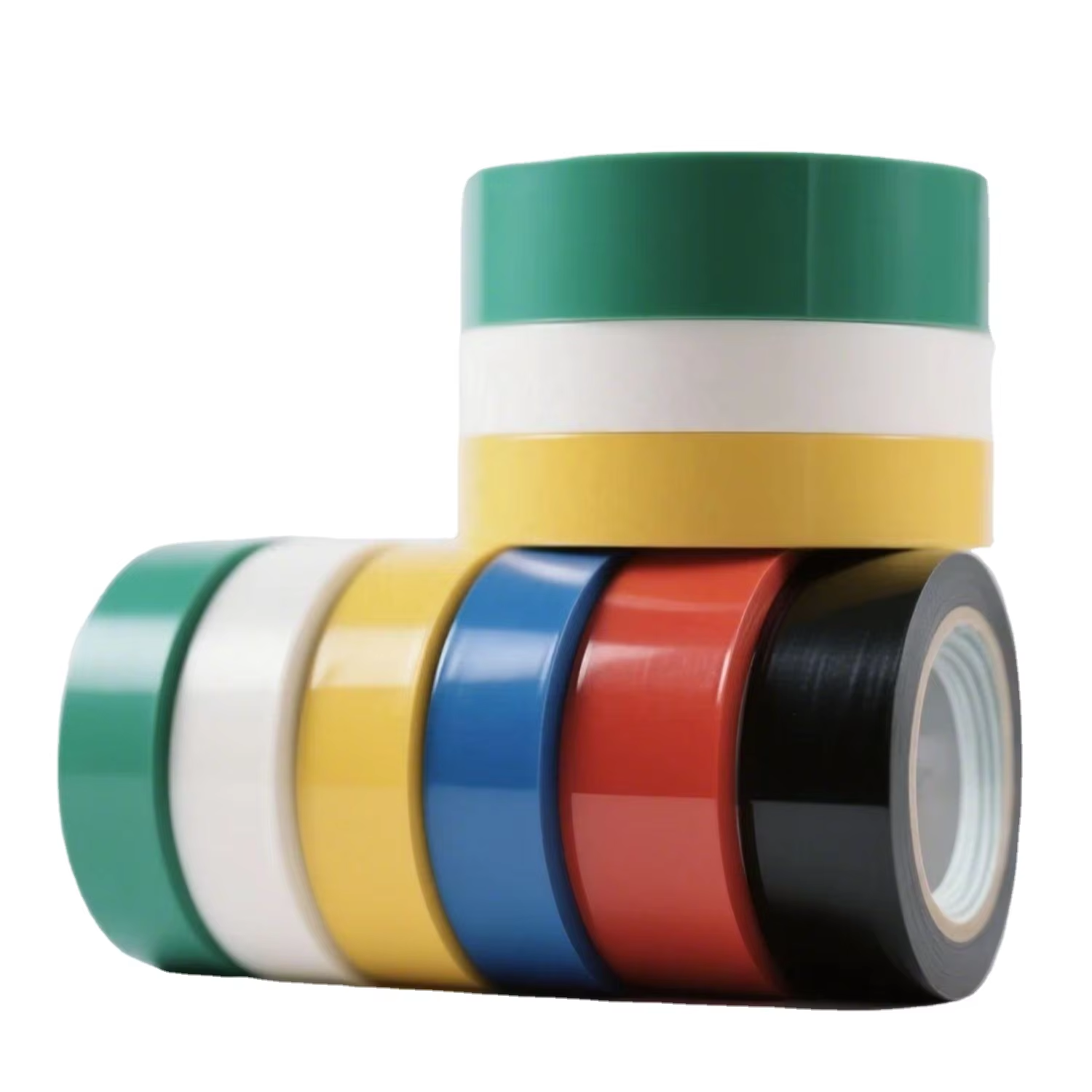
RoHS compliance is particularly important for heat resistant tape used in electronics manufacturing and in products sold into markets with strict environmental regulations. RoHS-compliant tapes are formulated without hazardous substances such as lead, mercury, and certain flame retardants, reducing both environmental impact and potential health risks for workers who handle the tape regularly.
Procurement teams and safety engineers should request documentation of certifications and test results when evaluating heat resistant tape for safety-critical applications. Relying on unverified claims about temperature ratings or dielectric strength can lead to the selection of a tape that fails to meet actual application requirements, with potentially serious consequences for both safety and liability.
Practical Application Techniques That Maximize Safety Benefits
Surface Preparation and Application Best Practices
The safety benefits of heat resistant tape are only fully realized when the tape is applied correctly. Surface preparation is the first and most important step. Surfaces must be clean, dry, and free of oils, dust, and loose particles before the tape is applied. Contaminated surfaces prevent the adhesive from bonding properly, leading to premature peeling and loss of protection. In industrial environments, this often means wiping surfaces with an appropriate solvent cleaner before taping.
Tension control during application is equally important. Applying heat resistant tape with consistent, moderate tension ensures that it conforms tightly to the surface without stretching the tape to the point where it becomes thin and loses its protective properties. Overlapping each wrap by approximately half the tape width provides double coverage and eliminates gaps that could allow heat, moisture, or contaminants to reach the protected surface.
For applications involving cable bundles, starting the wrap at one end and working systematically toward the other ensures complete coverage. Securing the end of the tape with an additional wrap or a cable tie prevents the tape from unraveling over time, particularly in applications where vibration or thermal cycling could otherwise loosen the wrap. These straightforward application practices significantly extend the effective service life of heat resistant tape and maintain its safety contribution throughout the product's operational life.
Inspection and Maintenance of Taped Assemblies
Even the highest-quality heat resistant tape requires periodic inspection to ensure it continues to provide the intended level of protection. Over time, repeated thermal cycling, mechanical stress, and chemical exposure can cause tape to harden, crack, or lose adhesion. Scheduled visual inspections of taped cable assemblies and components allow maintenance teams to identify areas where the tape has degraded before a failure occurs.
Signs that heat resistant tape needs replacement include visible cracking or brittleness, peeling edges, discoloration beyond what is expected from normal heat exposure, and any areas where the tape has separated from the underlying surface. Replacing degraded tape promptly prevents the protected component from being exposed to the hazards the tape was installed to mitigate.
Documenting the location and condition of taped assemblies as part of a broader maintenance management system helps ensure that inspections are not overlooked. In facilities with large numbers of cable runs and taped components, a systematic approach to inspection scheduling reduces the risk that a degraded tape installation will go unnoticed until it contributes to an incident.
FAQ
What temperature range can heat resistant tape typically withstand?
The temperature resistance of heat resistant tape varies depending on the base material and adhesive formulation. PVC-based heat resistant tape is typically rated for continuous use up to around 105°C, while specialty tapes using materials such as polyimide or silicone can withstand significantly higher temperatures. Always verify the specific temperature rating of the tape against the maximum operating temperature of your application before use.
Can heat resistant tape be used for high-voltage electrical insulation?
Yes, heat resistant tape designed for electrical insulation applications is formulated to provide high dielectric strength suitable for high-voltage use. The specific voltage rating depends on the tape's thickness, material, and construction. For safety-critical high-voltage applications, always select tape that carries relevant certifications and has been tested to the applicable electrical safety standards for your industry or region.
Is heat resistant tape waterproof as well as heat resistant?
Many heat resistant tapes are also designed to be waterproof, providing protection against moisture ingress in addition to thermal resistance. This dual functionality is particularly valuable in environments where cables and components are exposed to both heat and humidity or liquid splashing. Check the product specifications to confirm waterproof performance, as not all heat resistant tapes offer the same level of moisture protection.
How often should heat resistant tape on industrial cable assemblies be inspected?
The inspection frequency for heat resistant tape depends on the severity of the operating environment and the criticality of the protected assembly. In high-temperature, high-vibration, or chemically aggressive environments, quarterly inspections are a reasonable starting point. For less demanding applications, annual inspections may be sufficient. Any time maintenance work is performed on or near taped assemblies, the condition of the tape should be checked as part of the maintenance procedure.